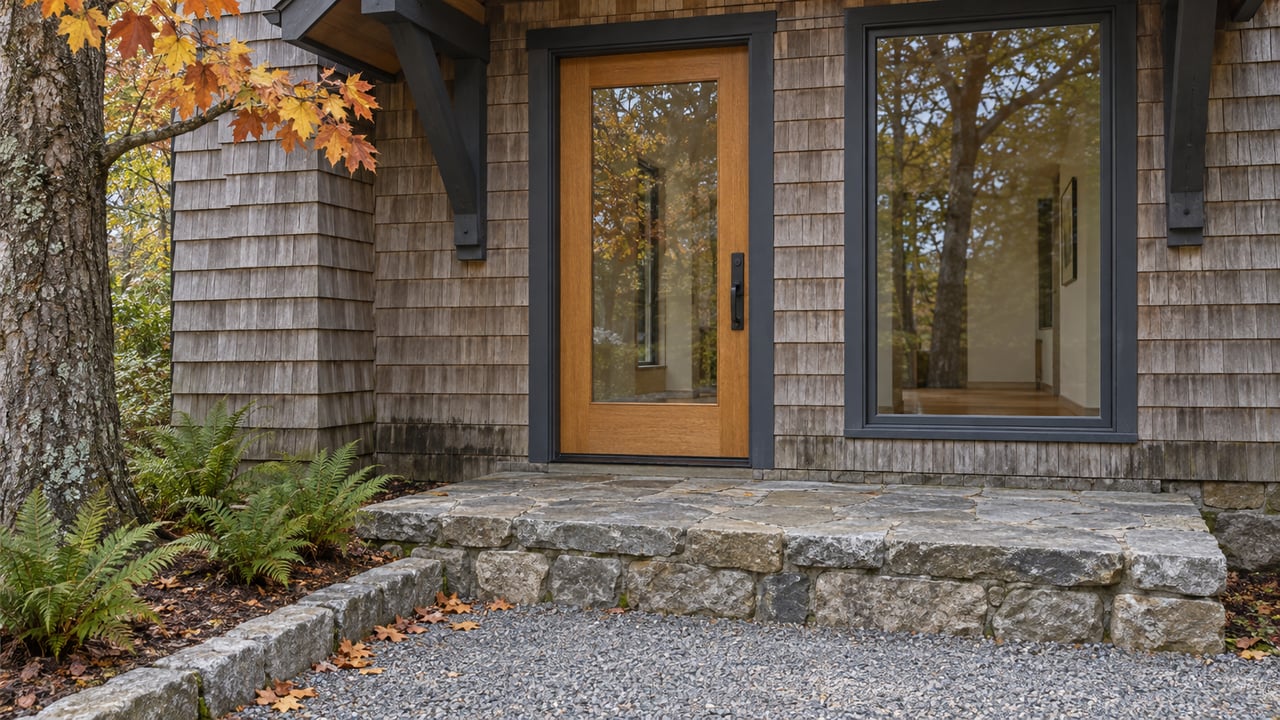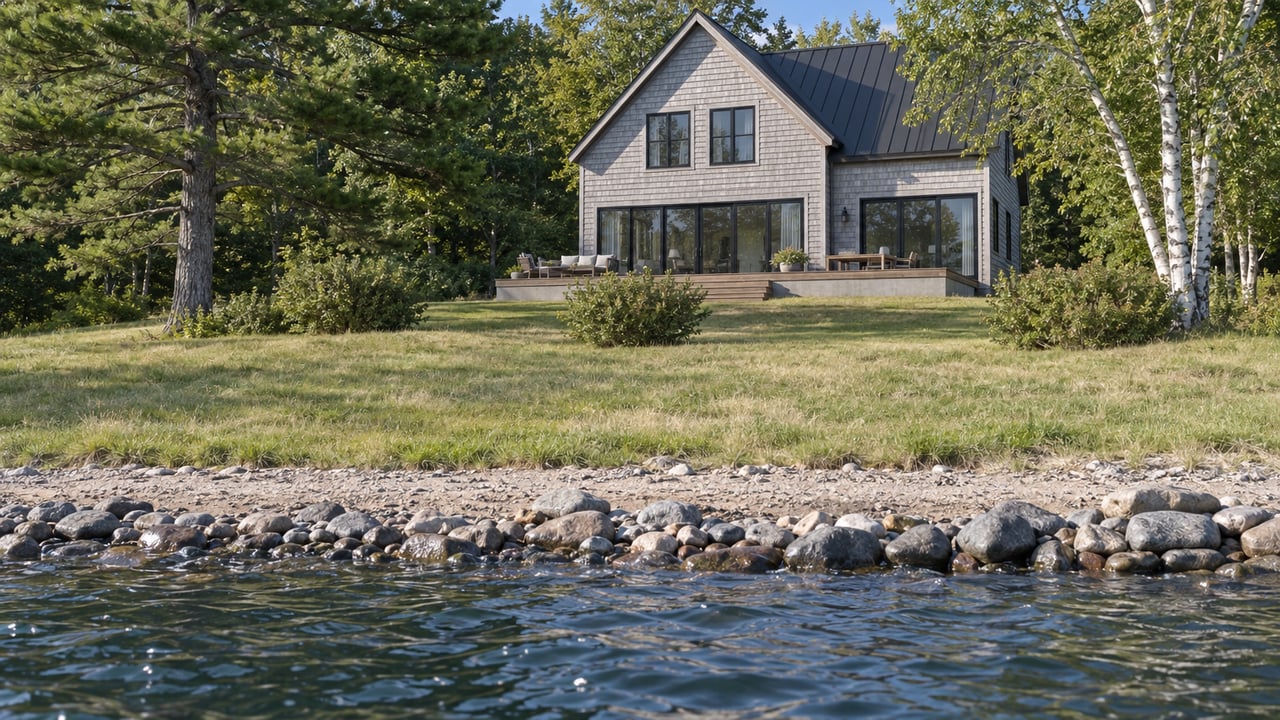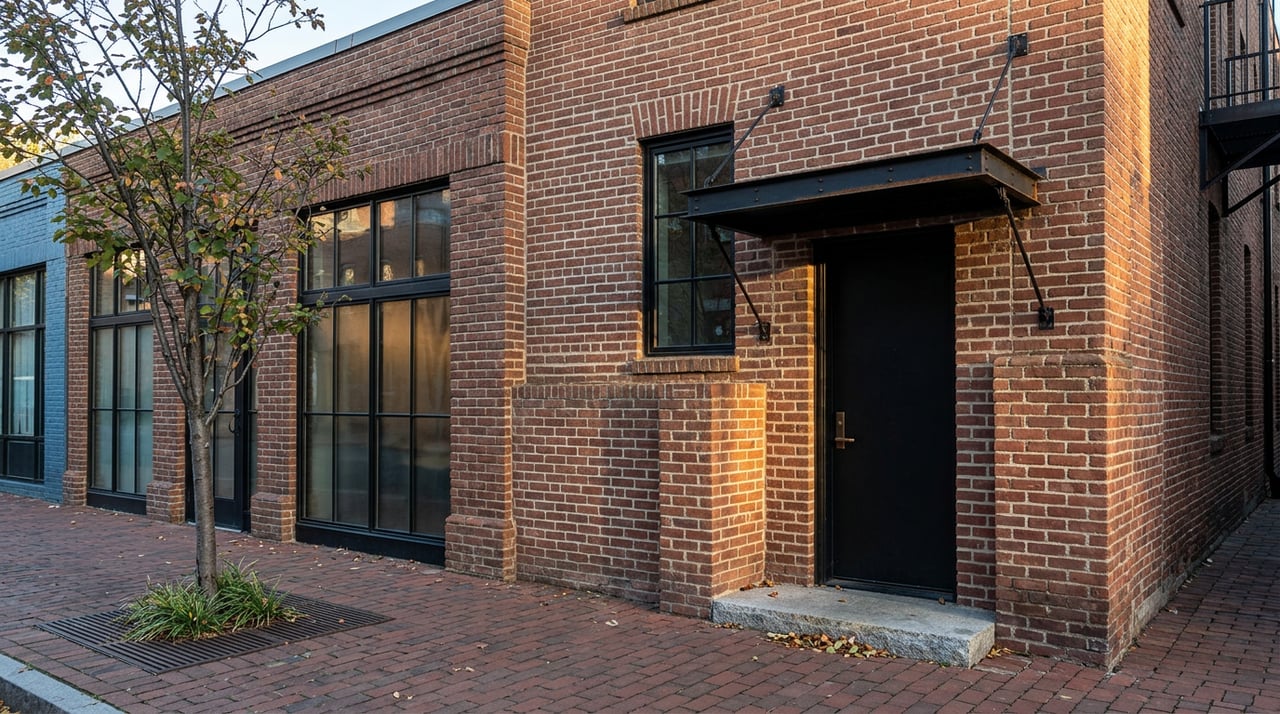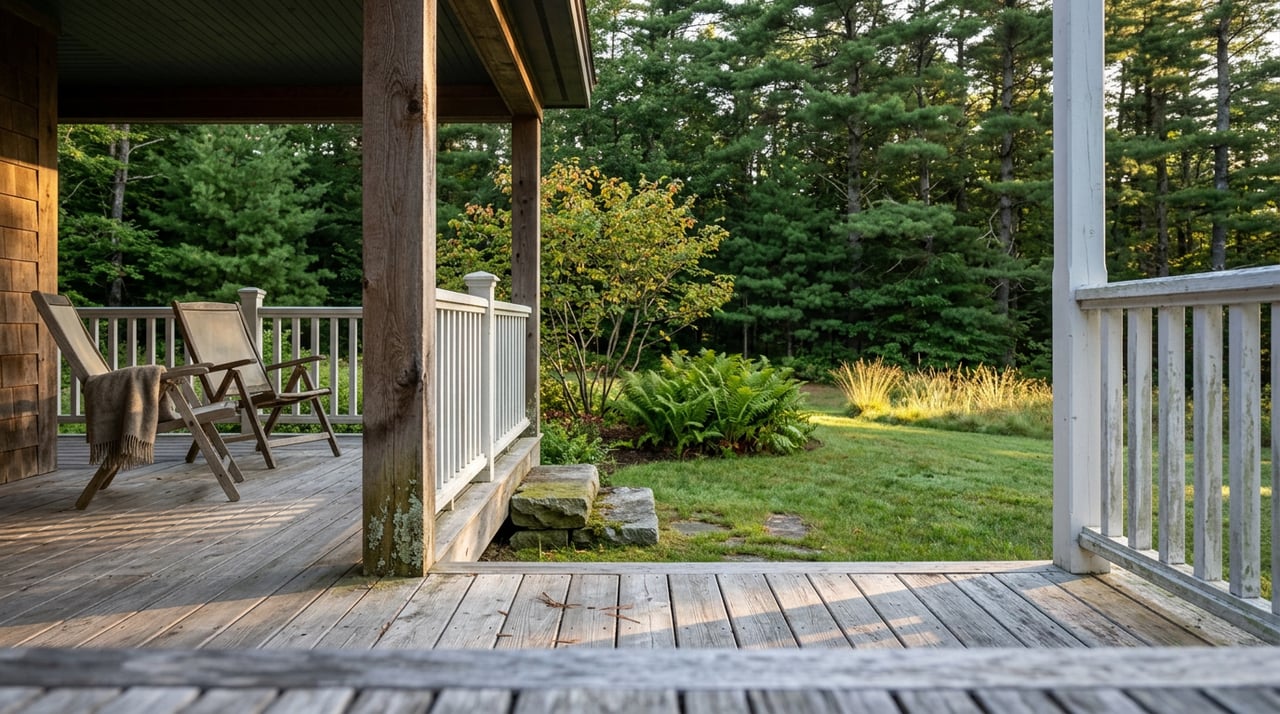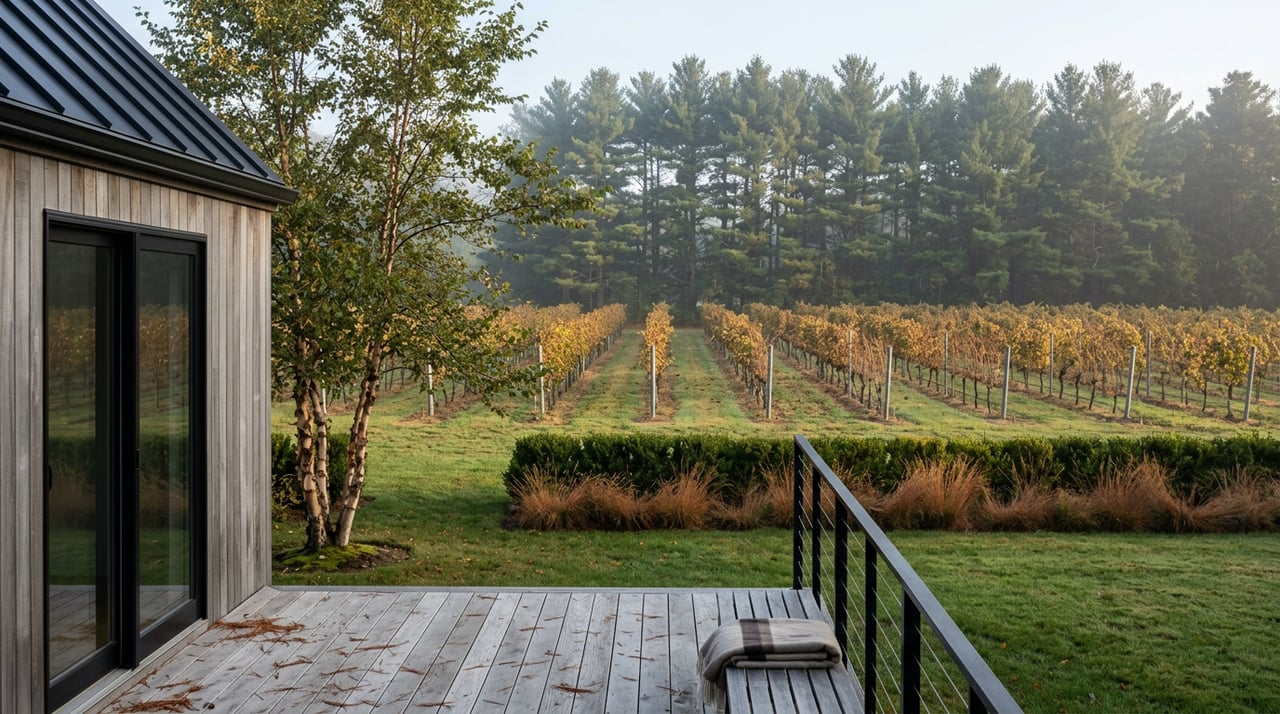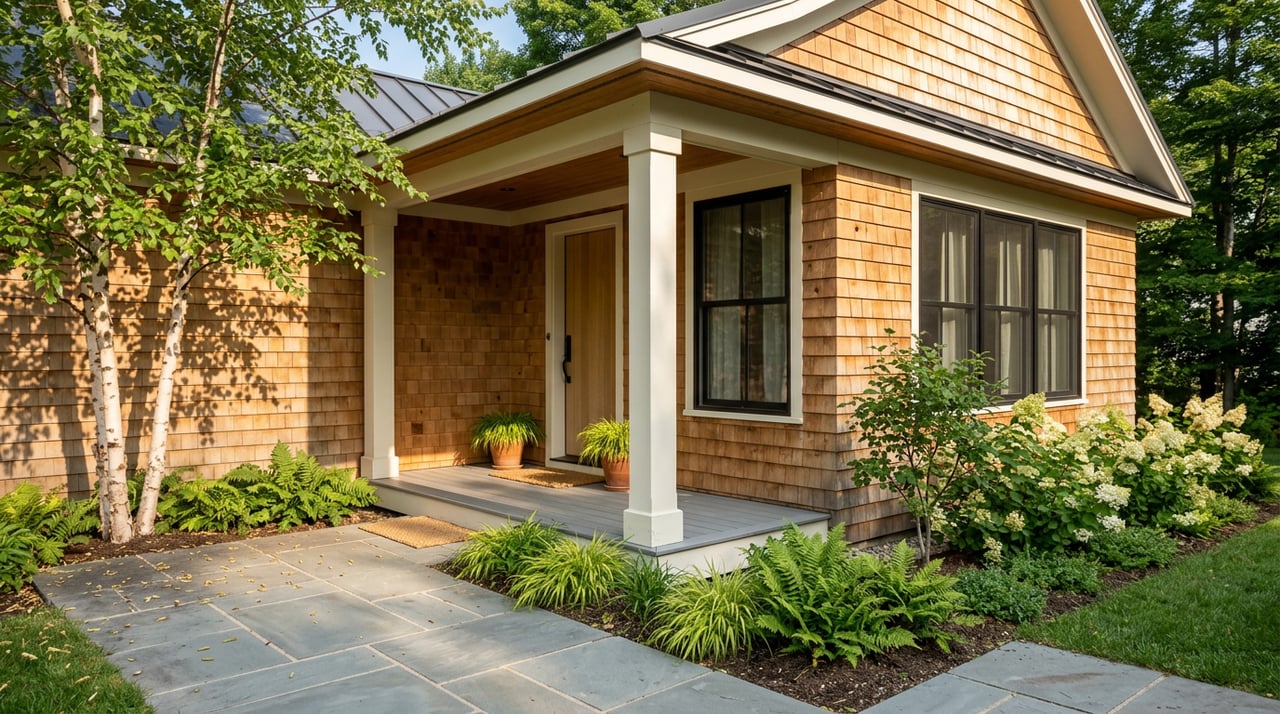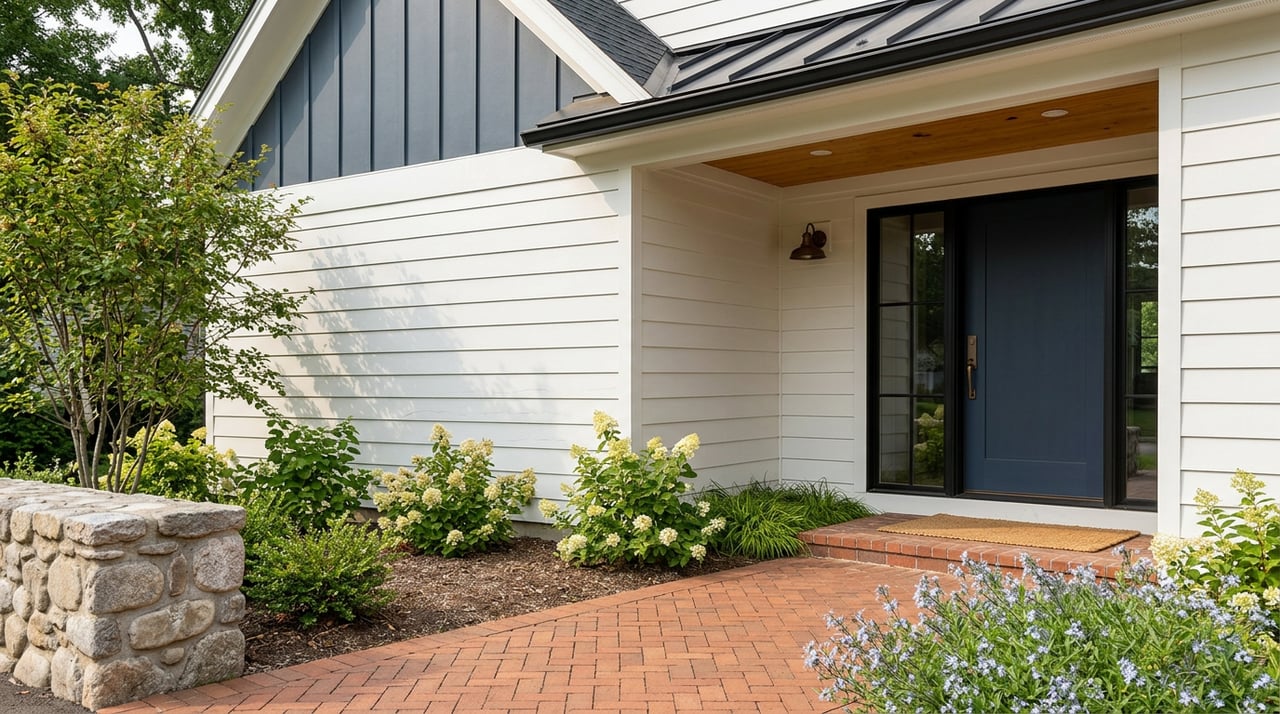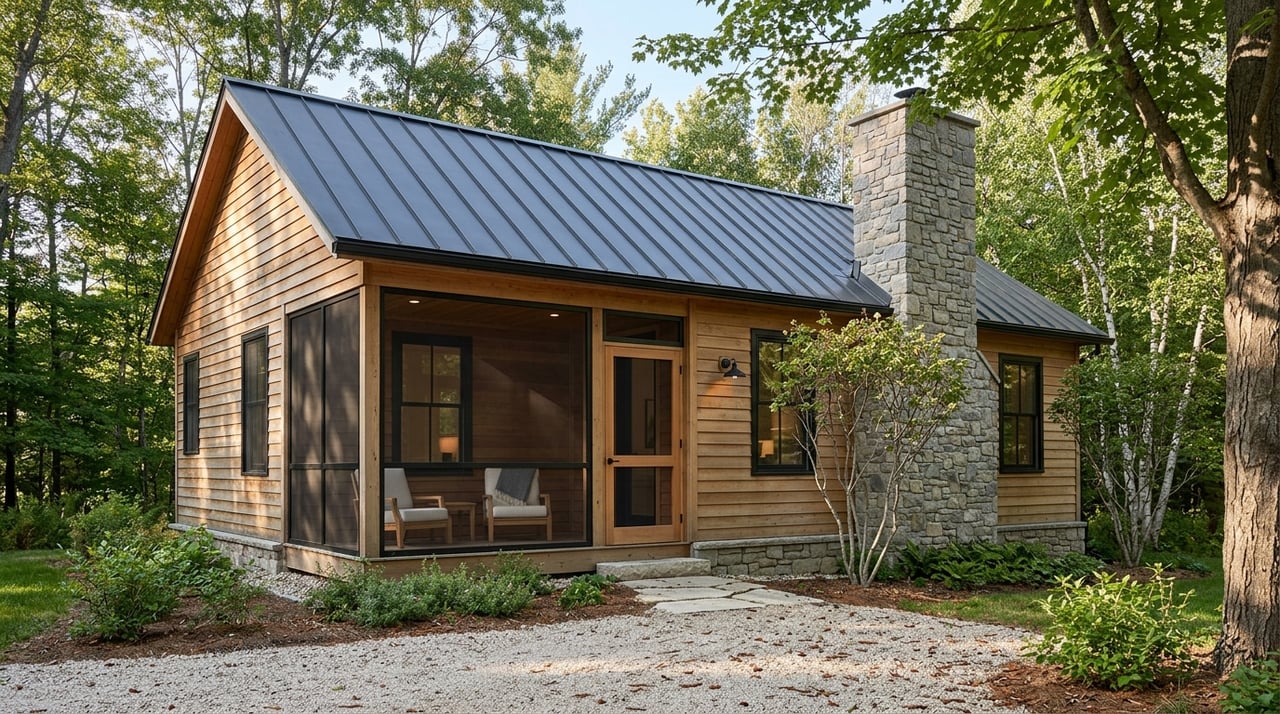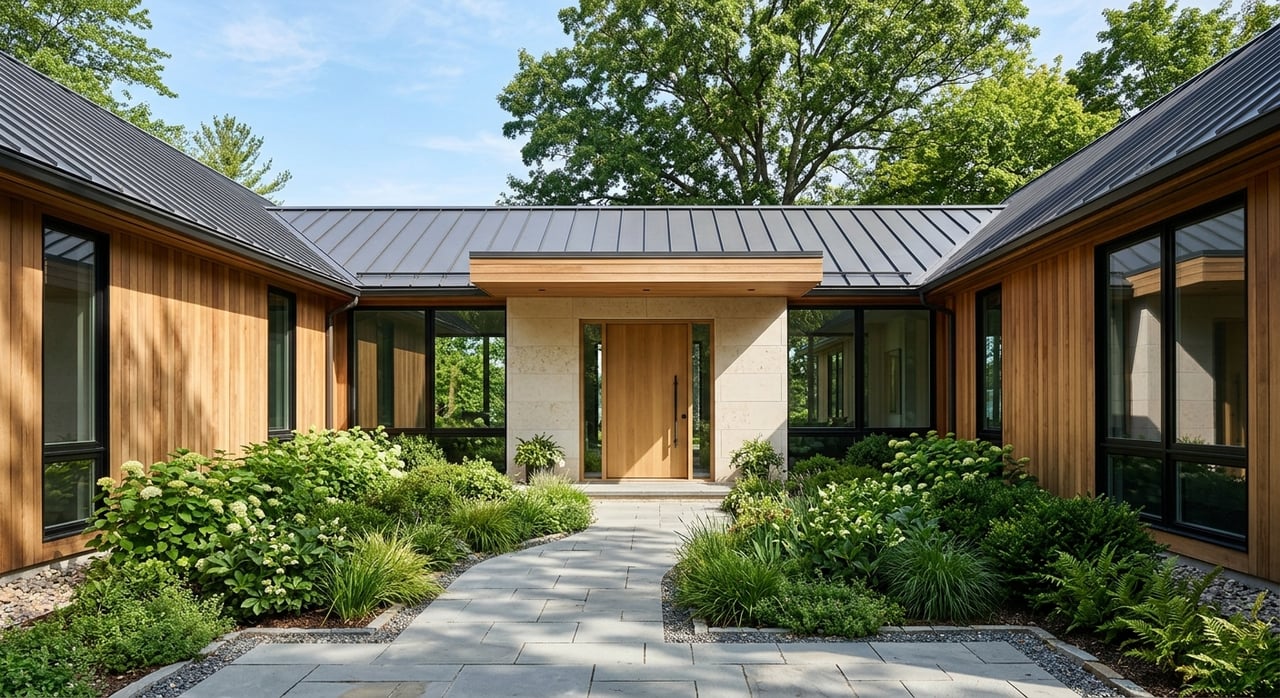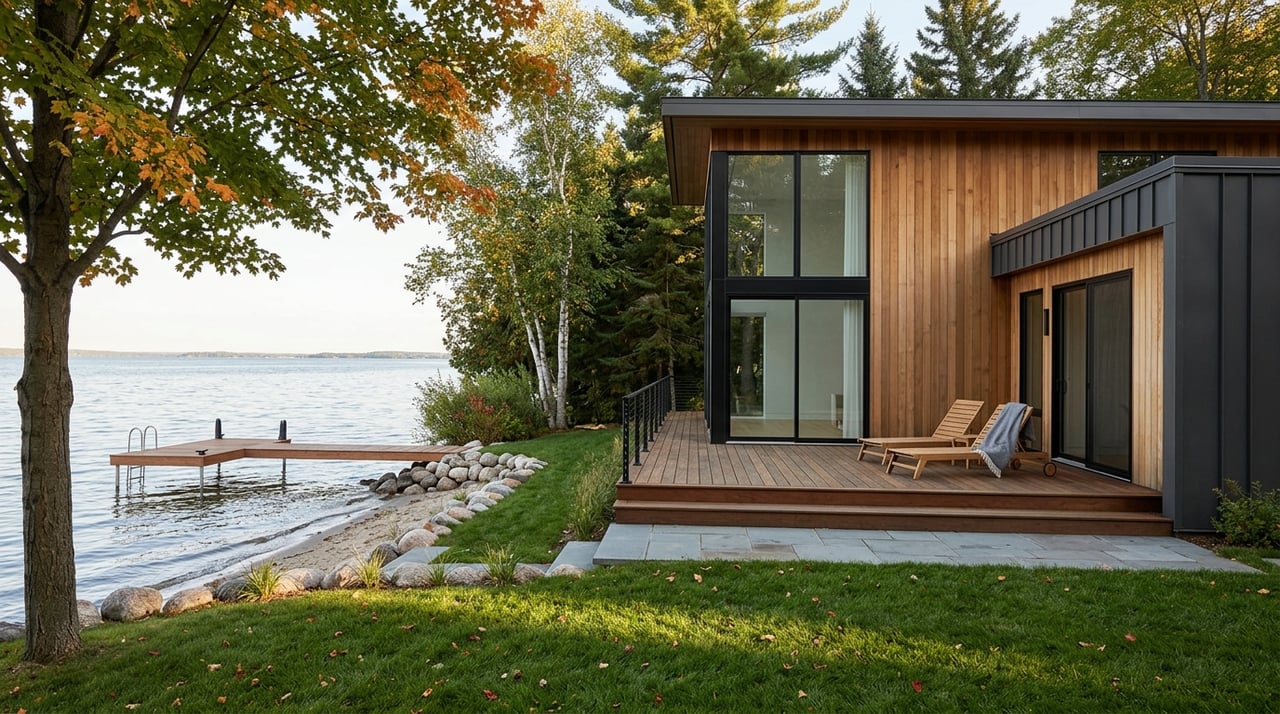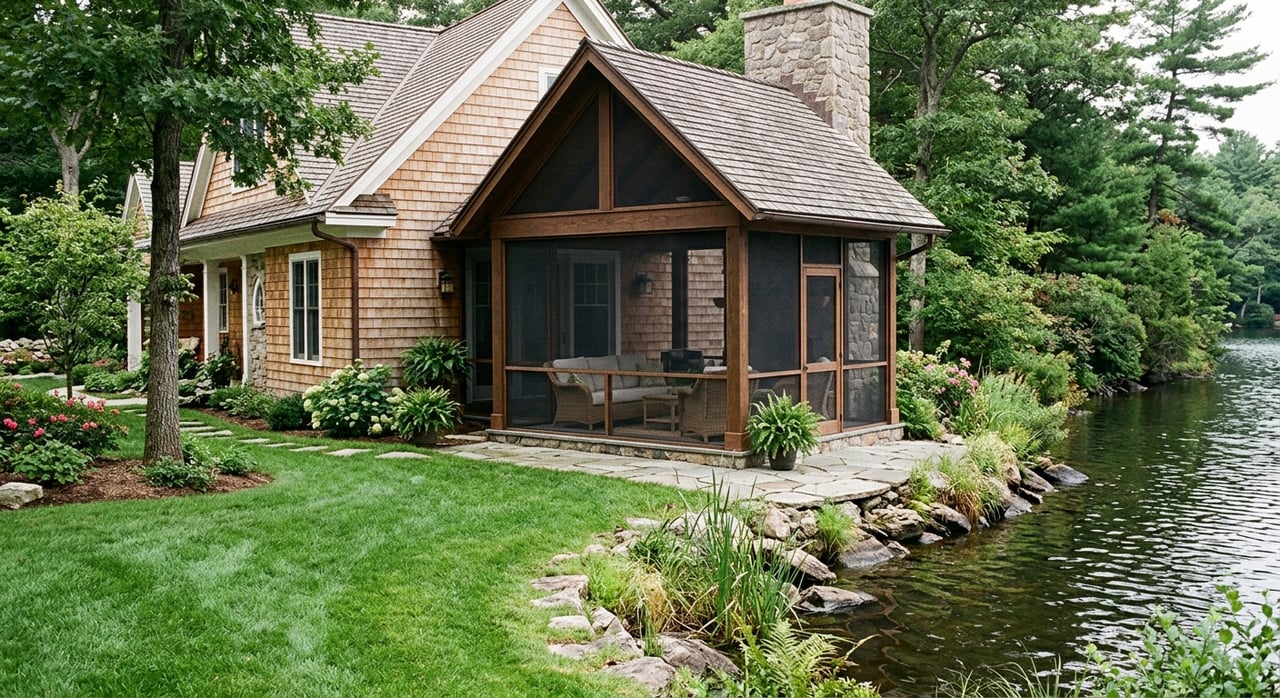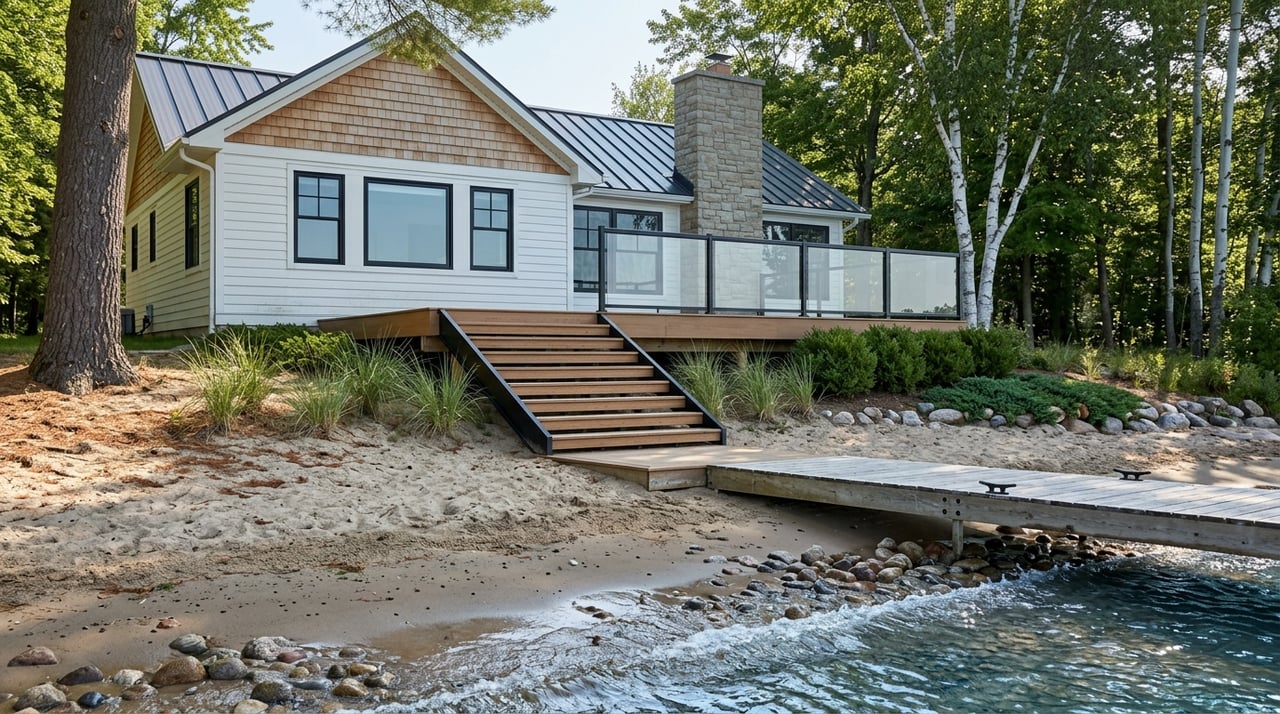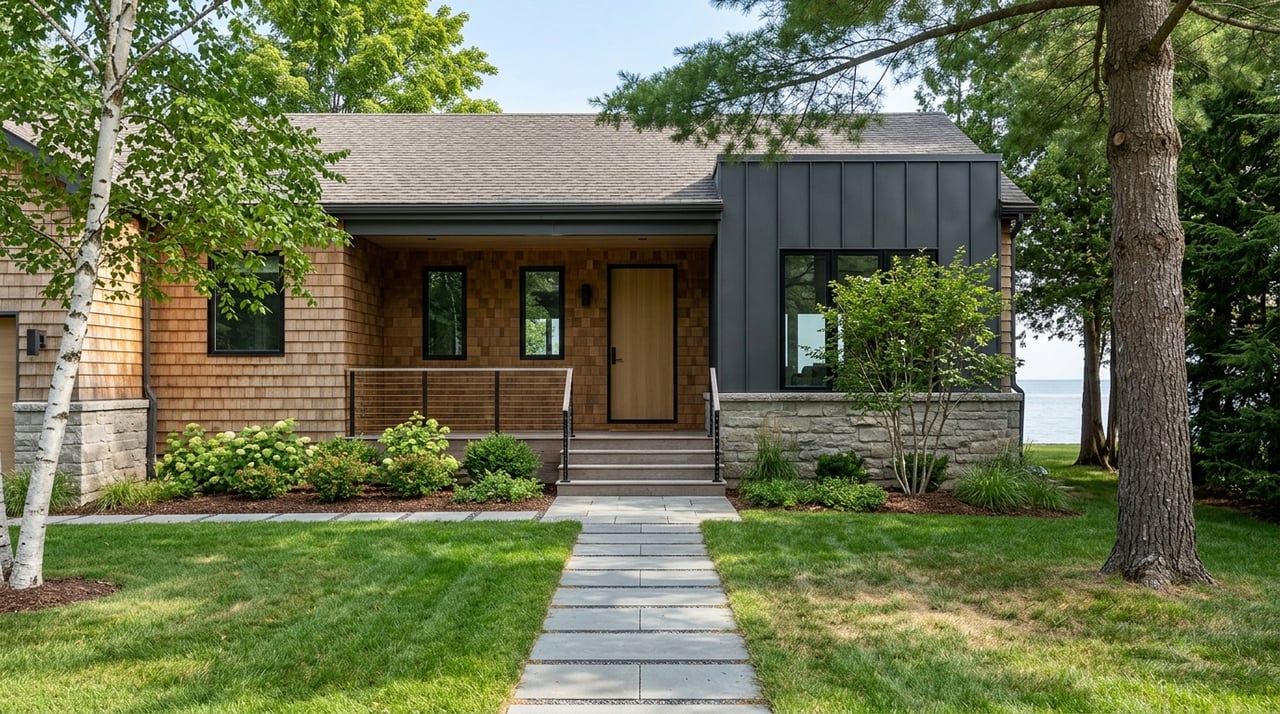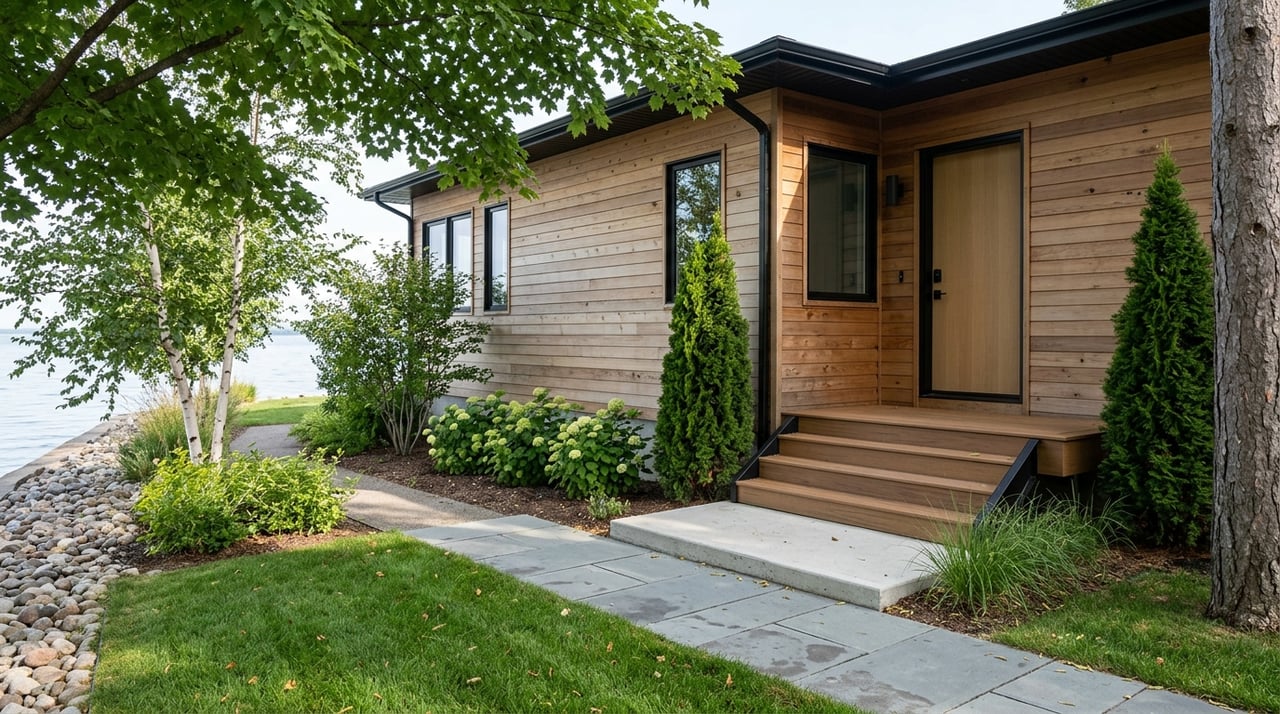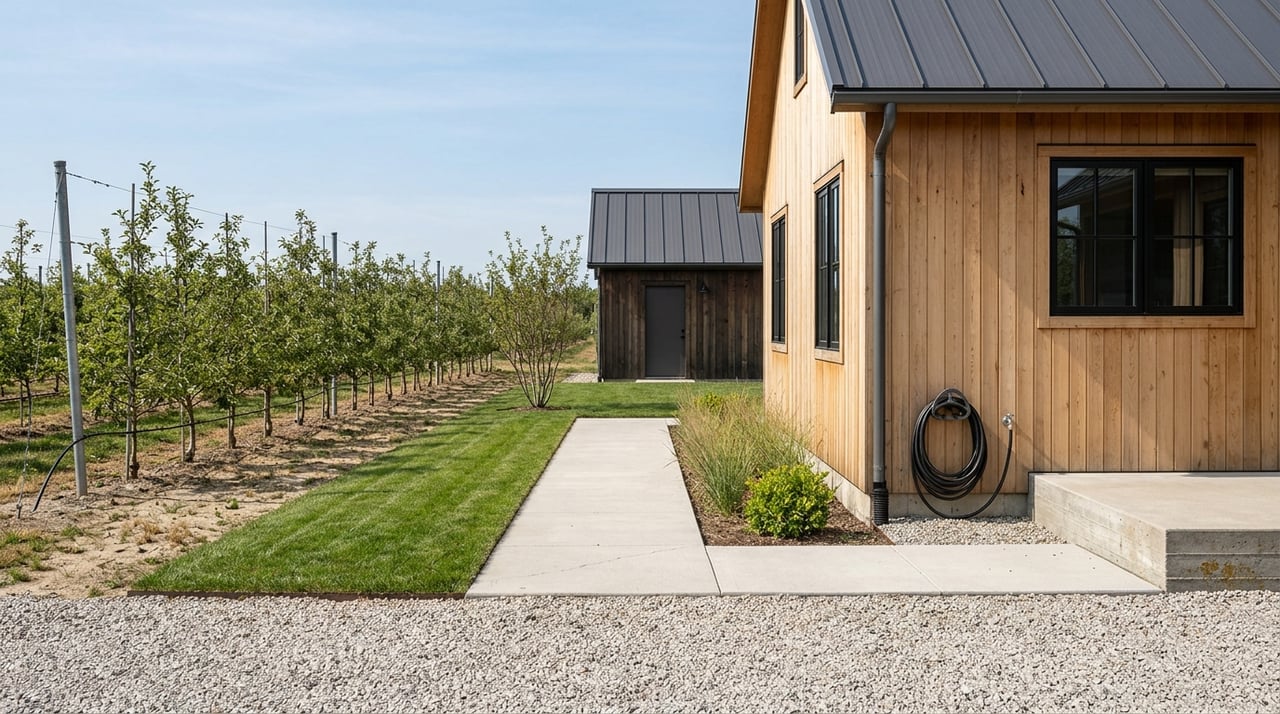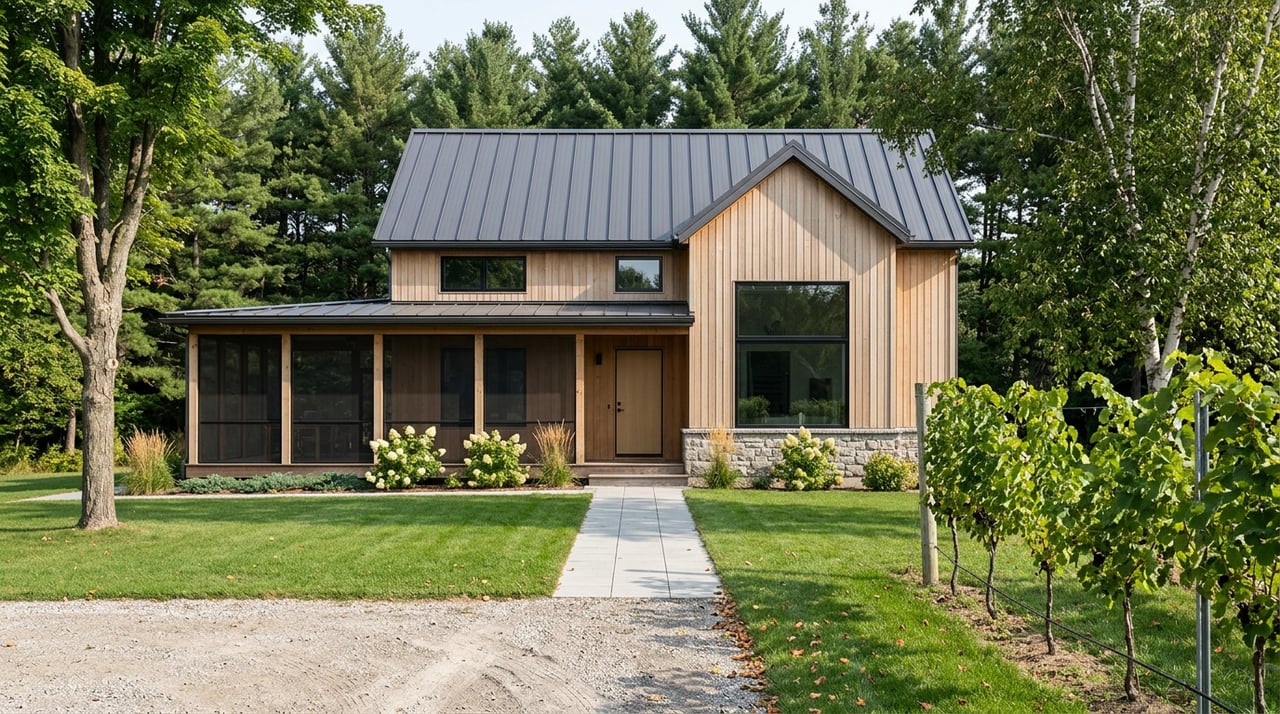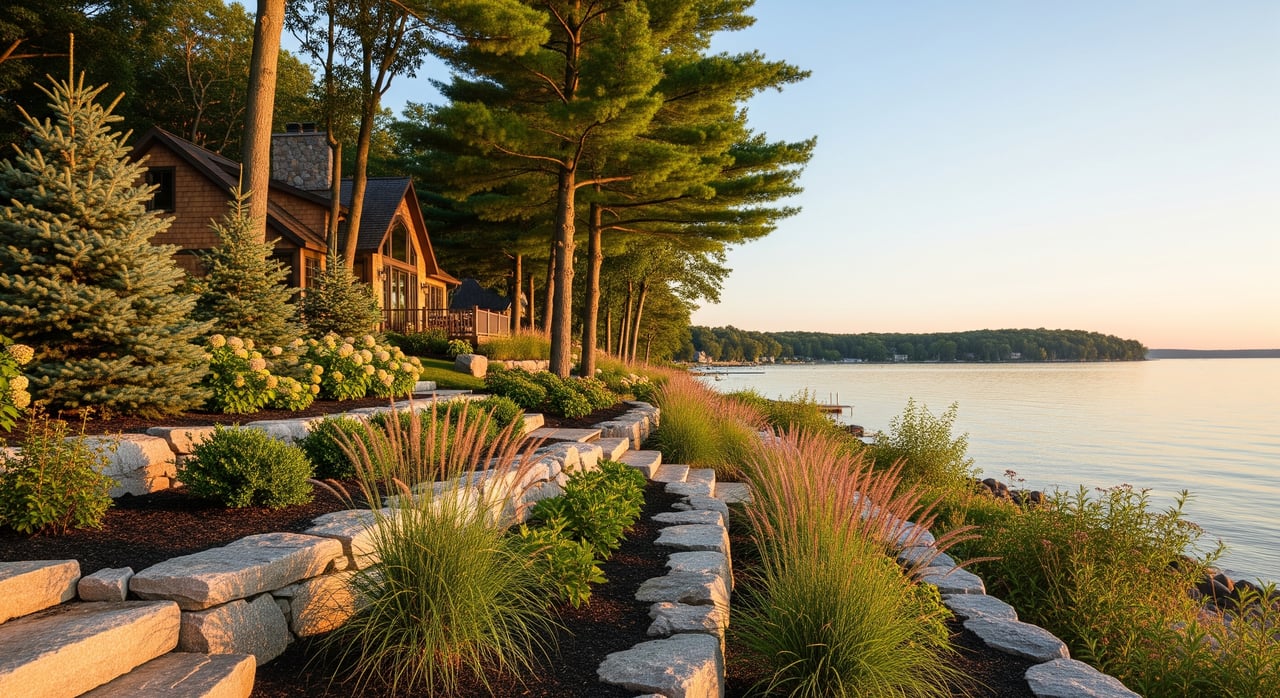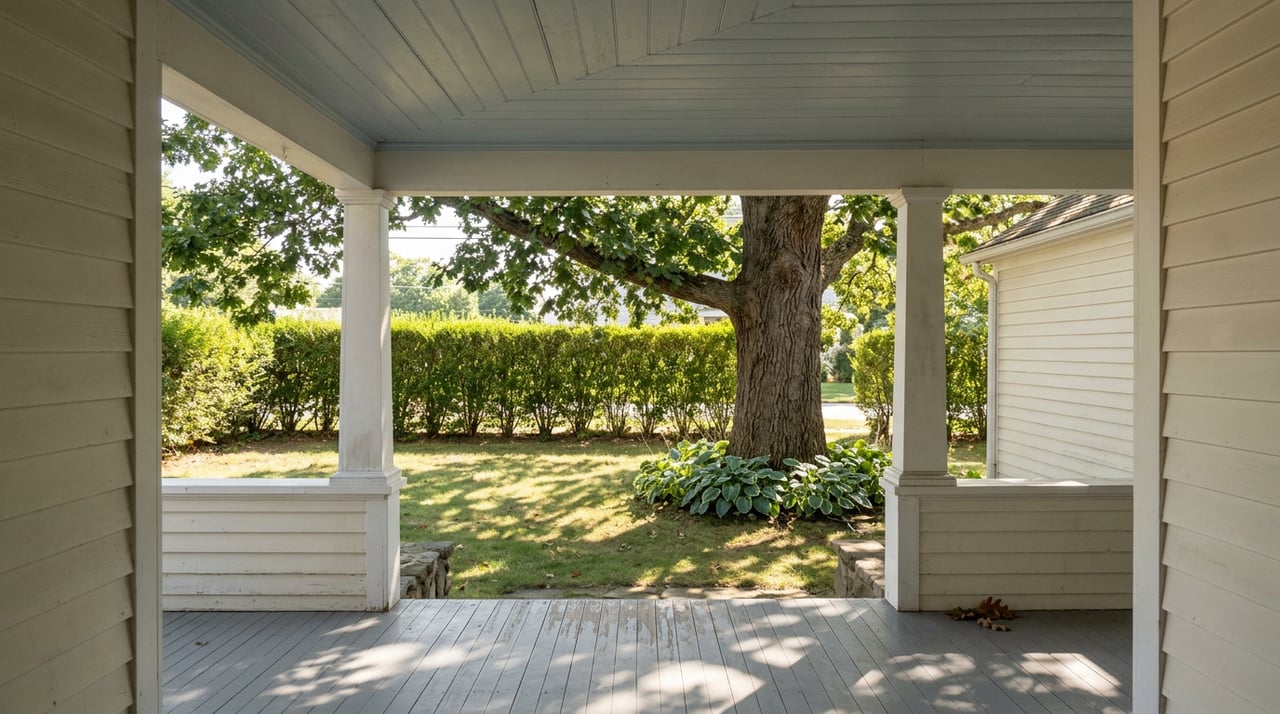
Picture two listings, both walking distance to downtown Traverse City, both under contract within the same week this fall. One sits on a tree-lined street in the Central Neighborhood, a few blocks from Boardman Lake. The other is a bungalow on the west side, close enough to West Bay to hear the gulls. The buyers on both deals think they know what they're getting into, because they've both seen the same citywide median price online. What neither buyer has checked is which neighborhood's rulebook is finished and which one is still being argued over at city hall.
That distinction matters more than the price gap between the two neighborhoods, and it's the part no portal search turns up.
The Median Hides a $327,000 Spread
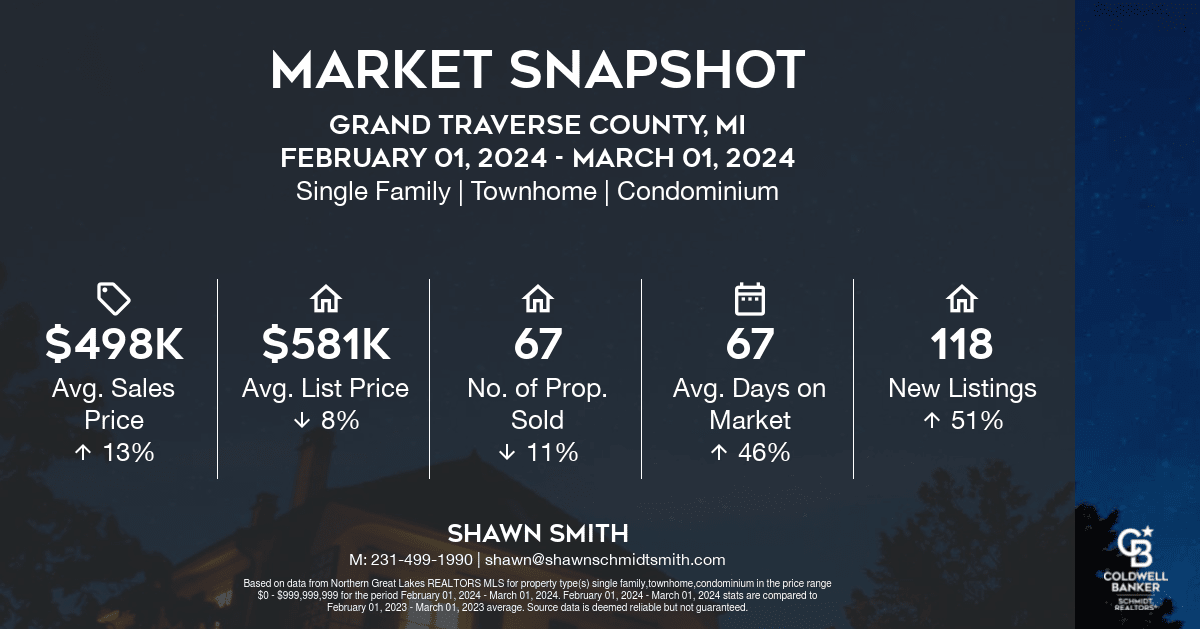
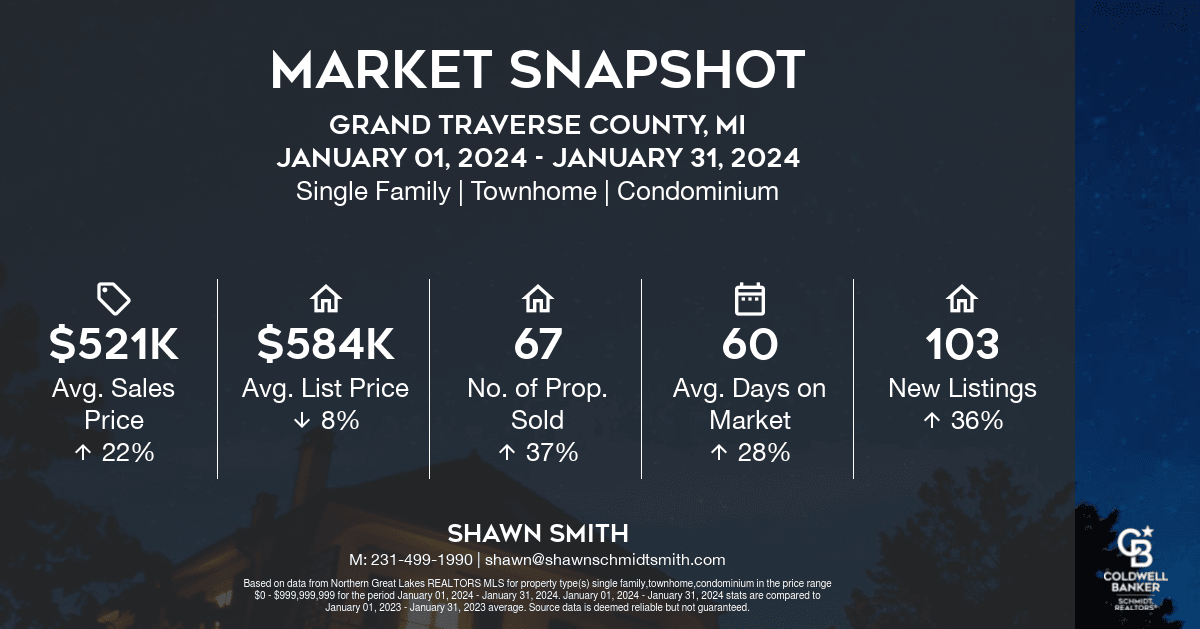
As of August 2026, the tracked median sale price across Traverse City sat at $447,700, based on 206 closings over the prior six months. That number sounds precise. It isn't especially useful on its own, because the middle half of those same sales closed anywhere between $323,000 and $650,000. A single citywide figure is doing the work of describing a market where the typical buyer's actual outcome could land more than $300,000 apart, depending entirely on which streets they're looking at.
Central and Slabtown are two of the neighborhoods sitting on opposite ends of that spread. Recent 12-month portal snapshots put Central's median close to $490,000, while Slabtown has more often traded in the mid-$500,000s to mid-$600,000s, with individual sales ranging from modest, unrenovated cottages on the low end to bay-adjacent homes and condo conversions well above that. Slabtown's higher median isn't a sign that the neighborhood is uniformly more expensive. It's a sign that its housing stock is more varied, stretched between century-old bungalows still waiting for a renovation and properties that have already had one.
That variation is exactly why the citywide number can't tell a buyer which neighborhood fits their budget. What it can't tell them at all is which neighborhood is still deciding, in real time, what a homeowner is allowed to do with the house once they own it.
Central Already Answered This Question. Slabtown Hasn't.
Central is one of Traverse City's three existing historic districts, alongside Boardman and Downtown. That means exterior work on a home in Central, from a new addition to a change in siding, already goes through the city's Historic Districts Commission. Buyers there know the process before they close.
Slabtown doesn't have that answer yet, and the group trying to settle it has a name: Traverse City Community Design, led by architects Suzannah Tobin and Ken Richmond, both former members of the Historic Districts Commission themselves. Their proposal would extend historic-district protection into Slabtown and Old Town, the same review that already governs Central. Getting there isn't simple. Under the city's ordinance, expansion starts with a petition signed by at least 20 percent of property owners in the proposed area, which triggers a formal study by the Historic Districts Commission. From there, the district only becomes real if 51 percent of property owners in the area sign on in support.
That's a high bar, and it's still being cleared street by street rather than decided all at once. For a buyer weighing a renovation timeline in Slabtown right now, the honest answer is that the rules could look different in two years than they do today, and nobody can promise which direction they'll move.
The Other Fight Is About What Gets Built, Not Just What Gets Renovated
Historic-district status is about protecting what's already there. A separate and unresolved fight in Slabtown is about what's allowed to go in next to it.
Traverse City's planning commission approved a Master Plan that designates the Bay Street corridor, on the west side of Division Street, as a "Transitional Neighborhood," a label that opens the door to more commercial businesses and multi-family buildings along that stretch. A resident group called STown Action has pushed back, submitting a petition with 329 signatures from Slabtown residents asking the city to remove that designation, citing concerns about traffic, on-street parking, and the loss of the area's residential character. The city's position is that a Master Plan designation is a planning guide rather than an enforceable zoning change on its own, which means the practical outcome still depends on what the city commission does with it going forward.
None of this means Slabtown is a neighborhood in turmoil. It means a buyer choosing a house on or near Bay Street should understand that the zoning conversation is live, not settled, and that the character of a specific block could shift depending on how it resolves.
It's worth sitting alongside that with something smaller. In March 2026, Slabtown Burgers, the well-known eatery in a converted historic house on West Front Street, changed hands. Longtime owner Jeff Pownall, who opened the restaurant in 2009, sold it to Jeff Lobdell, a Traverse City native whose family has been part of the community for decades. It was a business-to-business sale between two local families, not a chain buyout. That kind of continuity is the version of change Slabtown residents have generally welcomed, even as the zoning and historic-district questions remain open.
Where the New Construction Money Is Actually Going
If Slabtown's open questions are about protection and restriction, the more visible activity on the Central and Boardman Lake side of downtown is about new construction.
The Mill District, a mixed-use development at 1032 Woodmere Avenue on the shore of Boardman Lake, received city approval for its planned unit development in August 2025 and broke ground that November. The project will bring four new buildings, including a commercial building anchored by Brick Wheels, the longtime local bike shop relocating from Eighth Street, along with a restaurant and residential units. As of August 2026, condo sales at the site were already underway ahead of the commercial building's targeted 2027 opening. The project also includes a new non-motorized trail connection linking Carver Street to the Boardman Lake Loop Trail, extending the kind of waterfront access that already draws buyers to that side of the city.
For a buyer comparing Central to Slabtown, the Mill District is a concrete signal that new investment on the Boardman Lake side is arriving in the form of ground-up construction rather than renovation of existing housing stock. That's a different kind of appreciation pressure than what plays out west of Division Street, where the debate is over how much an existing neighborhood should be allowed to change.
What This Actually Means If You're Choosing Between Them
The instinct when comparing two neighborhoods is to line up their medians and pick the one that fits the budget. That's a reasonable first filter, but it stops short of the decision that actually matters once the offer is accepted. Buying in Central means buying into a settled process. The Historic Districts Commission review is a known quantity, and so is the wave of new construction arriving a few blocks away at the Mill District. Buying in Slabtown means buying into a neighborhood where two separate civic conversations, one about historic protection and one about zoning, are still being worked out, and where the resolution of either could shape what a homeowner can do with a property or what gets built next door.
Neither position is better. They're different kinds of certainty, and a buyer who understands which one they're signing up for is in a stronger position than one who only checked the median.
A Few Questions Worth Asking Before You Write an Offer
Does every home in Central require Historic Districts Commission approval for exterior changes? Homes within Central's designated historic district boundaries do. The boundaries are specific rather than covering the entire neighborhood, so it's worth confirming exactly where a given address falls before assuming the review applies.
If Slabtown becomes a historic district, does that apply retroactively to renovations already completed? No. Historic district review governs future exterior work, not changes made before a district is established. The open question for a current buyer is whether that review will apply to renovations planned after closing.
Where can I check the current status of the Bay Street zoning designation? The city's Master Plan and any subsequent zoning ordinance changes are public records available through Traverse City's planning department, and the status can shift as the city commission continues to weigh in.
If you're weighing a purchase in Traverse City's in-town neighborhoods and want a clearer read on how these open questions might affect a specific address, The Shawn Schmidt Group can walk through what's settled, what's still being decided, and what that means for your timeline. Request a Private Consultation to start that conversation.