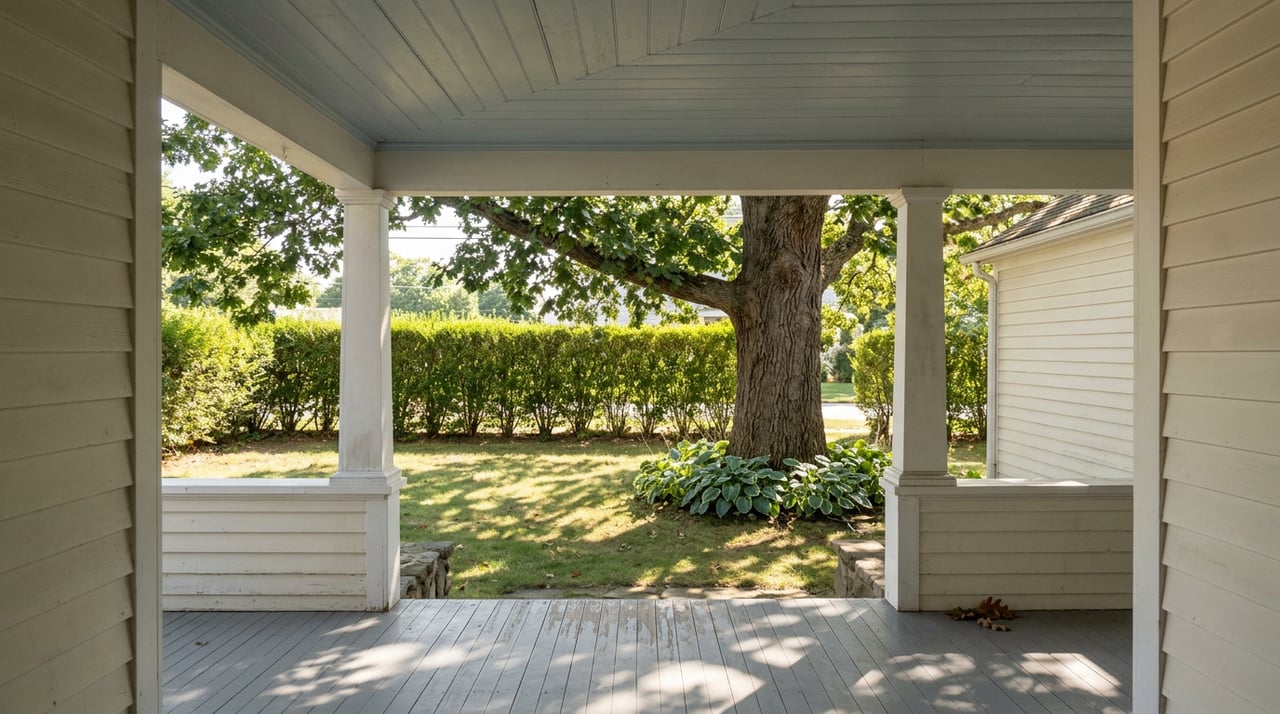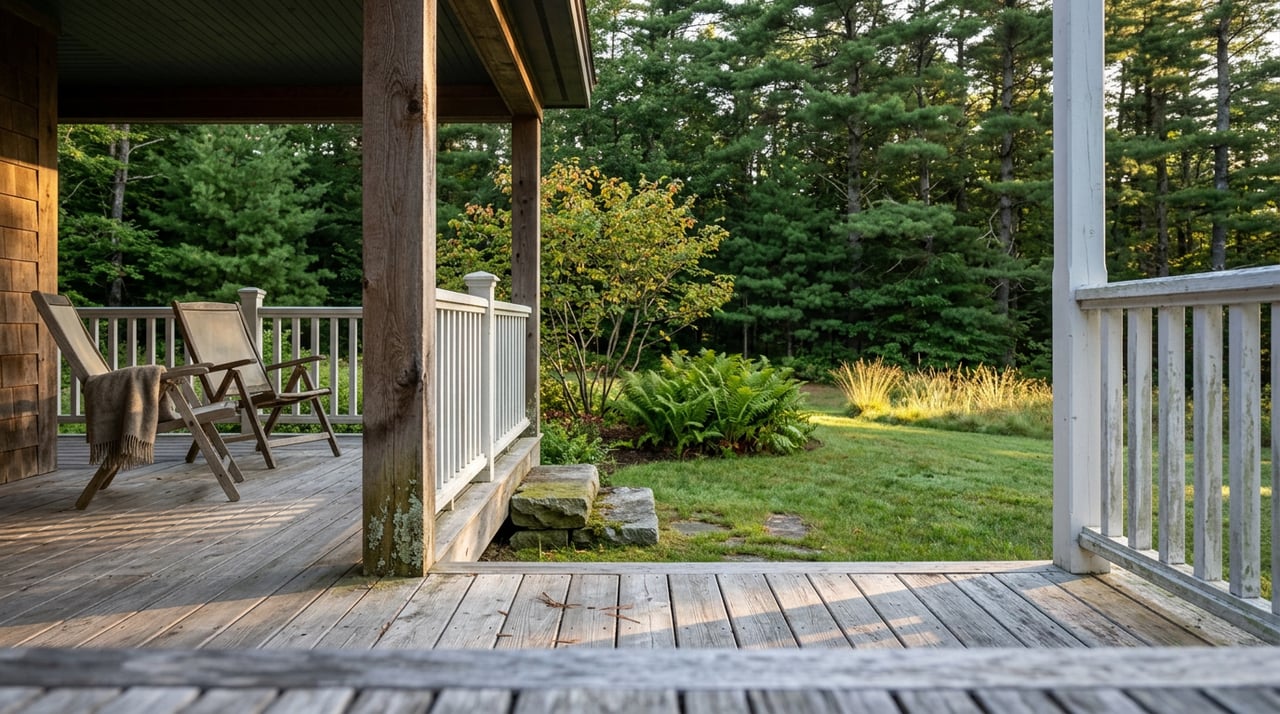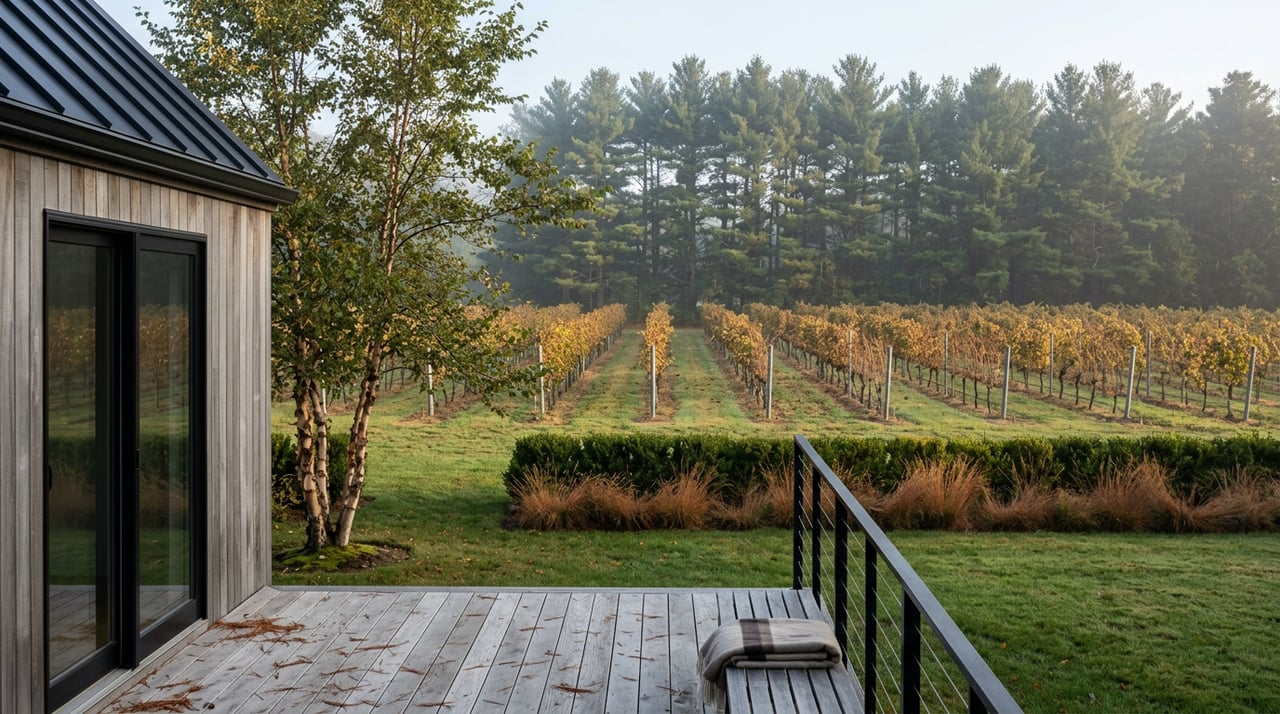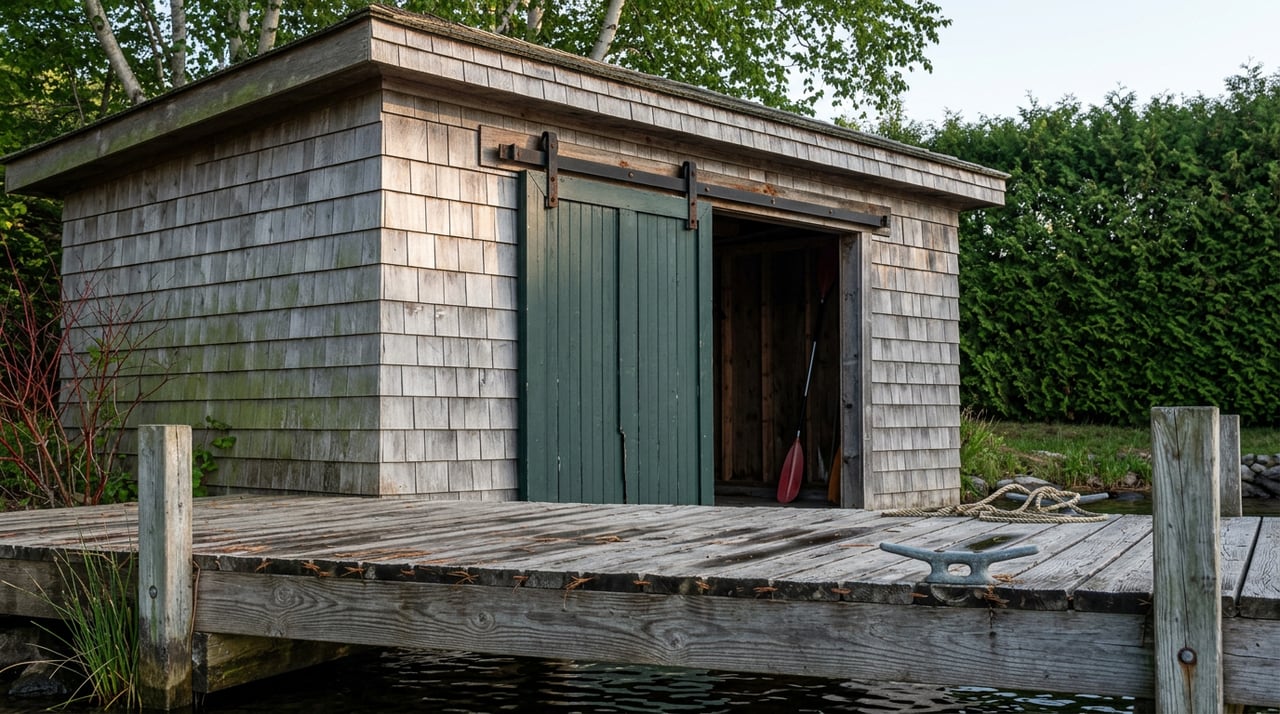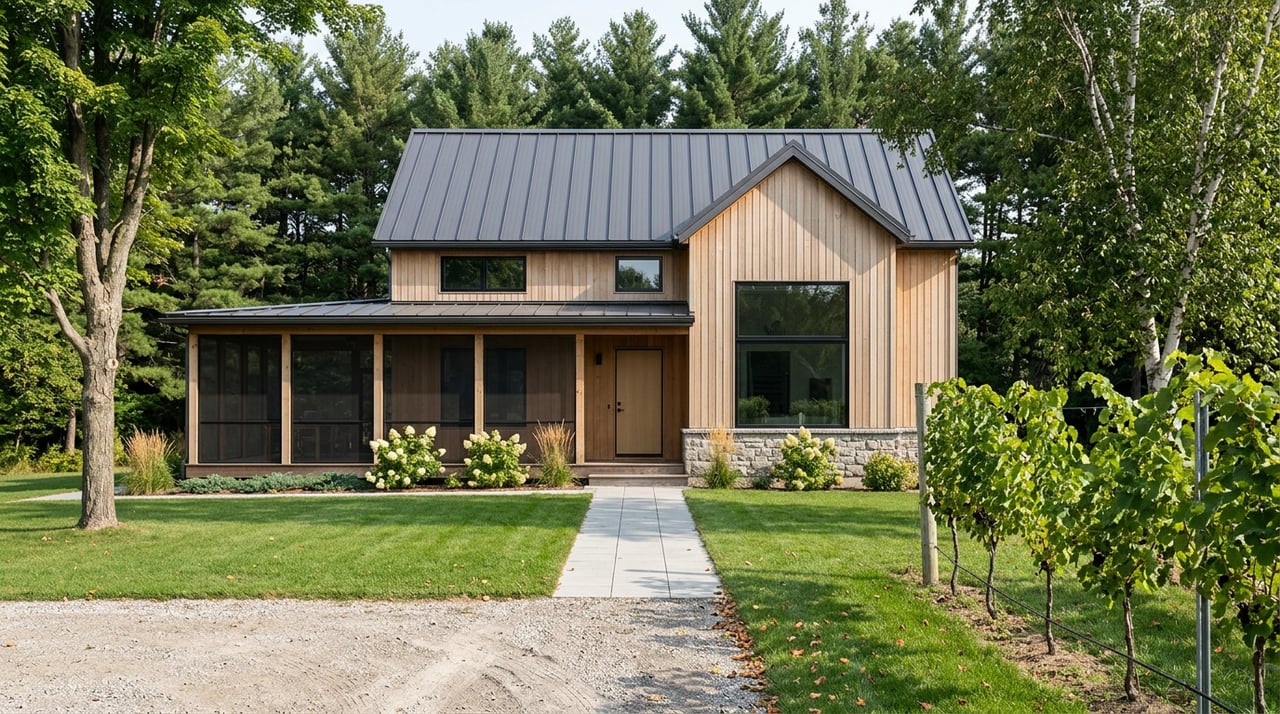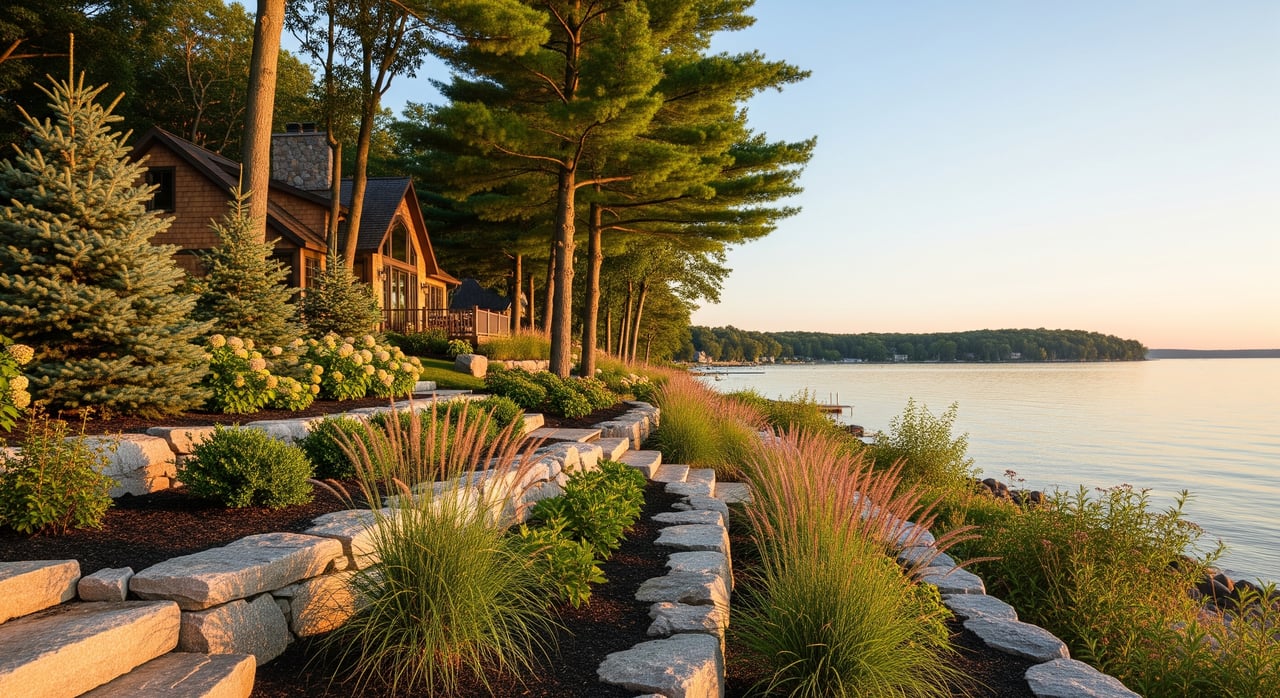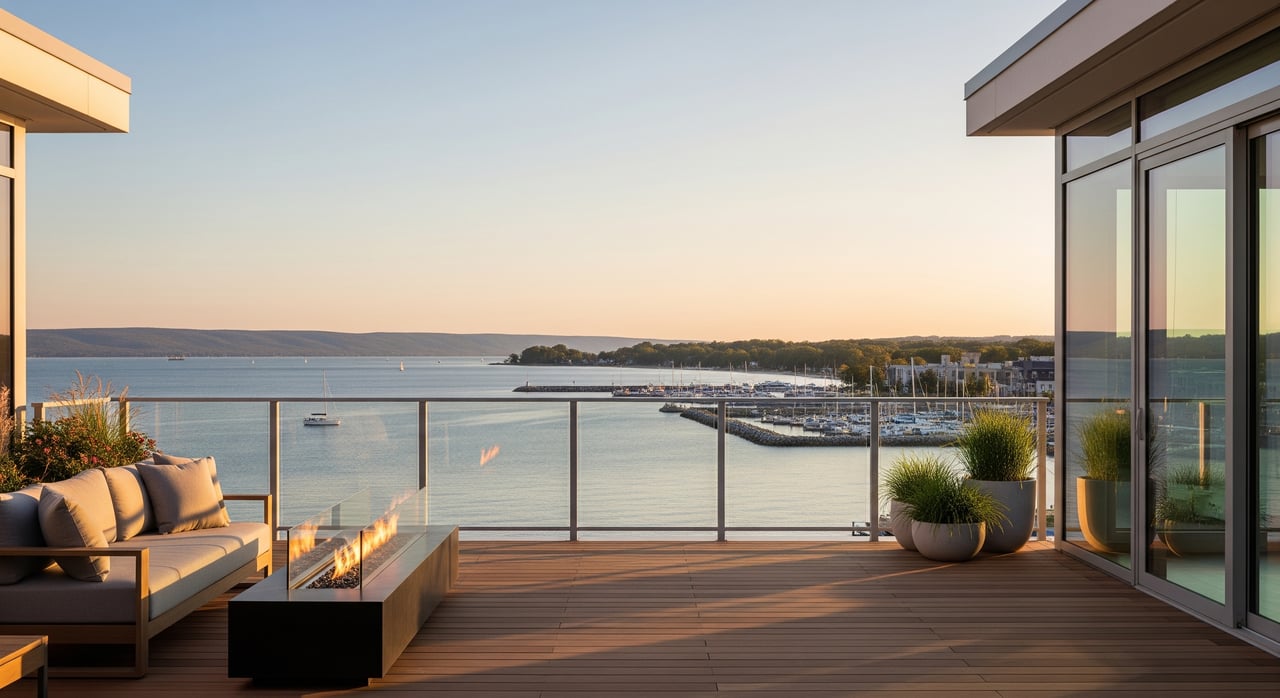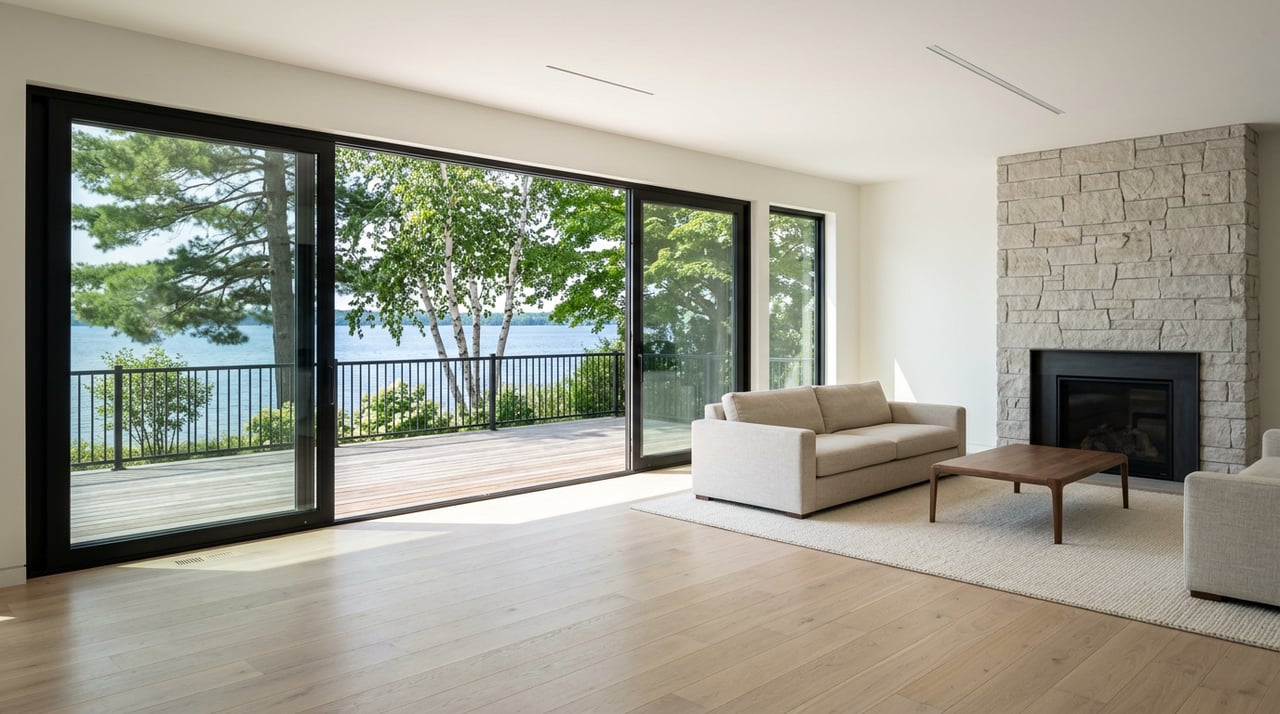
If you have ever wondered why a luxury listing in Traverse City can feel perfectly timed in June but unusually quiet in January, you are not imagining it. This market moves to the rhythm of the seasons, and that matters even more when you are talking about waterfront homes, downtown penthouses, and other high-value properties. When you understand how buyer activity, presentation, and pricing shift throughout the year, you can make better decisions whether you plan to buy or sell. Let’s dive in.
Why seasonality matters in Traverse City
Traverse City is not just a year-round community. It is also a four-season destination shaped by waterfront living, tourism, downtown amenities, and a steady flow of seasonal visitors. Official tourism materials highlight strong demand across summer, fall, winter, and spring, while noting that summer and fall weekends fill quickly.
That seasonal energy matters in real estate. The city sits on East and West Grand Traverse Bay, offers a vibrant downtown with more than 200 locally owned businesses and more than 50 restaurants, and supports a daytime population that is more than twice its official resident count. For luxury and waterfront properties, that creates a very different rhythm than the broader market.
Weather also plays a practical role. NOAA climate normals show a major swing from average January temperatures around 29.3°F and 17.0°F to average July temperatures around 81.3°F and 59.4°F. In a market where views, docks, shoreline access, and outdoor living are part of the value, the season can directly affect how a property shows.
Traverse City luxury vs. the broader market
Before looking at the calendar, it helps to understand that Traverse City luxury already operates as its own micro-market. As of March and April 2026, Traverse City had a median listing price of $462,450, about 529 homes for sale, and a median of 60 days on market.
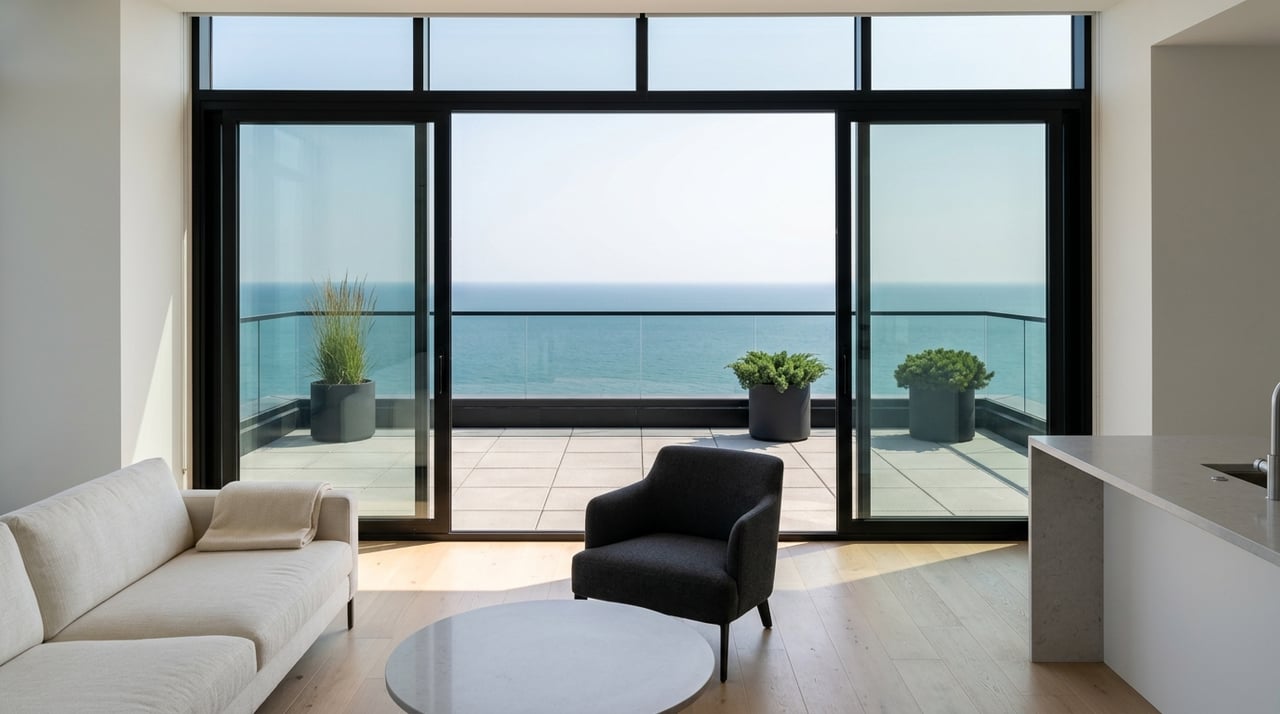
Downtown Traverse City was very different. The median listing price there stood at $1.339 million, with 44 homes for sale and a median of 174 days on market. That gap shows why luxury timing, pricing, and positioning require a more tailored strategy.
For sellers, this means you cannot assume a high-end downtown or waterfront home will move on the same timeline as the average property. For buyers, it means patience and good local guidance matter, especially when inventory is limited and each property offers a different lifestyle.
Spring brings the clearest momentum
If there is one season that tends to signal a market lift in Grand Traverse County, it is spring. The 2025 local MLS-based numbers show closed sales rising from 96 in March to 112 in April and 138 in May. Average sale price climbed too, moving from $452,900 in March to $556,149 in May.
New activity followed the same pattern. May 2025 produced 254 new listings and 111 new pendings, showing a stronger flow of both inventory and buyer commitment. That kind of movement is often the first clear sign that the market is waking up after winter.
The waterfront segment showed the biggest seasonal jump. Waterfront sales moved from 3 in March to 9 in April and 11 in May, while average waterfront sale price rose from $720,500 to $1,268,345 by May. The exact price averages can swing because the number of sales is small, but the direction is still important: spring tends to bring stronger visibility, stronger showing conditions, and stronger buyer engagement.
Why spring works so well
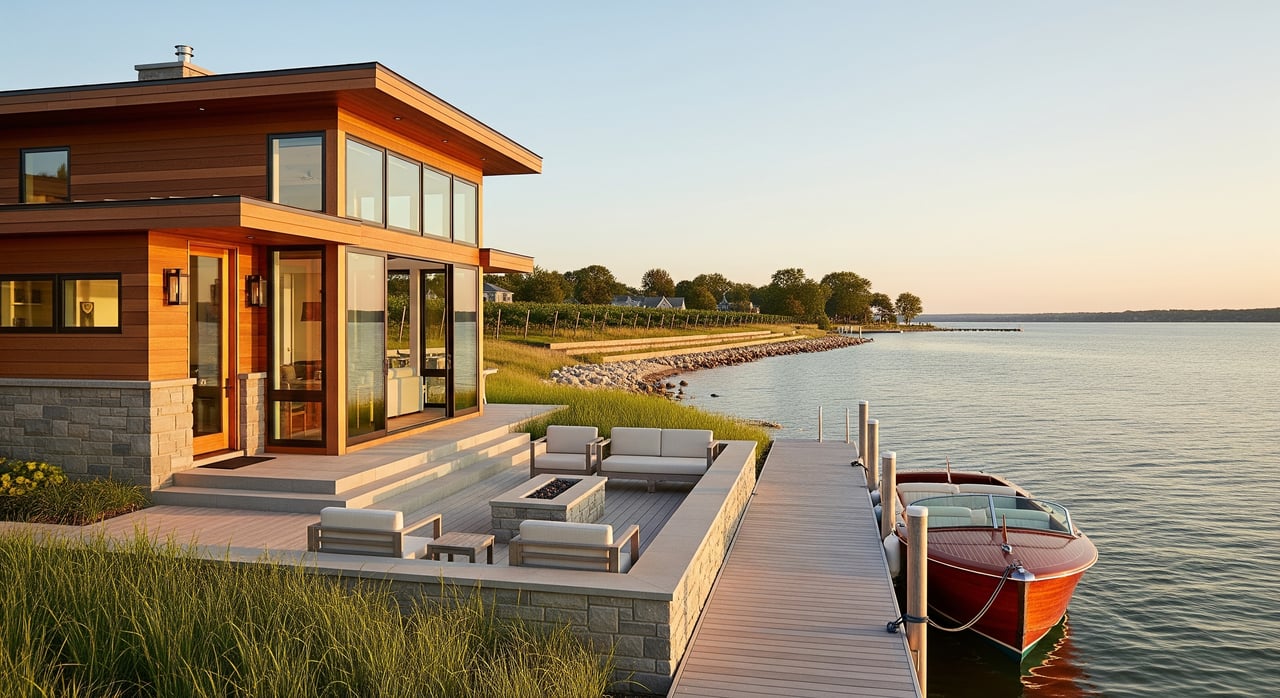
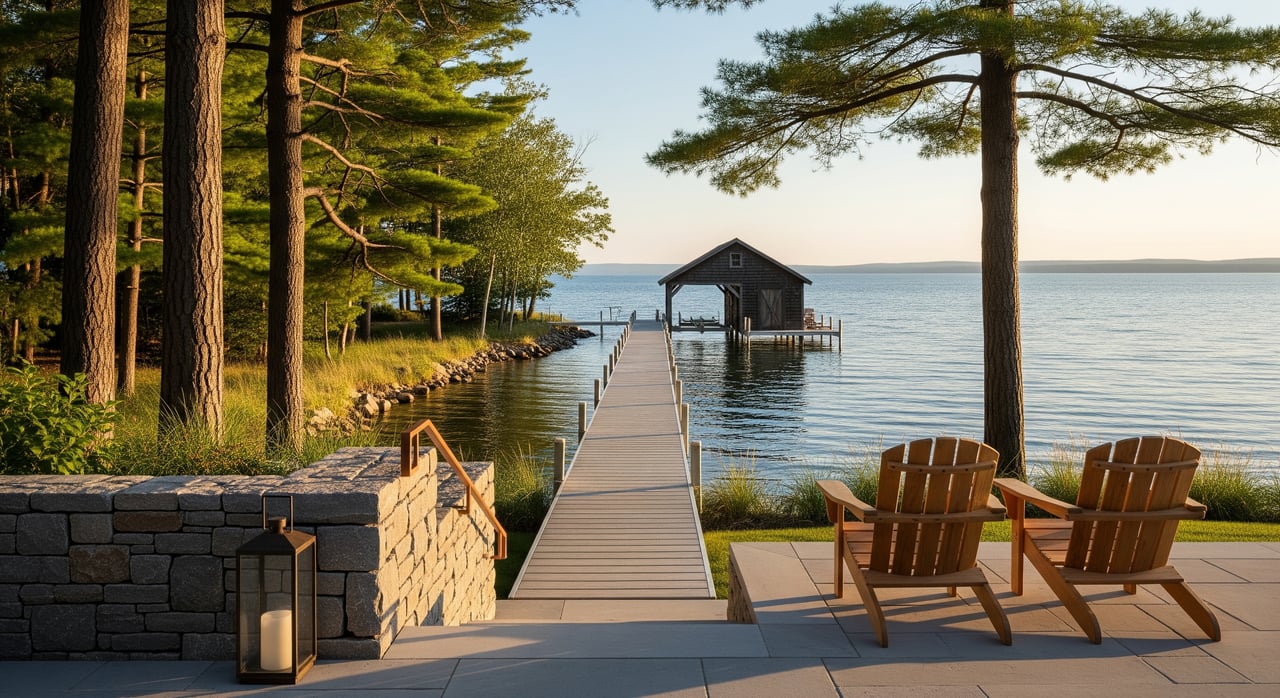
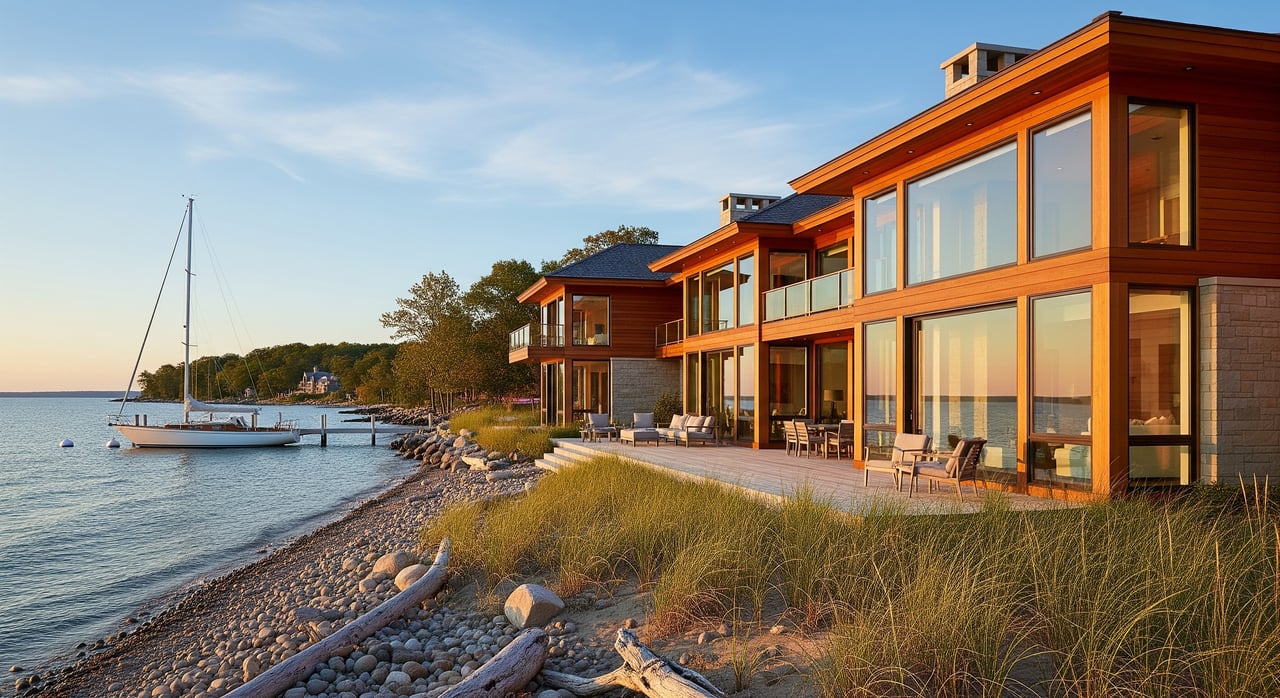
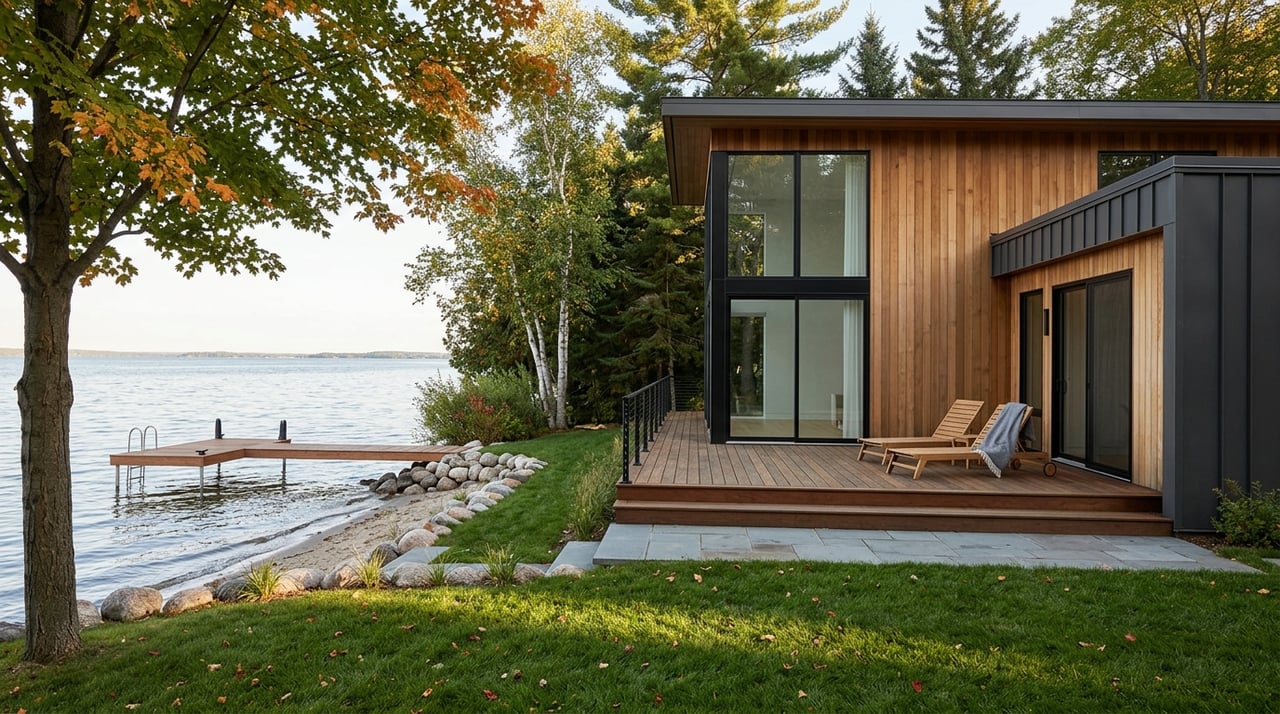
Late spring helps buyers experience what makes a luxury Northern Michigan property special. Shorelines are easier to access, docks and outdoor spaces are more usable, and photography can capture the full lifestyle value of the home.
For sellers, that often makes spring one of the most strategic times to launch. For buyers, it means more choices come to market, but competition can also increase as more shoppers re-enter the market.
Summer stays active, but buyers get selective
Summer keeps Traverse City luxury real estate in motion, especially when buyers are visiting the area and seeing the lifestyle in real time. In Grand Traverse County, closed sales remained strong in 2025 with 147 in July and 156 in August.
Still, summer does not mean every luxury property moves quickly or commands top dollar automatically. In a small-sample segment like waterfront and high-end homes, pricing depends heavily on the specific mix of homes selling that month. A few major closings can move the average sharply.
What summer does tend to deliver is exposure. More visitors are in town, more second-home shoppers are touring the area, and more buyers can fully experience views, boating access, walkable downtown amenities, and outdoor living spaces. That makes summer powerful for well-prepared listings, especially those with strong presentation and realistic pricing.
Summer is about presentation
In a luxury market, timing alone is not enough. A waterfront home that is beautifully staged, professionally photographed, and positioned to highlight shoreline, views, and seasonal use will usually benefit more from summer demand than a listing that feels underprepared.
That is especially true in Traverse City, where lifestyle value is central to the purchase decision. Buyers are not just comparing square footage. They are comparing experience.
Fall remains healthy, then begins to cool
Early fall still offers meaningful activity, but the pace usually starts to ease after peak visitor season. In Grand Traverse County, closed sales were 137 in September 2025, and the market still recorded 155 new listings and 87 new pendings.
At the same time, average price moved down from $580,111 in July to $492,409 in September. Waterfront sales also tapered from 18 in July to 9 in September. That does not mean the market turned weak. It means the rush softened, and buyers became more selective.
For sellers, fall can still be a very good window if your property shows well with seasonal color, bay views, and cozy interior spaces. For buyers, it can be a useful period to act with a little more breathing room than peak summer often allows.
Winter is slower, but not inactive
Winter brings the most visible slowdown in Grand Traverse County. Closed sales fell from 138 in October 2025 to 120 in November and 104 in December. December also showed just 91 new listings and 66 new pendings.
That pattern is consistent with what many buyers and sellers experience on the ground. Weather can make touring more difficult, waterfront access is less immediate, and some out-of-market second-home buyers pause until spring.
Still, winter is not a dead market. It is simply a narrower market. At the Northwest Michigan level, year-end reporting noted stronger overall 2025 sales activity but also softer waterfront pricing, more new listings, longer market times, and an average of 99 days on market for active listings that had not yet accepted an offer.
What winter means for sellers
If you list in winter, pricing and preparation become even more important. Buyers have fewer distractions, but they also tend to be more deliberate. A home that is overpriced or not presented carefully may sit.
On the other hand, serious winter buyers are often highly motivated. If your property meets a very specific need, winter can still produce meaningful opportunities.
What winter means for buyers
Winter can offer more leverage. With fewer active buyers competing, you may have more room to negotiate, especially if you are comfortable with fewer available listings and less-than-ideal showing conditions.
For many luxury buyers, this is the season to look closely, ask better questions, and move without the pressure of peak-season crowds. The tradeoff is simple: less competition, but also less inventory.
Early spring often signals the reset
The market began to re-accelerate in early 2026. Grand Traverse County closed sales rose from 66 in January to 91 in February, then held at 84 in March. Average sale price also increased from $420,276 in January to $469,263 in March.
That kind of pattern reflects the classic spring ramp-up. Even before the busiest late-spring period arrives, inventory and buyer attention often begin building in the first quarter.
If you are planning ahead, this shoulder season can be valuable. Sellers can prepare for a stronger launch, while buyers can monitor new inventory before the most competitive stretch arrives.
Waterfront and downtown do not move the same way
One of the biggest mistakes in luxury real estate is treating all premium property types the same. In Traverse City, waterfront and downtown luxury often respond differently to the calendar.
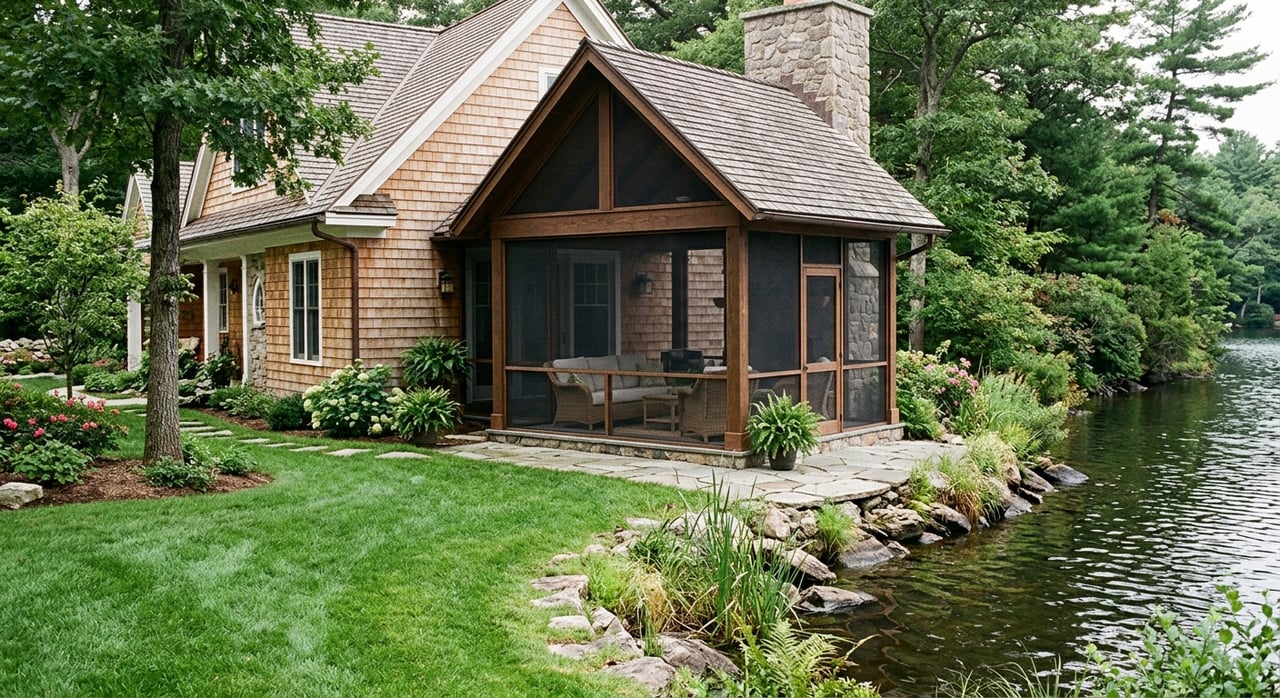
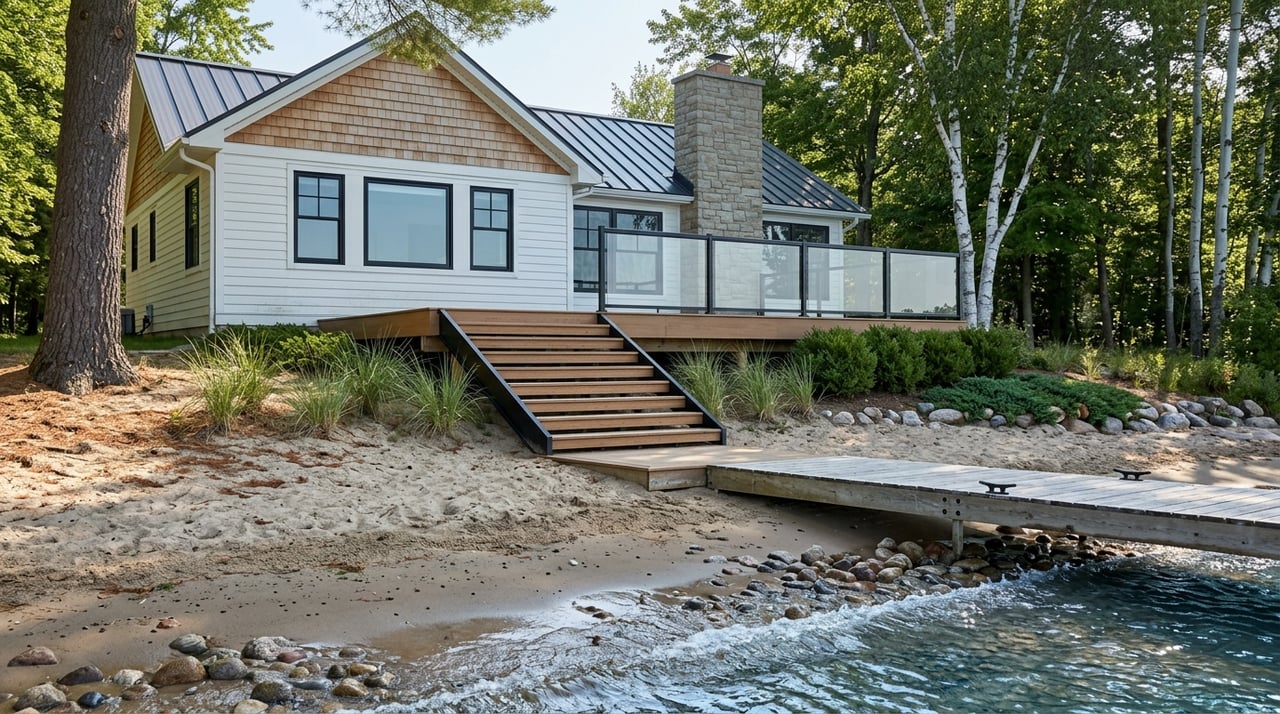
Waterfront homes are especially tied to showing conditions and lifestyle visibility. In late spring and early summer, buyers can better understand shoreline access, lake views, docks, and outdoor living. That is one reason spring waterfront numbers often show such a strong lift.
Downtown luxury has a more year-round audience because of restaurant, retail, and walkability demand. But that does not mean it moves quickly. As of March 2026, downtown Traverse City showed a median of 174 days on market versus 60 days citywide.
That longer timeline matters. A downtown condo or penthouse may attract buyers in every season, but the pool is still smaller, and pricing discipline still matters.
What this means if you are selling
If you are selling a luxury or waterfront property in Traverse City, seasonality should shape your strategy, not control it. The best timing depends on your property type, your goals, and how well the home can be presented in that season.
In general, late spring into early summer often gives waterfront sellers the strongest combination of visibility, buyer traffic, and lifestyle appeal. Buyers can see the home as it is meant to be lived in, and that often supports stronger engagement.
If you are selling downtown luxury, the timeline may be less tied to the lake season but still highly sensitive to pricing and positioning. With a smaller buyer pool and longer market times, preparation is essential in every month of the year.
A smart selling plan usually includes:
- Timing the launch around when your property will show at its best
- Using strong visual presentation to highlight lifestyle value
- Pricing with local micro-market conditions in mind
- Staying realistic about days on market in the luxury segment
What this means if you are buying
If you are buying in Traverse City’s luxury market, the best season depends on what matters most to you. If you want the widest selection and the clearest look at waterfront lifestyle, spring and summer usually offer the best experience.
If you care more about negotiation room and less competition, late fall and winter may be worth considering. You may have fewer choices, but the pace is often calmer and sellers may be more open to thoughtful offers.
Either way, it helps to read the market directionally rather than react to one month of pricing. In a smaller luxury segment, averages can move sharply because just one or two closings can change the numbers. The better question is whether the season is producing more qualified buyers, better showings, and stronger overall momentum.
The bottom line on seasonal luxury timing
Traverse City’s luxury market does not follow a simple rule like “summer is always best” or “winter is always a bargain.” The real pattern is more nuanced. Spring and early summer usually bring the strongest exposure and the broadest buyer pool, while fall and winter can create more selectivity, more patience, and sometimes more negotiating room.
That is why local context matters so much. Waterfront homes, downtown properties, and other lifestyle-driven listings each respond differently to the season, and the right move depends on your goals as much as the calendar.
If you are thinking about buying or selling a luxury property in Traverse City, working with a team that understands local timing, presentation, and micro-market behavior can make a real difference. The Shawn Schmidt Group offers boutique, senior-level guidance for waterfront, downtown, and lifestyle property decisions across Northern Michigan.
FAQs
When is the best season to list a waterfront home in Traverse City?
- Late spring into early summer is often the strongest window because buyers can better experience docks, shoreline, views, and lake access, and the local visitor season brings more in-person traffic.
Is winter a bad time to buy luxury property in Traverse City?
- Not necessarily. Winter usually has fewer active buyers, which can create more negotiating room, but you may also see fewer listings and more challenging showing conditions.
Do luxury home prices in Traverse City always rise in summer?
- No. In luxury and waterfront segments, monthly averages can swing because the number of sales is small, so it is more useful to watch buyer activity, showing quality, and overall market momentum.
Why do downtown Traverse City luxury properties take longer to sell?
- Downtown luxury has strong year-round appeal, but higher price points and a smaller buyer pool can lead to longer market times than the broader city market.
Does spring usually bring more luxury market activity in Grand Traverse County?
- Yes. Local MLS-based reports showed a clear lift in spring, with more closed sales, more new listings, and stronger waterfront activity as the market moved out of winter.
Should Traverse City luxury buyers and sellers look at citywide data alone?
- No. Citywide figures provide useful context, but downtown luxury and waterfront homes often behave differently, so micro-market trends are more helpful for planning a strategy.