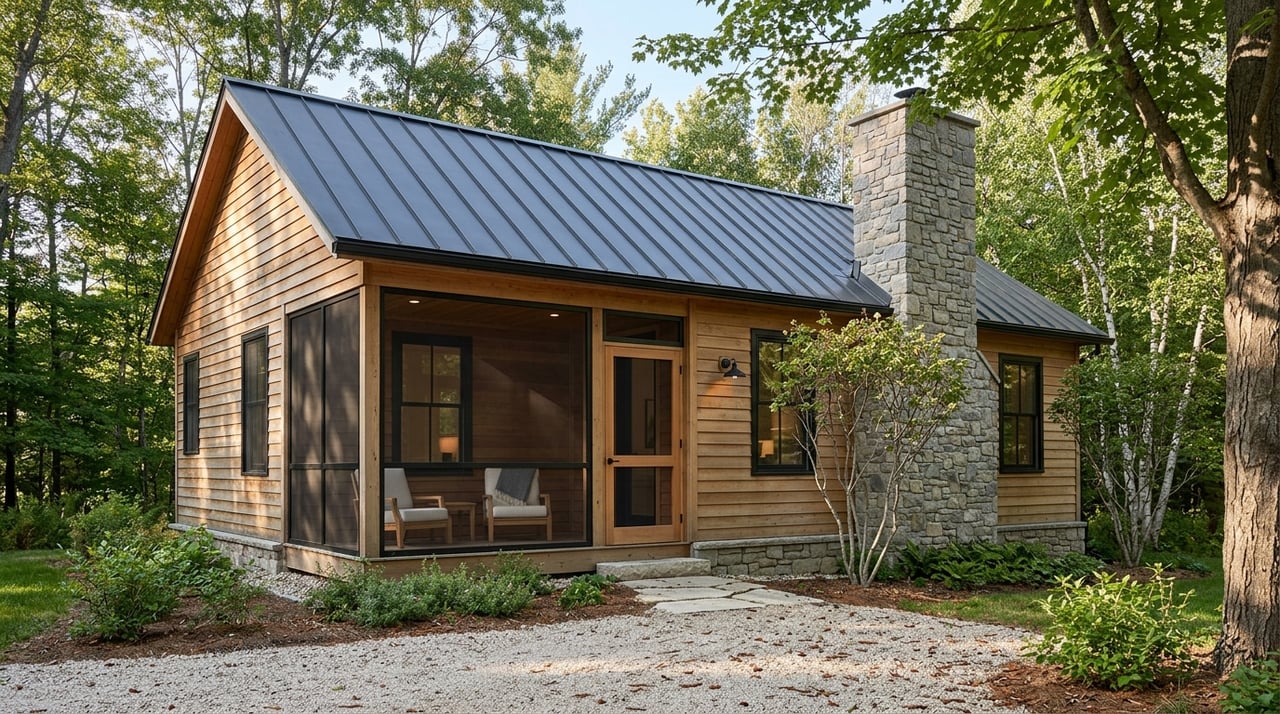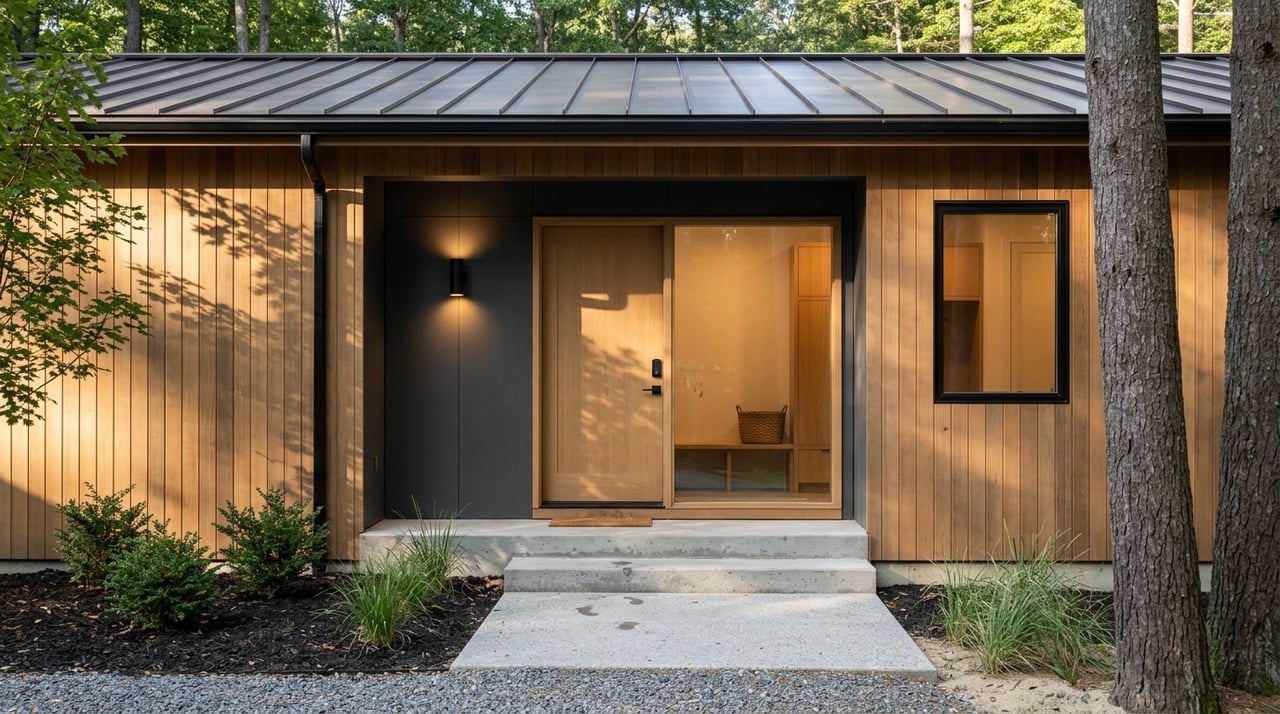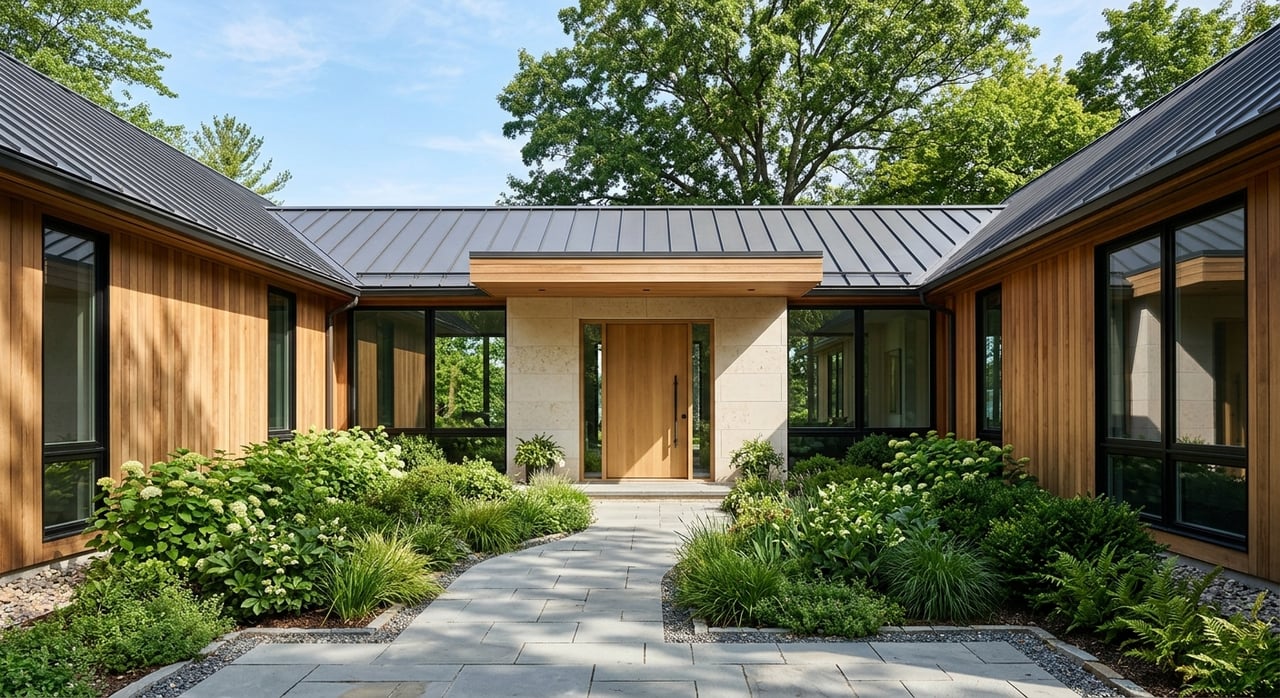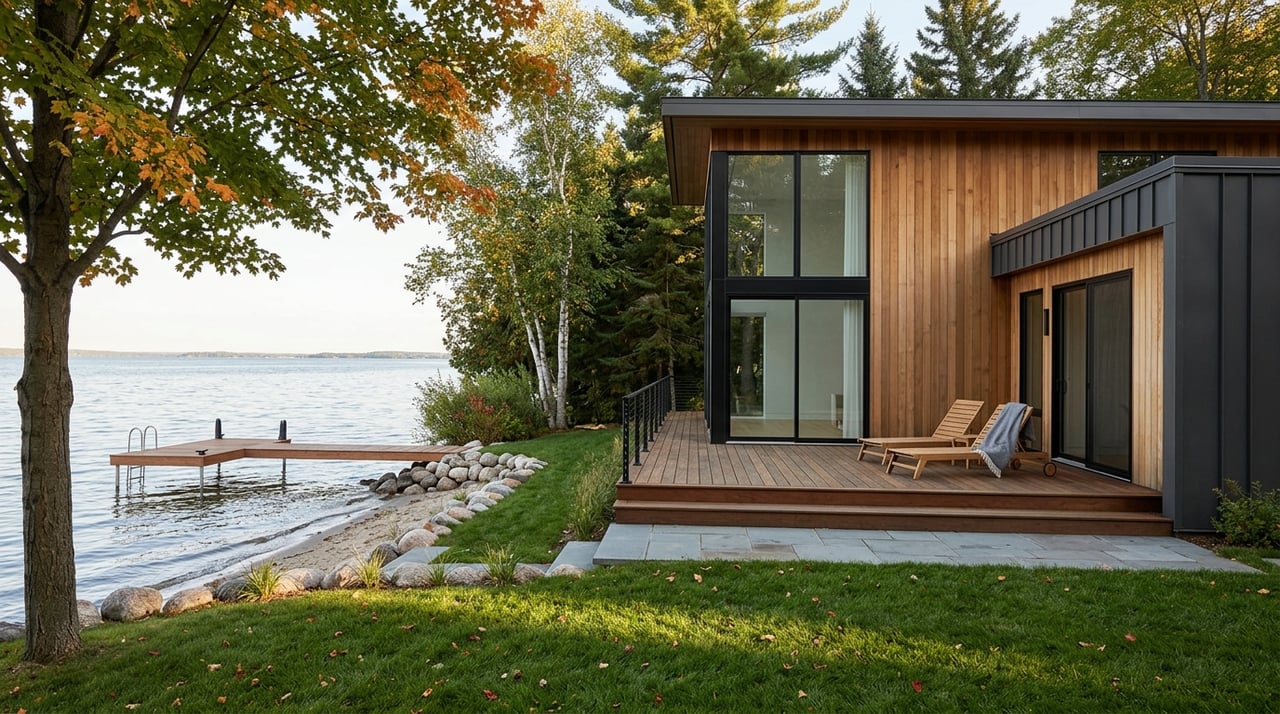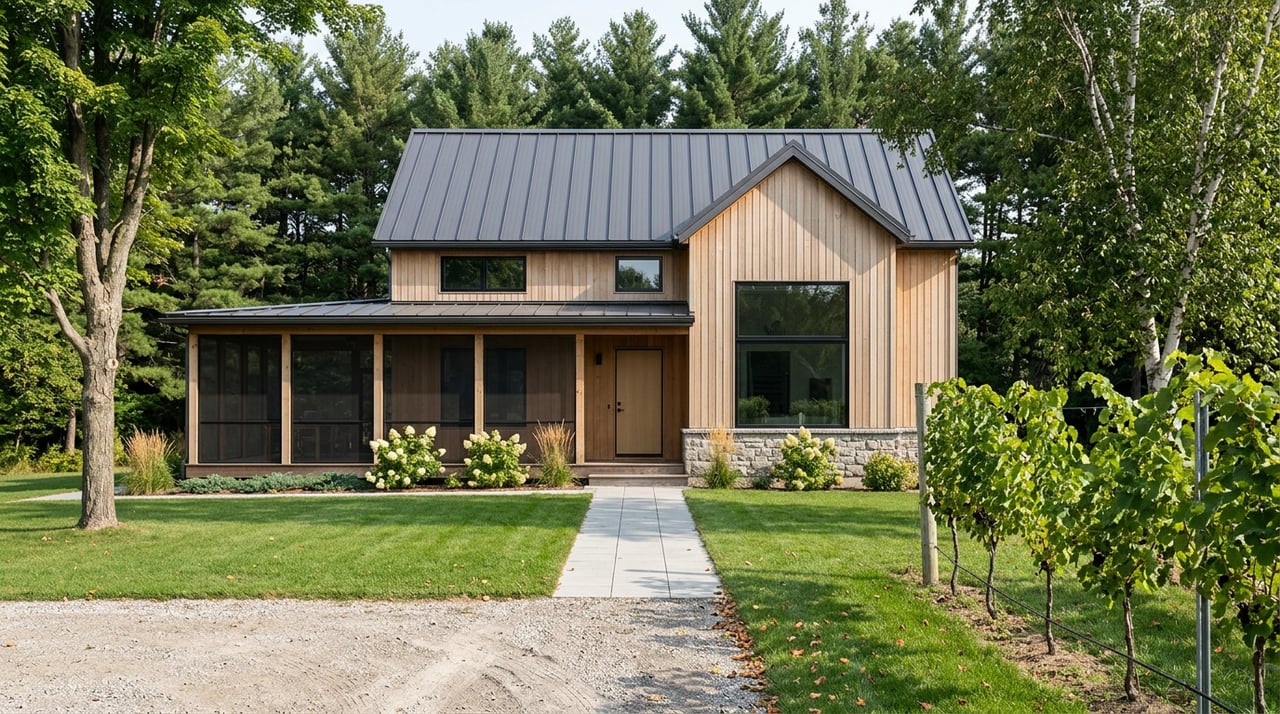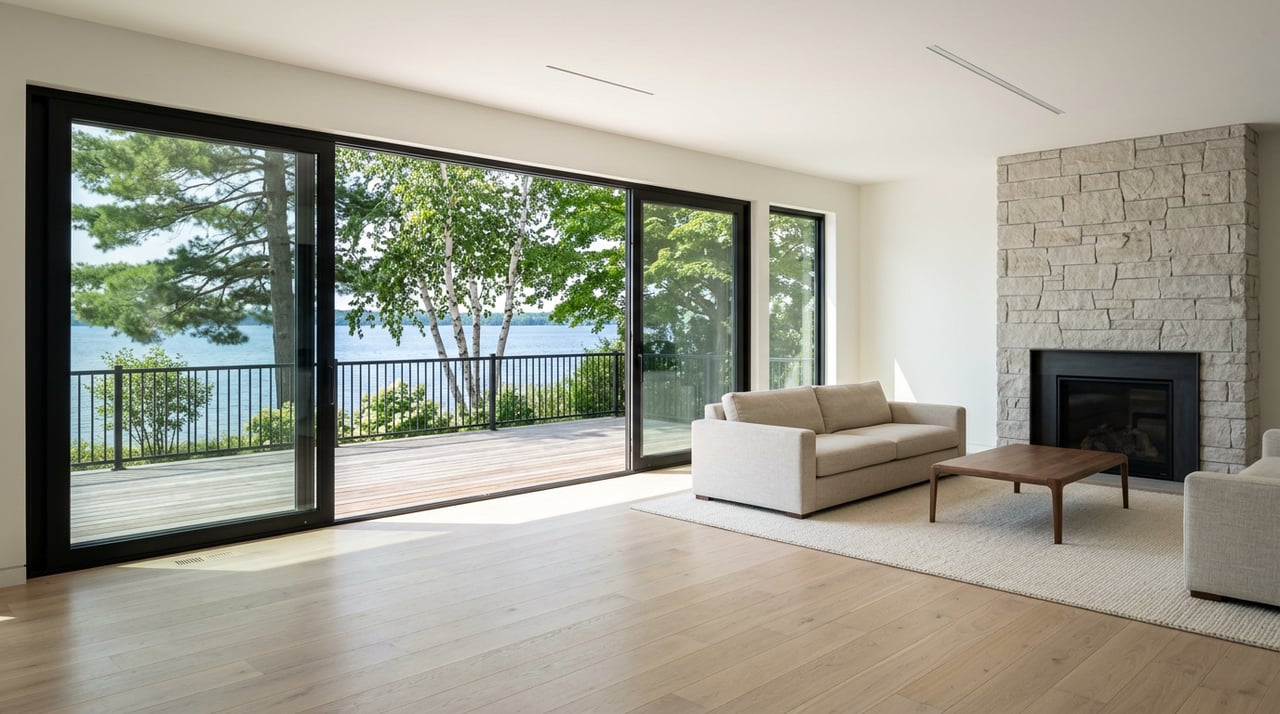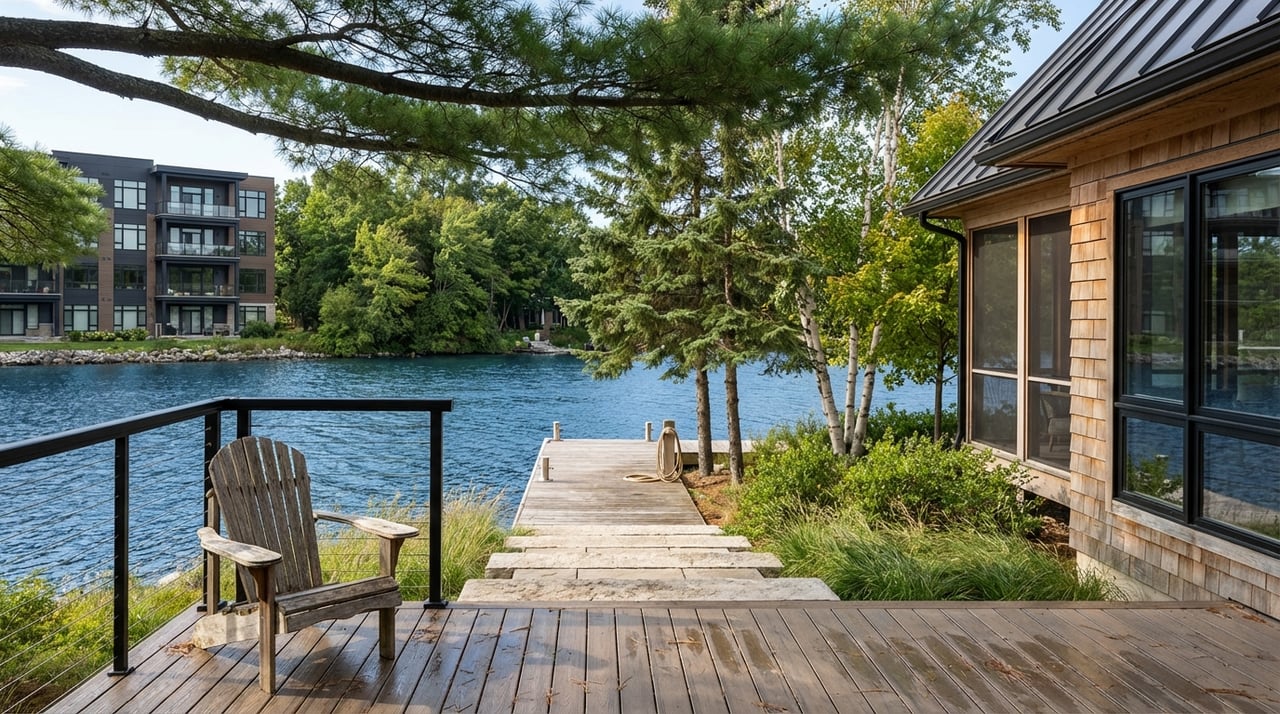
If you own a vineyard or orchard home on Old Mission, getting it ready for market takes more than fresh mulch and good photos. Buyers are often drawn to the peninsula for its fruit-growing heritage, water-shaped setting, and distinctive lifestyle, but they also tend to ask detailed questions about land use, wells, septic systems, and what the property can actually support. When you prepare early and present the property clearly, you can reduce surprises and help buyers see both the home and the land with confidence. Let’s dive in.
Why Old Mission homes need special prep
Old Mission Peninsula is not just a scenic address. It is a recognized fruit-growing region with a long history of cherries, peaches, plums, apples, berries, and grapes, and the Old Mission Peninsula AVA helps support that identity. For sellers, that means your property story should reflect the setting in a factual, specific way.
A vineyard or orchard home also tends to invite deeper review than a typical residential listing. Buyers may look beyond the house itself and want records tied to plantings, outbuildings, permitted uses, and land restrictions. On Old Mission, market-ready means visually polished, well documented, and carefully described.
Start with records and disclosures
Before photos or listing copy, organize the paperwork. Michigan’s Seller Disclosure Act applies to most transfers of one to four residential dwelling units and requires a written seller disclosure statement. The law also makes clear that the disclosure is not a warranty and does not replace inspections.
For many Old Mission properties, the standard disclosure is only the beginning. A more complete property file can help buyers understand the home, acreage, and improvements without guessing. That added clarity often supports a smoother transaction.
Build a property file early
Start gathering documents as soon as you begin thinking about selling. County and township processes can take time, and some septic and permit-related requests may take days or even weeks to complete. If you wait until you are ready to go live, your listing timeline can get pushed back.
A useful property file may include:
- Seller disclosure statement
- Well records and water-related documents
- Septic records and inspection information
- Land use permits or approvals
- Variance or special-use permit records, if applicable
- Land division records, if applicable
- Development-rights or preservation-related documents
- Records for outbuildings or other site improvements
- Existing lease, crop-share, or vendor agreements, if any
Check well and septic status early
On Old Mission, well and septic questions often come up quickly. Grand Traverse County evaluates well locations, issues well construction permits, and maintains on-site septic system records. The county also notes that many local permitting agencies require a well-and-septic status form.
If records do not exist, a third-party inspection may be required. That is one reason early preparation matters so much. You want time to locate documents, order forms, and address any issues before your listing hits the market.
Understand the 2026 transfer rule
As of January 1, 2026, Grand Traverse County requires a time-of-transfer evaluation for homes with a well and or septic system when the dwelling is within 300 feet of surface water. The evaluation must be completed by a Grand Traverse County Health Department certified evaluator and approved before the sale or transfer is finalized. If a component is not approved, corrections must be made first.
Because Old Mission is shaped by surrounding water, many sellers should check this threshold early in the prep process. Waiting until you have an accepted offer could create delays that affect closing.
Review private well information
Private well owners are responsible for protecting water quality. Michigan EGLE recommends routine testing and notes common concerns such as coliform bacteria, nitrate, nitrite, hardness, and certain metals. If your well records are incomplete, the Wellogic database may have construction records for wells drilled in Michigan since 2000.
Even when testing is not required for listing, having current information can help you answer buyer questions with more confidence. It also shows that you have cared for the property in a thoughtful, proactive way.
Confirm zoning and land-use history
Peninsula Township treats agricultural land use as an active issue, and its ordinance materials reflect ongoing updates related to farm processing, farm stands, rentals, signage, exterior lighting, and building height. The zoning office also handles matters such as land use permits, variances, special-use permits, land division, home occupation permits, barn storage, and private road applications.
That means buyers and their advisors may want proof that current or past uses were properly permitted. If the property has features tied to agriculture, events, rentals, or a home-based use, gather the records now rather than scramble later.
Watch for preservation restrictions
Some Old Mission parcels may have agricultural preservation or development-rights restrictions through township programs. If your property is affected, those details should be disclosed and explained clearly. Restrictions do not automatically reduce interest, but unclear restrictions can create hesitation.
The key is accuracy. If a buyer understands the property from the start, they can evaluate it based on facts instead of assumptions.
Present both the home and the land
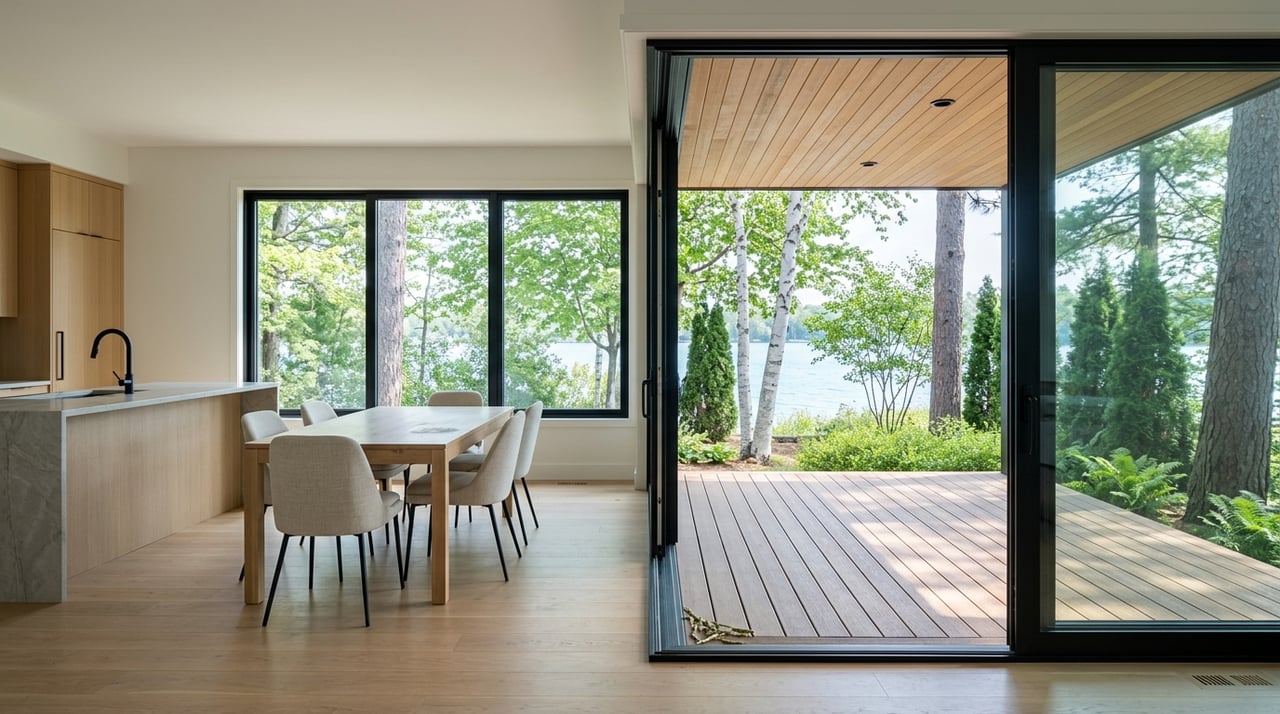
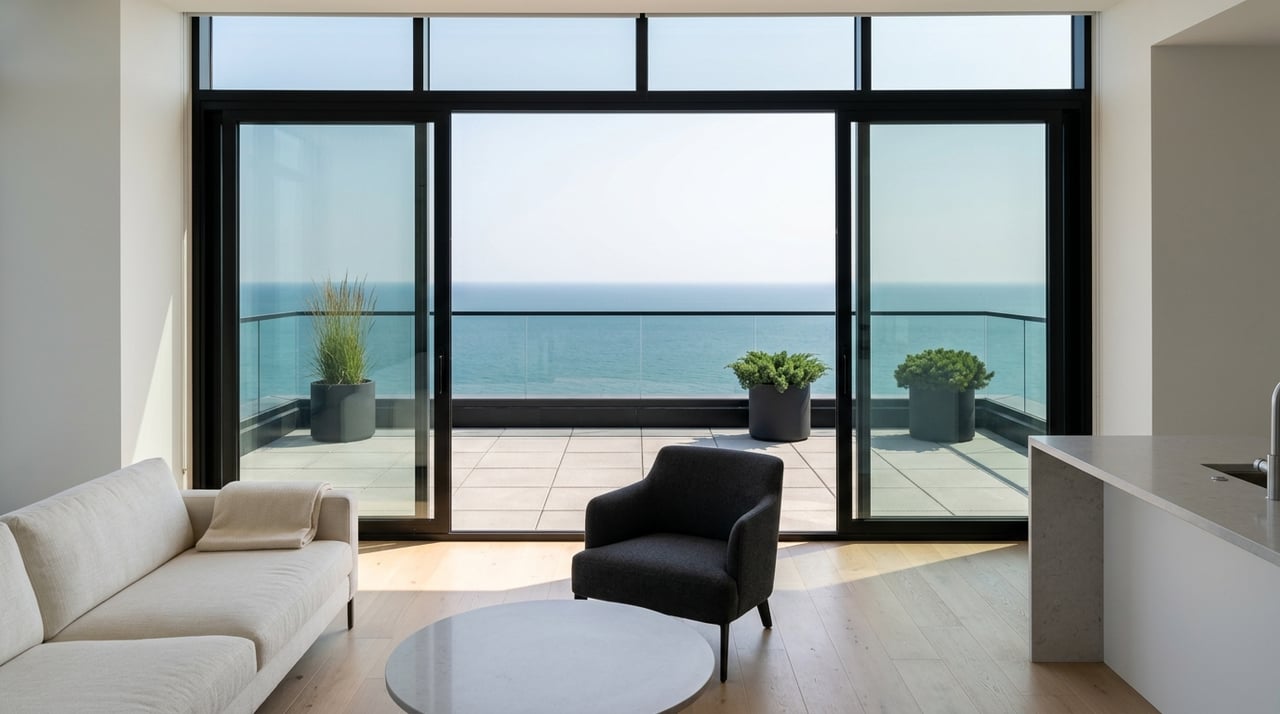
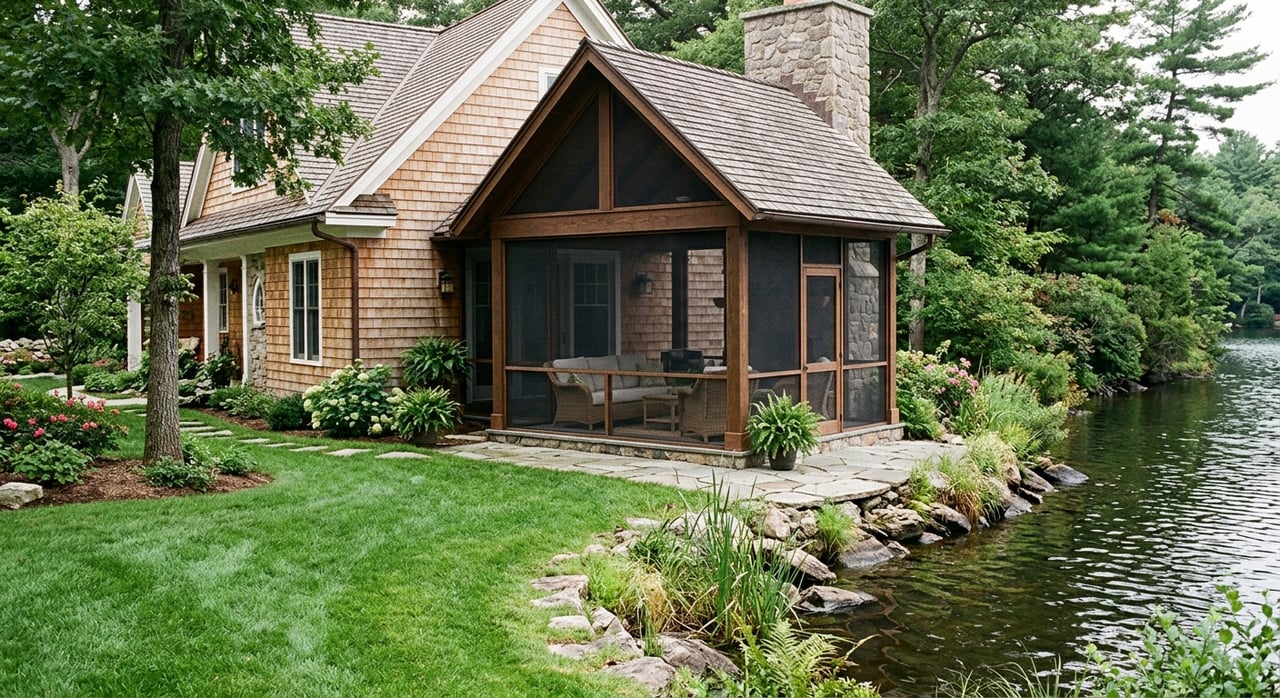
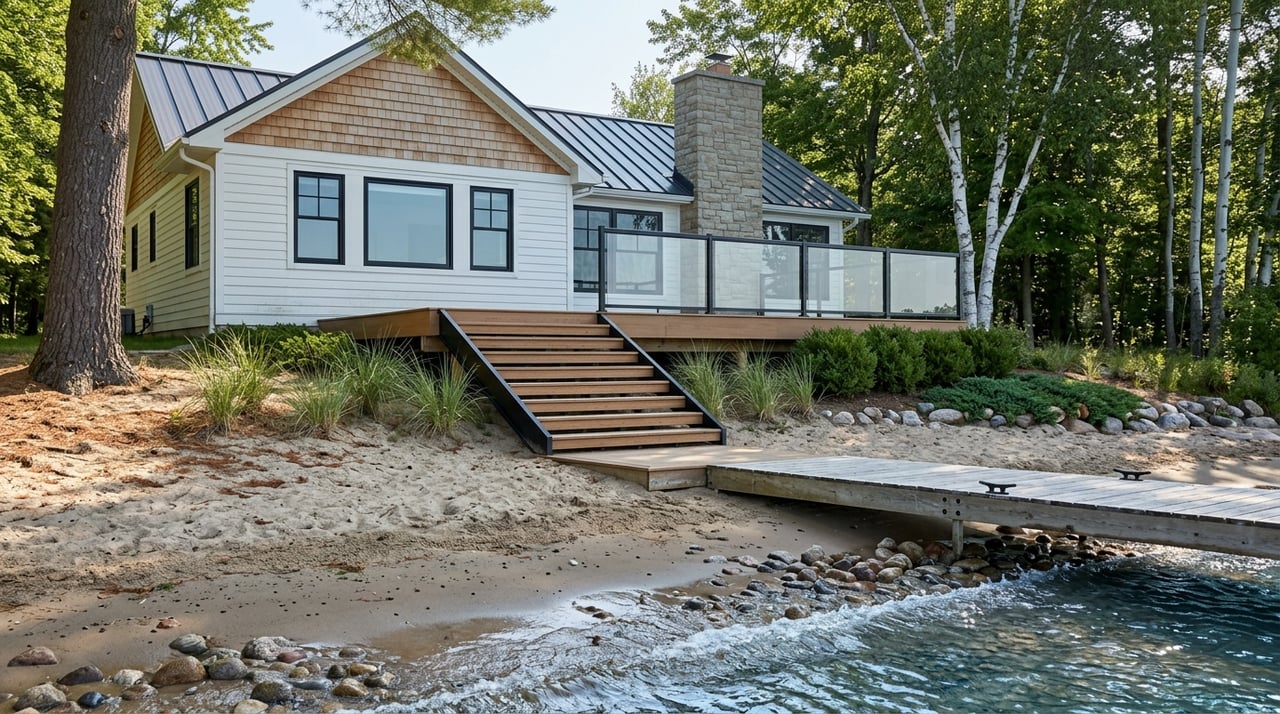
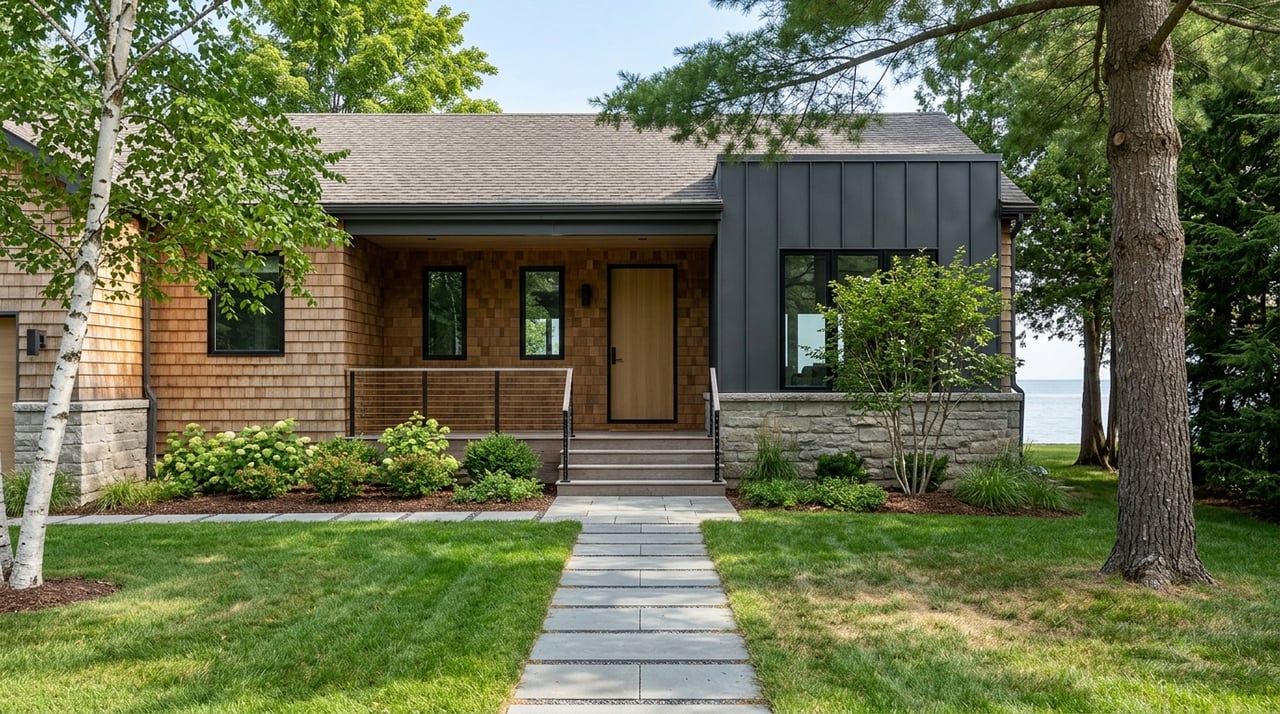
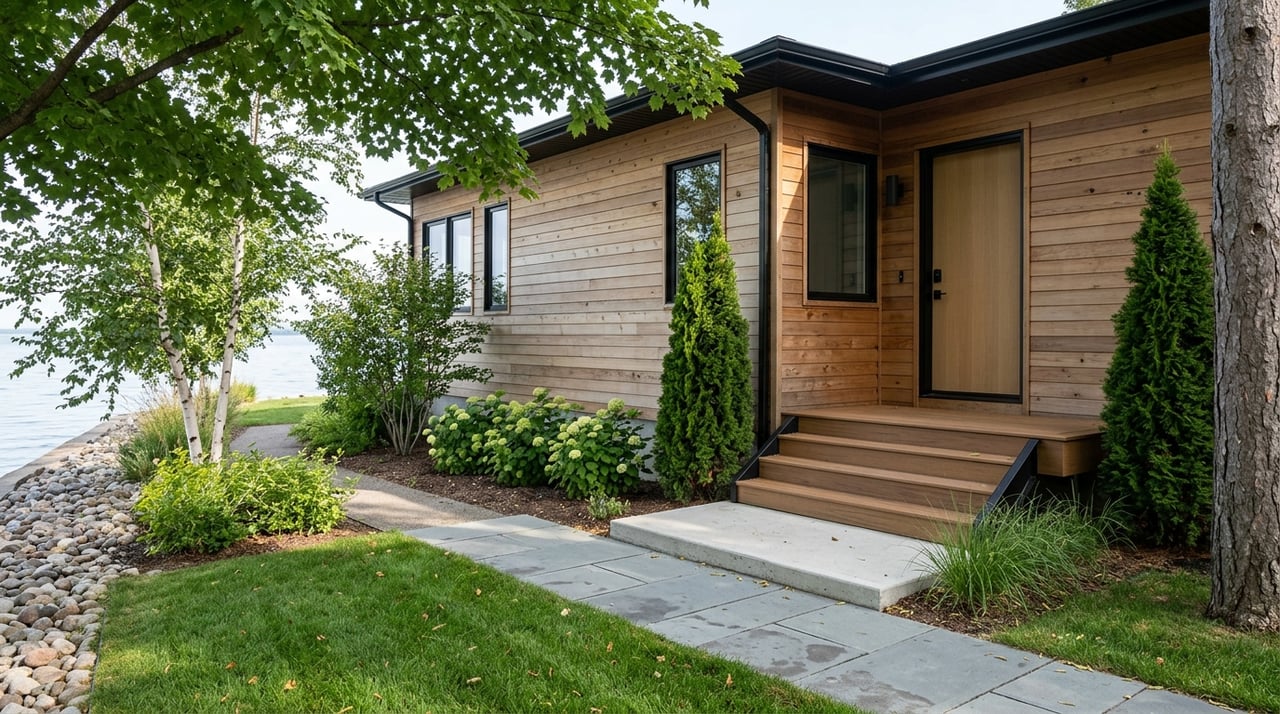
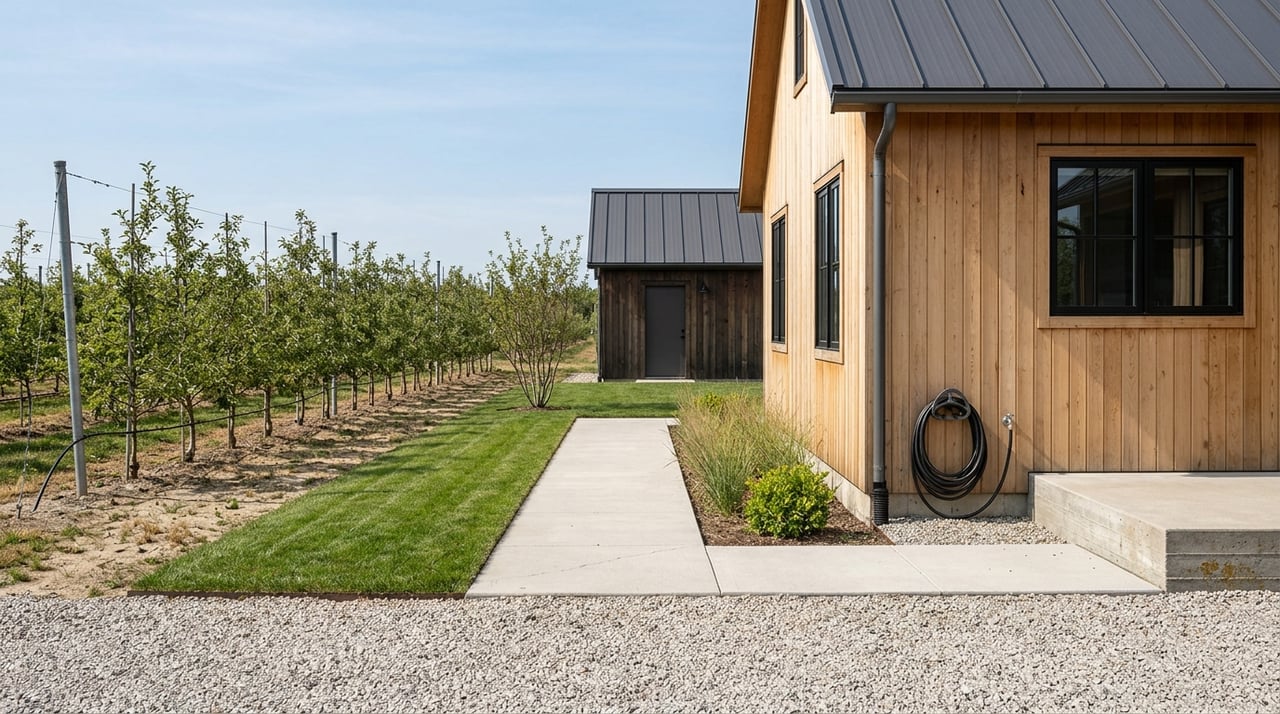
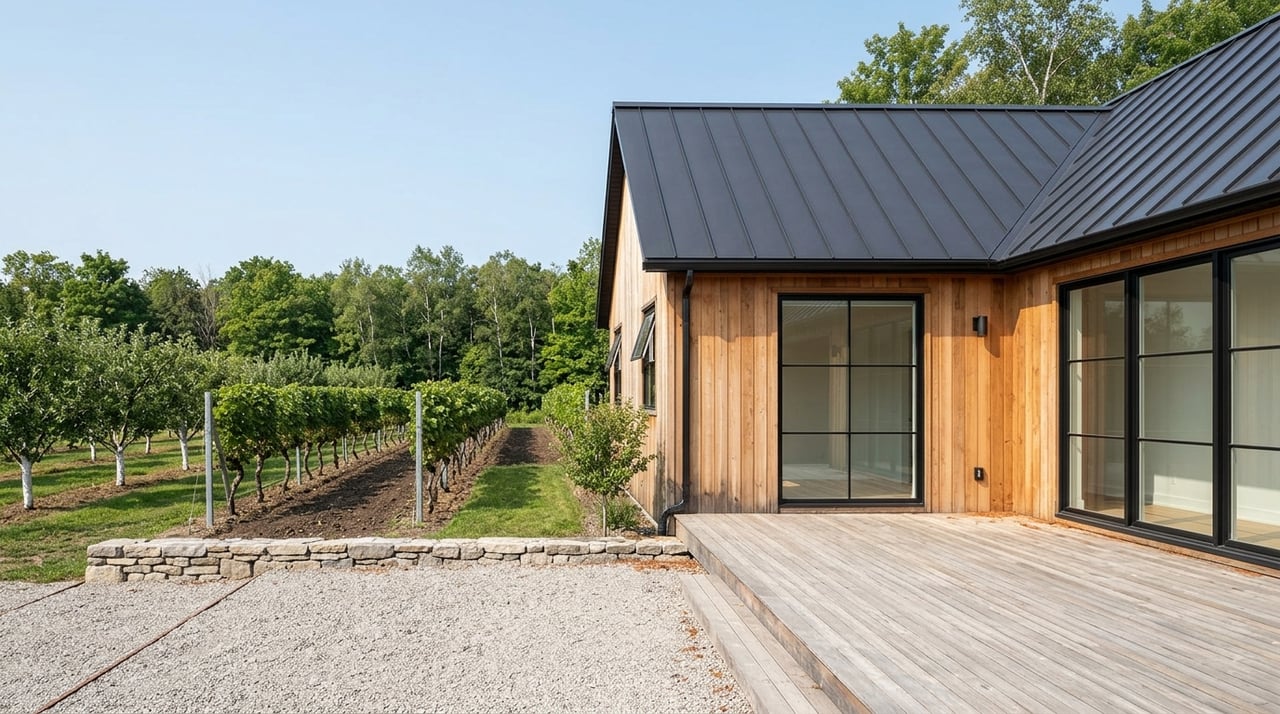
Most buyers begin their search online, and photos are one of the most important parts of a listing. For a vineyard or orchard home, your images need to do more than show clean interiors. They should help buyers understand how the residence connects to the land.
This is where thoughtful presentation can make a major difference. A strong listing package should show the property as a complete experience, not as a house with extra acreage in the background.
Focus on the most important exterior views
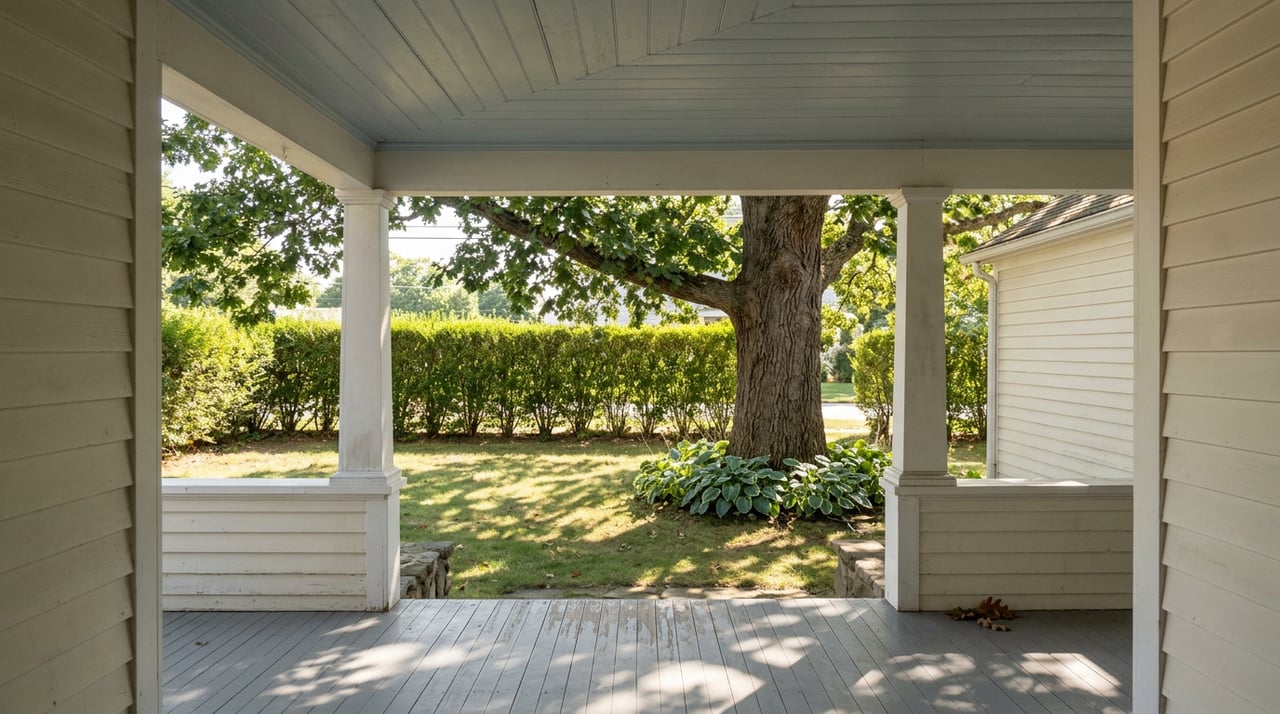
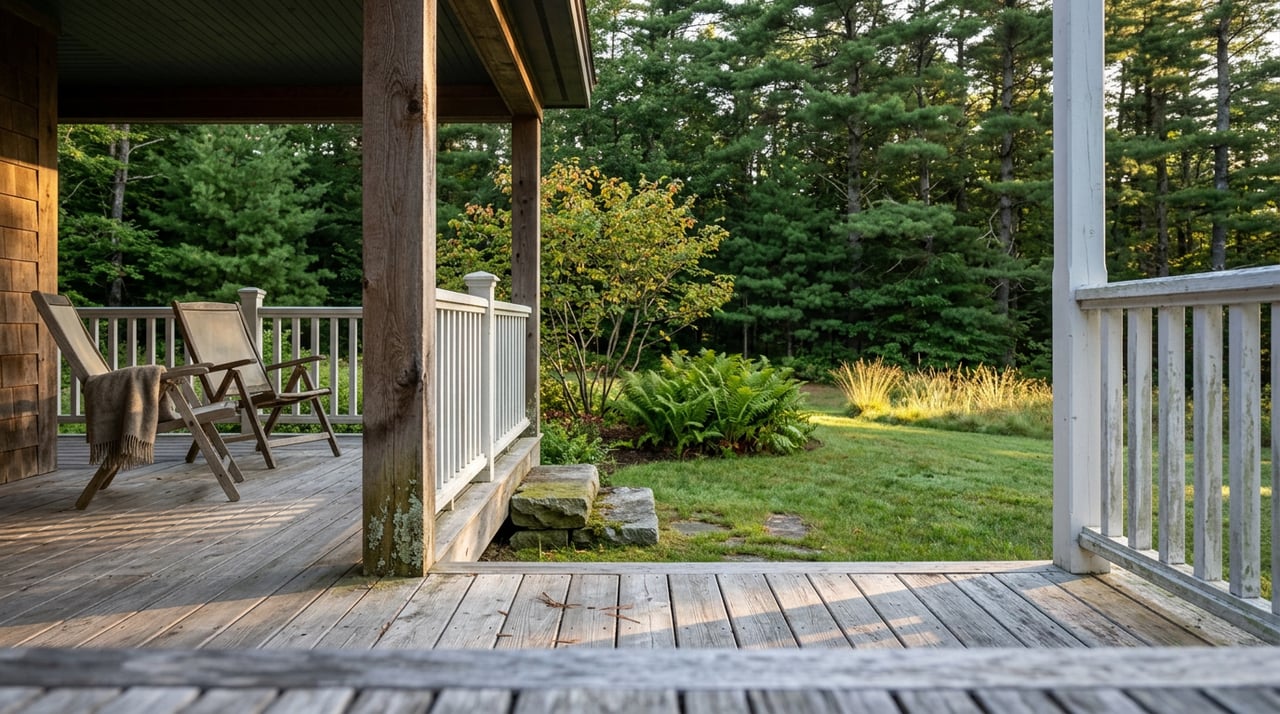
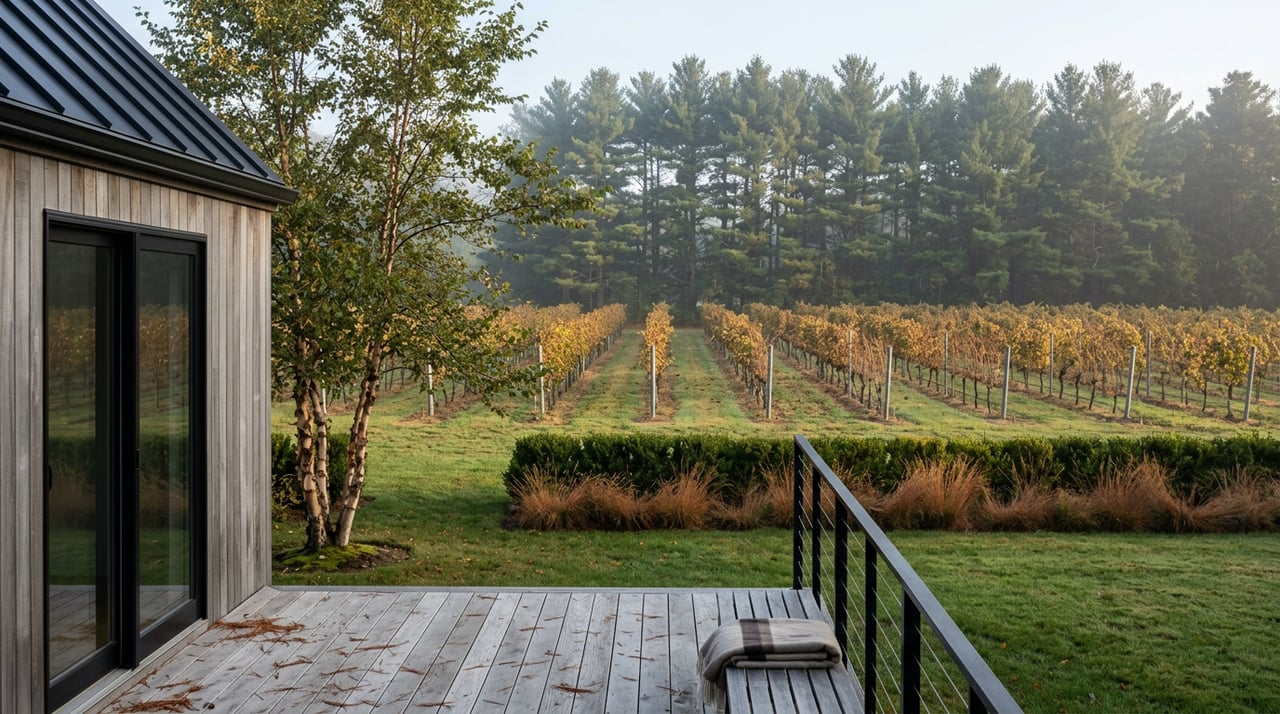
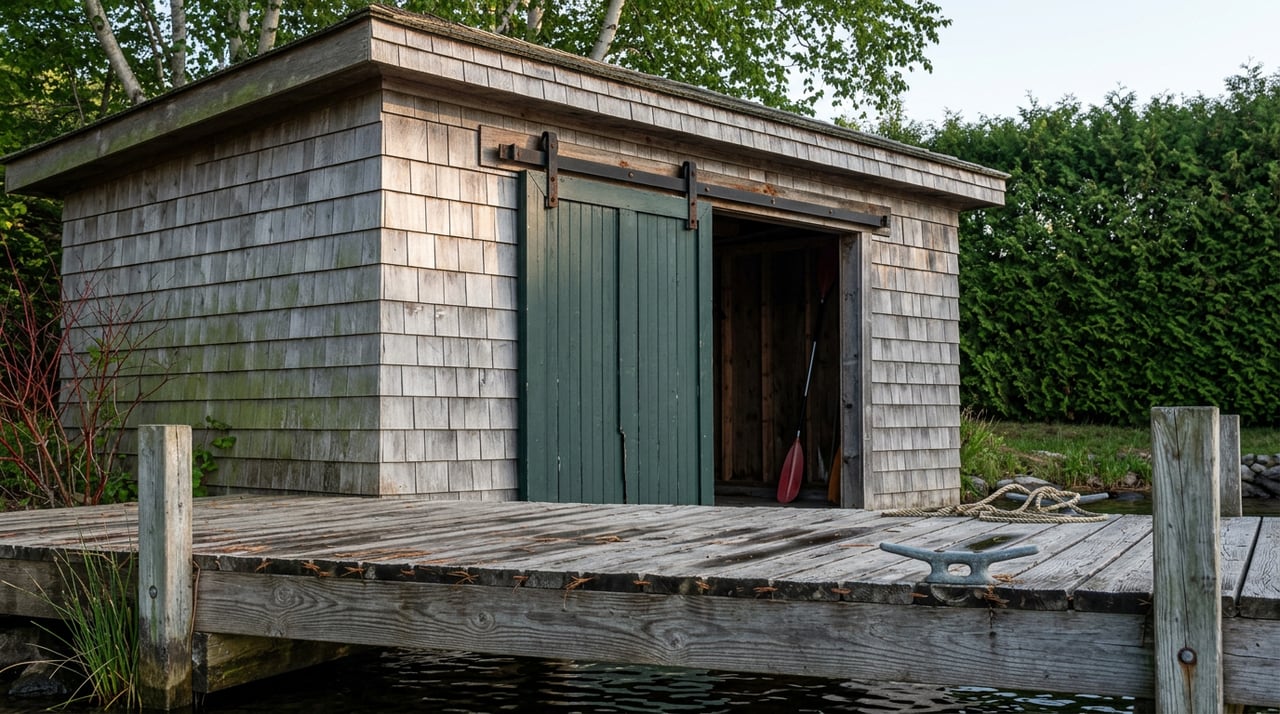
Outdoor spaces matter on these properties. Buyers often respond to the drive-in approach, row lines, view corridors, outbuildings, patios, terraces, and the transition between living spaces and planted acreage.
Before photography, consider the basics that improve clarity and visual flow:
- Declutter porches, patios, garages, and barn areas
- Clean windows, siding, hardscapes, and outdoor furniture
- Refresh landscaping near the home entry
- Trim or tidy areas that block key sightlines
- Remove broken tools, unused containers, and visual distractions
- Make outdoor seating areas feel intentional and usable
Use staging where it counts most
If full-home staging is not practical, focus on the spaces buyers notice first. Professional cleaning, decluttering, minor repairs, depersonalizing, and curb appeal improvements can go a long way. On acreage, these basics help buyers process the home and the land at the same time.
For many Old Mission properties, the goal is not to over-style the setting. It is to make the property feel cared for, functional, and easy to understand.
Write a listing story with specifics
Generic words like “private,” “stunning,” or “one-of-a-kind” do not do enough work for a property like this. Buyers want to know what is actually there. Specific, factual details build more trust and help attract the right audience.
For example, the property story may be stronger when it includes:
- Grape varieties or orchard types
- Approximate age of plantings
- Usable acreage
- Slope or sun exposure
- Outbuildings and their function
- Outdoor living areas tied to the landscape
- Whether the setup fits hobby production, estate-style enjoyment, or another documented use
Keep marketing aligned with records
This point matters. Do not imply winery, tasting, event, rental, farm stand, or commercial orchard potential unless permits and records support that use. Peninsula Township’s ongoing ordinance work shows that these are active local land-use topics, so careful wording protects both your listing and your transaction.
Aspirational marketing can still be elegant and effective. It just needs to stay grounded in what the property is and what the records support.
Prepare for buyer questions before they ask
The strongest listings often answer key questions up front. Some buyers are looking for a ready-made lifestyle property, while others want to understand whether the land supports a particular use. In either case, early clarity can keep interest moving forward.
Be ready to address practical questions such as:
- What is the water source?
- What does the septic system support?
- Are there recorded easements?
- Are there development-rights or preservation restrictions?
- Are there leases, crop-share agreements, or vendor relationships?
- What uses are permitted under current township zoning?
- Are there permits for any rental, farm stand, event, tasting, or home-business use?
If you can answer these questions with organized documentation, buyers are more likely to view the property as well managed and easier to pursue.
Plan your timeline backward
A polished listing launch often starts weeks before the sign goes up. Health department materials note that permit issuance and site evaluations can take up to 30 days, and some related forms can take up to ten business days to complete. That timeline should shape your prep calendar.
A practical sequence often looks like this:
- Gather disclosure, zoning, and ownership documents
- Request well and septic records
- Check whether a time-of-transfer evaluation may apply
- Confirm any permits tied to agricultural or other site uses
- Complete cleaning, repairs, and exterior touch-ups
- Stage key rooms and outdoor areas
- Schedule professional photography and final marketing prep
When you prepare in this order, you reduce the chance that a great visual launch gets stalled by missing paperwork.
Why this prep can protect your sale
Old Mission buyers are often drawn in by beauty first, but they usually move forward based on confidence. Clear records, accurate marketing, and polished presentation help them understand what they are buying and how the property fits their goals.
That is especially important for distinctive homes where the land is part of the value story. When you match strong visuals with disciplined preparation, you create a better experience for buyers and a more controlled path to closing for yourself.
If you are thinking about selling a vineyard or orchard home on Old Mission, the right strategy starts with details. The team at Shawn Schmidt Group brings local knowledge, elevated property presentation, and hands-on guidance to help you prepare your property for a confident launch.
FAQs
What documents should you gather before listing a vineyard or orchard home on Old Mission?
- Start with the Michigan seller disclosure statement, then add well and septic records, zoning or permit documents, land division records if applicable, preservation or development-rights documents, and any agreements tied to the land or its use.
What should you know about well and septic rules in Grand Traverse County before selling?
- Grand Traverse County keeps well and on-site septic records, and if records are missing, a third-party inspection may be required. As of January 1, 2026, some homes within 300 feet of surface water must complete a time-of-transfer evaluation before the sale is finalized.
How should you market an Old Mission vineyard or orchard property?
- Focus on factual details such as plantings, acreage, outbuildings, outdoor living areas, and how the home connects to the land. Avoid implying uses like events, rentals, tastings, or commercial operations unless records support them.
Why do Peninsula Township permits matter when selling Old Mission property?
- Buyers may ask whether current or past uses were properly permitted, especially for features tied to agriculture, rentals, farm stands, signage, exterior lighting, or other land-use questions addressed by township ordinances.
How far in advance should you prepare an Old Mission property for sale?
- Start several weeks ahead of your target listing date because permit issuance and site evaluations can take up to 30 days, and some forms may take up to ten business days to complete.