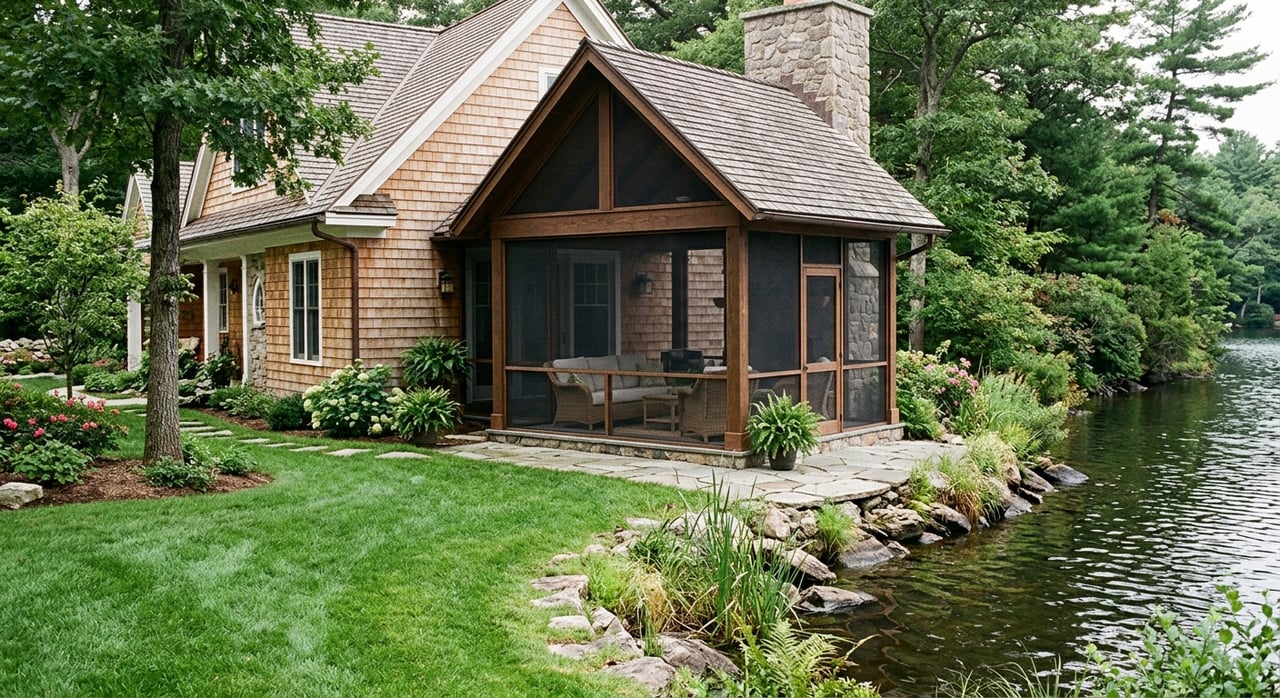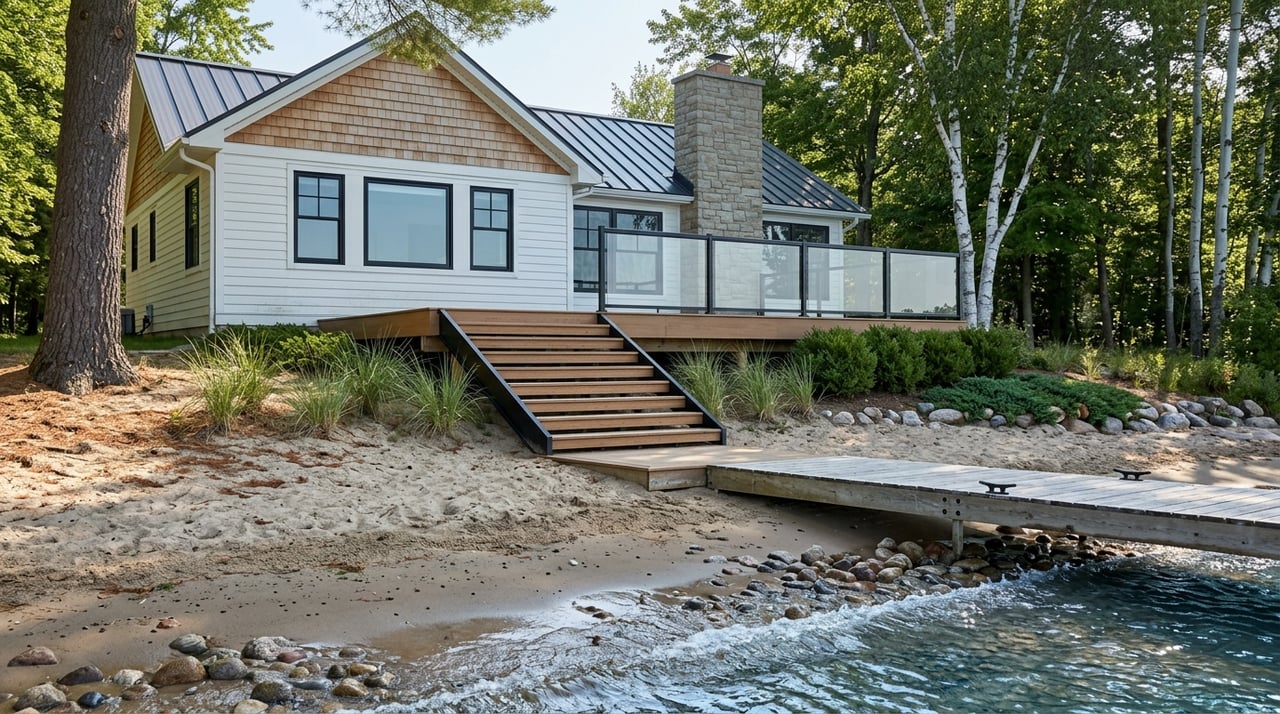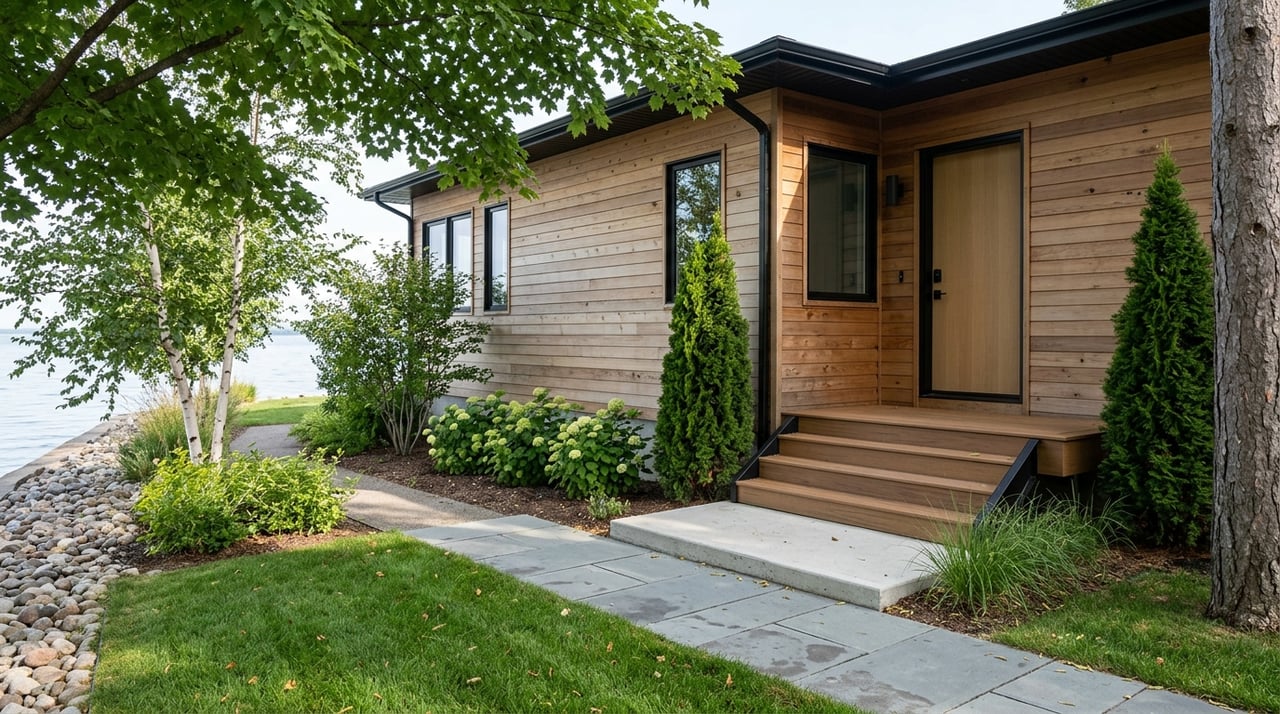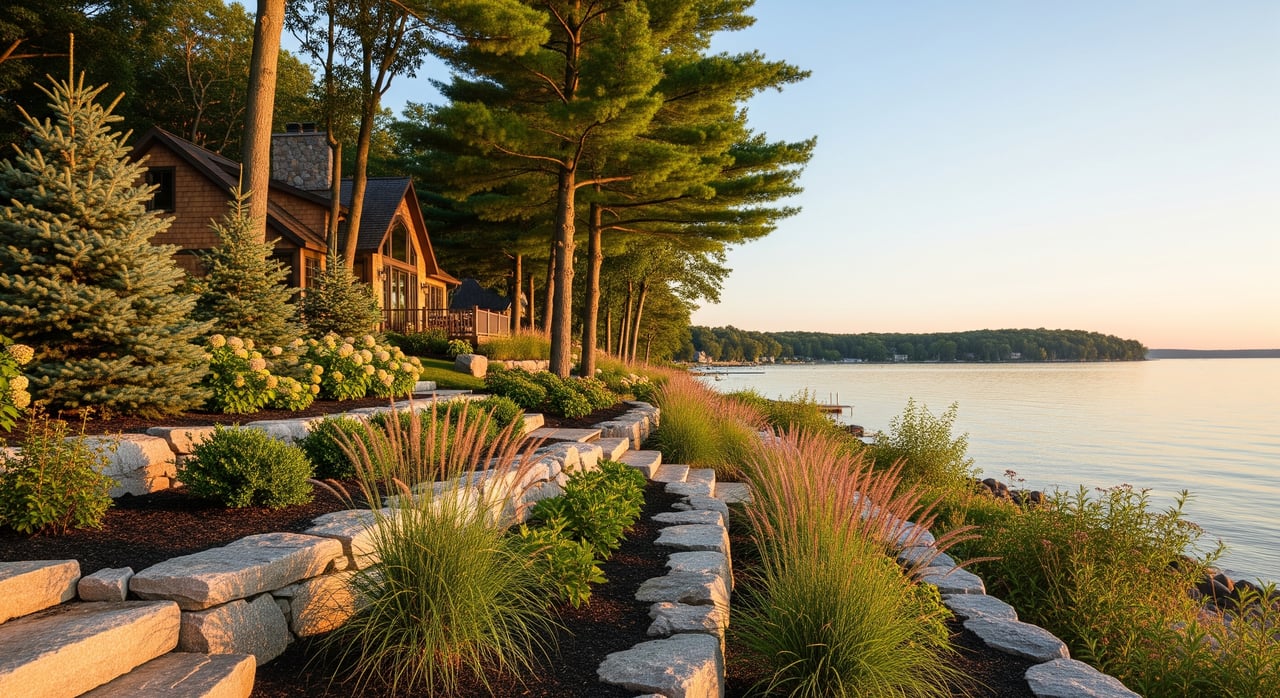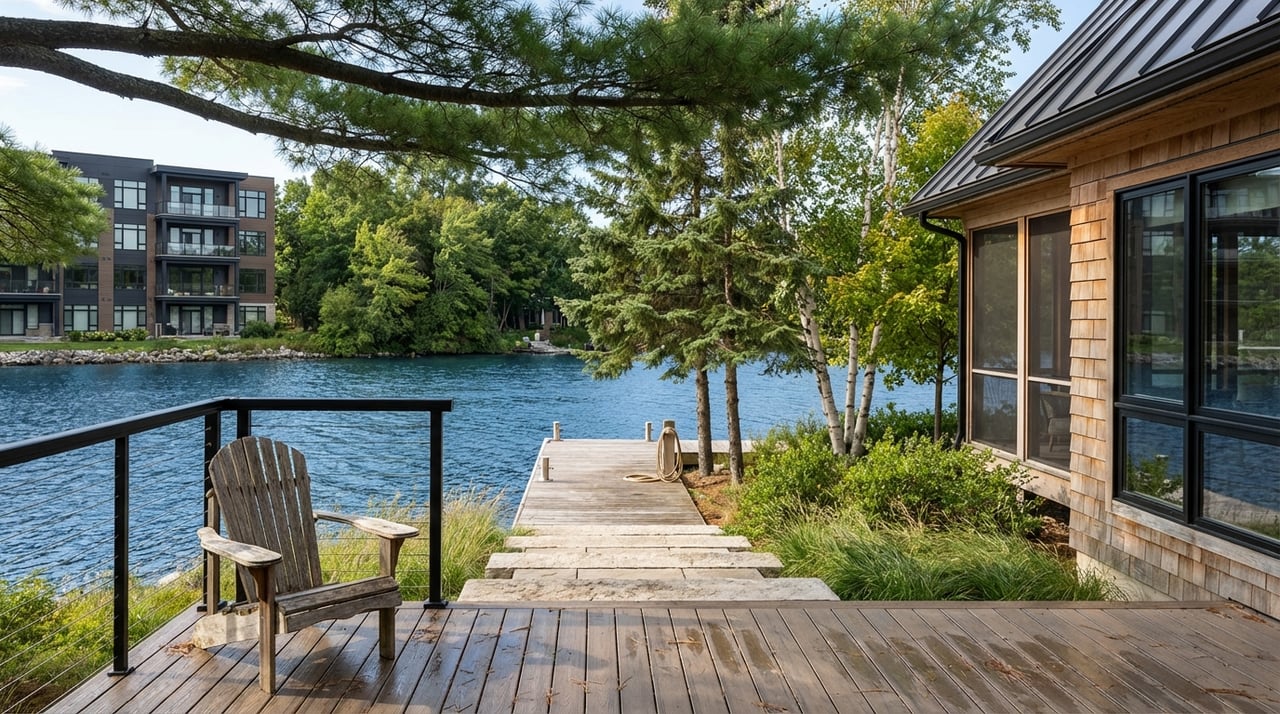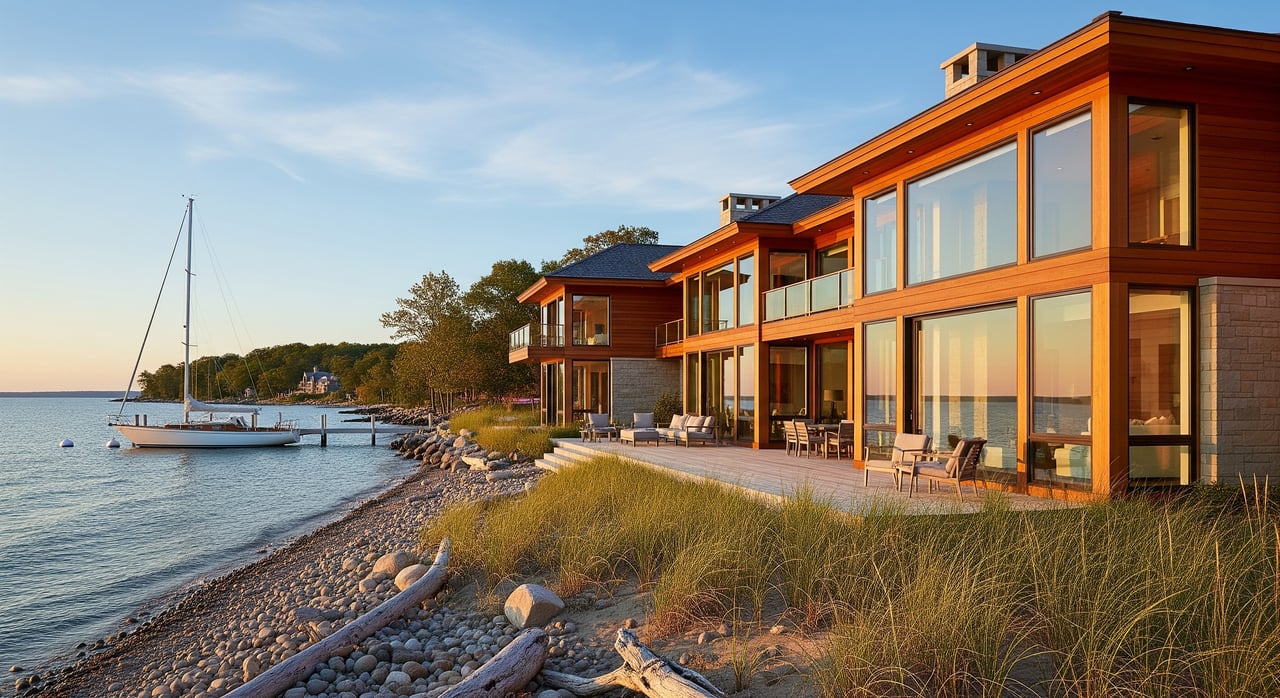
Waves, ice, and runoff can quietly eat away at your Lake Charlevoix shoreline. If you own waterfront in Charlevoix, you want to protect your property without losing the natural beauty that drew you here. In this guide, you’ll learn what works, what requires permits, and how to plan a lake‑friendly project that lasts. Let’s dive in.
Why natural shorelines matter in Charlevoix
Natural, vegetated shorelines act like living armor. They filter nutrients and sediment, stabilize soils with deep roots, and support fish and wildlife while softening wave energy. State guidance also notes that hard armoring can worsen erosion and harm habitat when misapplied. See Michigan’s shoreline best practices for details on these tradeoffs from the state’s environmental agency, EGLE, in its guidance on shoreline protection.
On Lake Charlevoix, a parcel‑by‑parcel survey found measurable erosion and a notable loss of greenbelt vegetation. The Tip of the Mitt Watershed Council reported erosion on roughly one third of parcels around the lake, underscoring how stronger greenbelts can help water quality and stability. Explore the findings from the 2018 Lake Charlevoix shoreline survey.
Recent high water levels and continued development have increased pressure to harden shorelines. That makes lake‑friendly design and good permitting even more important to avoid problems on your property and for your neighbors.
Know the rules before you dig
State and federal permits
Projects at or below the Ordinary High Water Mark usually require a state permit. EGLE’s program explains how to match techniques to site conditions and notes that seawalls are discouraged when effective alternatives exist. Review the state’s shoreline protection overview before you plan.
Lake Charlevoix connects to the Great Lakes system. Work that affects bottomlands often needs a state permit and may also require a federal review by the U.S. Army Corps of Engineers. Start with EGLE’s page on Great Lakes construction permits to understand next steps.
County soil erosion permits
If your project disturbs 1 acre or more, or occurs within 500 feet of a lake or stream, Michigan’s Part 91 Soil Erosion and Sedimentation Control rules apply. Charlevoix County serves as the County Enforcing Agency. Find contacts on EGLE’s Part 91 agency list and call early in your planning.
Local zoning checks
Townships around Lake Charlevoix often require a shoreland protection strip and set limits on vegetation removal and excavation. As one example, Hayes Township protects a 50‑foot shoreland strip in its zoning rules. Review your township’s ordinance, such as the Hayes Township zoning ordinance, before you design.
Invasive plant control
Some invasive plant removals need permits or specific timing. Confirm the rules for mechanical removal or herbicide treatments using the state’s invasive species permit guidance.
Choose lake‑friendly protection
Restore a native greenbelt
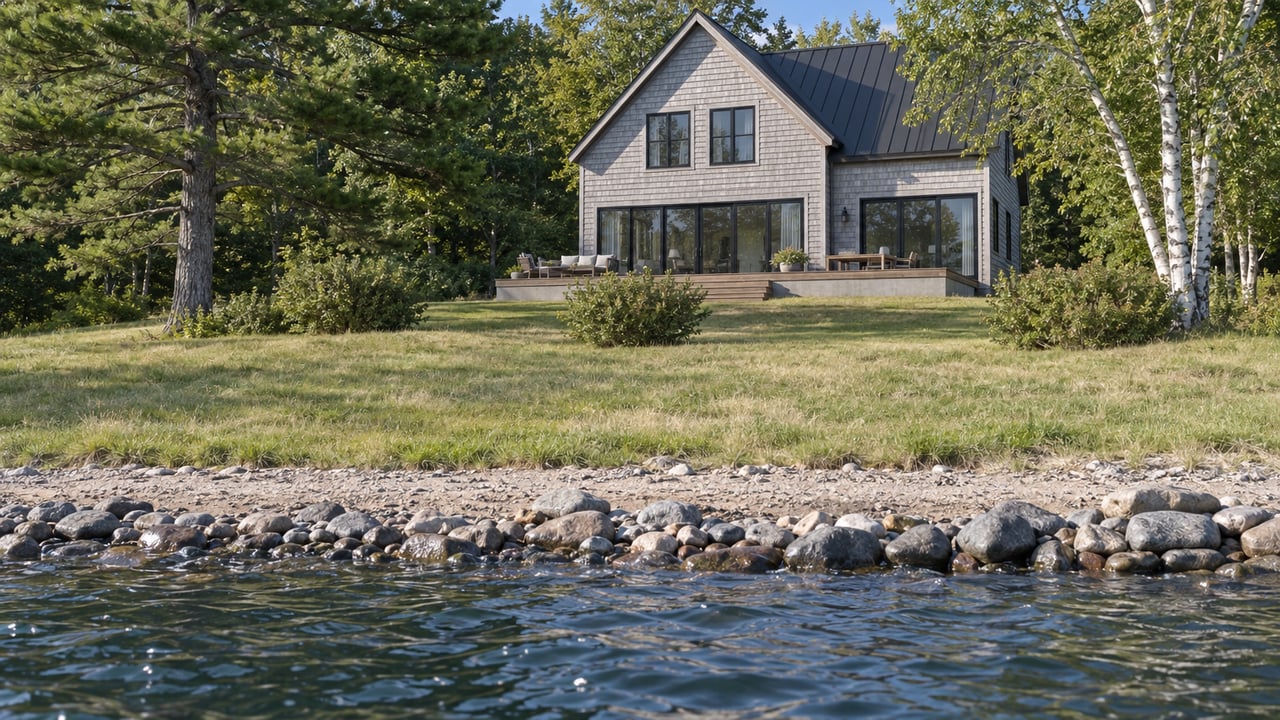
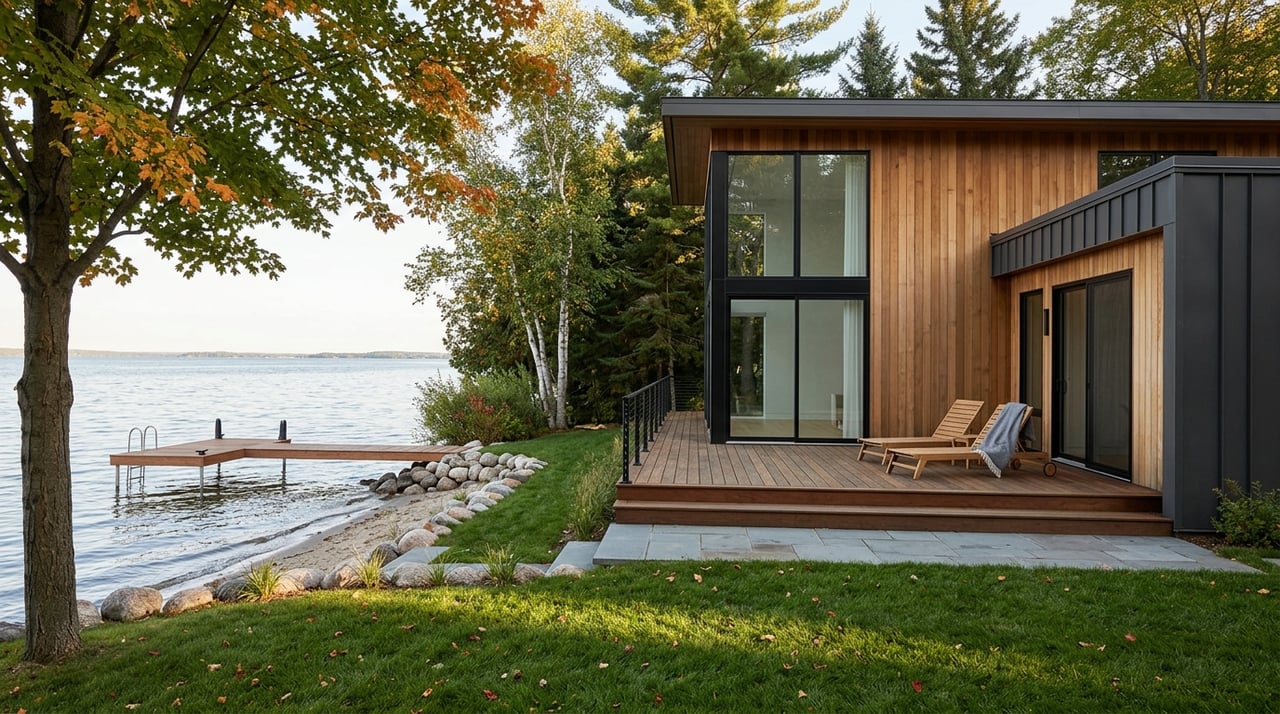
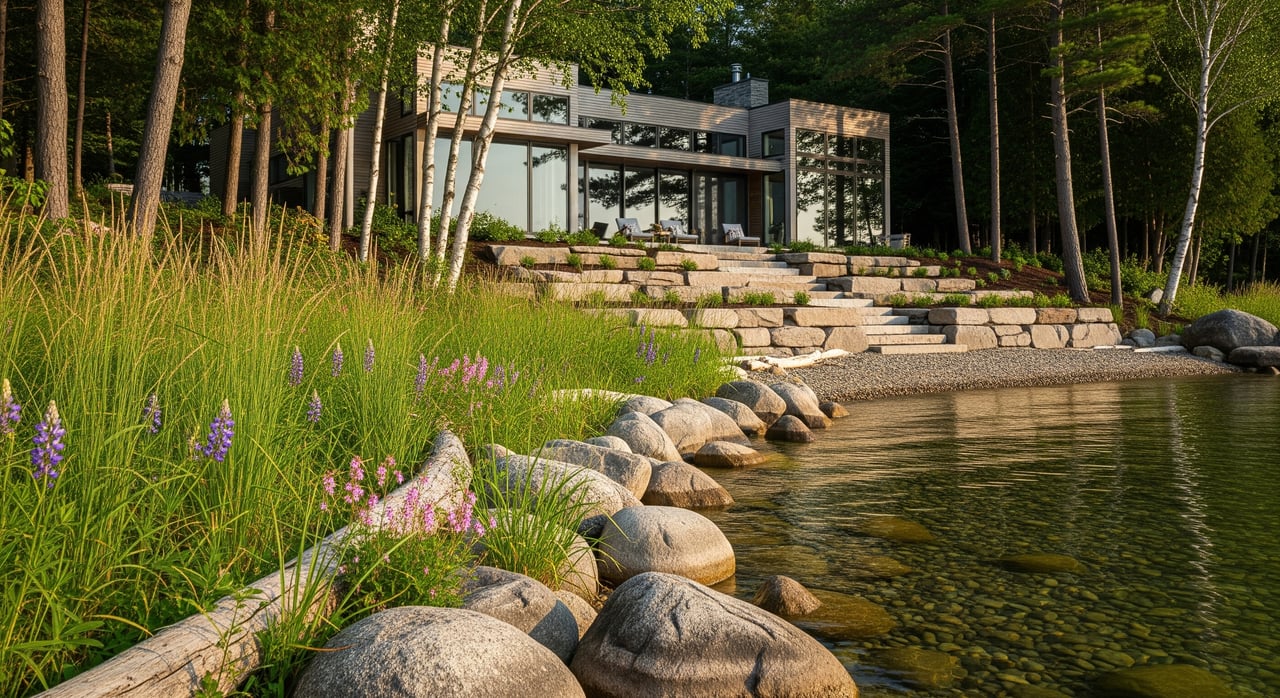
A native vegetated buffer is the foundation of a stable, healthy shoreline. Aim to keep or restore as much native vegetation as you can, often 25 to 50 feet from the water depending on site conditions and local rules. The Lake Charlevoix Association’s guidance on your greenbelt is a helpful local reference.
Low energy bioengineering
On sheltered stretches, techniques like coir logs, soil lifts, live staking, and native plantings can stabilize the toe and bank while preserving habitat. These measures work best where wave and ice forces are modest and are often preferred by regulators when appropriate.
Higher energy biotechnical designs
For exposed sites, a rock toe combined with woody elements and dense native plantings can diffuse energy and hold soil. These systems should be engineered to your shoreline’s energy, slope, and soils so they do not transfer erosion down the shore.
Riprap and seawalls: tradeoffs
Steep riprap and vertical seawalls may protect a specific bank but can increase scouring at the toe and impact neighbors and habitat. EGLE discourages seawalls when effective alternatives exist, and projects at or below the OHWM typically require permits.
Aquatic plants and woody structure
Native submerged and emergent plants stabilize sediments and provide habitat. Keeping natural logs or installing approved woody structure adds beneficial complexity that supports fish and reduces wave energy near shore.
A step‑by‑step plan for Charlevoix homeowners
- Assess and document
- Walk your site from upland to water and note slope, erosion, vegetation, and nearby structures. For a quick self‑check, use the Mi Shoreland Stewards Rate Your Shoreland survey.
- Call local authorities early
- Contact Charlevoix County’s Part 91 office about erosion control permits. If your design touches the OHWM or bottomlands, talk with EGLE staff about state and possible federal requirements. Confirm township zoning rules before you finalize plans.
- Select a design and contractor
- Prefer contractors trained in natural shoreline practices. Michigan’s Certified Natural Shoreline Professional program is a good starting point to find experienced help. Learn more from the MNLA’s certification program.
- Prepare permit applications
- Through EGLE’s MiEnviro system, you will submit site plans, materials, construction sequencing, and erosion control measures. Coordinate early if U.S. Army Corps review may be needed. County Part 91 permits are often required in parallel.
- Build with strong erosion controls
- Follow approved staging and seasonal timing. Use silt fences, turbidity curtains, and careful sequencing to minimize short‑term impacts during construction.
- Maintain and monitor
- Expect a multi‑year establishment period. Replace failed plants, check after storms or ice events, and continue good stormwater practices upslope. Address invasive plants under the proper rules.
Avoid common pitfalls
- Do not excavate within the shoreland protection strip or create channels or basins without confirming all permits and township approvals. These projects often face closer scrutiny and can be reversed if not fully permitted.
Protect the lake and your investment
A well designed natural shoreline can reduce erosion, improve nearshore habitat, and help keep Lake Charlevoix clear for the long run. It also presents a thoughtful, low‑maintenance aesthetic that fits the character of Charlevoix waterfront living.
If you’re buying or selling on Lake Charlevoix, we can help you evaluate shoreline conditions and connect you with trusted local resources. Start the conversation with Carly Petrucci for tailored guidance.
FAQs
What is the Ordinary High Water Mark on Lake Charlevoix?
- It is the elevation where long‑term water presence is apparent and it often controls where permits are needed. Confirm the OHWM location for your parcel with EGLE staff during early planning.
Do I need a permit to place riprap on my Charlevoix shoreline?
- In most cases, yes. Work at or below the OHWM typically requires a state permit and some projects also trigger federal review. Earth changes near the water may also need a county Part 91 permit.
How wide should my shoreline greenbelt be on Lake Charlevoix?
- Keep or restore as much native vegetation as possible based on your site. Many local rules and resources encourage 25 to 50 feet of buffer, with exact requirements set by your township ordinance.
Are seawalls allowed on Lake Charlevoix?
- They may be permitted in specific cases, but the state discourages seawalls when effective natural alternatives exist. Expect additional review and design requirements if you propose hard armoring.
Who can help design a natural shoreline in Charlevoix?
- Look for contractors trained in natural shoreline practices, such as Certified Natural Shoreline Professionals, and consider hiring a designer familiar with EGLE permitting.
Can I remove invasive plants near my dock without a permit?
- Not always. Some methods and species require permits or specific timing. Check rules before you treat or remove plants, especially in shallow water.