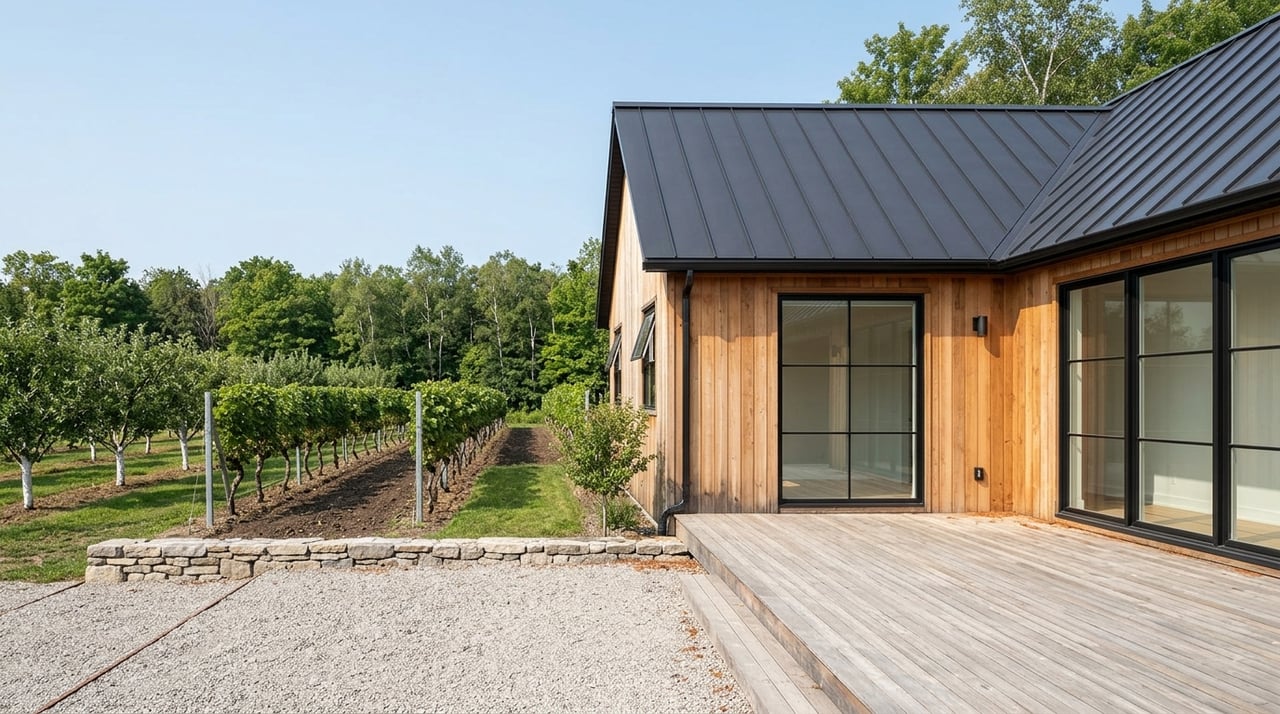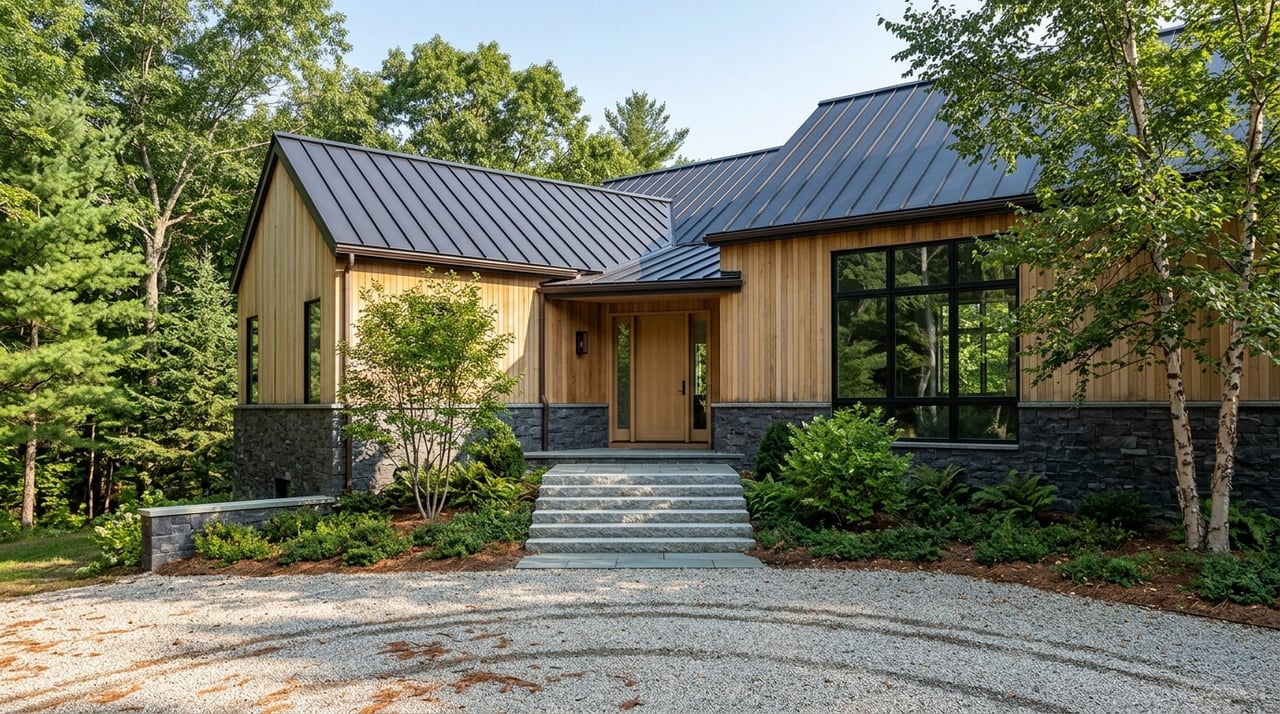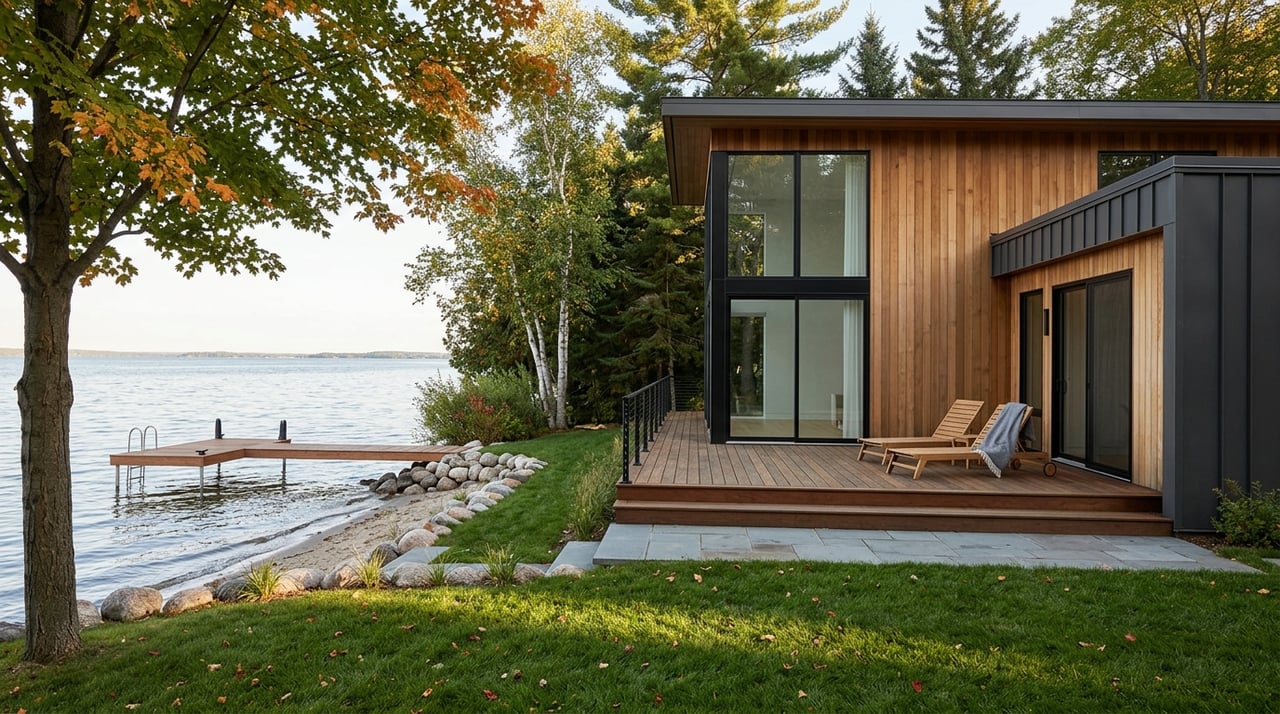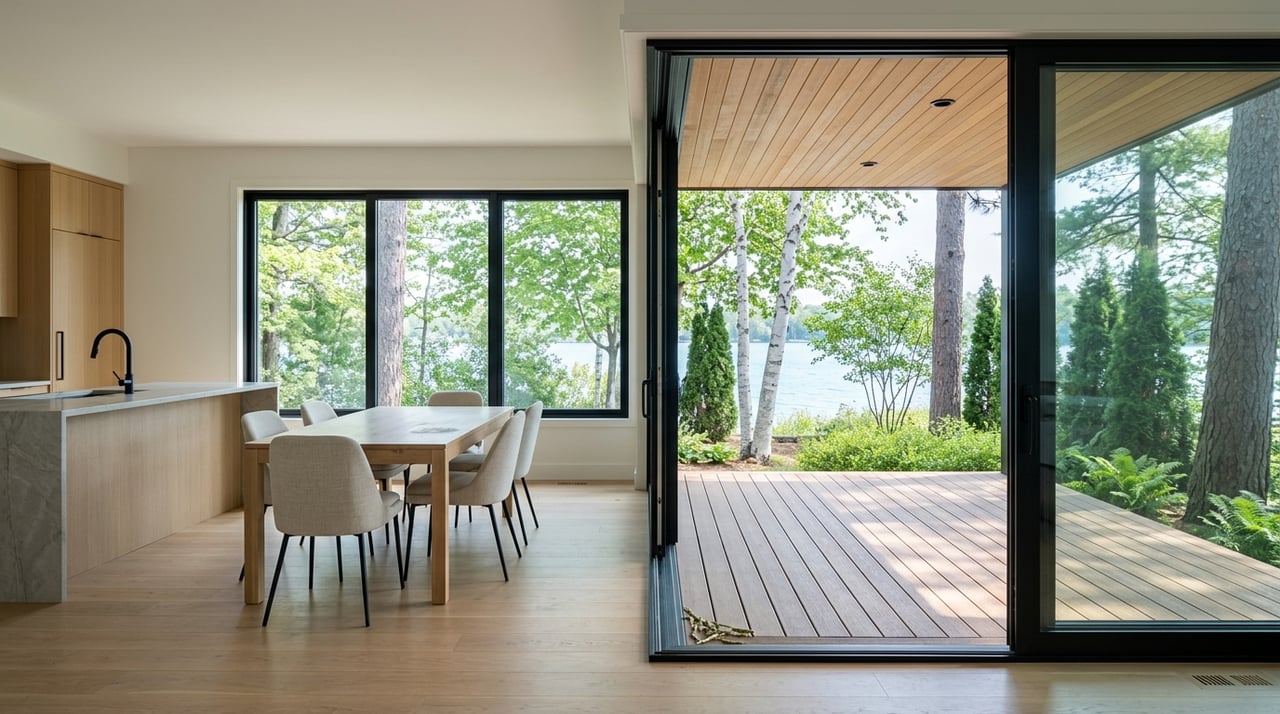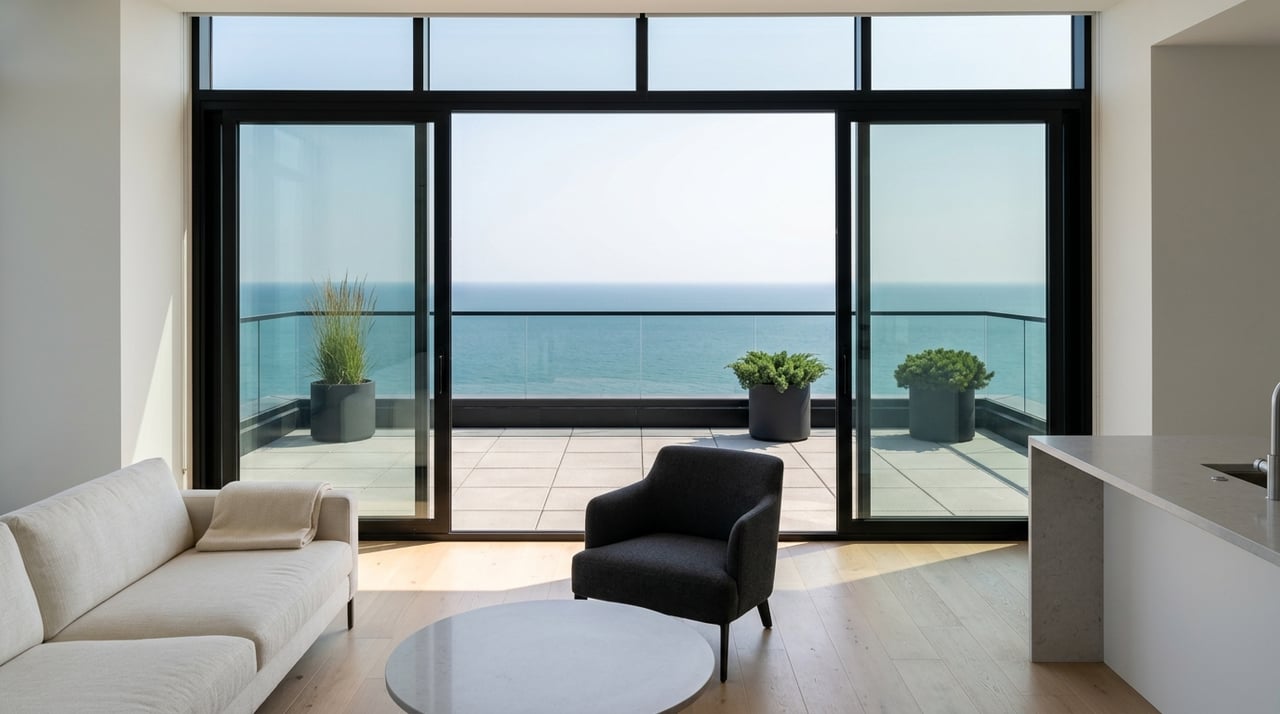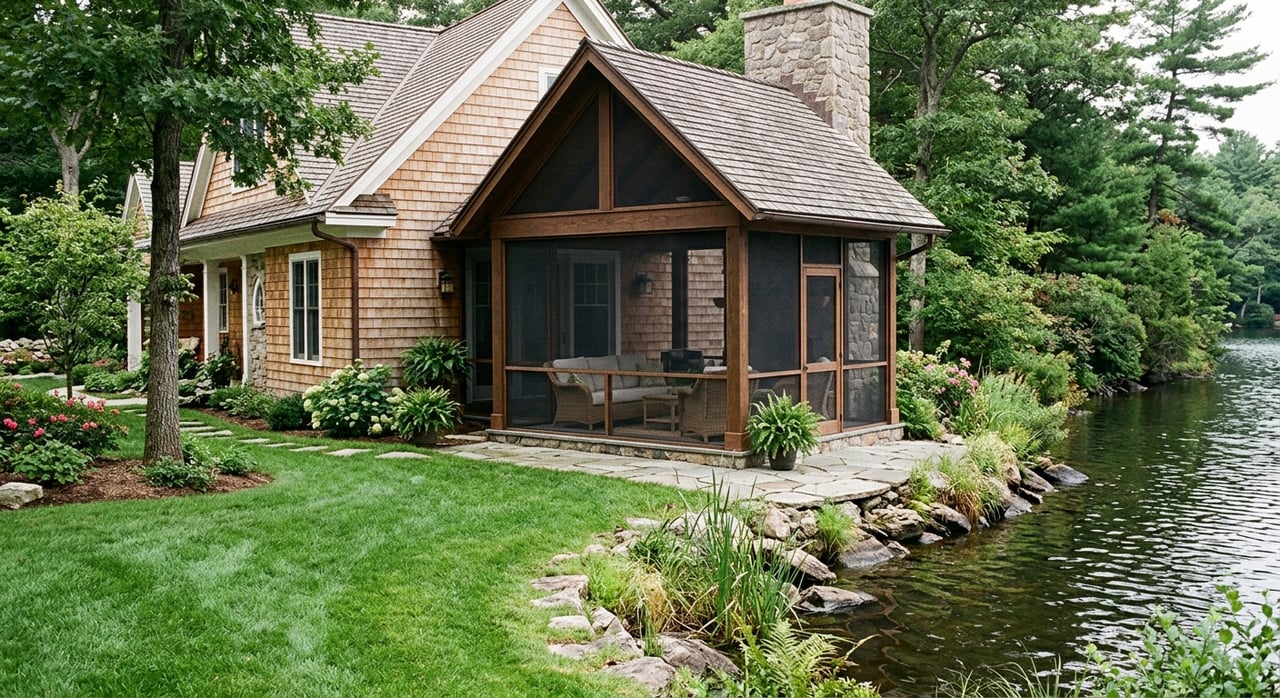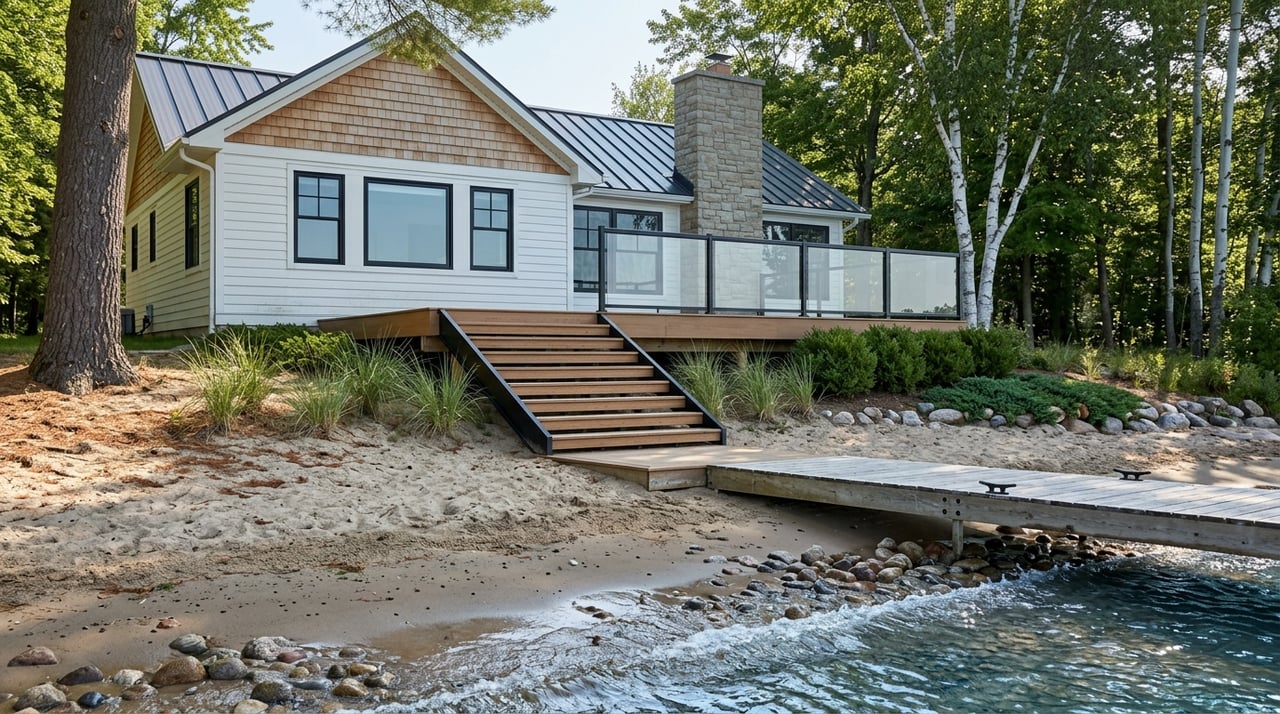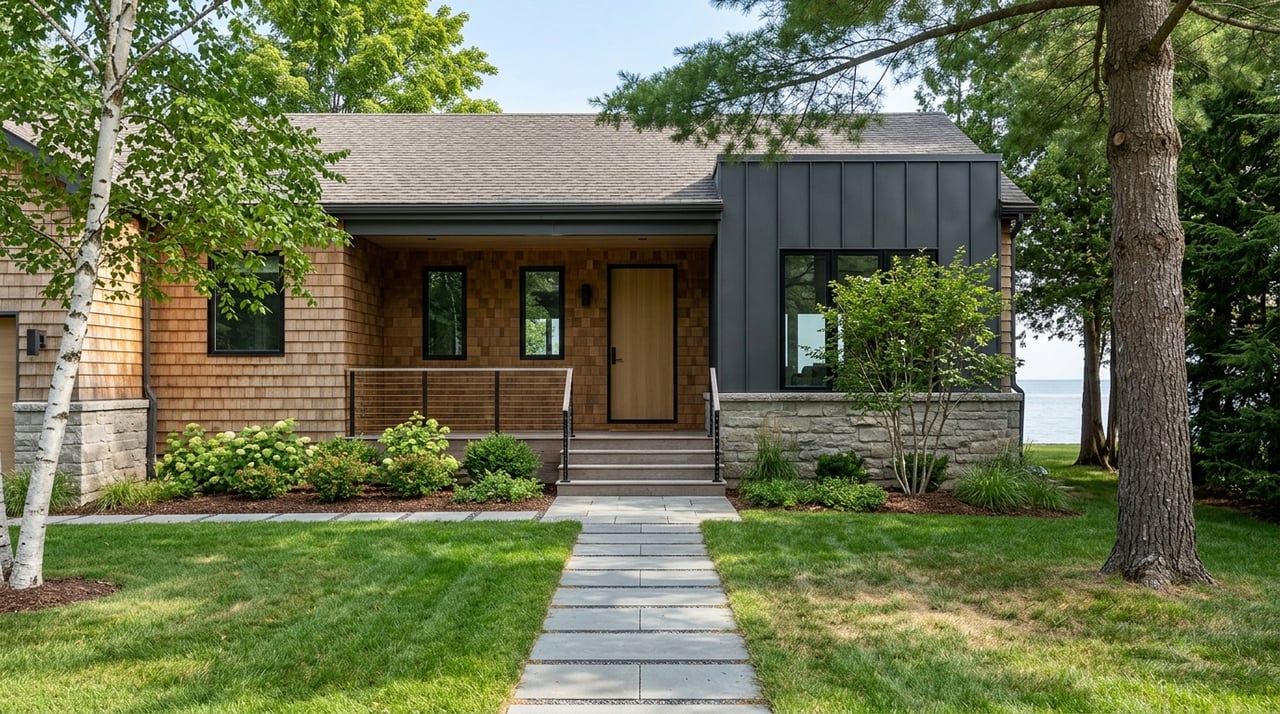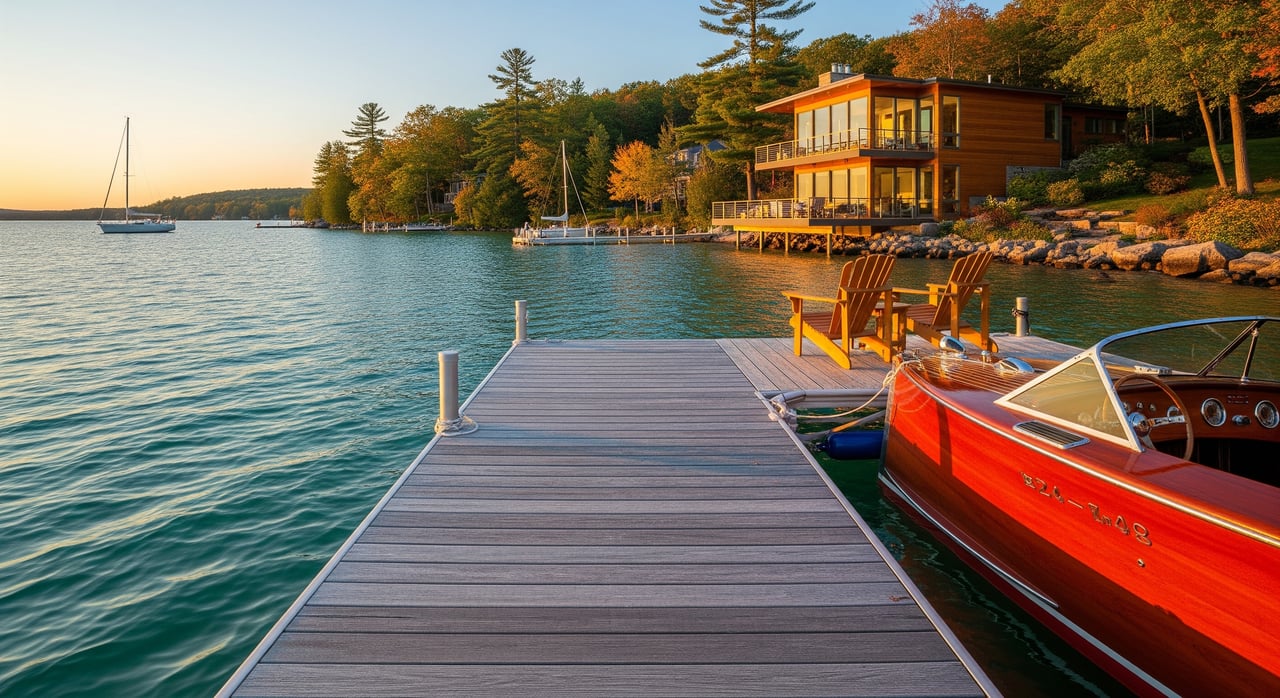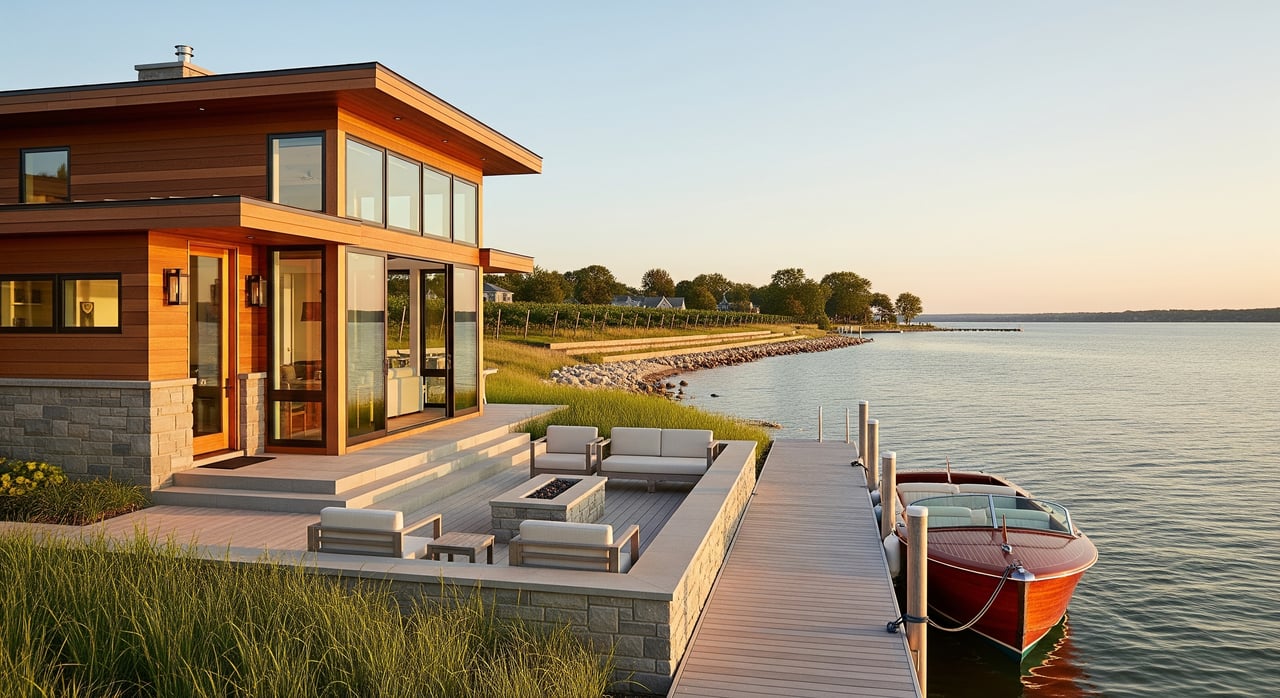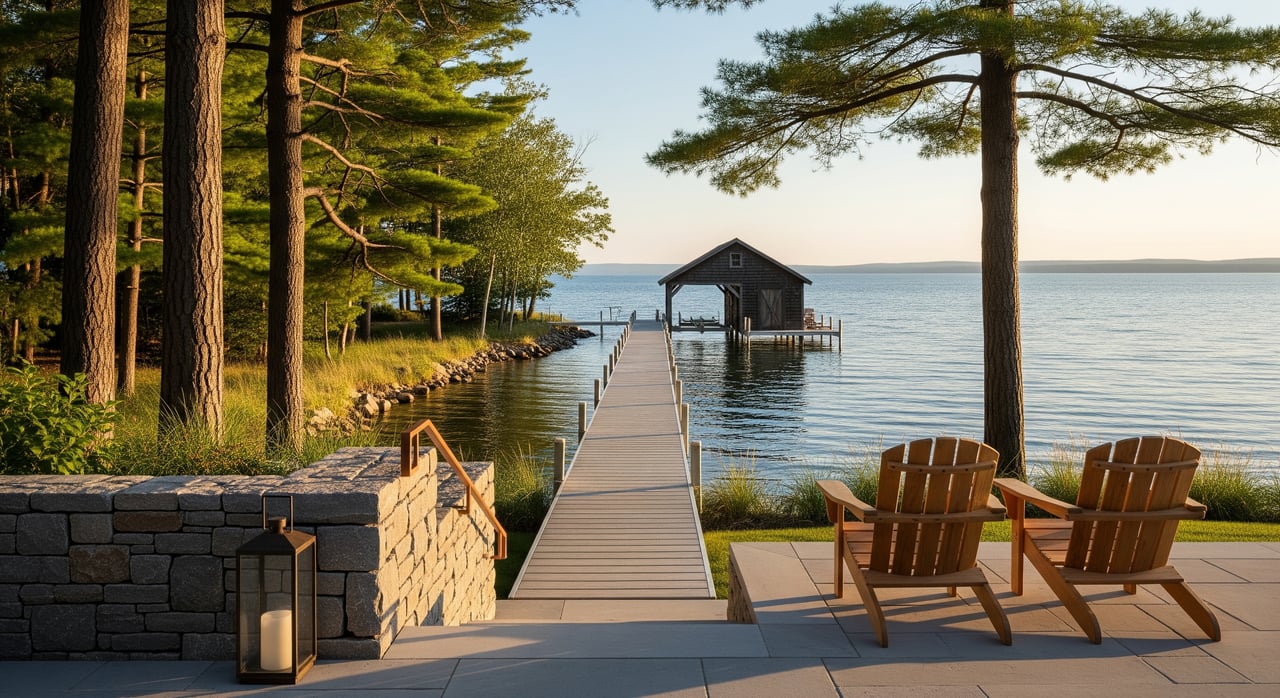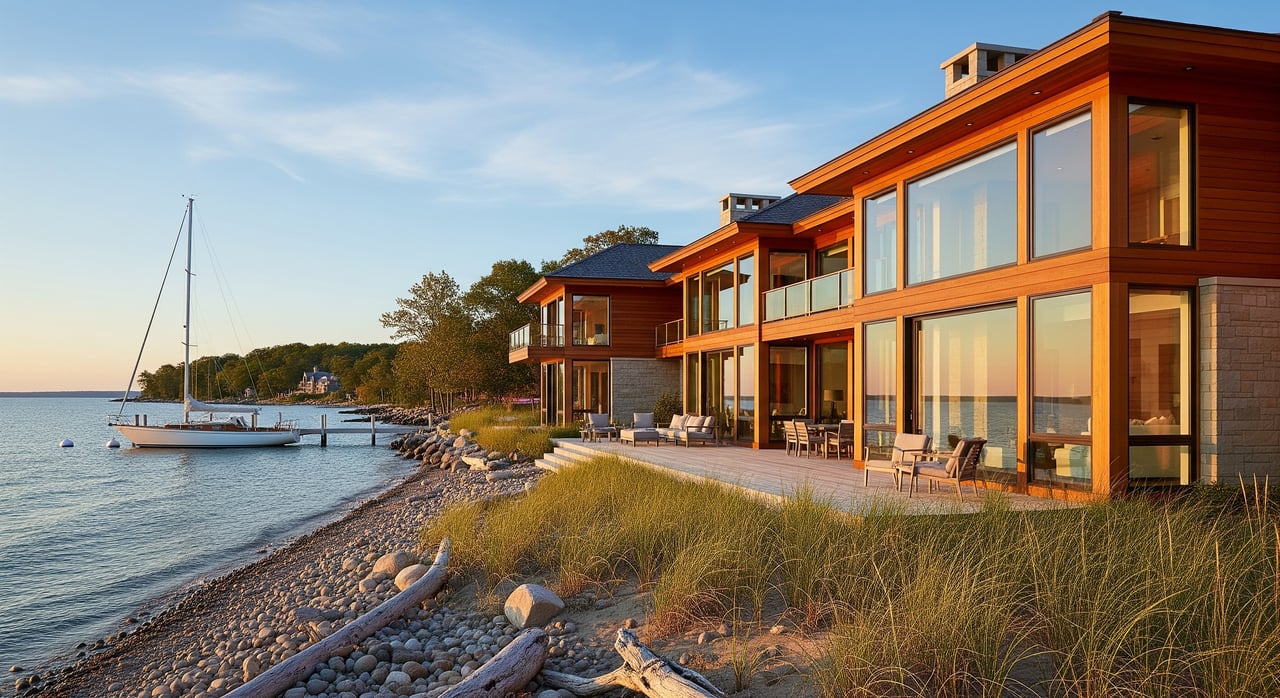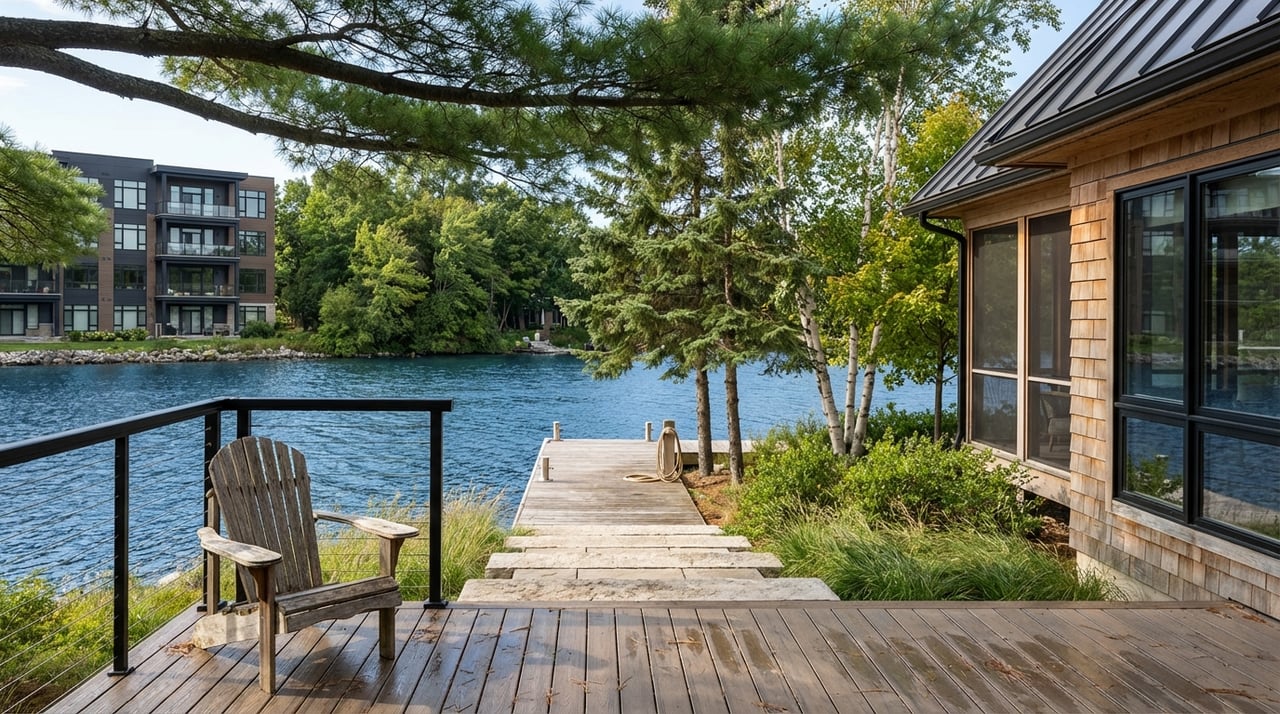
Should you lean into a sleek downtown condo or hold out for a private bayfront home in Traverse City? It is a big lifestyle and financial choice, and the right answer depends on how you want to live, what you want to maintain, and the rules that will shape your use. In this guide, you will see the true costs, key regulations, and everyday tradeoffs for both options. You will also get a practical checklist so you can shop with confidence. Let’s dive in.
Quick market reality in Traverse City
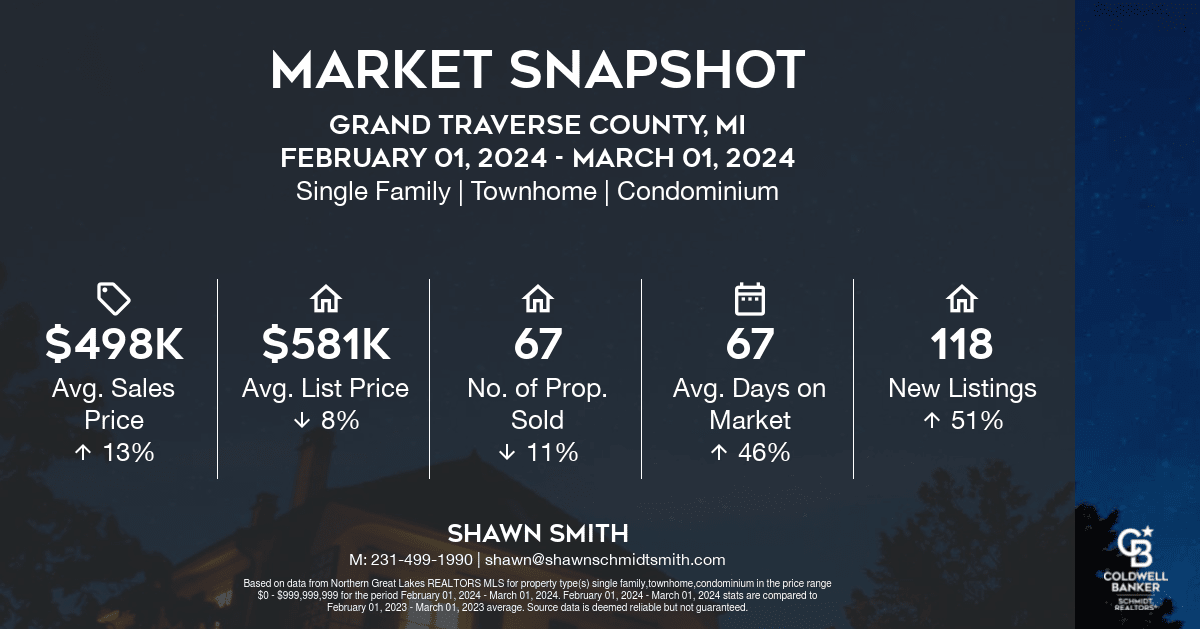
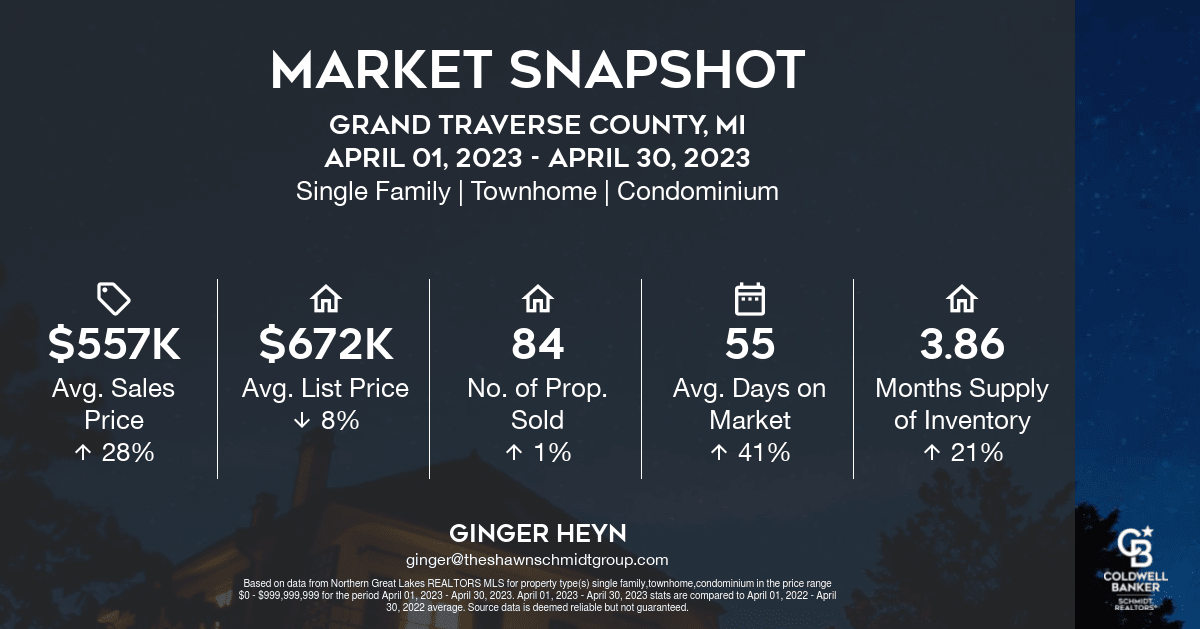
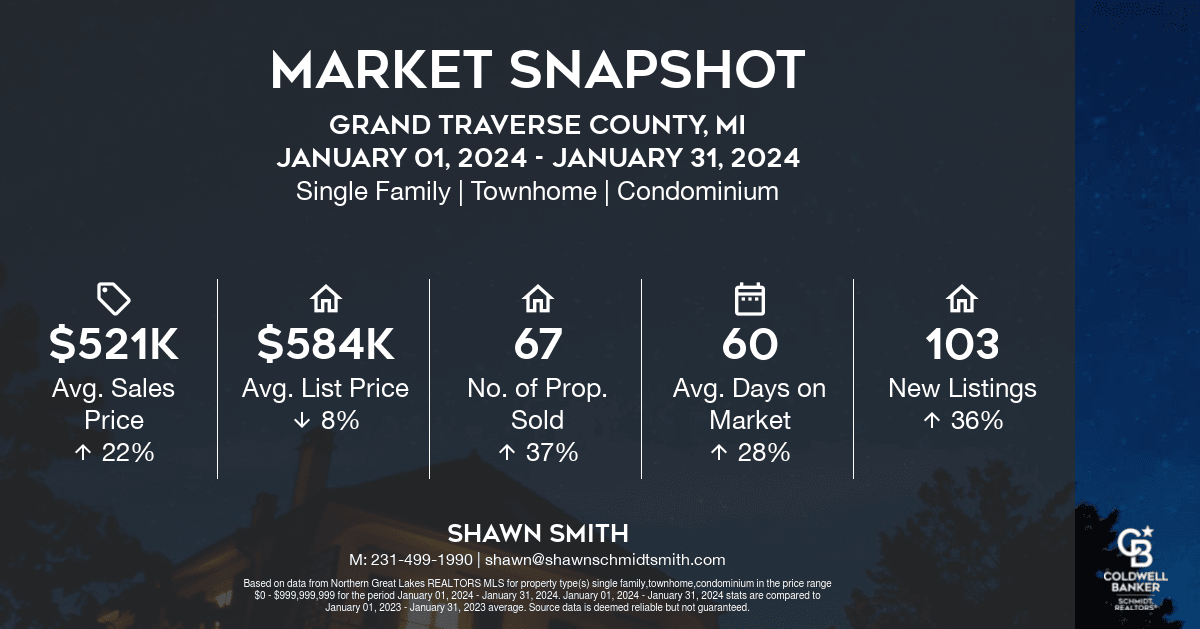
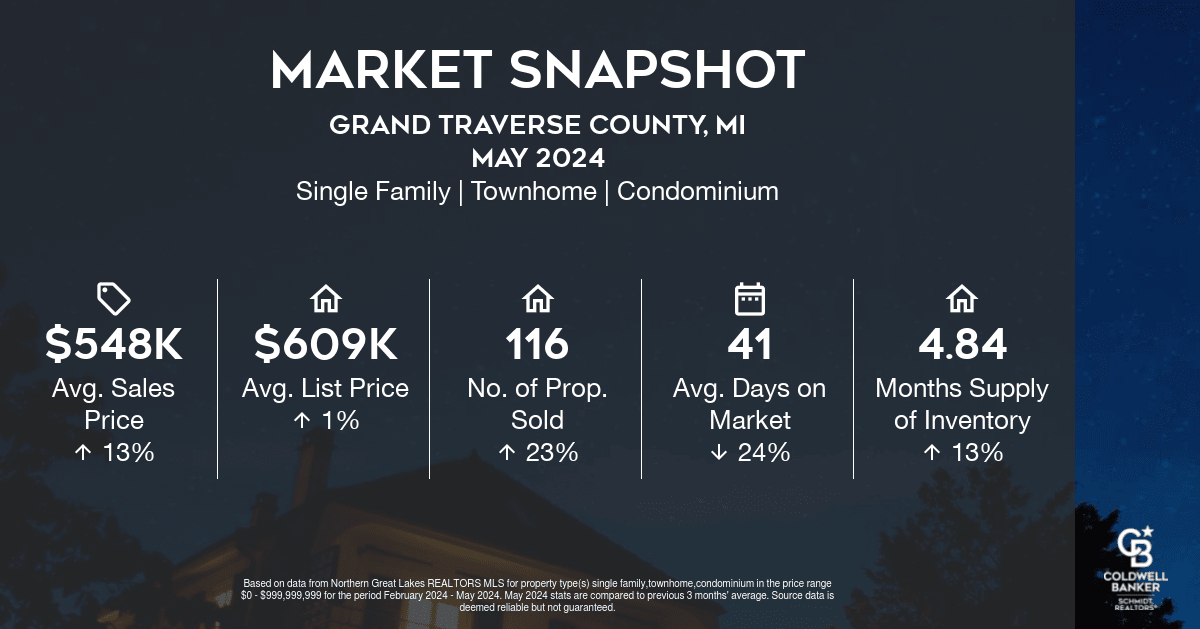
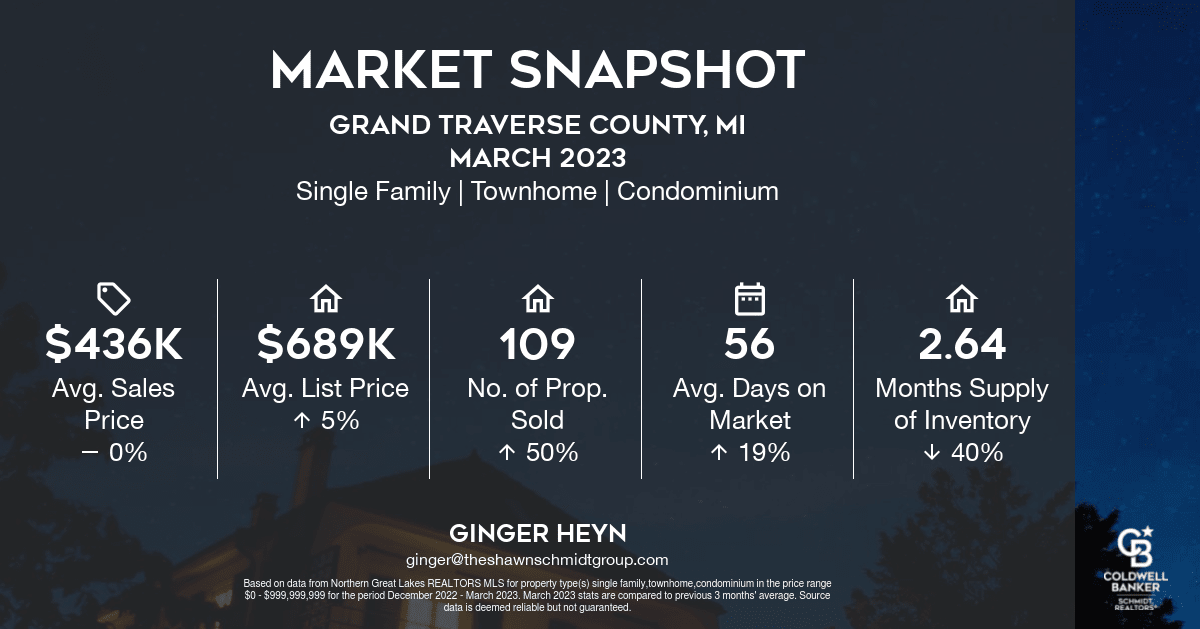
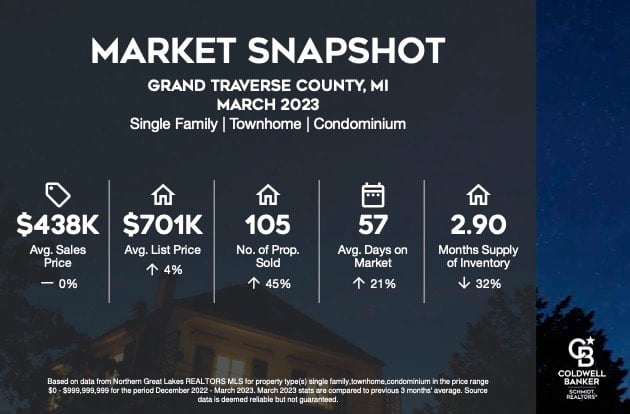
Traverse City’s typical home value sits in the low to mid $400,000s citywide, yet downtown and true bayfront properties command a major premium. It is common to see downtown condos and single-family homes on the bay priced from the high six figures into the multimillion-dollar range depending on frontage, views, and finishes.
Seasonality matters. Summer events and beach season drive demand, which affects pricing, inventory, and potential rental performance. Local tourism tracking shows strong peak periods, then softer shoulder months, so plan your visits and offers with this cycle in mind. You can see how the area monitors visitor trends in this piece on how Traverse City tracks tourism data and demand using technology to track trends.
Cost of ownership: condo vs. bayfront home
Purchase price and financing
Condos downtown can start lower than bayfront homes, with pricing climbing for larger floor plans, newer buildings, and premium views. Single-family homes with private frontage typically start much higher and can reach several million dollars. Waterfront purchases often involve extra lender scrutiny, including flood risk checks and documentation for well and septic when applicable. Condo loans add a review of the association’s financial health and rules.
Michigan property taxes after you buy
When a Michigan property transfers, the taxable value usually uncaps to match State Equalized Value, which can mean a higher tax bill for you than the seller paid. Model your post-transfer taxes using current millage rates for the exact district. The Michigan Department of Treasury explains how SEV, taxable value, and the Principal Residence Exemption work in its property tax guidance.
Insurance: what changes near the water
Standard homeowners insurance does not cover flood. If a lender determines your property is in a Special Flood Hazard Area, you will need flood insurance through the NFIP or a private carrier. Waterfront exposure can also influence wind or deductible structures, and corrosion or moisture can raise maintenance-related claims risk. To understand why flood is separate from homeowners coverage, review this NFIP overview and request quotes early in your due diligence.
HOA dues vs. self-managed upkeep
Condos trade many exterior chores for a predictable monthly HOA fee. Dues commonly cover building insurance, exterior maintenance, snow removal, landscaping, and reserves for big projects. You should review the budget, latest reserve study, and meeting minutes for hints of future special assessments. The Community Associations Institute outlines best practices for reserve funding in its condo reserve guidance.
Bayfront homes put you in control, but also on the hook for seawalls or shoreline stabilization, dock and lift service, exterior finishes exposed to water and freeze cycles, and potential well and septic upkeep. A good planning rule is to budget 1 to 3 percent of a home’s value per year for maintenance, then adjust up for waterfront exposure. Learn more about the rule and how climate affects it in this maintenance budgeting overview.
Rules that shape your options
Short-term rentals inside the city
Many downtown buildings include units used for short-term rentals, but two sets of rules apply: the building’s governing documents and the City of Traverse City’s licensing and zoning. The city requires a license for Vacation Home Rentals and Tourist Homes, with a listed $200 application or renewal fee, and it limits where non-owner-occupied rentals are allowed. Review the city’s Vacation Home Rental license page and confirm your building’s rules before you count on STR income.
New county rule for waterfront septics and wells
Effective January 1, 2026, Grand Traverse County requires a Time-of-Transfer evaluation of on-site sewage disposal systems and water supply systems for dwellings located within 300 feet of surface water before sale or transfer. Certified evaluators must complete the review, and corrective work may be required before closing. This can add cost and time to a bayfront deal, so plan for it early. Read the county’s Time-of-Transfer regulation.
Shoreline work, docks, and seawalls
If you plan to add or modify a dock, riprap, or a seawall on the Great Lakes shoreline, you will likely need permits from Michigan EGLE and often the U.S. Army Corps of Engineers. Unpermitted shoreline work can trigger fines or removal orders. Get up to speed on permitting and high-water impacts through this Great Lakes shoreline permitting overview, then confirm past permits during due diligence.
Public trust and beach walking rights
On Great Lakes shorelines, the public may have the right to walk along the water up to the Ordinary High Water Mark. Title, surveys, and easements determine the specifics for each parcel. Learn about the Glass v. Goeckel precedent in this public trust explainer, and ensure your survey and title review clarify boundaries and rights.
Lifestyle: who tends to love each
Downtown condo fit
You want low exterior maintenance, easy lock-and-leave living, and walkable access to dining and events. You prefer predictable monthly costs and like the idea of building amenities. STR potential can be attractive when a building and the city allow it.
Bayfront home fit
You value privacy, space, and a direct connection to the water. You want your own dock or beach experience and are comfortable with higher purchase price, hands-on maintenance, and compliance steps tied to shoreline and septic systems. You see the home as a lifestyle asset for gatherings and time on the bay.
Rental potential at a glance
Traverse City’s demand peaks in summer and during major events, which often translates to higher nightly rates and occupancy. Local snapshots of Northern Michigan STRs note that well-amenitized properties can command rates in the hundreds of dollars per night during peak season, especially when you add features like hot tubs, saunas, or private docks. For a practical look at amenity ROI, review this STR amenity analysis.
Condos can be simpler to operate due to smaller footprints and shared maintenance, but building rules and city licensing can limit or prohibit STR use. Bayfront homes can capture premium pricing with views and waterfront access, though operating costs are higher and logistics more complex. Always model revenue with seasonal occupancy, management and cleaning costs, platform fees, local taxes, and required licenses.
Buyer checklist: condo vs. bayfront
Use this list to sharpen your search and avoid surprises.
- Price and comps: Compare recent solds for your exact block or bay shoreline. Expect large dispersion for waterfront frontage, views, and direct access.
- Lender readiness: For condos, confirm the association’s eligibility and stability. For waterfront, prepare for flood determinations, insurance quotes, and septic or well documentation if relevant.
- Taxes: Estimate your post-transfer taxable value and millage so you have a clear, current-year tax picture.
- Insurance: Request homeowners and flood quotes early. Consider an umbrella policy if you expect higher liability exposure, especially with a dock or STR use.
- HOA diligence: Review budget, reserve study, insurance certificates, board minutes, parking rules, and rental restrictions. Ask about any pending or planned special assessments.
- Water and septic: If the home is within 300 feet of surface water, plan for the county’s Time-of-Transfer evaluation and factor repairs into your timeline and budget.
- Shoreline rights and permits: Order a current survey, verify Ordinary High Water Mark, and confirm permits for any past shoreline work. Understand what you can and cannot change.
- STR feasibility: Check building rules, city licensing, zoning eligibility, inspections, and local lodging tax obligations. Build a conservative revenue model.
- Maintenance plan: For condos, map upcoming capital projects. For bayfront homes, price dock, lift, shoreline stabilization, and winterization. Use a 1 to 3 percent annual budget and adjust up for waterfront exposure.
Which one is right for you?
If you value walkable convenience and simple ownership, a downtown condo often wins. If your dream is coffee on your own shoreline and a boat at your dock, the bayfront home is hard to beat. The best choice is the one that fits how you want to live, with costs and rules you understand before you write an offer.
Ready to weigh your options with local, senior-level guidance? Request a Private Consultation with Carly Petrucci to talk through neighborhoods, comps, rules, and a plan tailored to your goals.
FAQs
What are the main cost differences between a Traverse City condo and a bayfront home?
- Condos often start at lower prices and shift many exterior costs into an HOA fee, while bayfront homes typically cost more to buy and require higher ongoing maintenance, shoreline care, and potentially flood insurance.
How do Michigan property taxes change after I purchase in Traverse City?
- After a sale, taxable value usually uncaps to State Equalized Value, which can raise your bill versus the seller’s; estimate taxes for your millage and budget for the new amount.
Do I need flood insurance for a bayfront home in Grand Traverse County?
- If a lender determines the property is in a Special Flood Hazard Area, flood insurance is usually required; even outside mapped zones, many waterfront buyers opt for coverage after a risk and quote review.
Can I use a downtown Traverse City condo as a short-term rental?
- It depends on both the building’s rules and the city’s licensing and zoning; verify the condo documents and the City of Traverse City Vacation Home Rental program before assuming STR income.
What does the new county Time-of-Transfer rule mean for waterfront buyers in 2026?
- If the dwelling is within 300 feet of surface water, you will need a certified evaluation of septic and water systems before closing, and you may need to complete repairs or upgrades prior to transfer.
Are Great Lakes beaches in front of my home private in Traverse City?
- Public trust rights generally allow walking along the shoreline up to the Ordinary High Water Mark; confirm boundaries, easements, and usage rights through survey and title review.