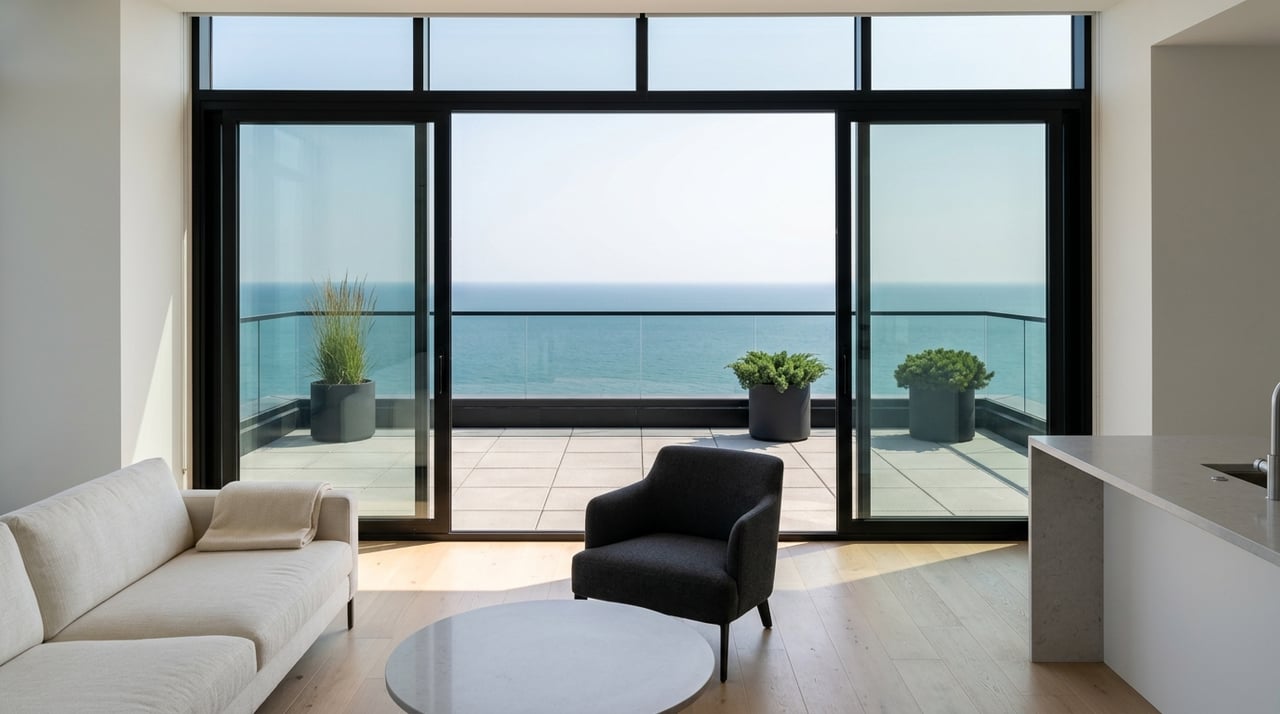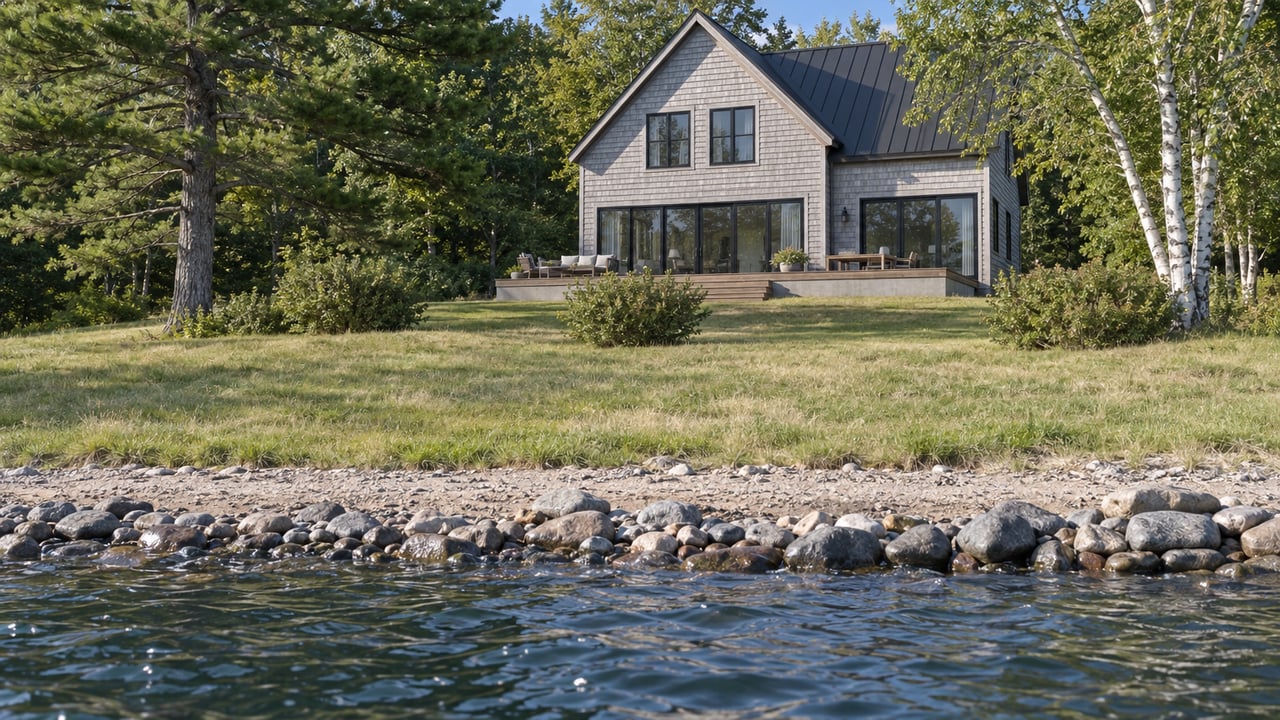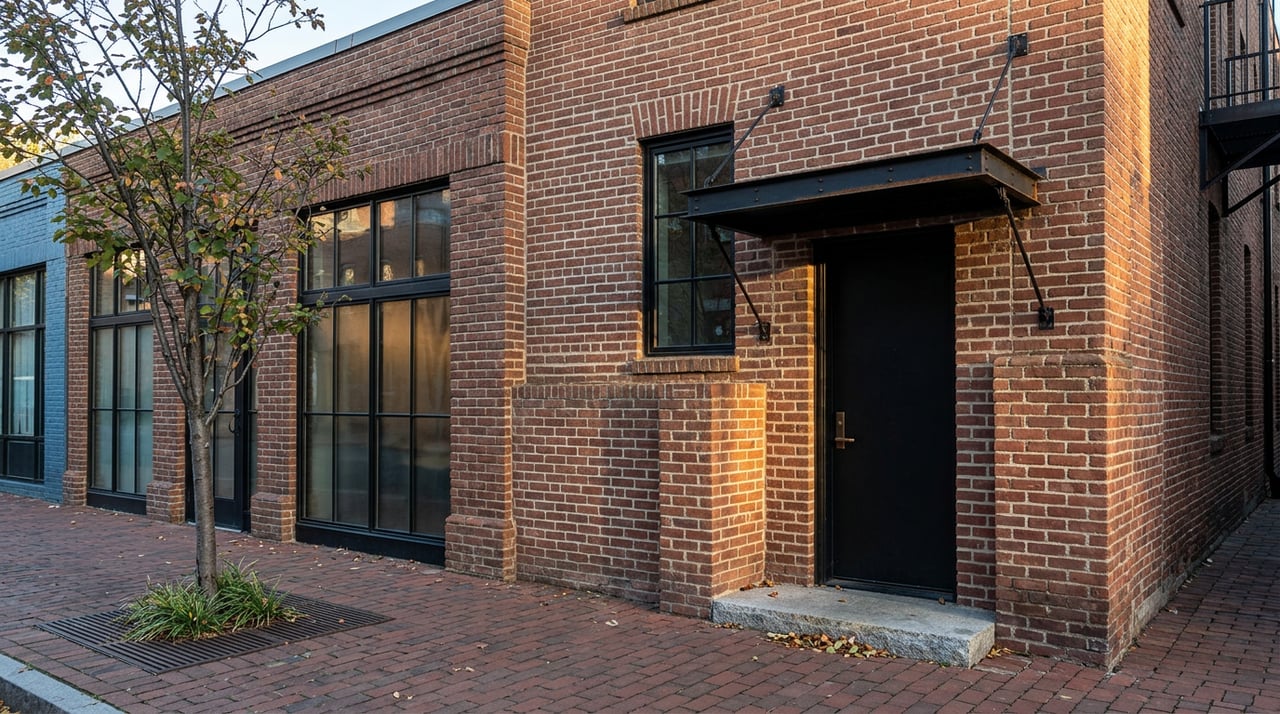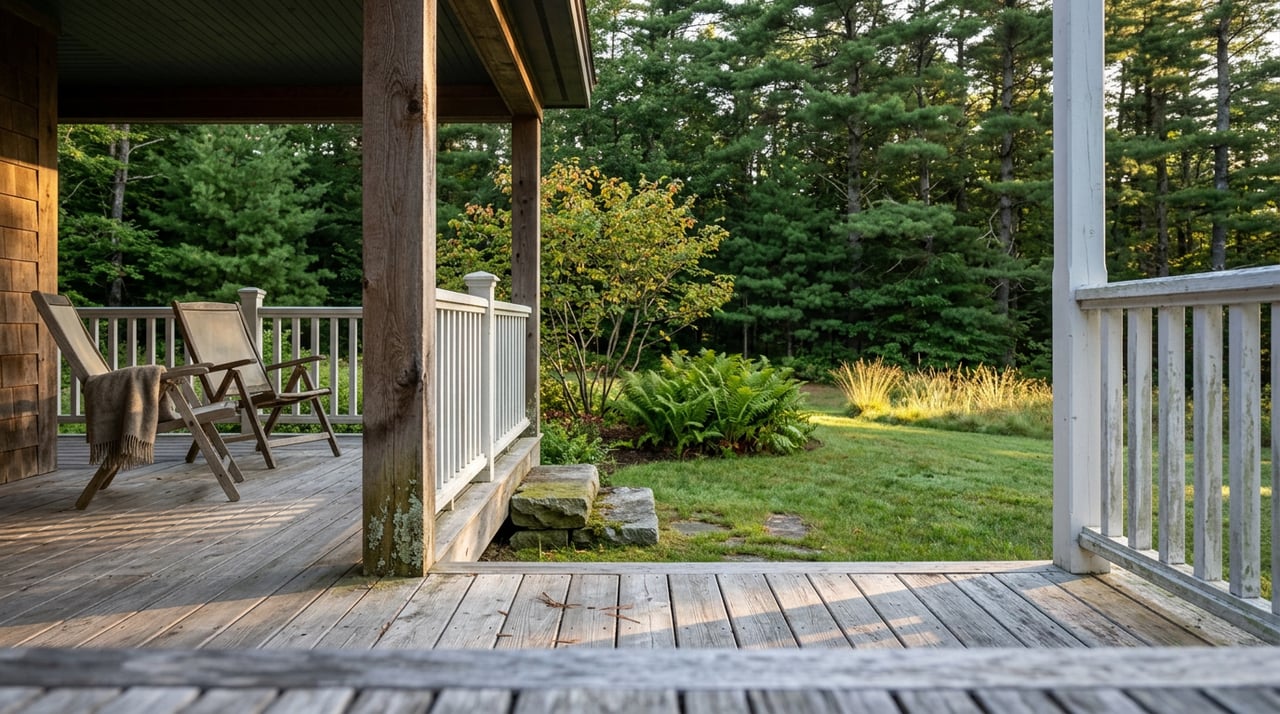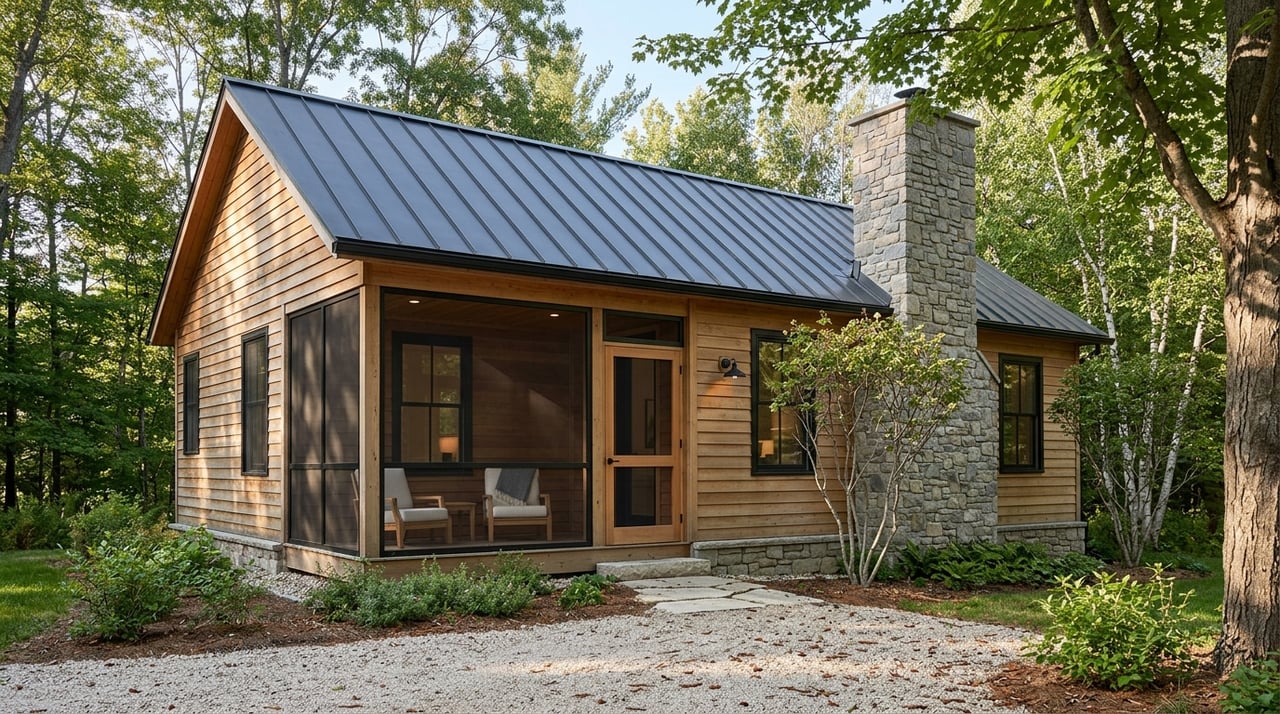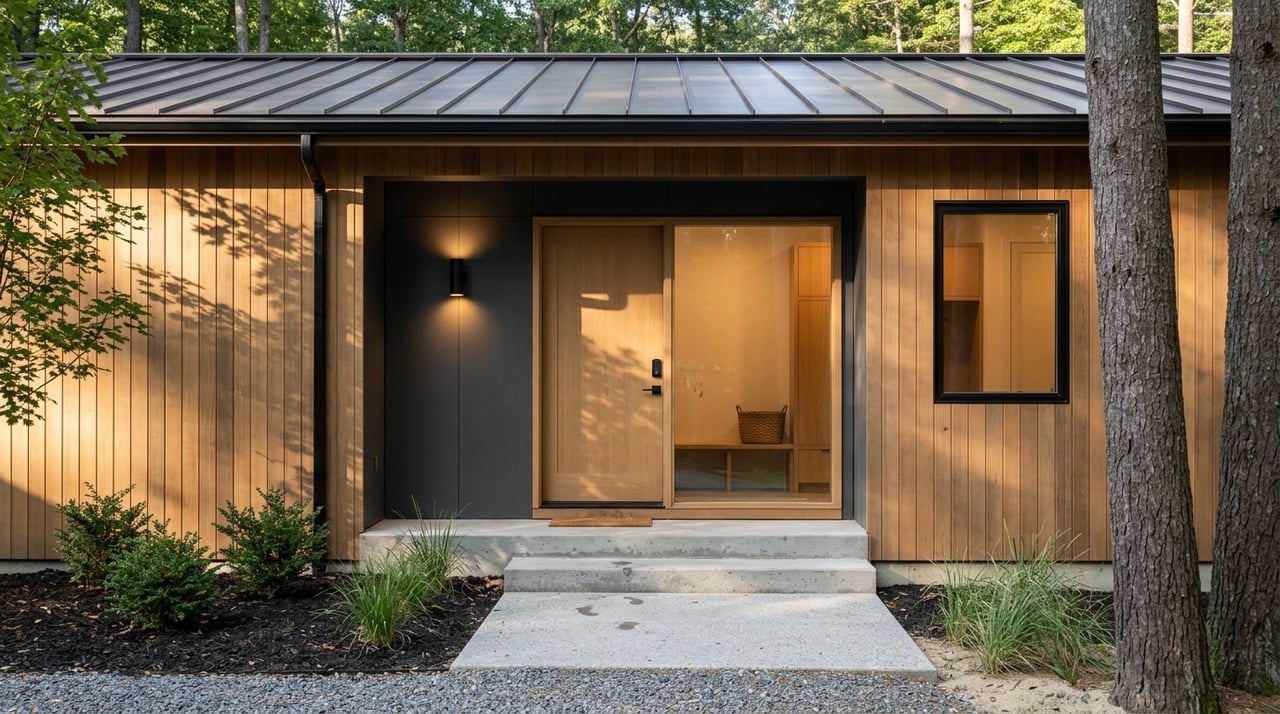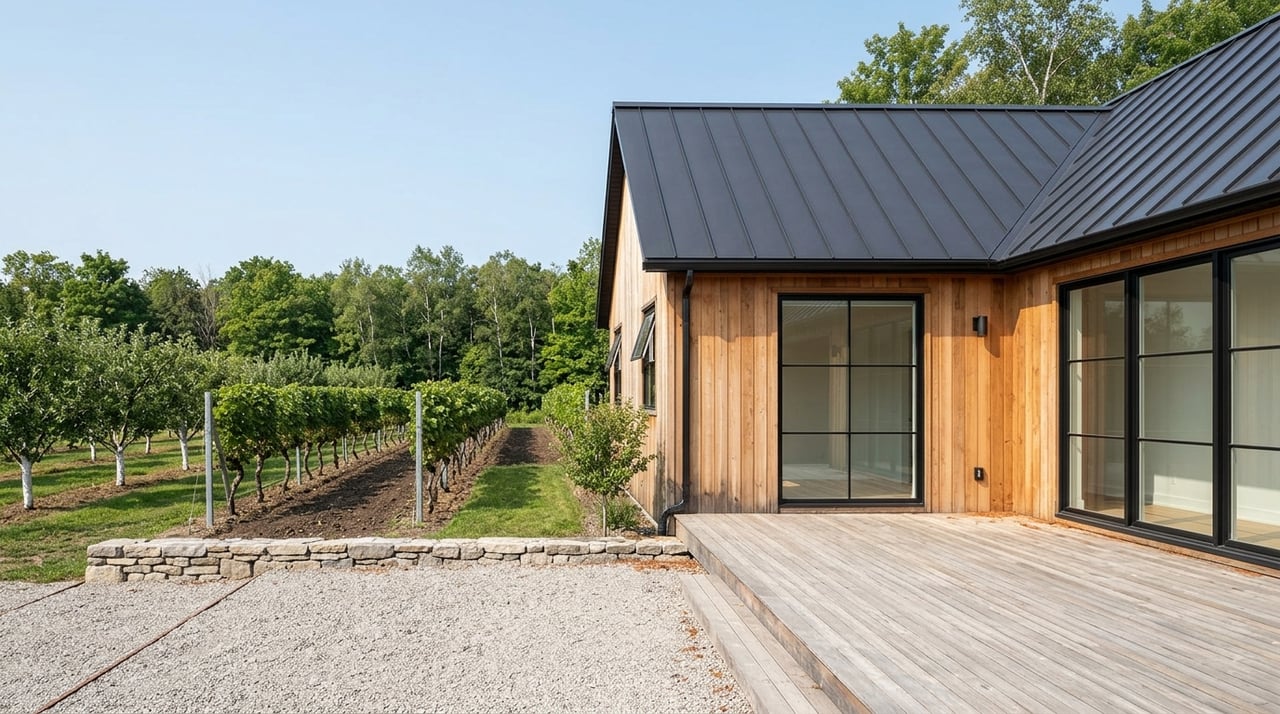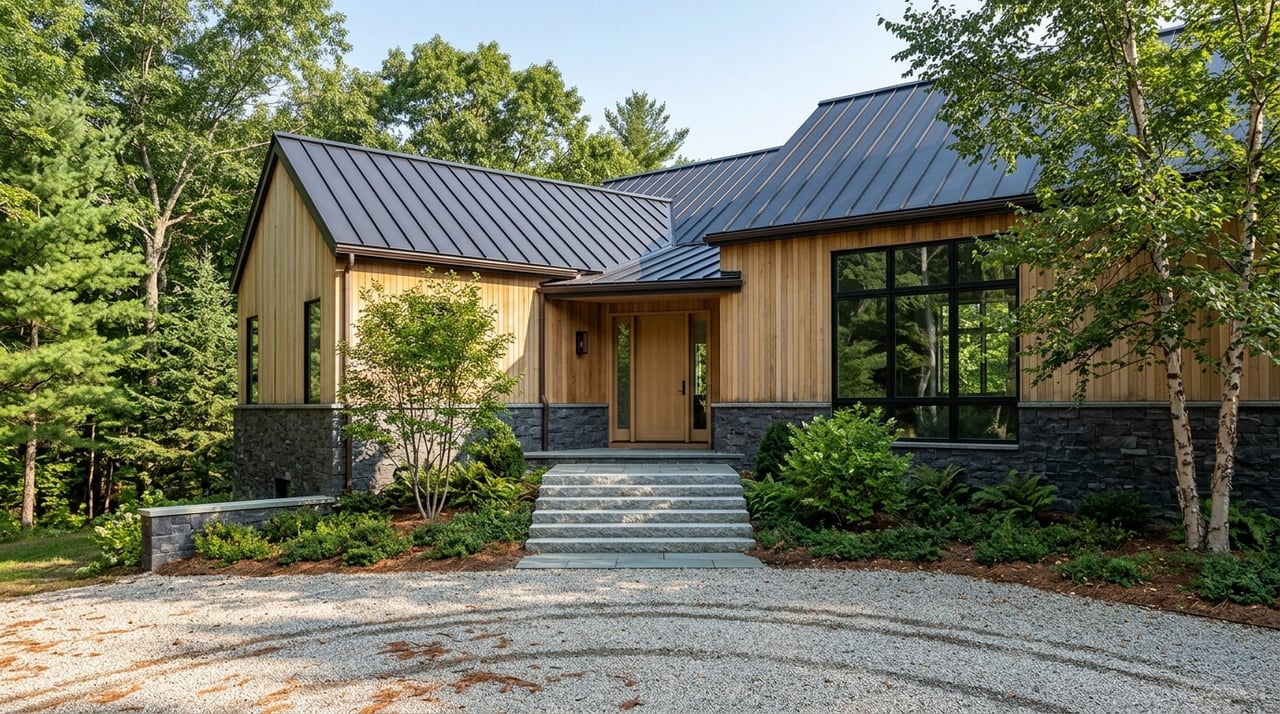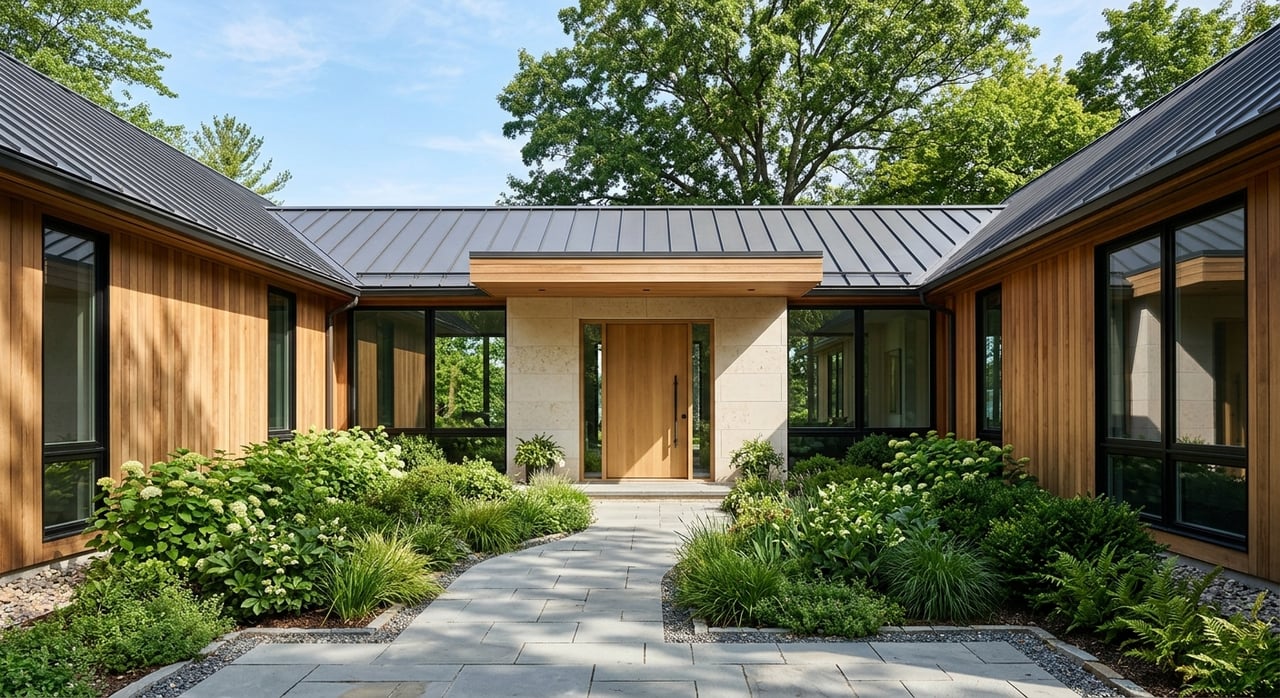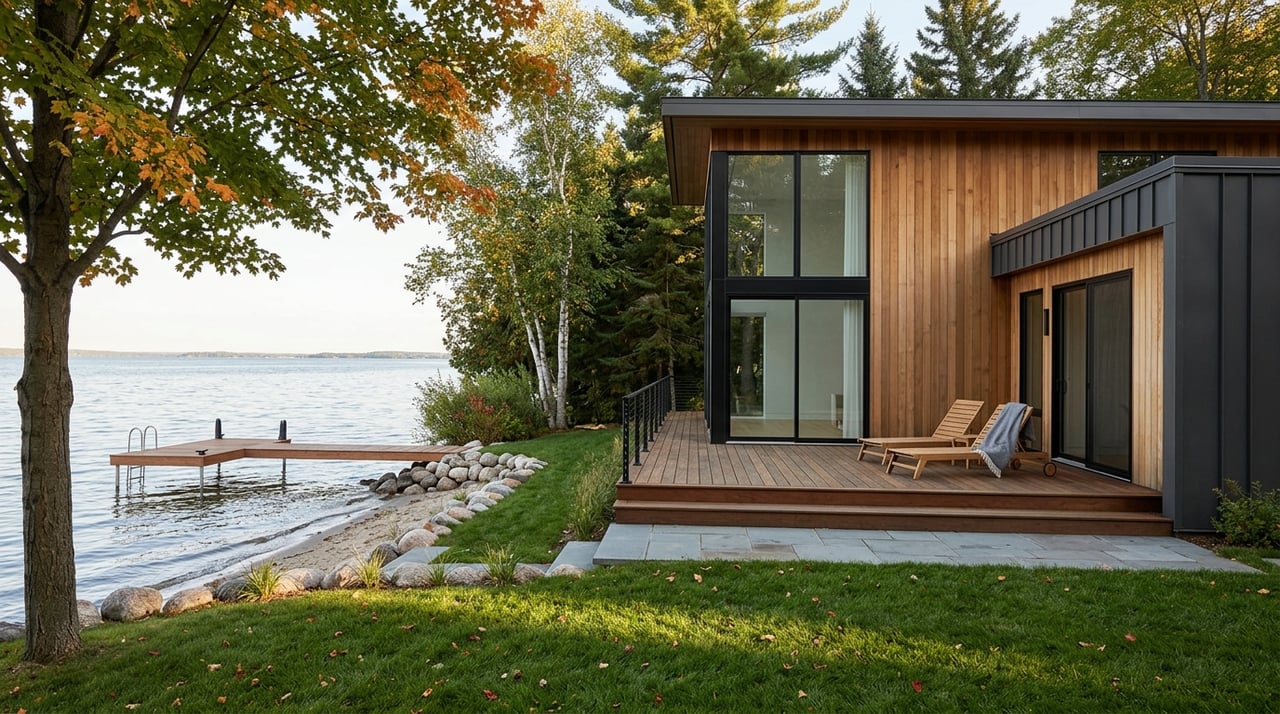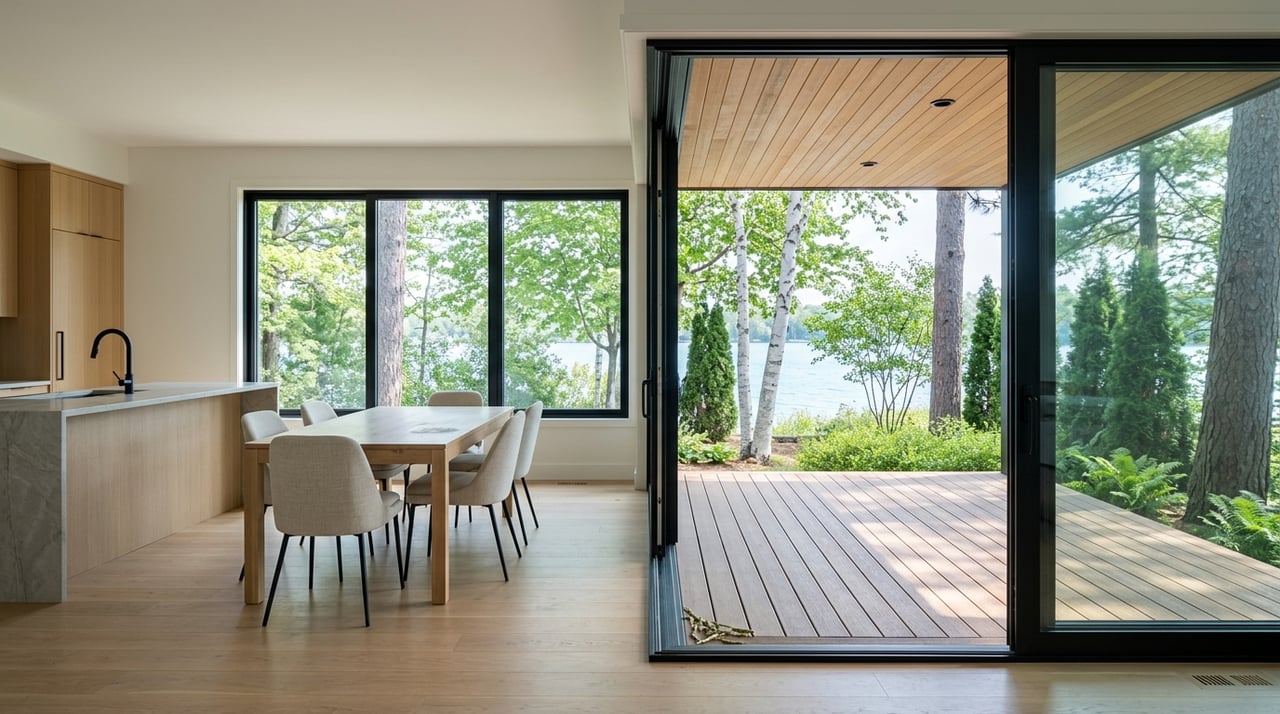
Craving a quick escape from Chicago without the hassle of a full day of travel? A second home in Traverse City puts you within a half‑day drive or a short flight of sandy bays, vineyards, and a lively downtown. You want a place that fits weekend rhythms, is easy to reach year‑round, and is simple to manage when you are not here. This guide walks you through travel logistics, the best areas for weekend living, smart property choices, inspections, remote closing, insurance, and a 60‑day plan to buy with confidence. Let’s dive in.
Travel from Chicago: time and options
Driving is straightforward. Plan for roughly 280 to 320 miles and about 5½ to 6½ hours one way, depending on your Chicago start point, route, weather, and traffic. In winter, lake‑effect snow can slow travel, so build in buffer time from late fall through spring.
If you prefer to fly, Cherry Capital Airport (TVC) sits just minutes from downtown Traverse City. Service to major hubs is seasonal and carrier‑dependent. Check current schedules from O’Hare or Midway and connection options. Once you land, you can use car rentals, taxis, rideshare, or private car services for the last leg.
For rural or lakefront properties, plan to rent a vehicle with good ground clearance. In colder months, choose winter or snow‑rated tires to handle unplowed or slushy private roads. Rail and long‑haul bus options exist in parts of Michigan, but they are not practical for quick weekend trips to Traverse City.
Seasonal timing in Northern Michigan
Winter brings snowplowing needs, icy roads, and potential highway delays. Many buyers tour in spring, summer, and fall, but winter visits help you understand access and maintenance. In summer high season, demand for lodging, boats, and local contractors spikes. Book flights, car rentals, inspections, movers, and dock services earlier, ideally 60 to 120 days out.
Best areas for weekend living
Downtown and the Bays
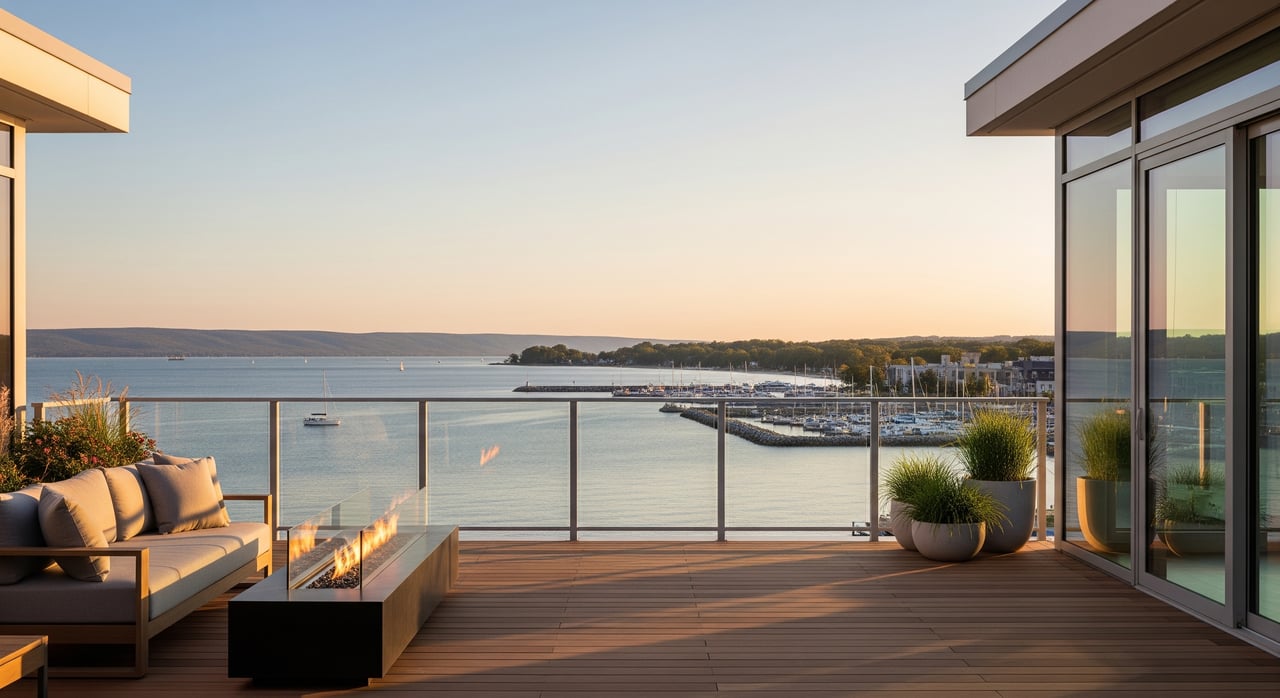
Downtown Traverse City and the neighborhoods along West Bay and East Bay offer walkability to restaurants, shops, and festivals. Lots are smaller and private waterfront is limited inside the city, but you get easy access to amenities and an efficient arrival routine.
Old Mission Peninsula
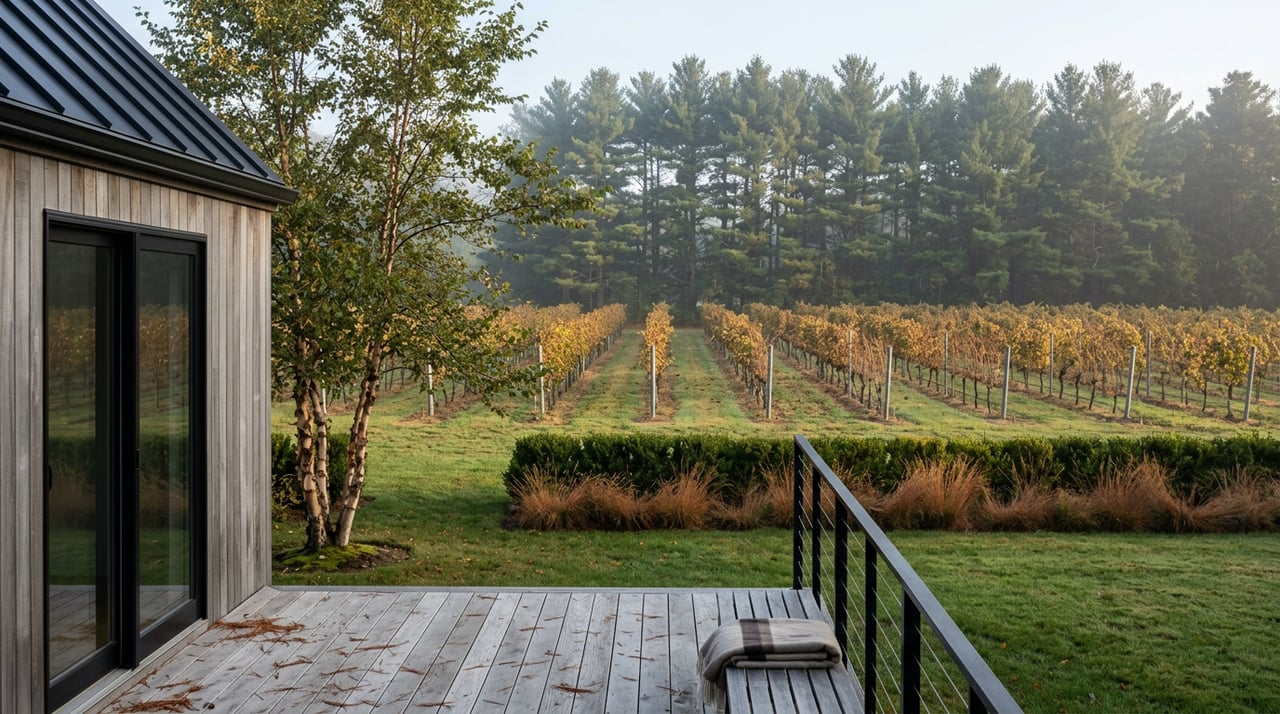
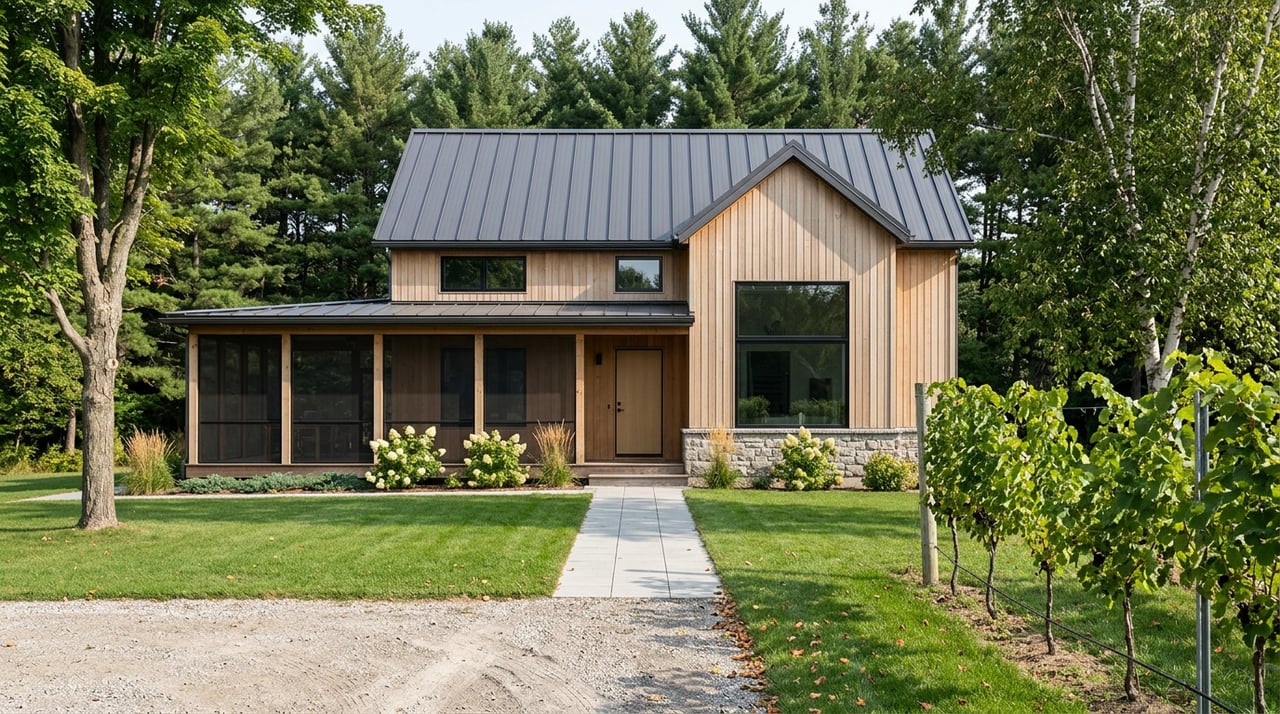
Peninsula Township stretches into Grand Traverse Bay with vineyards, farms, scenic roads, and select shoreline parcels. It feels quiet and rural, yet you are typically 15 to 30 minutes from downtown. It suits buyers who want a retreat vibe without feeling remote.
Acme, Garfield, and Interlochen
These areas blend suburban and rural settings with efficient access to TVC and regional routes. You will see newer construction, neighborhood amenities, golf, and nearby lakes. Many homes are simpler to winterize than older lake cottages.
Lakefront on the Bays and Boardman Lake
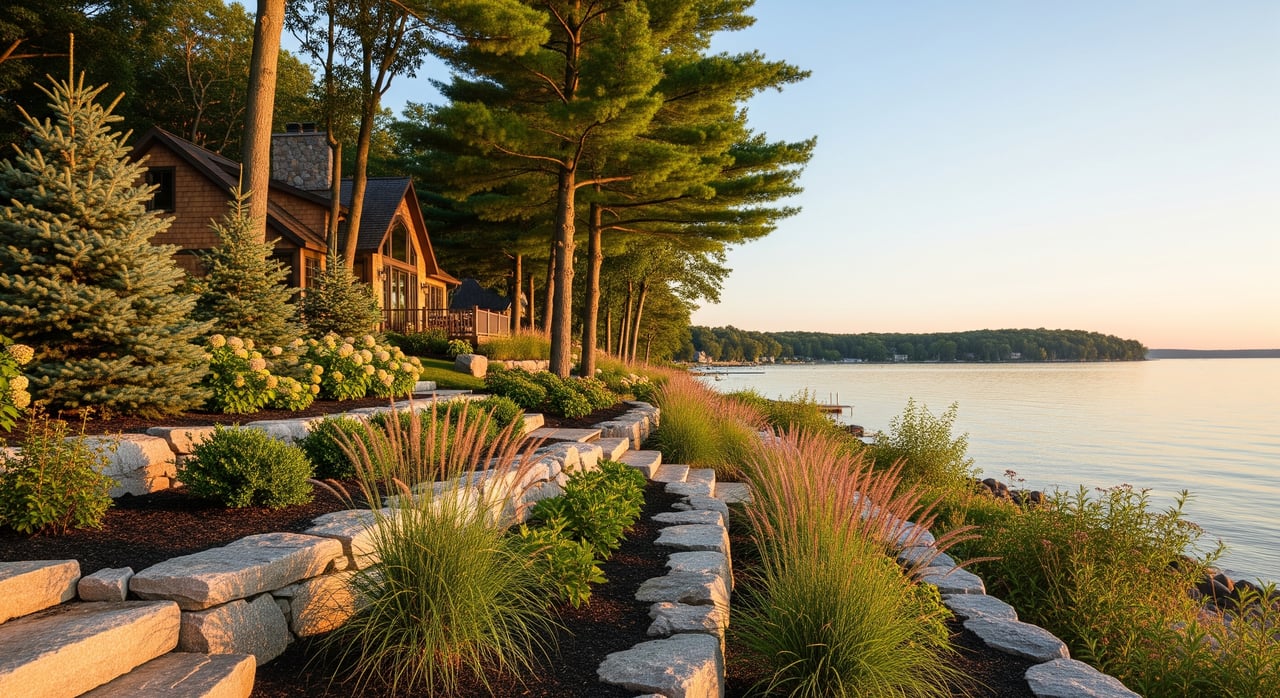
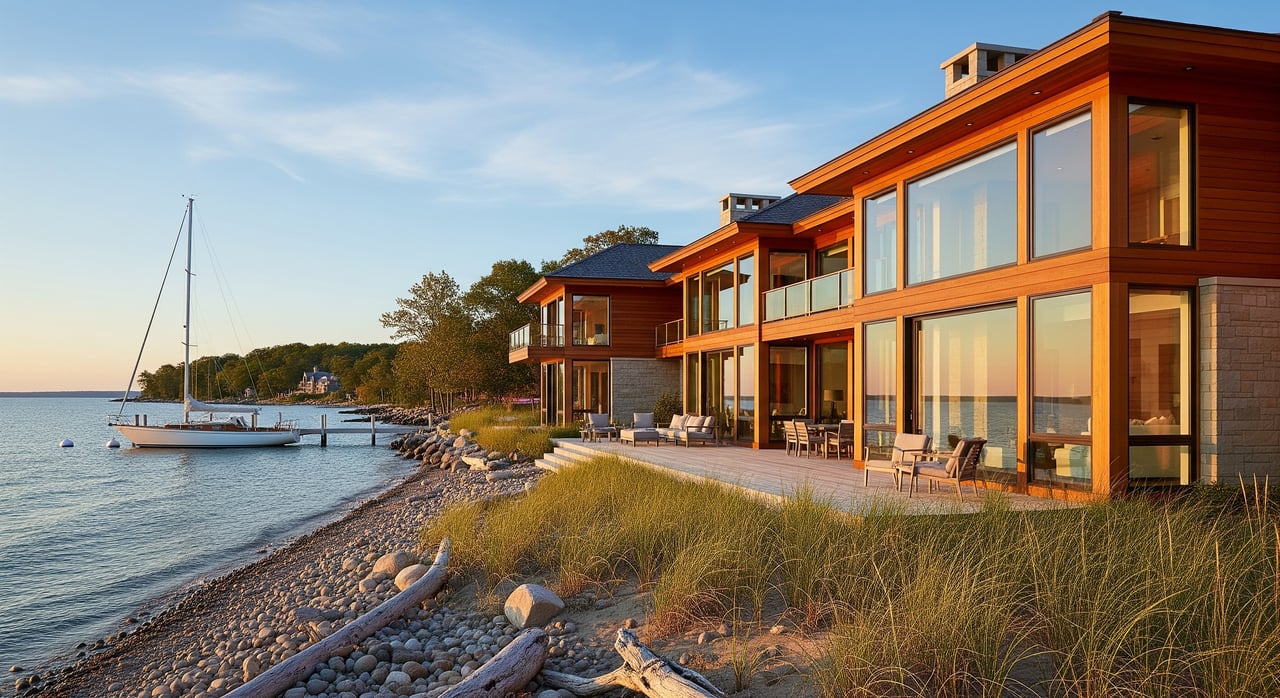
Waterfront on West Bay, East Bay, and Boardman Lake delivers views and direct recreation. Plan for shoreline care, winter wind and ice exposure, and dock or seawall maintenance. Insurance and maintenance needs can be higher than in‑town properties.
Nearby resort towns and rural townships
Border areas near Leelanau County and places like Elk Rapids offer quieter settings and distinct peninsula character. Drive times are longer, but many buyers value the serenity and scenery.
Property types that fit a second home
Condos and townhomes
Condos in or near downtown simplify weekend living with lower maintenance and often one‑level layouts. Review HOA rules, especially for short‑term rentals and winter maintenance standards.
Single‑family near town
A non‑waterfront home near amenities balances privacy with simpler upkeep. These properties are often easier to winterize and may have garages or storage for gear.
Lakefront cottages and year‑round homes
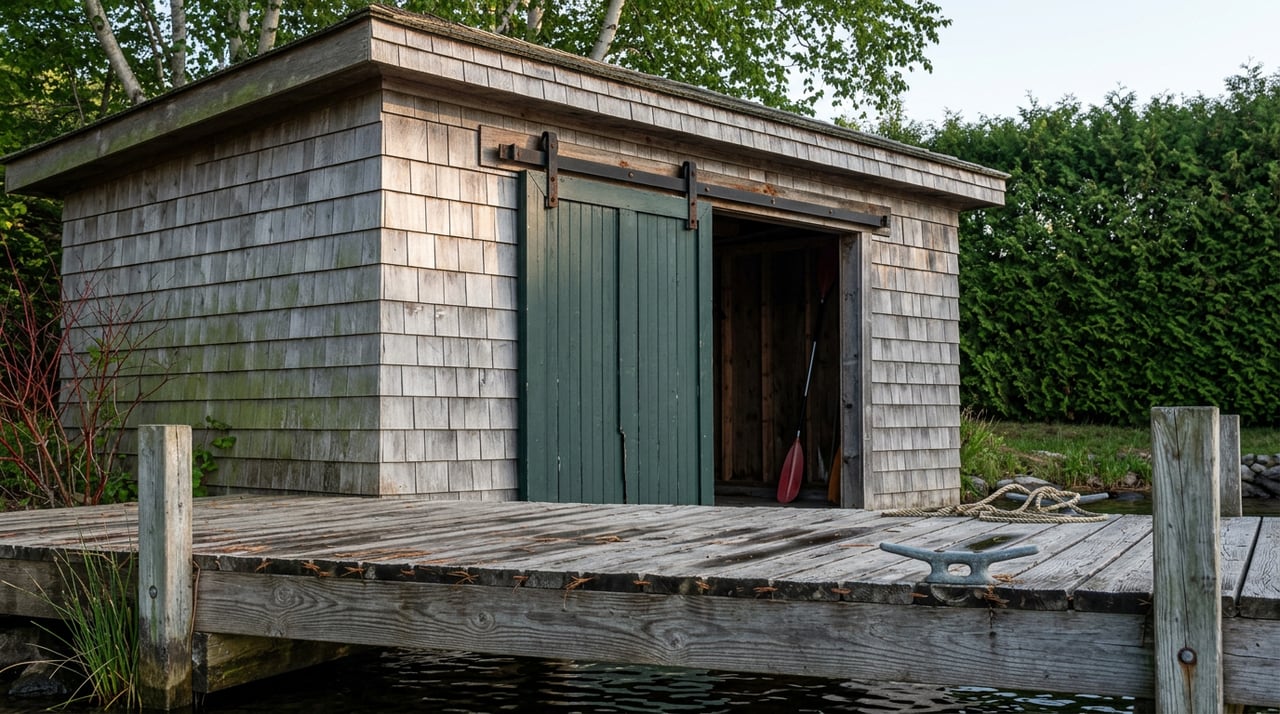
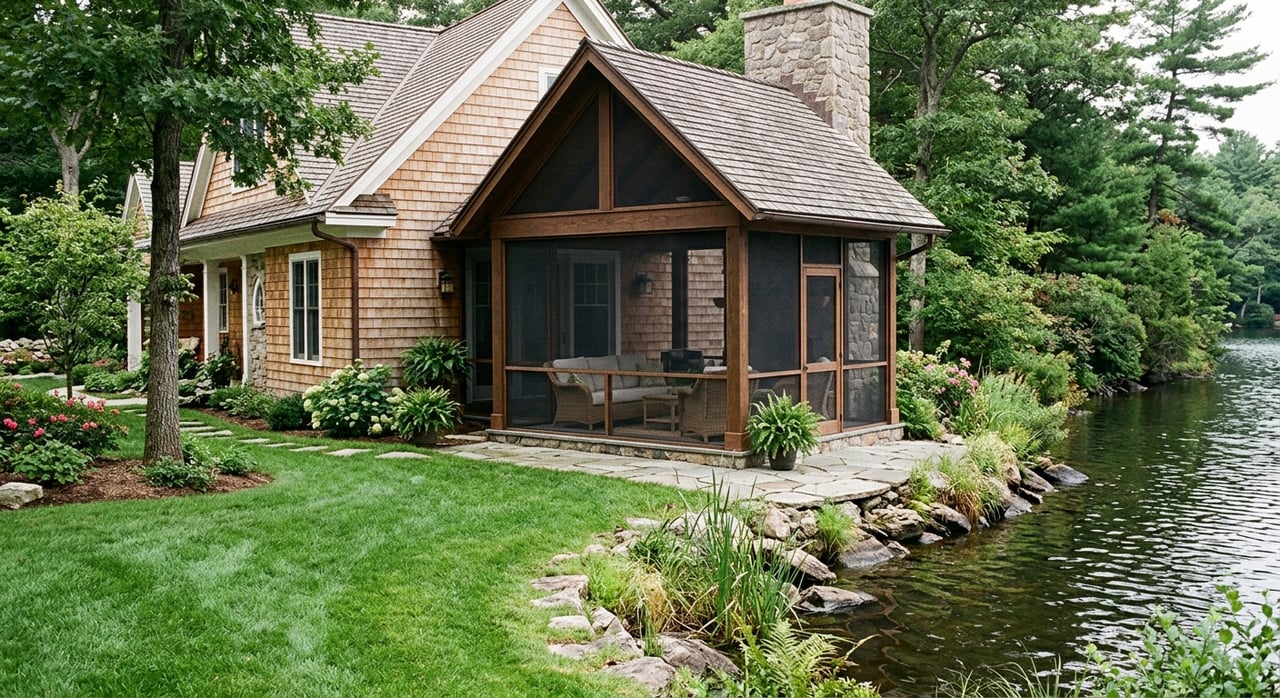
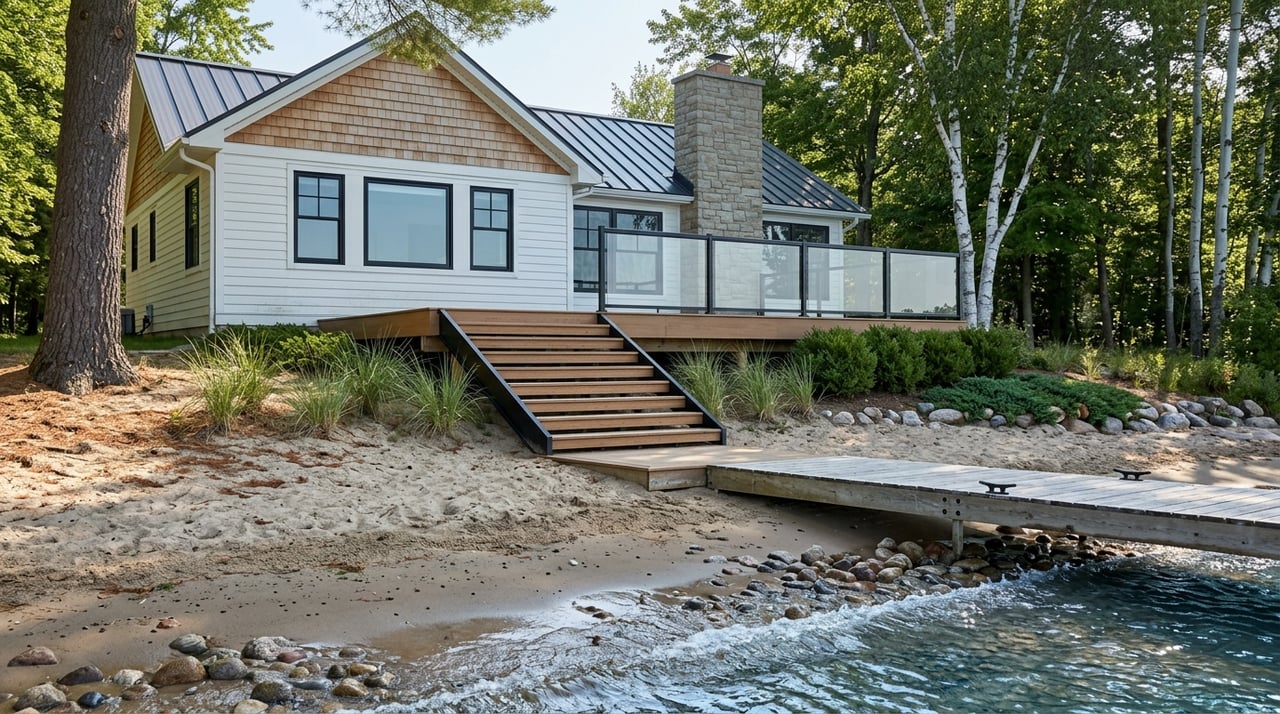
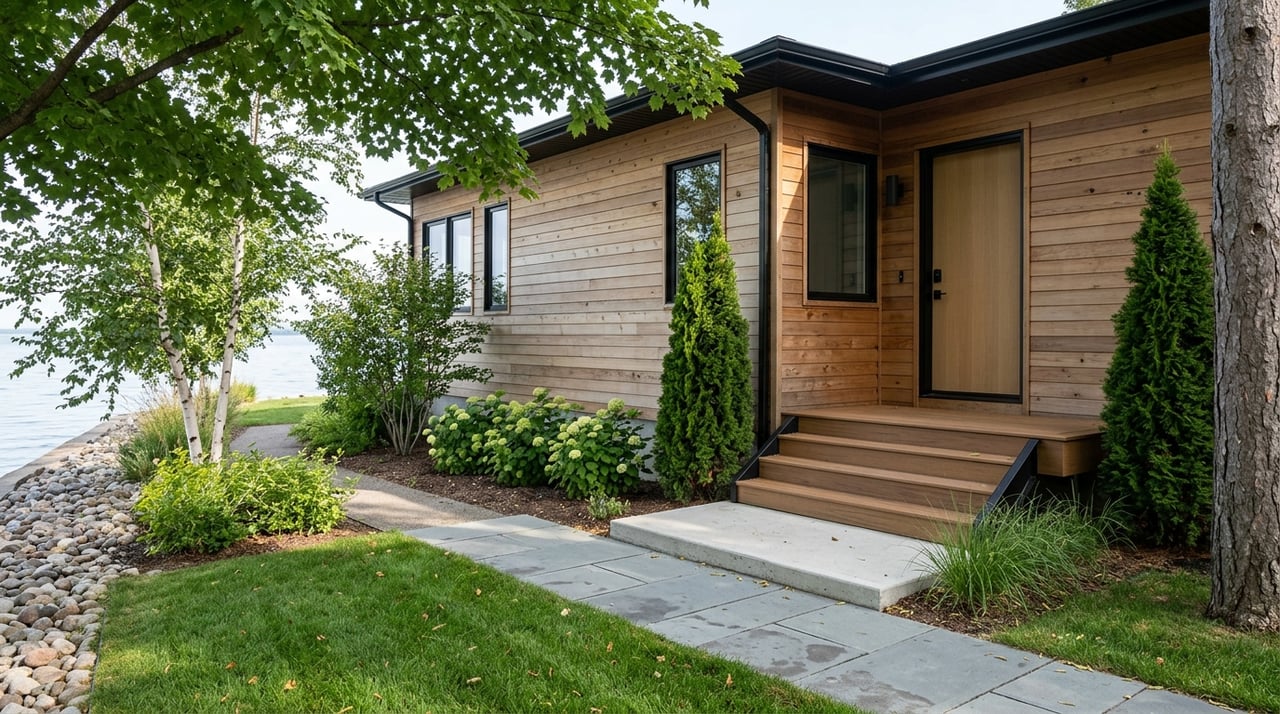
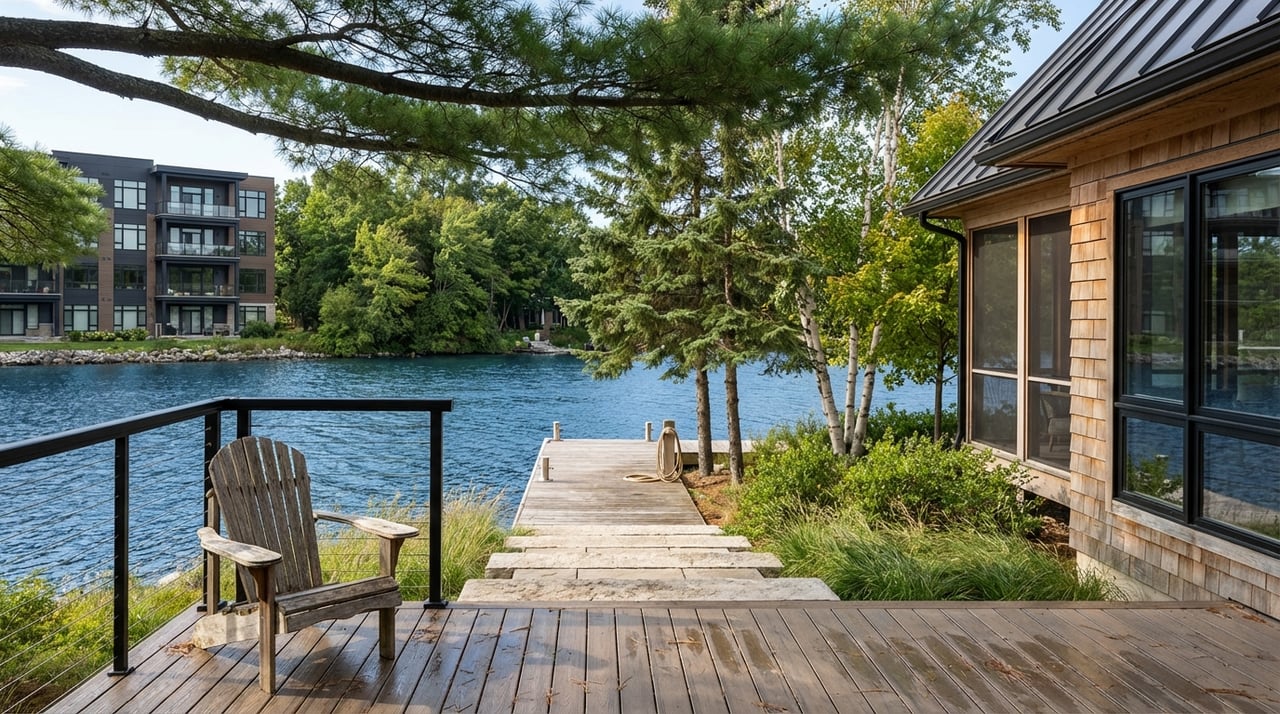
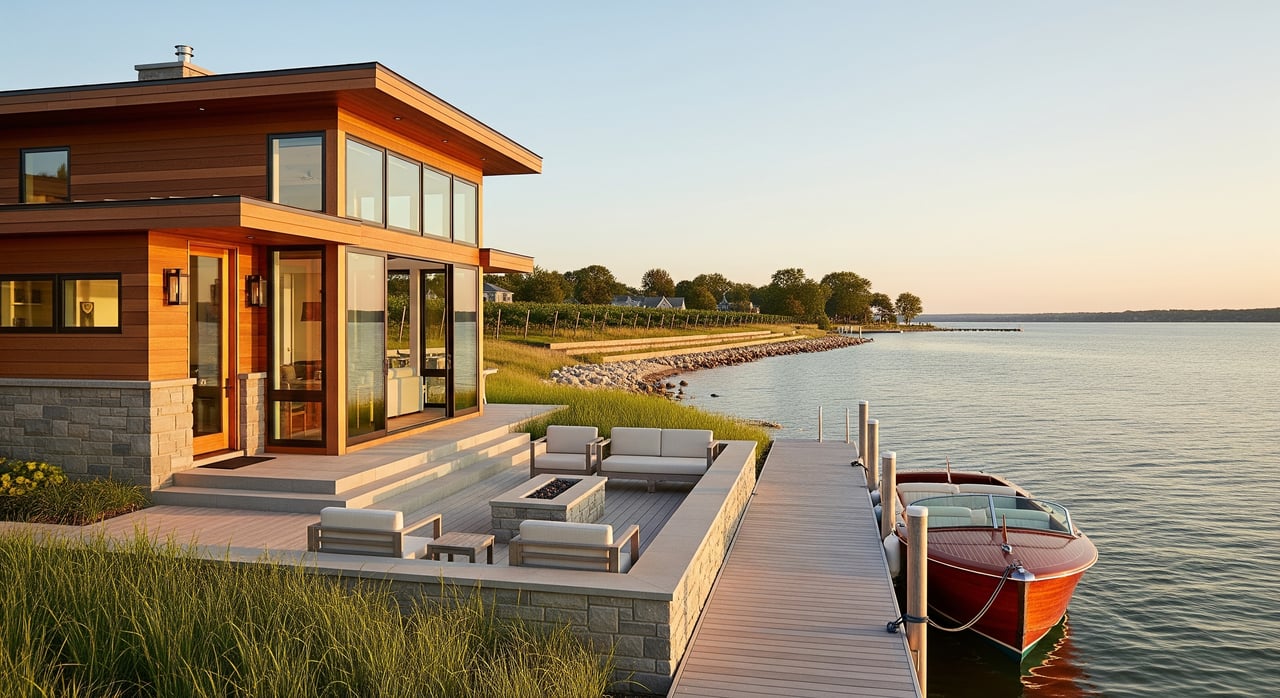
Lakefront is the Northern Michigan dream. Inspect docks, seawalls, and shoreline stabilization. Ask about erosion history and permits for any structures at the water’s edge.
New or recently renovated homes
Modern HVAC, tighter building envelopes, and upgraded insulation reduce winterization tasks. You may also see better energy efficiency and remote‑monitoring features.
Vacant land
If you plan to build, confirm permitting needs for shoreline, wetlands, septic, and wells. Timelines are longer and require careful planning with survey and utility hookups.
Key features to prioritize
- Low‑maintenance landscaping and a driveway that is easy to plow.
- Robust heating and insulation to prevent frozen pipes.
- Garage or insulated storage for vehicles, boats, and equipment.
- Verified internet providers and speeds for the exact address.
- Security system, smart thermostats, and remote water shutoff valves.
- Whole‑house surge protection and a generator option.
Short‑term rental and zoning
Local rules for short‑term rentals vary by city and township and can change. Traverse City, Grand Traverse County, and nearby townships may require permits, registration, occupancy limits, or lodging taxes. Review HOA and condo rules as well. Verify current regulations and any neighborhood restrictions before you write an offer.
Own and close from Chicago
Ownership choices
You can hold title personally or with others as joint tenants or tenants in common. Some buyers use a revocable trust for estate planning or an LLC for liability and privacy, especially if they plan to rent. Lender requirements, insurance terms, and tax reporting can differ by structure. Consult your attorney and CPA to choose the best path for your needs.
Remote closing methods
Remote options are common. You can use e‑closings, mail‑away signing with local notarization, Remote Online Notarization where supported, or a Power of Attorney that allows a trusted representative to sign on your behalf. Confirm your lender and title company’s accepted methods in writing early in the process.
Wire safety
Protect yourself from wire and escrow fraud by verifying any wiring instructions over the phone using a known, trusted number. Do not rely on email instructions alone.
Inspections that protect you
Standard home inspection
You will want a full review of structure, roof, HVAC, plumbing, and electrical. In cold climates, ask about roof age, ventilation, and insulation that help prevent ice dams.
Well water testing
For properties on private wells, order certified tests for bacteria and common contaminants. Follow Michigan health guidance for standards and recommended intervals.
Septic inspection
Confirm system capacity, permits, pumping history, and a current inspection by a licensed septic professional. Older systems may need updates.
Shoreline, dock, and bulkhead
If you are buying waterfront, inspect docks, seawalls, and stabilization. Confirm permits, check for ice damage, and understand maintenance needs.
Pest and WDI
Termites and carpenter ants can occur in Michigan. Order a wood‑destroying insect inspection if indicated.
Radon testing
Some Michigan areas have elevated radon. A test is quick and inexpensive, and mitigation is straightforward if needed.
Fuel systems and delivery
If the property uses oil or propane, inspect tanks, lines, and burner equipment. Confirm local delivery logistics and winter access.
Survey and setbacks
A survey clarifies lot lines, easements, and shoreland setbacks, which is essential for any future work like docks, additions, or shoreline projects.
Insurance for second homes
- Vacancy and seasonal occupancy can affect coverage. Many policies limit vacancy periods. Be candid about your usage and ask about endorsements for second homes.
- Flood is not covered by standard homeowner policies. Check FEMA maps and lender requirements if you are near water. Consider NFIP or private flood options.
- Wind and hail can drive higher deductibles in northern climates. Review limits and terms.
- Docks and watercraft may require added liability or umbrella coverage.
- If you plan to operate a short‑term rental, you will likely need a different policy or specific endorsements.
- Some insurers limit older homes or certain locations. Start quotes early and verify any inspection requirements.
Your 60‑day purchase plan
Day – Before offer
- Get pre‑approved if you plan to finance and confirm cash for earnest money and down payment.
- Select a local agent experienced with out‑of‑market buyers and the Traverse City area.
Day 0: Offer accepted
- Deposit earnest money per the contract.
- Open escrow with a title company that supports remote closings.
Days 1 to 7: Inspections and disclosures
- Schedule the home inspection, WDI, well water test, septic inspection if applicable, and radon test.
- Add specialists for docks, seawalls, or a site survey if needed.
- Review seller disclosures for water source, septic, and any lead paint notices.
Days 7 to 14: Resolution and appraisal
- Negotiate repairs or credits and schedule contractor quotes for any major items.
- If financing, the lender orders the appraisal and coordinates access.
Days 14 to 30: Underwriting and title work
- Provide lender documents and satisfy conditions.
- Title completes the search and issues a commitment. Resolve any exceptions or easements.
- Finalize insurance and deliver the binder to your lender or title company.
Days 30 to 45: Walkthrough and close
- Arrange a final walkthrough. Your agent can attend in person if you are remote.
- Confirm closing method, wiring instructions, and notarization steps.
- Fund, sign, and record.
Days 45 to 60: After closing
- Transfer or set up utilities and internet.
- Set winterization tasks, landscaping, and snow removal.
- Change locks, set up smart access, and schedule property checks.
Write a strong remote offer
- Include a clear inspection period with the right to negotiate or terminate.
- Use an appraisal contingency if you are financing.
- Set firm dates for loan commitment and appraisal.
- Clarify possession timing, key handoff, and access details like lockbox codes.
- Request HOA or condo documents, utility histories, and any shoreline or dock permits.
- Reserve the right to use a Power of Attorney that meets lender and title requirements.
Concierge vendor checklist
- Real estate attorney with Michigan experience and POA capability.
- Title and escrow company that supports e‑closing, mail‑away, or RON and has clear wire protocols.
- Home inspector plus specialists for wells, septics, docks, and shoreline.
- Certified lab for well water testing with clear chain‑of‑custody.
- Licensed septic inspector or soil evaluator with permit knowledge.
- Surveyor to verify boundaries and shoreland setbacks.
- Insurance agent familiar with second homes, flood options, umbrella policies, and STR coverage.
- Property manager or caretaker for winterization, snow removal, periodic checks, and turnovers if you rent.
- HVAC and plumbing contractors skilled in freeze prevention and seasonal setups.
- Electrician and generator service for transfer switches and battery backups.
- Roofing and siding contractors for ice dam mitigation and local roof designs.
- Dock and marine contractors for permits, seasonal launch, removal, and winter storage.
- Landscaper and snow‑removal service with clear response times and insurance.
- Locksmith and smart‑lock installer for secure access and remote control.
- Internet and cable providers vetted by address, plus a cell coverage check.
- Local utility contacts for electric, municipal water and sewer if applicable, and propane or oil suppliers.
When you vet vendors, ask for references from out‑of‑area owners, confirm licensing and insurance, and request written scopes, flat rates for seasonal tasks, and emergency response procedures.
Closing, possession, and the first 30 days
Clarify possession on the offer so you know when you get keys and access. After you close, change locks and set up smart access for you and your property manager. Transfer utilities to your name, confirm thermostats and freeze protections, and schedule seasonal services. If your home is on a private well and septic, set a maintenance calendar for testing and pumping. For waterfront, plan spring commissioning and fall haul‑out for docks and boats.
Ready to explore weekend‑friendly properties, set a remote‑closing plan, and move quickly when the right listing appears? Connect with Carly Petrucci to Request a Private Consultation and get concierge guidance tailored to Chicago buyers in Grand Traverse County.
FAQs
Can I close remotely from Chicago on a Traverse City home?
- Yes. Many buyers use e‑closings, mail‑away signings, Remote Online Notarization where supported, or a Power of Attorney. Confirm accepted methods with your lender and title company early.
How long does a second‑home purchase take if I am out of state?
- A prepared buyer often closes in 30 to 60 days. Financing, appraisals, and specialized inspections can add time, so set expectations up front and coordinate early.
What inspections are essential in Northern Michigan?
- In addition to a standard home inspection, plan for well water and septic (if applicable), radon testing, and dock or shoreline reviews for waterfront properties.
Is lakefront worth the extra maintenance?
- Lakefront offers views and direct access but usually brings higher maintenance, shoreline care, and insurance considerations. Condos or in‑town homes trade that for lower upkeep and walkability.
Will my insurance be different for a second home or an STR?
- Second homes and short‑term rentals often carry different coverage needs, vacancy clauses, and premiums. Start quotes early and discuss flood, wind, liability, and STR endorsements with your agent.