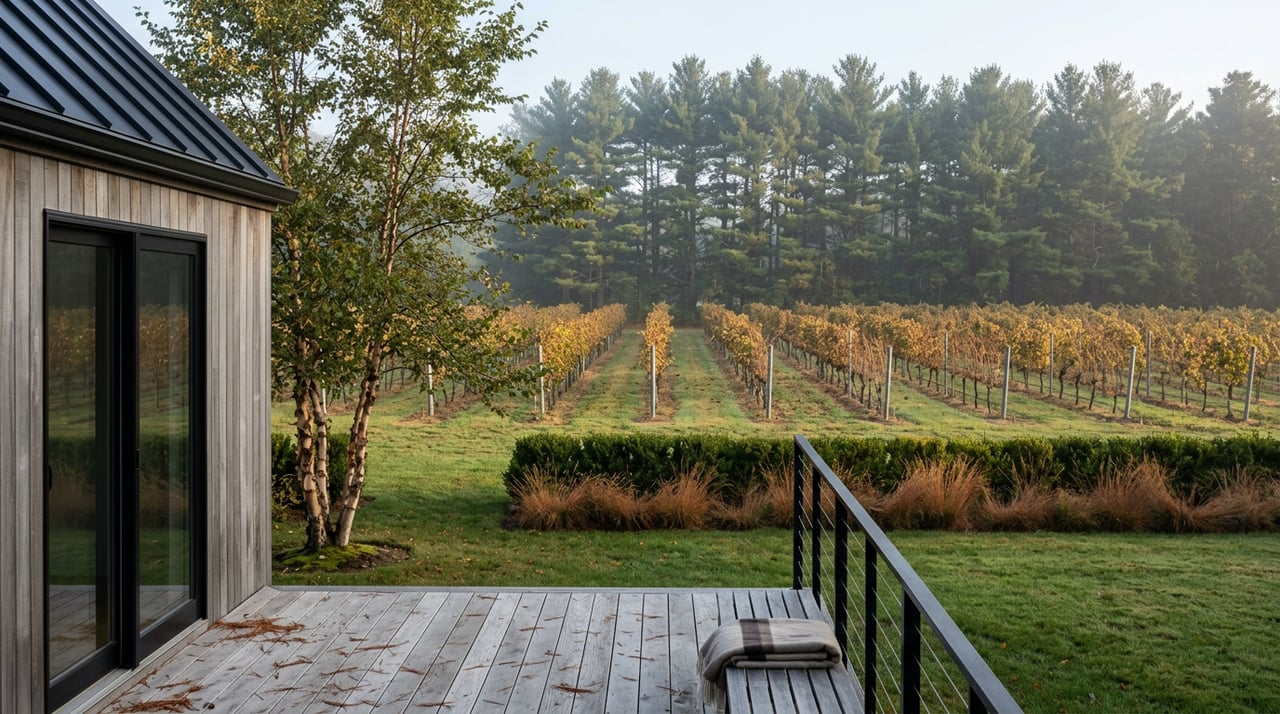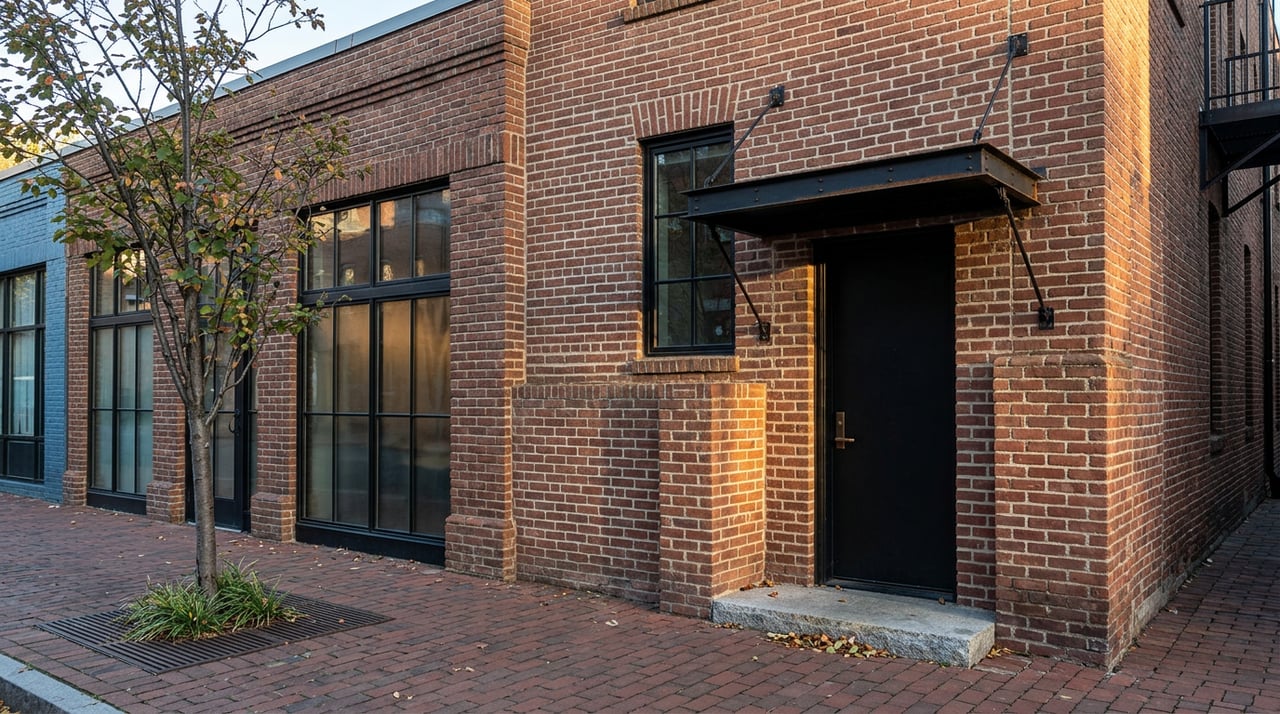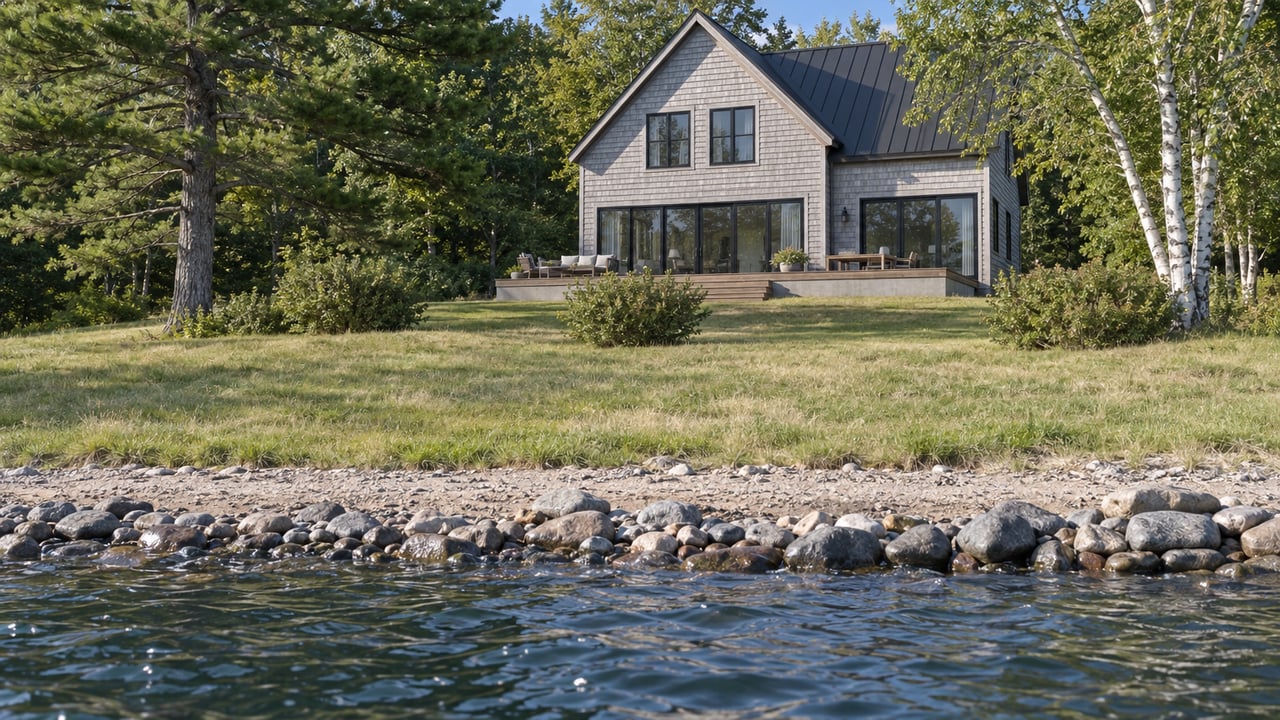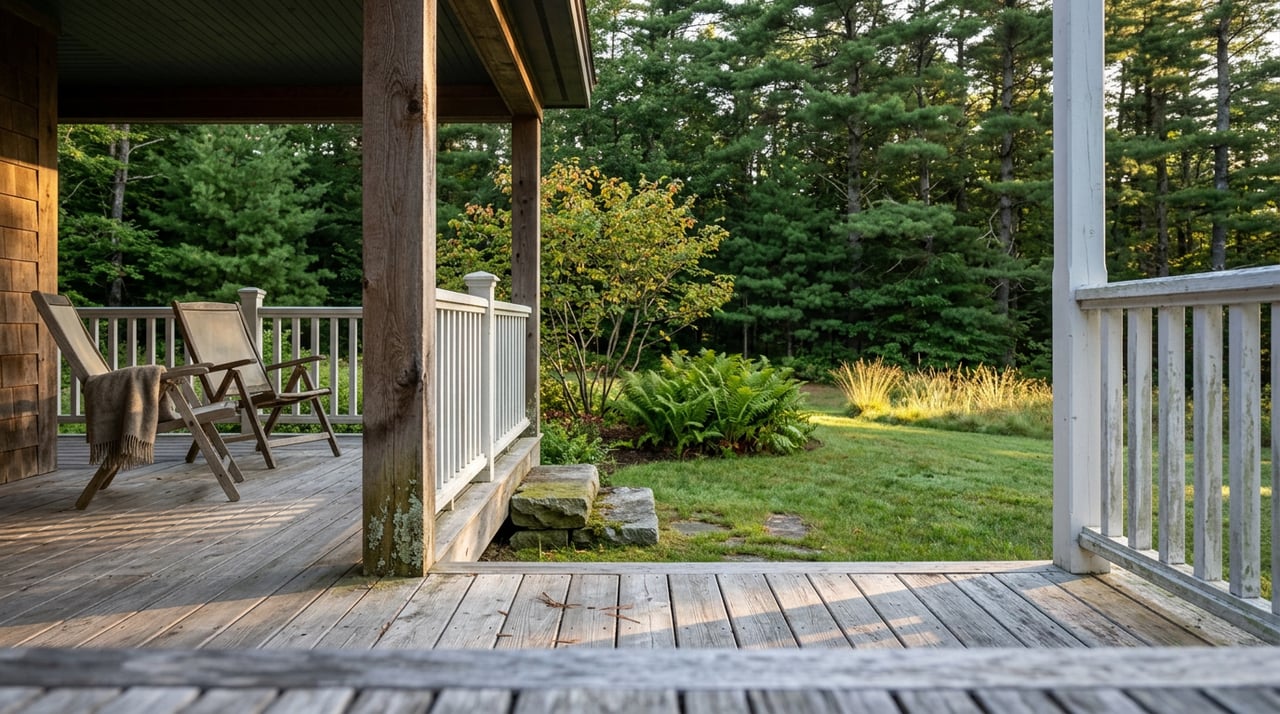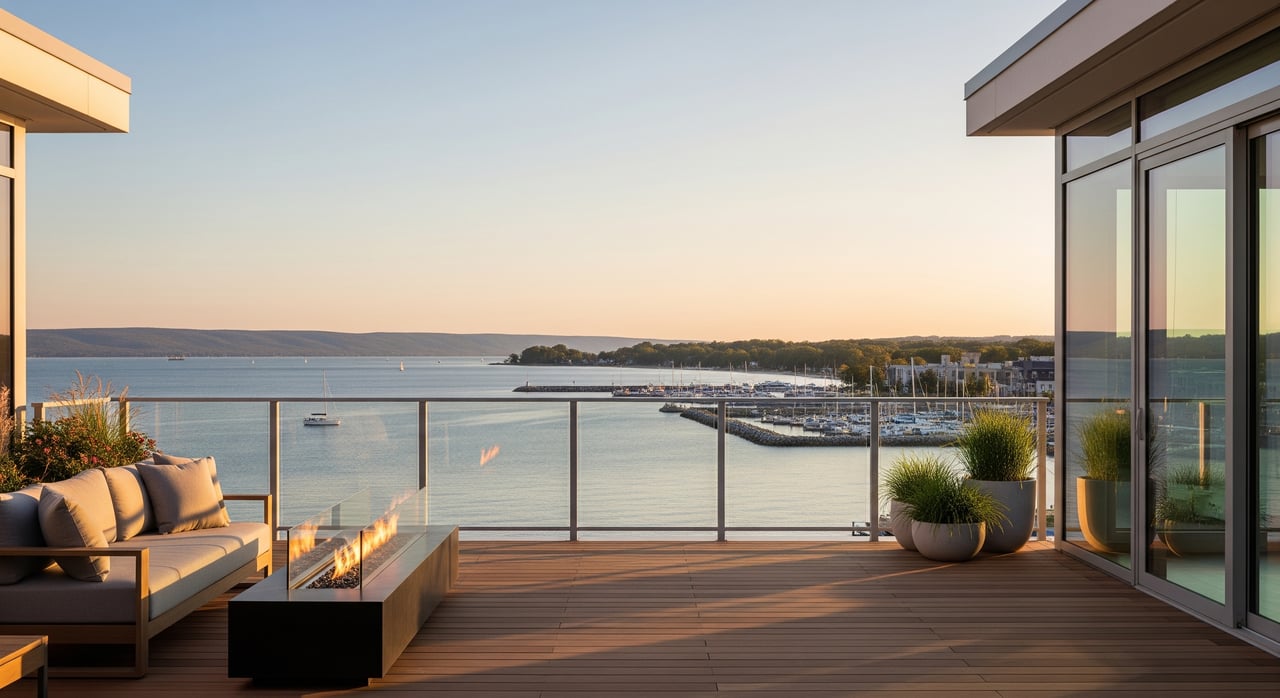
Imagine starting your day with a quiet shoreline walk, then grabbing coffee on Front Street before a sunset swim at Clinch Park. If you are drawn to water, walkability and a lively food scene, downtown Traverse City’s bayfront checks a lot of boxes. You might also wonder about parking, seasonal crowds, condo fees and winter logistics. This guide walks you through the day-to-day lifestyle, home options, costs and practical tradeoffs so you can decide if the waterfront core is the right fit. Let’s dive in.
Why the bayfront draws buyers
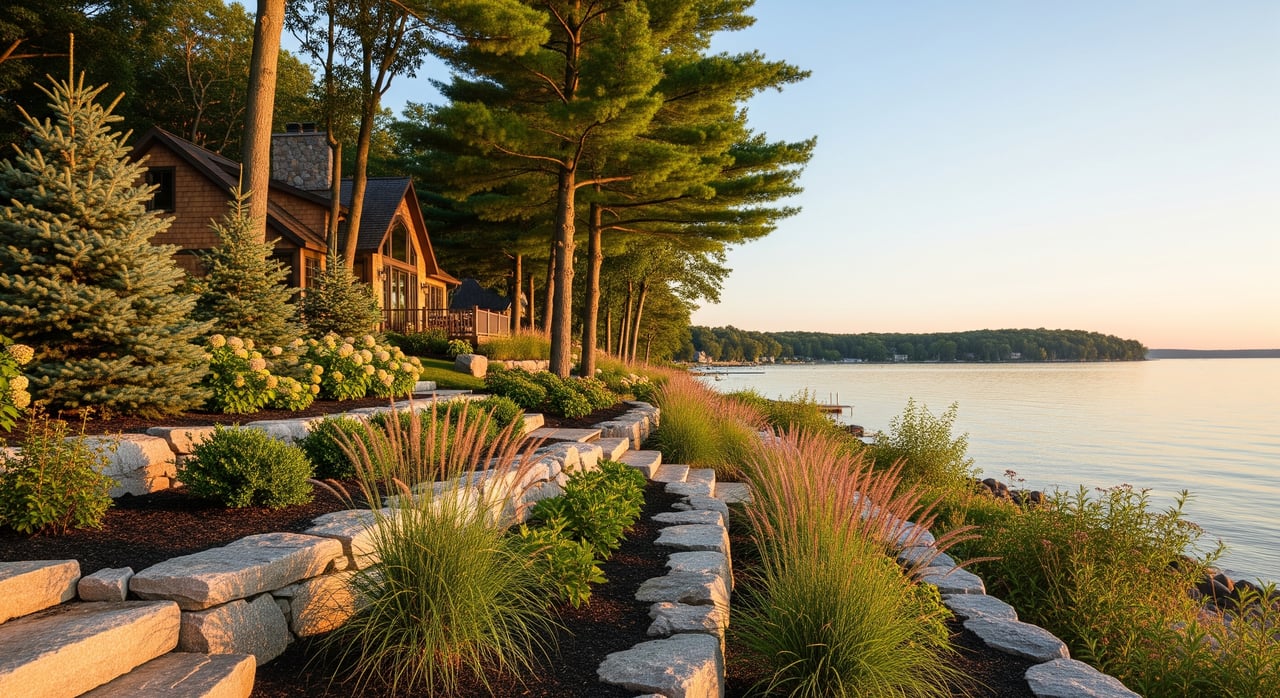
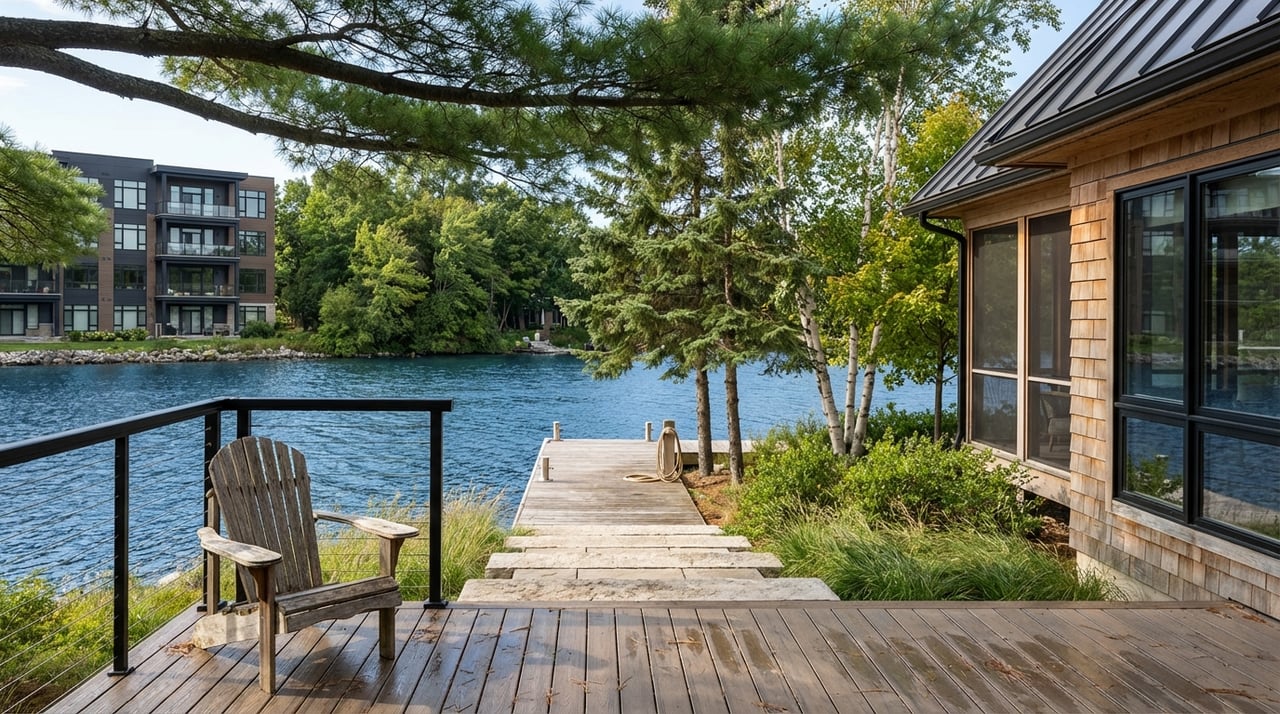
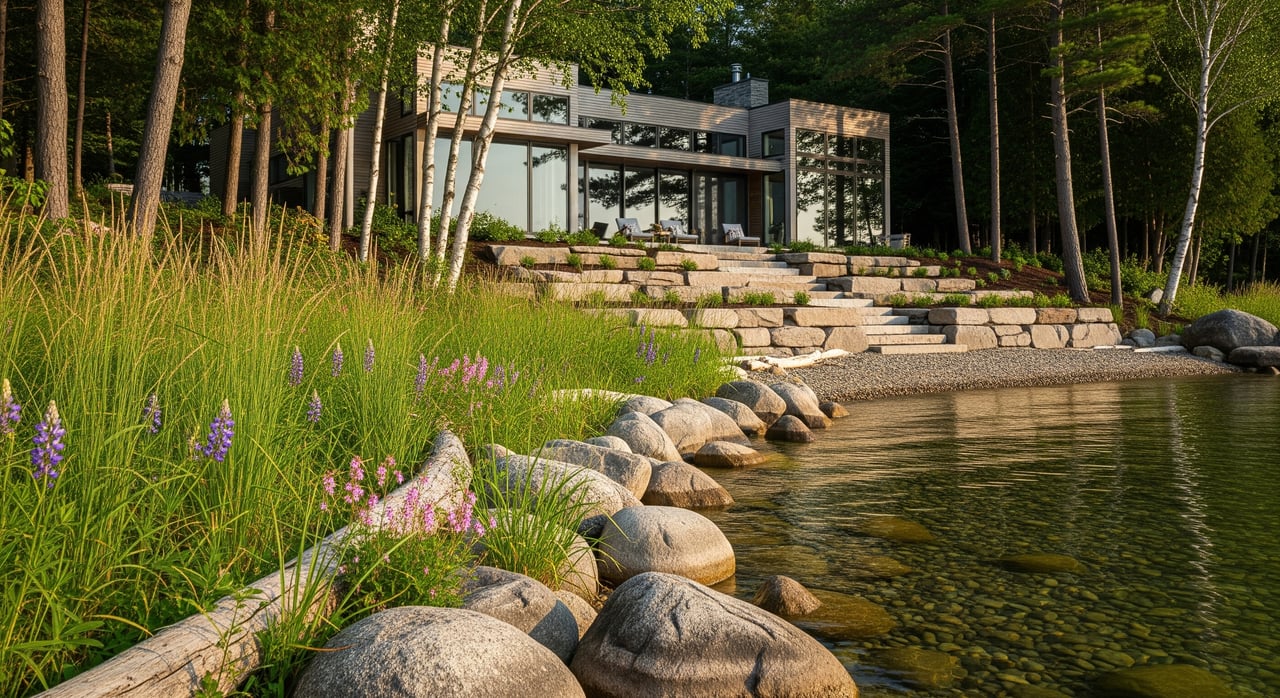
Downtown Traverse City sits along West Grand Traverse Bay, with the waterfront centered around Clinch Park and the municipal harbor. You can live steps from beaches, trails, cafes and galleries, all within a compact, walkable grid. The marina and promenade bring the water into daily life, while the short inland blocks link you to the Boardman River corridor. It is an easy place to run errands, meet friends and enjoy the outdoors without a long drive.
Everyday life on the water
Morning-to-evening rhythm
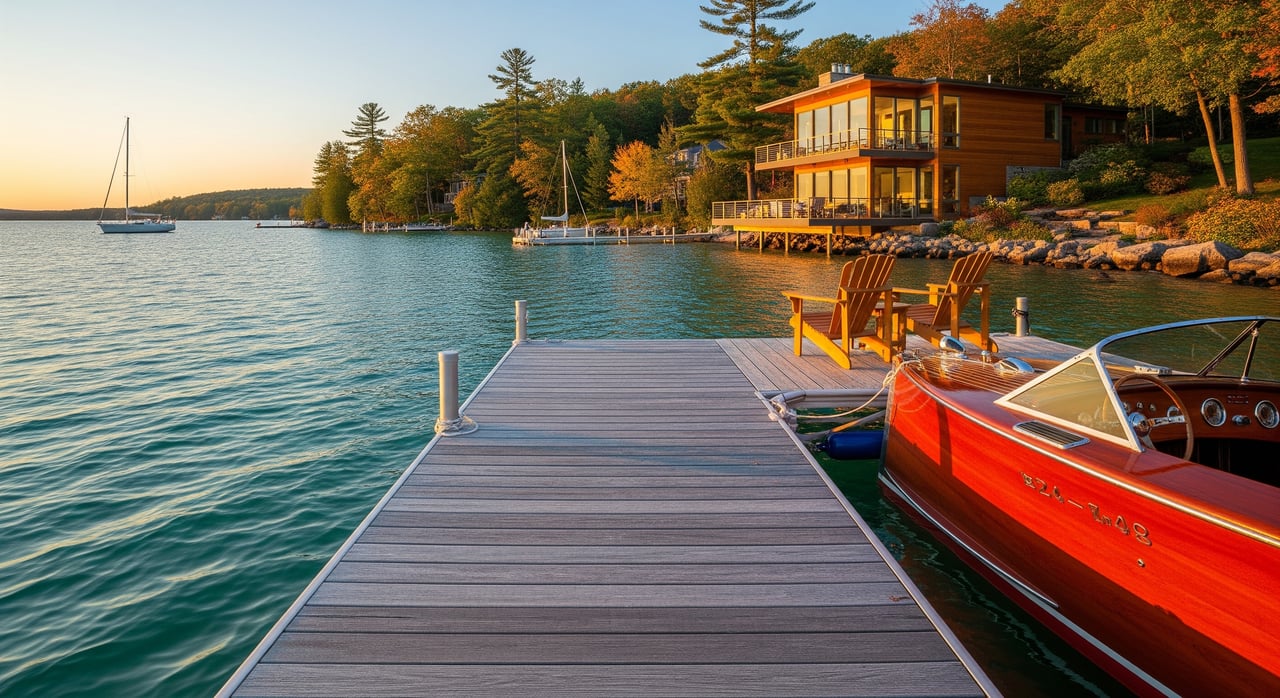
Summer days are active. Mornings often start with a jog or ride along the shoreline path, followed by errands and a quick lunch on Front Street. Afternoons invite beach time, paddling or a casual sail from the nearby harbor. Evenings bring street music, patio dining and bay views that make a quick walk feel like a mini vacation.
Dining, markets and culture
You can cover a lot of ground on foot. Downtown is packed with independent restaurants, tasting rooms, cafes and boutiques clustered within a few blocks. The seasonal farmers market near the bayfront adds fresh produce and a social stop to your week. Galleries and small venues keep the calendar full, and you are rarely more than a few minutes from your favorite spot.
Trails and outdoor access
The TART trail network connects the bayshore to nearby neighborhoods, making walking and cycling a natural part of daily life. Clinch Park Beach anchors the waterfront with sand, playgrounds and lawn space for picnics or winter walks. The Boardman River and Boardman Lake add paddling, fishing and greenway loops close to downtown, so you can switch from city to nature in minutes.
Home options near the bay
Bayfront condos and lofts
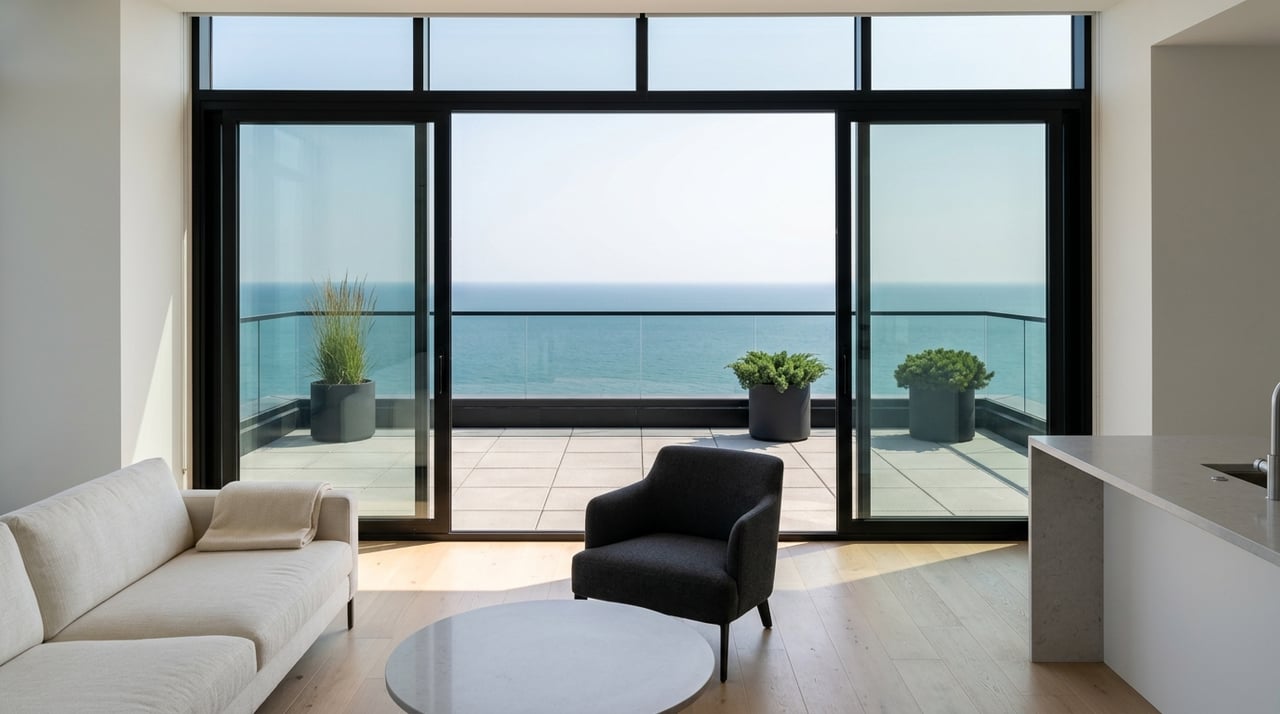
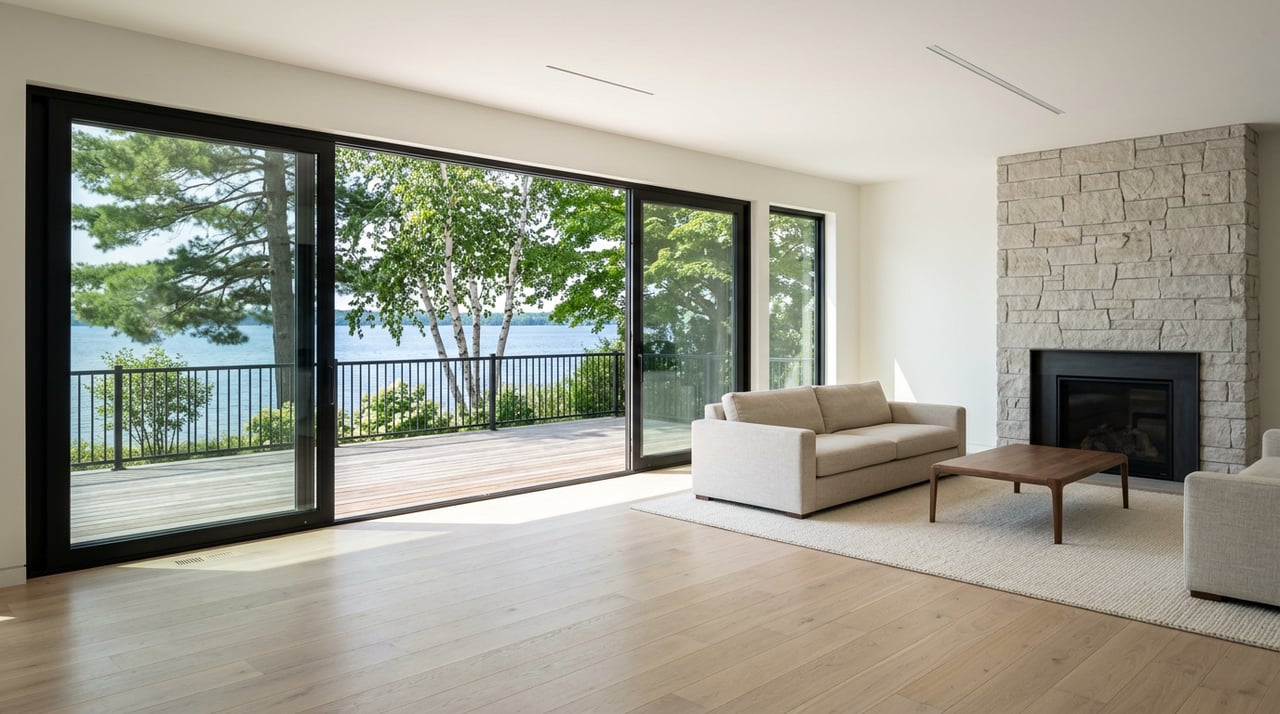
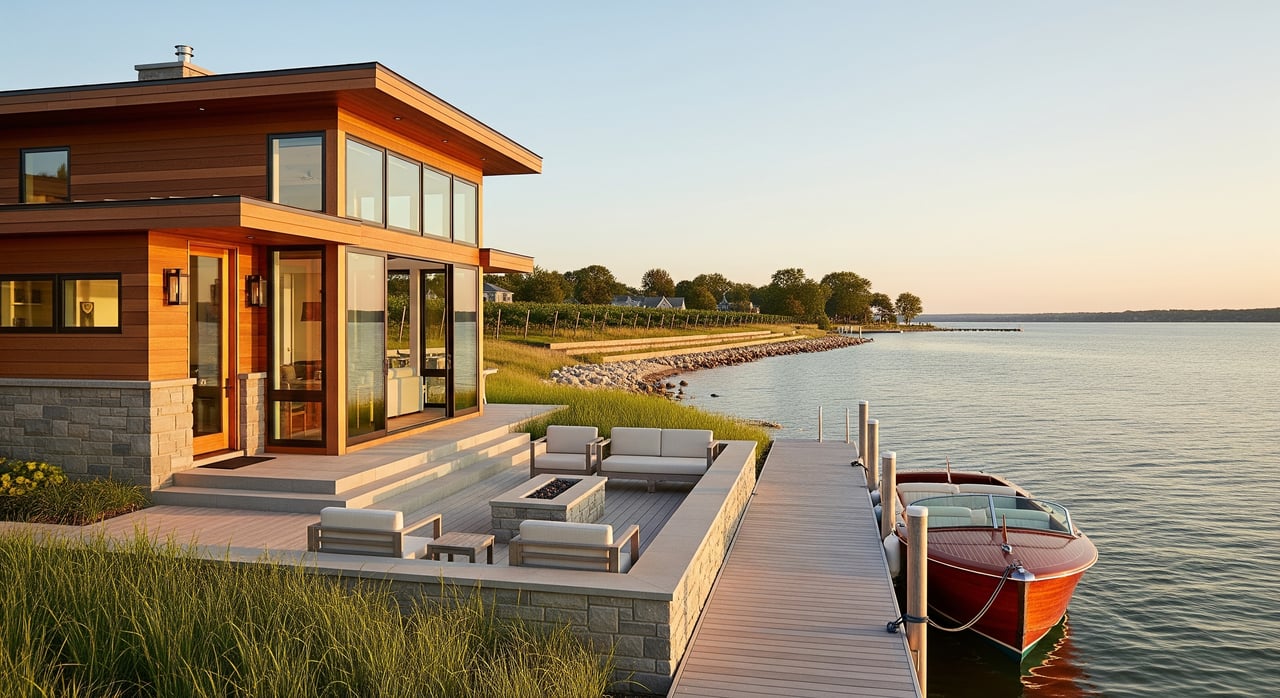
You will find a mix of condominiums, townhomes and loft-style residences above retail. Many offer bay views and low outdoor maintenance, which appeals if you want a lock-and-leave lifestyle. Expect homeowner association fees for shared amenities and services. The tradeoff is less private yard space but more time on the water or trails.
Historic streets nearby
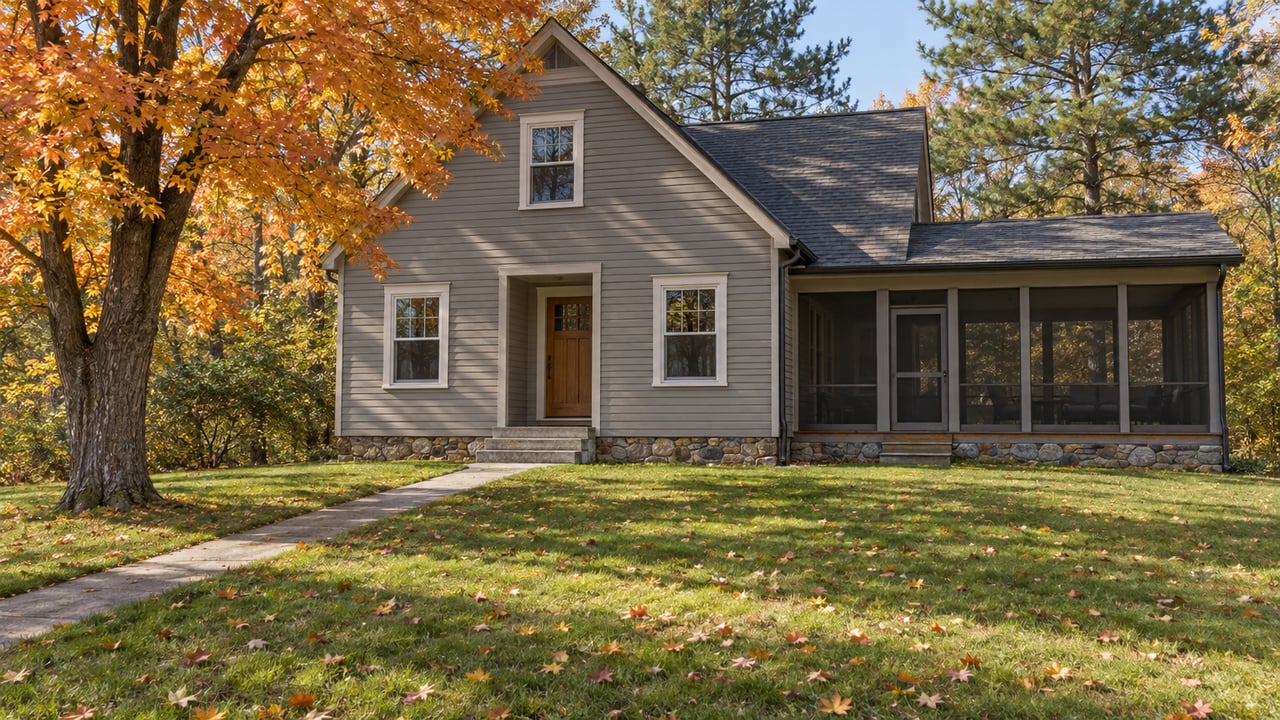
A short walk from the shoreline, older residential streets offer historic homes in styles like Victorian and Craftsman, plus early bungalows. These blocks feel quieter than the immediate waterfront, yet they are still an easy stroll or bike ride to downtown. Character homes can require more upkeep, so plan for renovation and maintenance as part of ownership.
New infill and modern builds
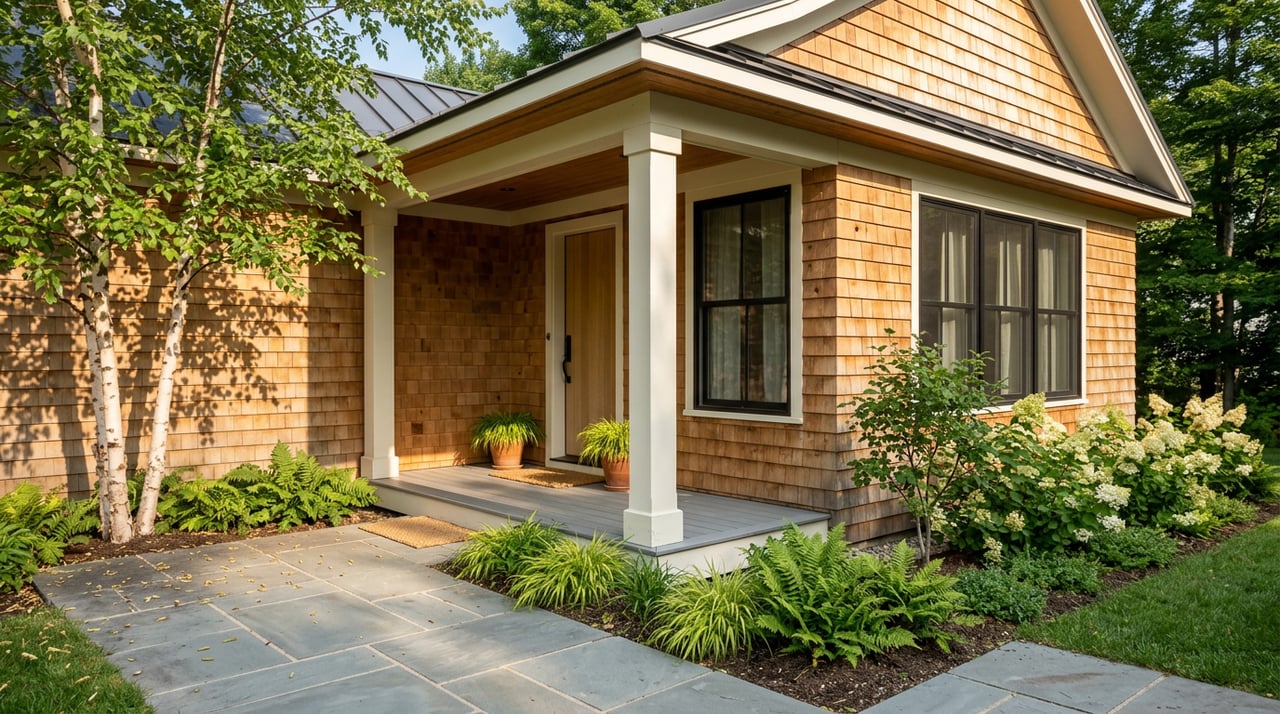
Some blocks feature newer infill and mixed-use projects with modern finishes. These homes deliver a contemporary look and efficient footprint in a prime location. Pricing often reflects the convenience of being close to beaches, restaurants and events. If you value new systems and low-maintenance exteriors, this category is worth a close look.
Tradeoffs to consider
Seasonality and crowds
Summer is the high season for festivals, boating and outdoor dining. It is lively, walkable and fun, but it also means fuller sidewalks and busier streets. Winters are colder and quieter, with snow and ice changing how you use the shoreline and trails. If you prefer calm year-round, you might focus on streets just off the waterfront.
Parking and mobility
Downtown parking can be tight during peak weekends and major events. Many residents rely on walking and biking for daily needs, which fits the compact layout. If you need a car every day, explore buildings with assigned parking or nearby garages. It helps to test-drive the parking routine at different times of day.
Noise and event calendars
Signature events like the National Cherry Festival and the Traverse City Film Festival bring energy to the core and can include street closures. That can be a plus if you love being in the middle of it all. If you want quieter evenings, tour homes during event weeks to gauge sound and foot traffic. Picking the right block often solves most concerns.
Costs and ownership logistics
HOA fees and building services
Condos and townhomes typically include HOA or condo fees that cover items like exterior maintenance, landscaping, trash and snow removal in some cases. Budget for these in addition to your mortgage and property taxes. Ask what the fees include, how reserves are managed and the history of assessments. Clear budgeting helps you enjoy the lifestyle without surprises.
Insurance, flood and shoreline rules
Some bayfront and low-lying areas fall within FEMA flood zones. Confirm a property’s specific status, any elevation considerations and whether flood insurance is recommended or required. Shoreline work like docks and seawalls may require permits at the city, county or state level. Understanding these rules up front keeps improvement plans on track.
Winter care and second-home needs
If you use your home seasonally, plan for winterization, snow removal and freeze protection. Many owners lean on local property managers for check-ins and seasonal turnovers. Cherry Capital Airport provides regional flights that simplify weekend trips and holiday visits. With a good plan, you can enjoy the best months and protect your home in the off-season.
Short-term rentals and local rules
Short-term rentals are popular in tourism markets, and rules can change. Check the City of Traverse City and Grand Traverse County for registration, occupancy and taxation requirements for any property you are considering. Understand neighborhood impacts, building policies and HOA restrictions before you buy. Clear expectations help you avoid compliance issues later.
Who this lifestyle fits
Bayfront living attracts buyers who value water access, walkability and a vibrant dining and arts scene. It works well if you prefer experiences over yard work and want a home base that makes weekend life feel effortless. If you need more space or absolute quiet, nearby residential streets or inland neighborhoods may be a better fit. The right choice balances daily convenience with the level of activity you enjoy.
How to evaluate homes
- Walk the neighborhood during different times of day, including a busy weekend.
- Visit during a major festival to gauge crowds, traffic and noise.
- Test parking and garage access if you plan to keep a car downtown.
- Review HOA documents, reserves and what the monthly fee covers.
- Ask about floodplain status, insurance needs and any shoreline permits.
- Map your daily routine to the TART trails, marina and Clinch Park.
- Confirm school options directly with local district resources if that matters to you.
- Plan a winter visit to see snow removal patterns and trail conditions.
Ready to explore listings that match how you want to live on the bayfront? Request a Private Consultation with Carly Petrucci to set up a private tour plan tailored to your lifestyle and timing.
FAQs
What is day-to-day life like on the downtown bayfront?
- Expect walkable routines to beaches, cafes and trails, lively summers with festivals and patio dining, and quieter winters with snow and waterfront walks.
Are there public beaches within walking distance of downtown?
- Yes. Clinch Park Beach anchors the waterfront with sand, playgrounds and greenspace right by the harbor and downtown promenade.
What home types are common near Clinch Park and Front Street?
- You will see bayfront condos and townhomes, lofts above retail, nearby historic single-family homes and some newer infill with modern finishes.
How do seasons affect living on West Grand Traverse Bay?
- Summer brings boating, swimming and high activity, while winter brings snow and ice, quieter trails and a pause in boating until spring.
What should buyers know about flood risk near the shoreline?
- Portions of the bayfront lie in FEMA flood zones. Verify each property’s status, insurance needs and any elevation or permitting considerations.
Are short-term rentals allowed in downtown Traverse City?
- Rules vary by location and change over time. Confirm city and county requirements, registrations, taxes and HOA policies before you buy.