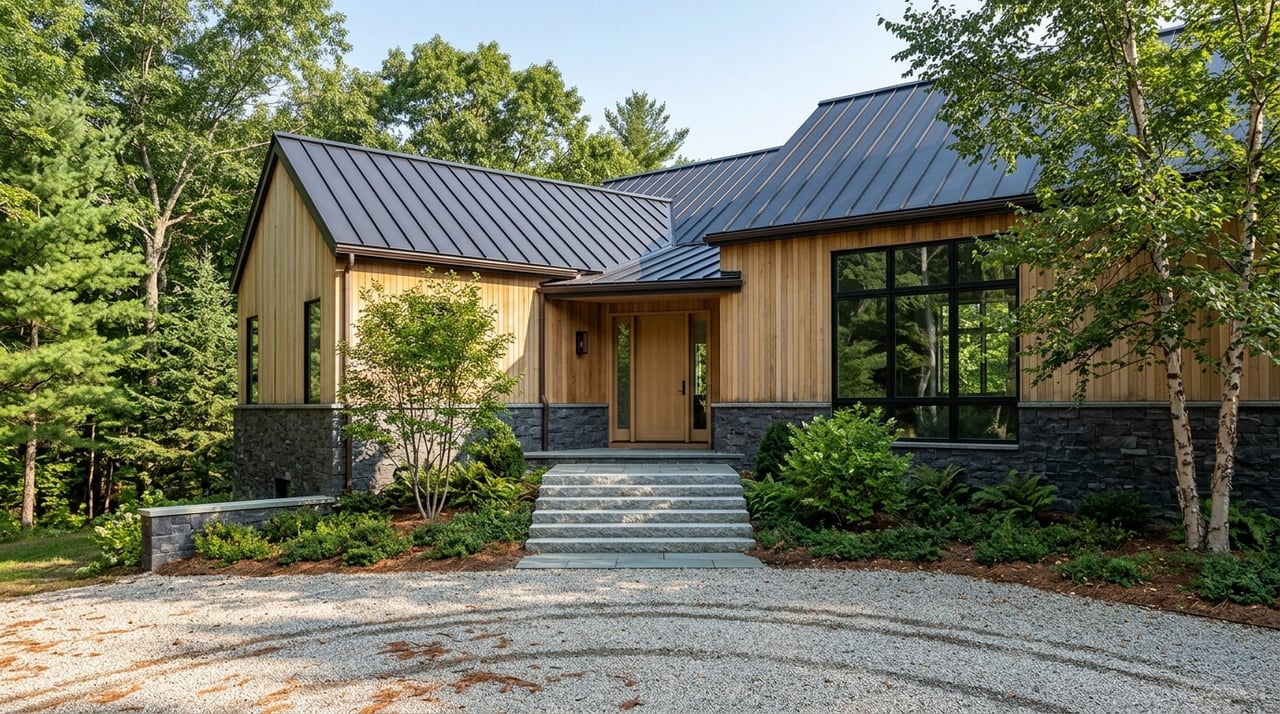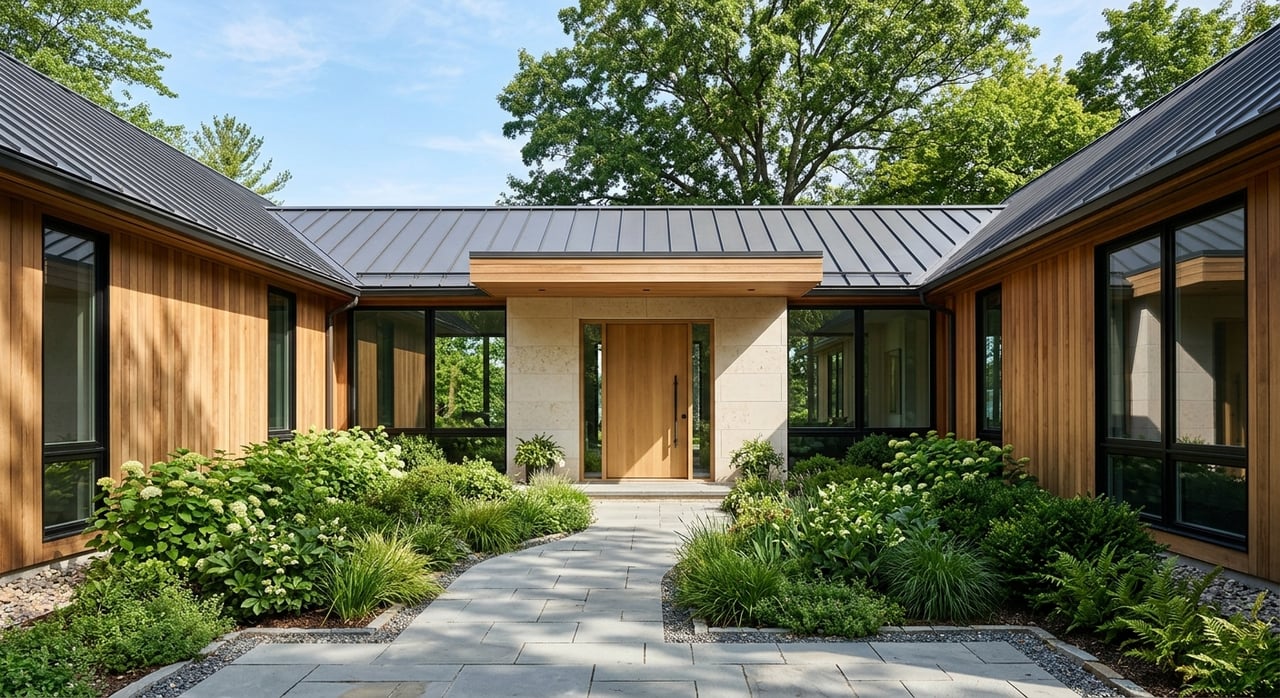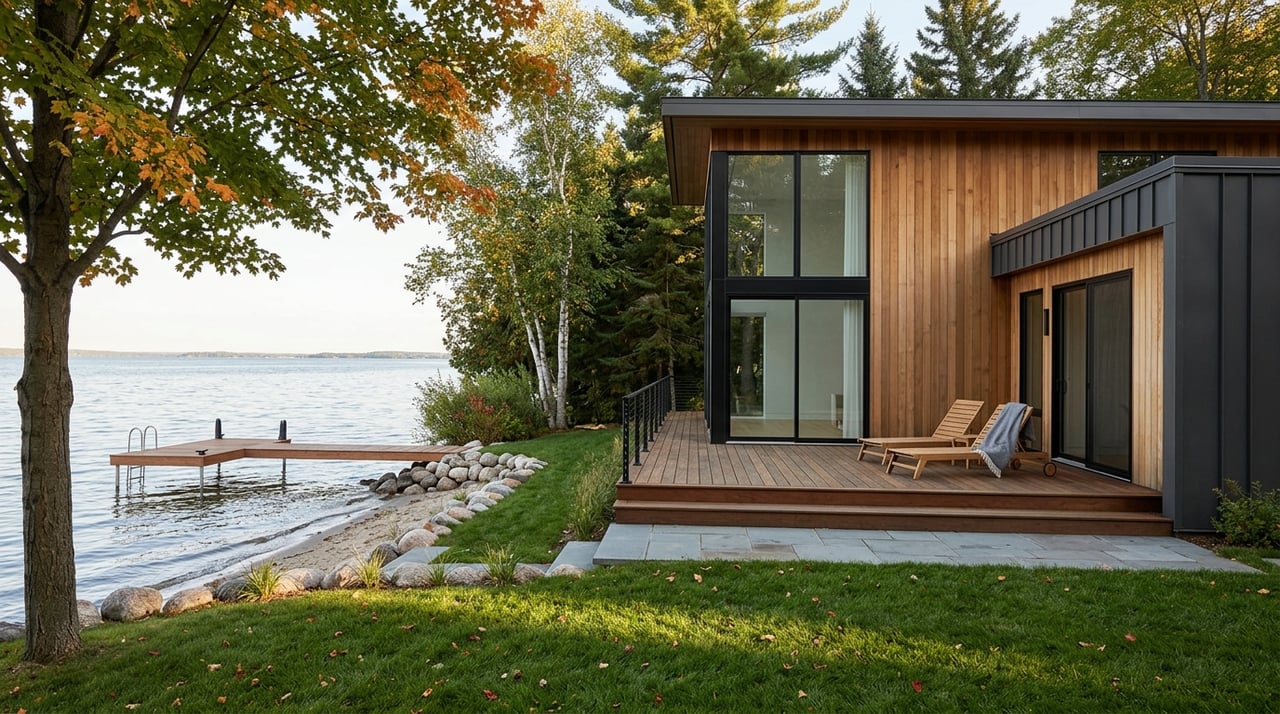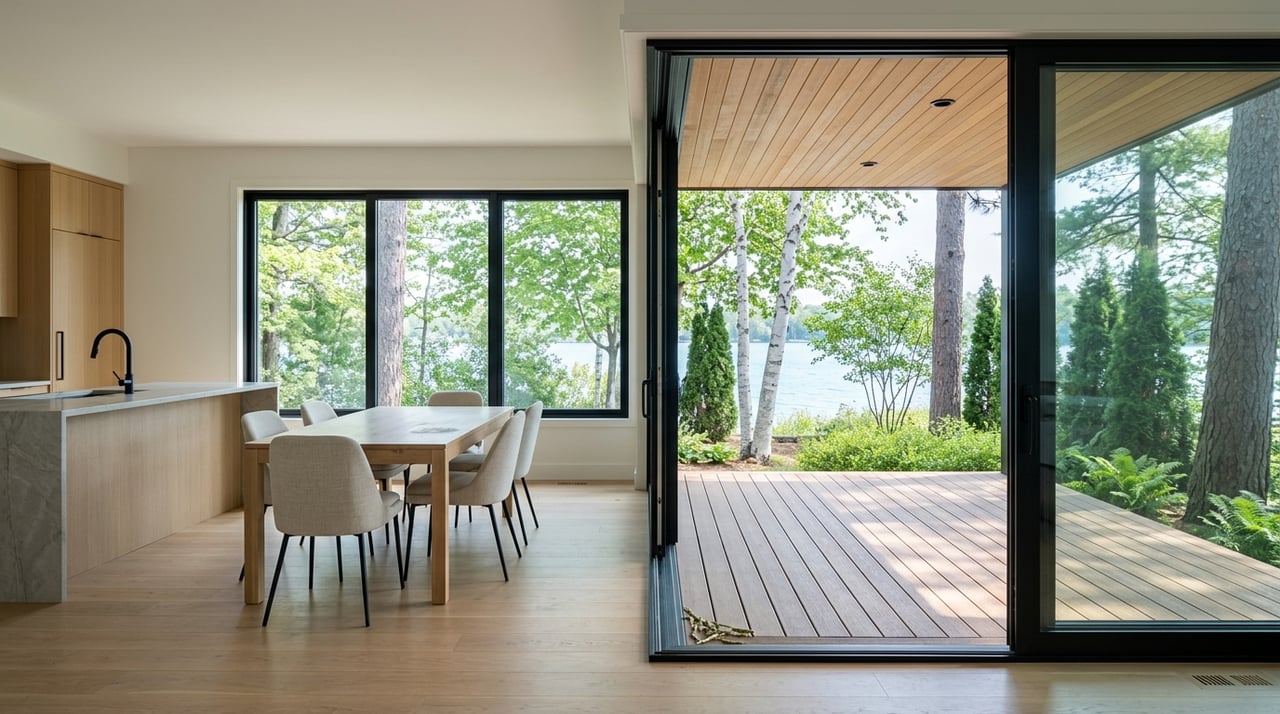
If you own a high-end home in Traverse City, you know the price has to be more than a number. It has to tell the story of your shoreline, your view, and your lifestyle. Getting it wrong can cost time and real money. Getting it right can bring the right buyers to your door fast.
In this guide, you’ll learn how luxury is defined locally, how shoreline and permits impact value, and the step-by-step process to land on a defensible list price. You’ll also see the best timing, prep, and marketing moves for premium results in today’s market. Let’s dive in.
What “luxury” means here
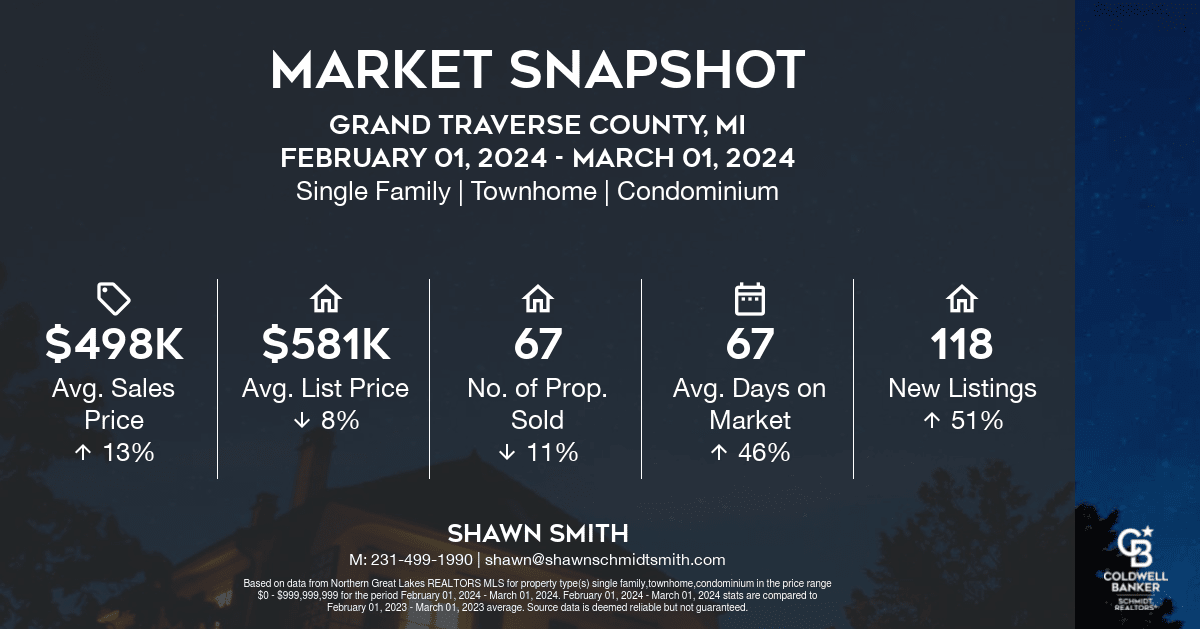
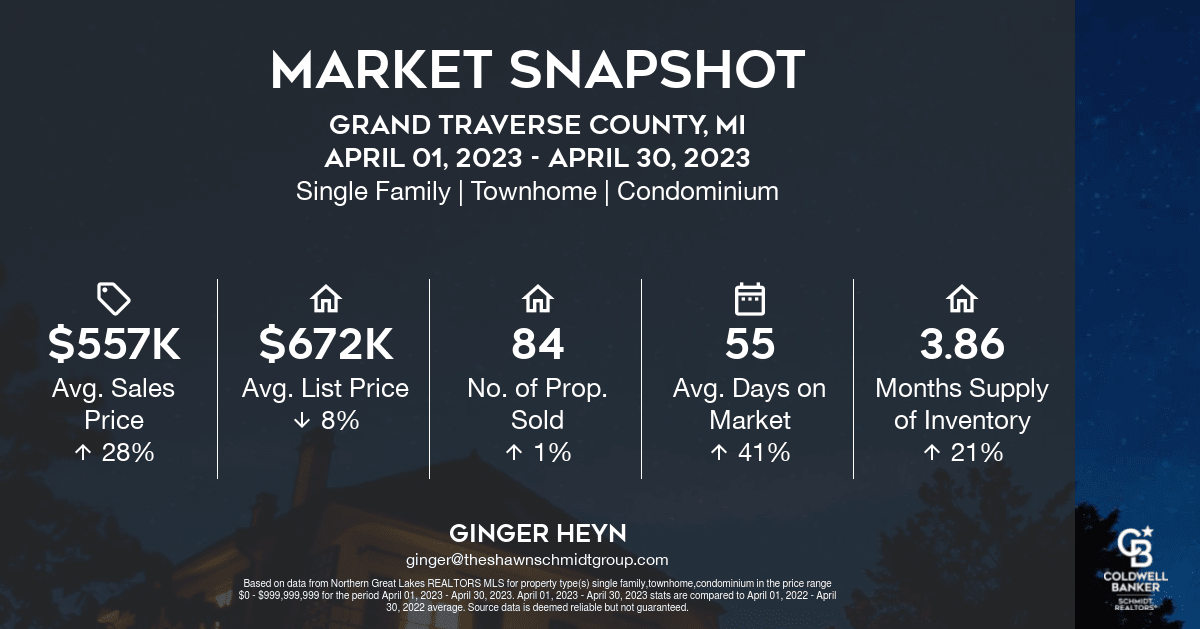
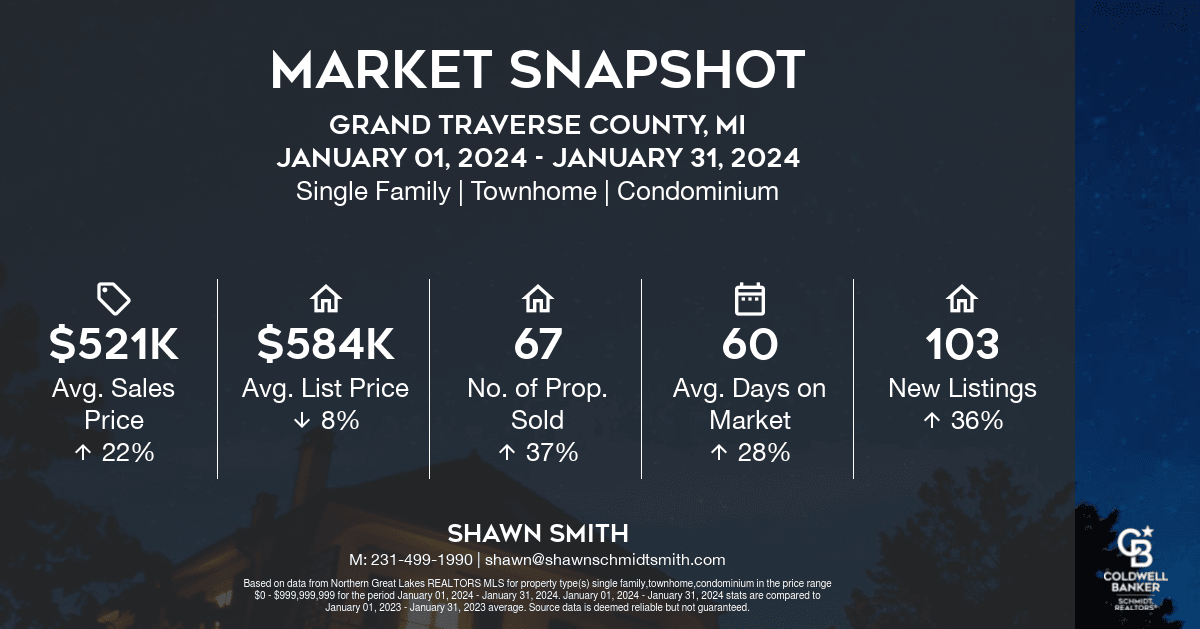
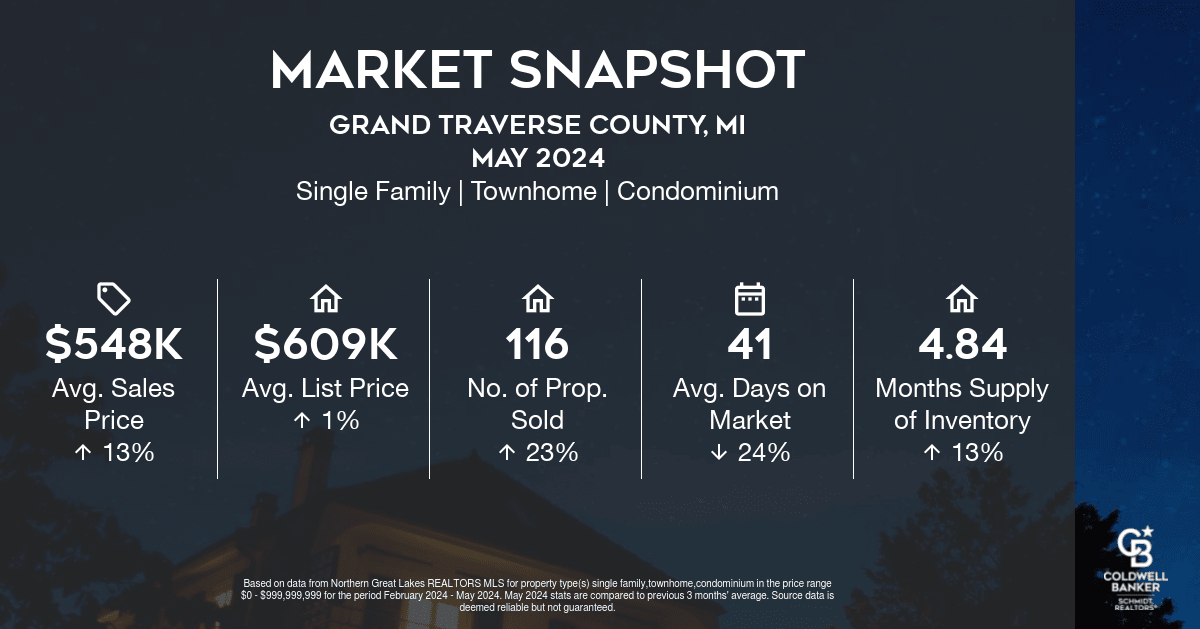
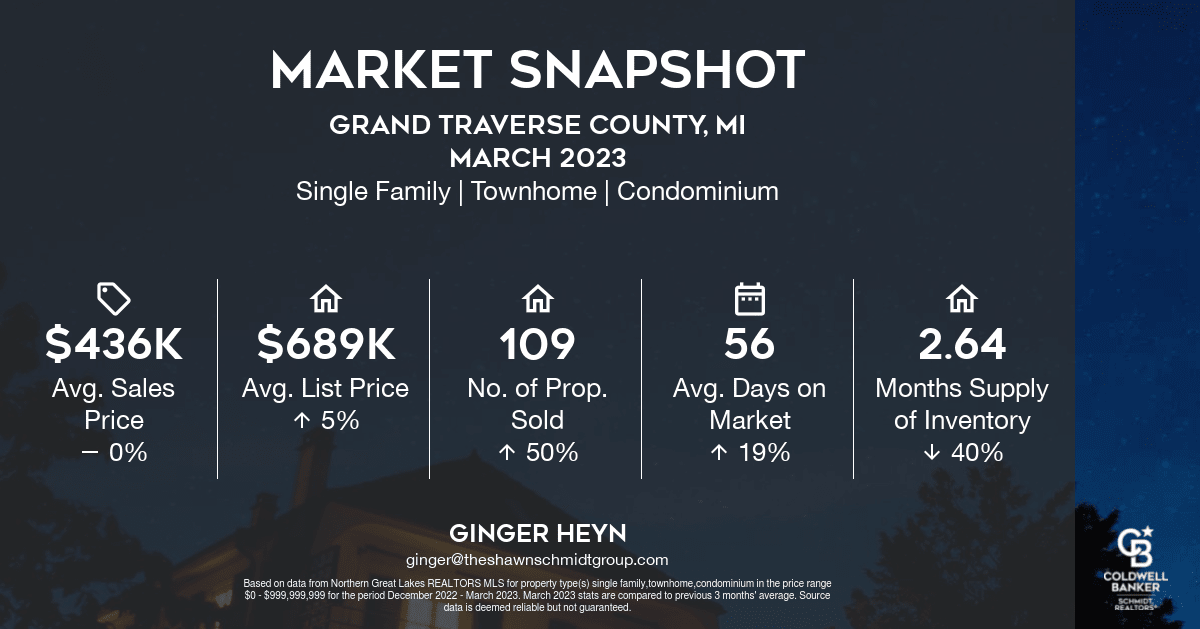
Traverse City and Grand Traverse County have a broad price spectrum. As of early 2026, median listing prices sit around the mid to high $400Ks countywide and just over $500K within the city. In our market, luxury typically starts near the 1 million dollar mark and often overlaps with the top 5 to 10 percent of available homes, especially on premium waterfronts and view lots.
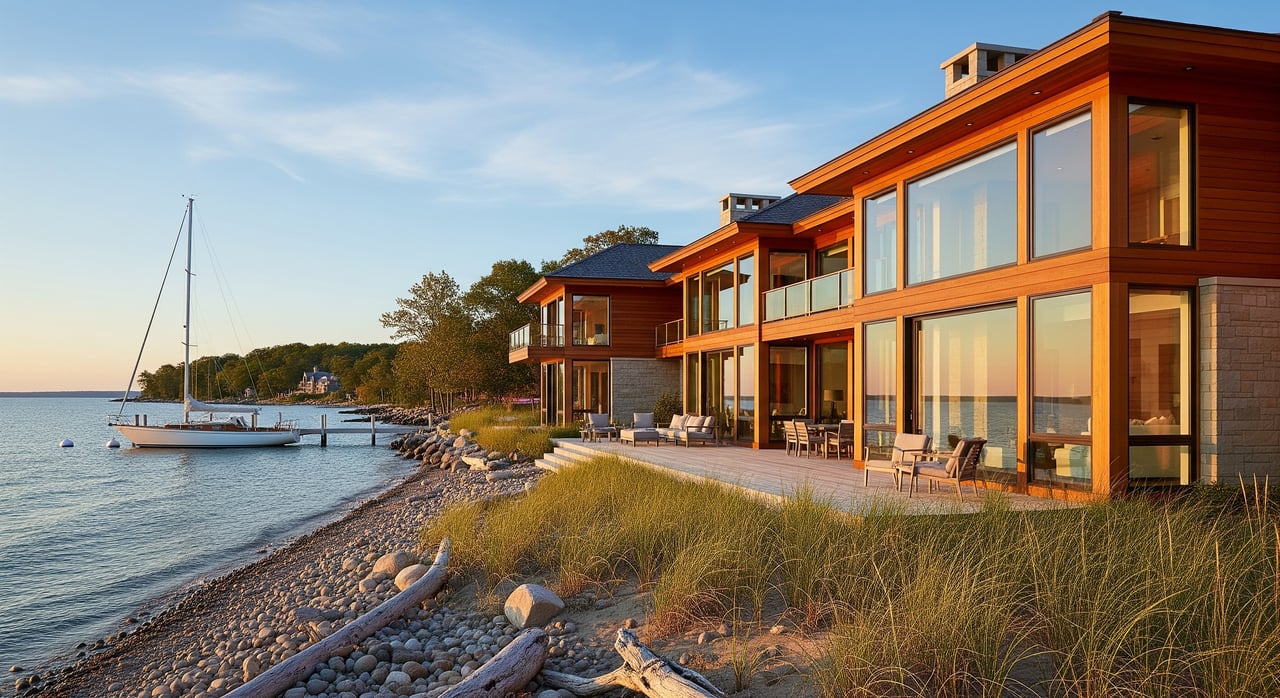
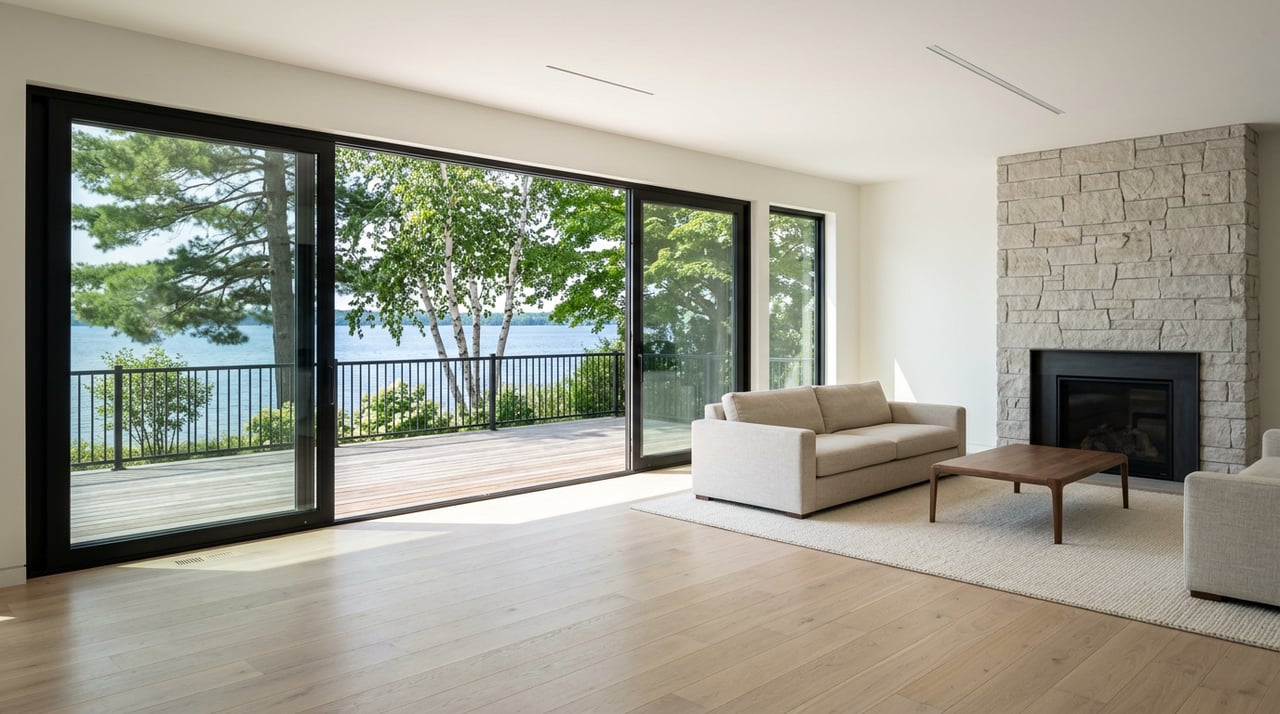
That means a home can be luxury by price, by percentile, or both. Waterfront and premier view properties behave like their own category, with tight supply and buyers who value privacy, water access, and ease of enjoyment.
Market snapshot, early 2026
- City of Traverse City median listing price is about 525,000 dollars, with neighborhood days-on-market varying by location and property type.
- Grand Traverse County median listing price is near 480,000 dollars. Townships and nearby lake communities show a range of medians, with Leelanau-area waterfronts often trading higher.
- Waterfront listings continue to show separate dynamics. Thin supply and strong cash buyer presence support pricing when homes are well presented and permitted uses are clear.
Waterfront factors that move price
Location and water body hierarchy
Not all water is priced the same. In our region, a simple rule of thumb applies:
- Grand Traverse Bay frontage typically commands the highest premium, especially with sandy beach or private shoreline.
- Large inland lakes like North and South Lake Leelanau follow closely, especially on gentle, usable shorelines.
- Smaller inland lakes and ponds can be highly desirable but usually price below the larger systems.
- Elevated or distant water views price below direct frontage, with wide view corridors and easy access adding back value.
Shoreline specifics that change value
Appraisers and experienced brokers adjust for details that many sellers overlook:
- Frontage length in feet. More usable feet can increase privacy and dock options.
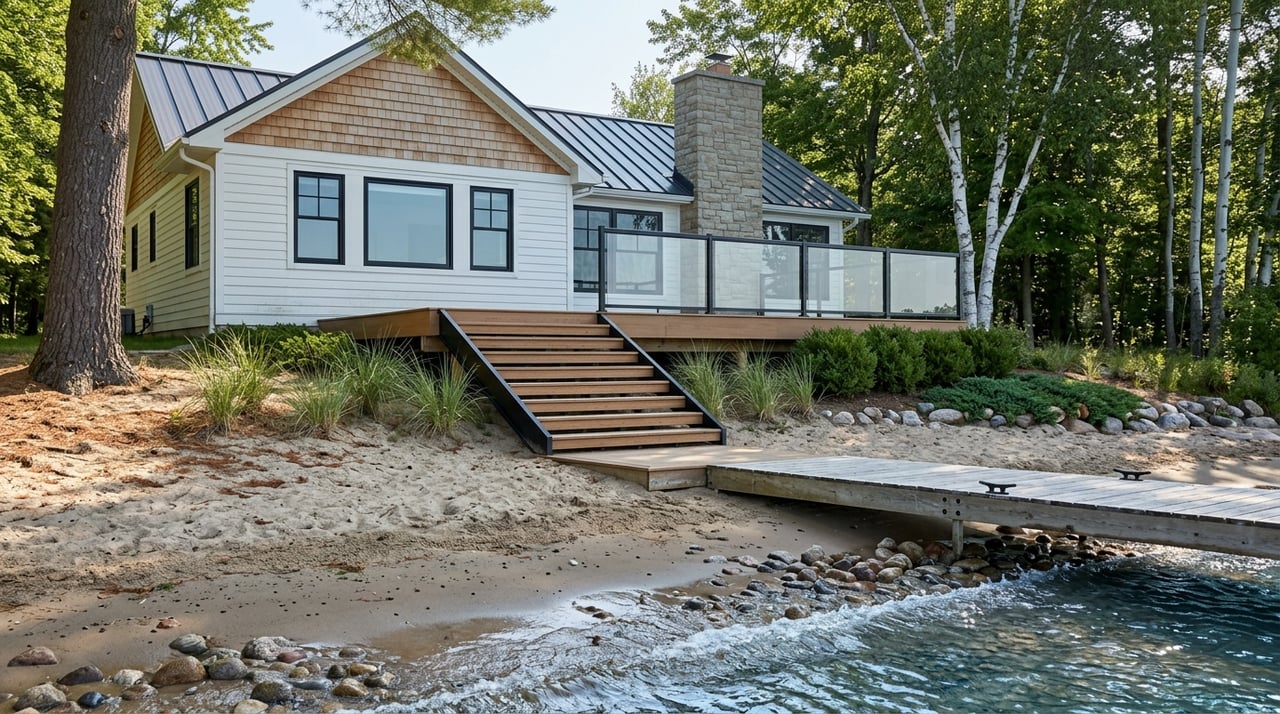
- Shoreline type. A 50-foot private sandy beach appeals to a different buyer pool than a 50-foot steep bluff.
- Water depth and dockability. How far must a dock extend to reach navigable water, and are boat lifts feasible?
- Erosion and bluff stability. Engineered protection, gentle slopes, and resilient shoreline conditions reduce risk.
- Existing seawalls or revetments. Quality installations with documentation can support price.
Permits, riparian rights, and regulations
Great Lakes bottomlands, shore structures, and certain mooring activities are regulated at the state level. Many projects require permits under Michigan’s Natural Resources and Environmental Protection Act. You can review the statutory framework for shore structures and protected activities through the state’s legislative resources for reference to Great Lakes regulations.
- Learn more about Michigan’s environmental and shore-related regulations via the state’s legislative site: Michigan Legislature resource.
Township overlay rules often add setbacks, vegetation buffers, and dock allowances that limit what a buyer can do in the future. If buyers are unsure about dock, hoist, or shore work, they discount price. Confirm with your township office and the Grand Traverse County Health Department before assuming permitability or compliance.
Infrastructure and environmental factors
Septic condition and well capacity matter. So do access type, flood zone status, and proximity to services. In our area, water-quality efforts highlight septic performance as a key issue along the bay and inland lakes, which is why many sellers order pre-list inspections.
- For regional water-quality context that underscores septic importance, see this Grand Traverse Bay watershed summary reference.
If a system needs work, that cost shows up during negotiations unless you address it early. Confirm with your township office and the Grand Traverse County Health Department before assuming permitability or compliance.
Build a defensible list price
Choose true waterfront comps
Ordinary neighborhood comparables do not work for luxury waterfront. Define a tight set that matches:
- The same water body or bay exposure
- Similar frontage length and shoreline type
- Comparable dock and boat access rights
- Similar lot topography and approach to the water
- Similar home quality, finishes, and amenities
When you adjust for frontage, beach type, depth, and topography, a pattern of value emerges.
Use multiple valuation methods
The sales comparison approach is primary, but high-end homes often benefit from a blended view:
- Sales comparison for like-with-like shoreline, frontage, and quality
- Cost approach for newer or custom builds where replacement matters
- Income approach if credible short-term rental income is relevant to buyers
Unique features like an engineered seawall, deeded beach parcel, or private slip may require separate analysis or market extraction. An experienced local appraiser can help confirm adjustments before you go to market.
Do pre-list due diligence
A clean, complete file helps preserve price in escrow. Before listing, gather:
- Septic and well inspection reports
- Dock, shoreline, and mooring permits or approvals
- Title review showing riparian rights, easements, and shared access
- Any shoreline overlay or zoning documents
If you are on Old Mission Peninsula, township planning resources can help you understand local shoreline overlays and permit processes. See Peninsula Township planning for general reference. Confirm with your township office and the Grand Traverse County Health Department before assuming permitability or compliance.
Align strategy with your buyer pool
The luxury buyer pool is thinner and often out of market. That means your strategy should track demand realities:
- If your home is rare but has clear comps, price competitively to drive early showings.
- If it is a trophy with no close peers, you can test a premium, but monitor activity closely to avoid stale days-on-market.
- If privacy is a priority, a discreet pre-marketing window to vetted buyers can work, though you trade broad exposure for control.
Seasonality and timing
Best listing windows
Waterfront activity peaks late spring through summer as second-home and out-of-area buyers make travel plans. Listing in early spring can capture those buyers and set up a summer closing.
Autumn and winter bring fewer active shoppers but can surface serious buyers who prefer off-season negotiations and closings. Your best window depends on your shoreline, price point, and how quickly you want to move.
In-season vs off-season tradeoffs
- In-season yields more showings and broader price discovery, which can support strong outcomes.
- Off-season can reduce competition and attract focused buyers, though it may lengthen time to contract.
If you plan off-market or off-season exposure, set clear activity metrics and be ready to adjust course quickly.
Presentation that protects price
High-impact prep
Selective improvements often pay for themselves in this segment:
- Landscape to frame the water view and entry
- Exterior lighting for evening ambiance and safety
- Dock and water-access tune-ups where permitted
- Neutral interiors that photograph beautifully
- Repairs that remove objections, such as septic, visible erosion, or failing shoreline elements
For any shoreline or dock work, keep permit history on hand. Confirm with your township office and the Grand Traverse County Health Department before assuming permitability or compliance.
Premium media and distribution
At this level, media is not a luxury. It is the baseline. Use professional photography, aerials that show shoreline context, twilight sets, floor plans, and 3D or video tours. A dedicated property microsite and global luxury distribution expand reach to qualified, often cash, buyers who are not watching the local MLS daily.
Private showings for vetted buyers and targeted broker previews keep momentum high while protecting privacy. Since many buyers are out of market, be prepared with remote due diligence: inspection summaries, recorded walk-throughs, title and permit packets, and flexible viewing windows.
Pricing strategies that work
- Market-value pricing. Use a CMA-backed, realistic price that reflects available comps and current demand. This supports early showings and reduces discount pressure.
- Premium or aspirational pricing. Suitable for one-of-a-kind trophy properties, but it can create long days on market and lead to reductions if activity is thin. Monitor traffic and feedback weekly.
- Discreet or off-market sale. Ideal for privacy, relying on targeted outreach to qualified buyers. Expect a tighter pool and a tradeoff on broad price discovery.
Pre-listing checklist for TC waterfront sellers
- Verify title, easements, and any deeded or shared beach agreements so buyers know exactly what conveys.
- Confirm whether docks, boat hoists, or shore structures are permitted and if permits transfer. Keep copies ready. For state-level context on regulated shore activities, see this Michigan Legislature resource. Confirm with your township office and the Grand Traverse County Health Department before assuming permitability or compliance.
- Order septic and well inspections early. Requirements can vary and have been evolving by jurisdiction. Confirm with your township office and the Grand Traverse County Health Department before assuming permitability or compliance.
- Pull recent sales on the same water body and prepare a simple adjustment summary for frontage, beach type, dockability, and topography.
- List pre-sale repairs with cost estimates and create a net proceeds sensitivity table that models multiple price points, typical closing costs, and potential permit or repair credits.
- Engage a listing team with specific luxury-waterfront experience and global luxury distribution to reach out-of-area buyers effectively.
Next steps
Pricing a luxury Traverse City home is part data, part shoreline nuance, and part presentation. When you pair precise comps with clean permits, proactive inspections, and elevated marketing, you give serious buyers the clarity and confidence to pay top-of-market for the right property.
If you are considering a sale this year and want a private, data-backed pricing conversation tailored to your shoreline and buyer pool, connect with Carly Petrucci to Request a Private Consultation. Our boutique team pairs multi-generational local knowledge with Coldwell Banker’s global luxury reach to position your property for the best result.
FAQs
What defines a luxury home in Traverse City today?
- In our market, luxury generally begins near 1 million dollars and aligns with the top 5 to 10 percent of listings, often concentrated on premium waterfronts and view properties.
How do shoreline type and frontage affect price?
- Appraisers adjust for frontage length, beach type, depth for docking, and slope. For example, 50 feet of private sandy beach carries a different value than 50 feet on a steep bluff due to usability and buyer demand.
Which season is best to list a waterfront home?
- Late spring through summer offers the broadest audience, especially for second-home buyers. Autumn and winter can still deliver focused, motivated buyers but may lengthen time to contract.
What documents should I gather before listing a waterfront?
- Septic and well inspections, dock and shoreline permits, title and easement summaries, and any township shoreline overlay documents. Confirm with your township office and the Grand Traverse County Health Department before assuming permitability or compliance.
Do I need an appraisal before setting my list price?
- A formal appraisal is not required but can add confidence for unique or high-value properties, especially when comps are thin. Many sellers combine a detailed CMA with an appraiser’s review.
Is off-market selling a good idea for luxury homes?
- It can be, particularly if privacy is critical. Expect a narrower pool and less broad-market feedback, so track showings and interest closely and be ready to adjust.
How do cash buyers influence luxury pricing?
- A strong cash presence can support firmer pricing and faster closings for well-positioned listings, especially when documentation on permits, title, and inspections is complete and easy to review.