Have you imagined waking up to vineyard rows, quiet bays, and light that changes with the lake? Old Mission Peninsula offers that rare mix of rural calm, world-class wine culture, and easy access to Traverse City. If you want a clear picture of daily life, neighborhoods, costs, and what to know before you buy, you are in the right place. This guide walks you through the essentials so you can move forward with confidence. Let’s dive in.
Why Old Mission Peninsula
Old Mission Peninsula is Peninsula Township, a narrow landform that stretches about 16 to 17 miles into Grand Traverse Bay with roughly 42 miles of shoreline and a 2020 population of 6,068. The landscape blends active vineyards, cherry orchards, and low-density homes with strong farmland preservation policies. Township planning places a premium on rural character, and more than 3,300 acres are protected through Purchase of Development Rights and conservation tools that limit subdivision. These choices shape views, privacy, and the long-term feel of the area you call home. Peninsula Township’s Master Plan is a helpful window into these priorities.
Landscape and lifestyle
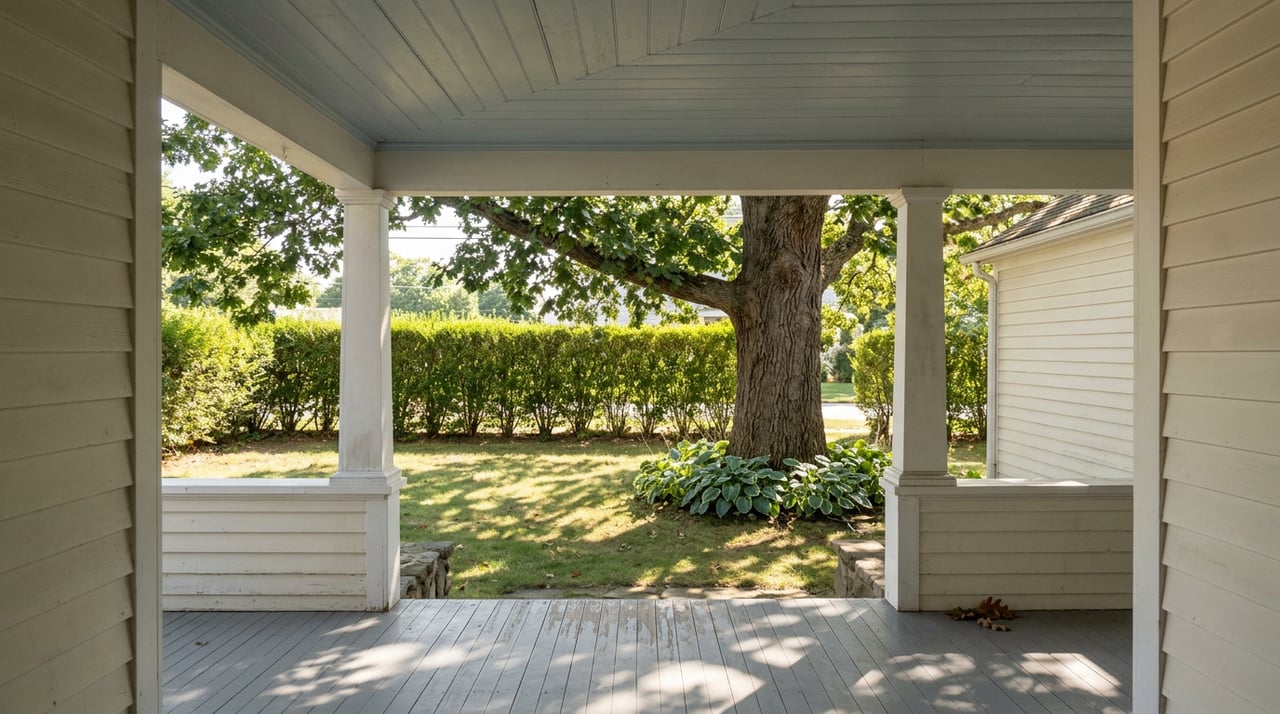
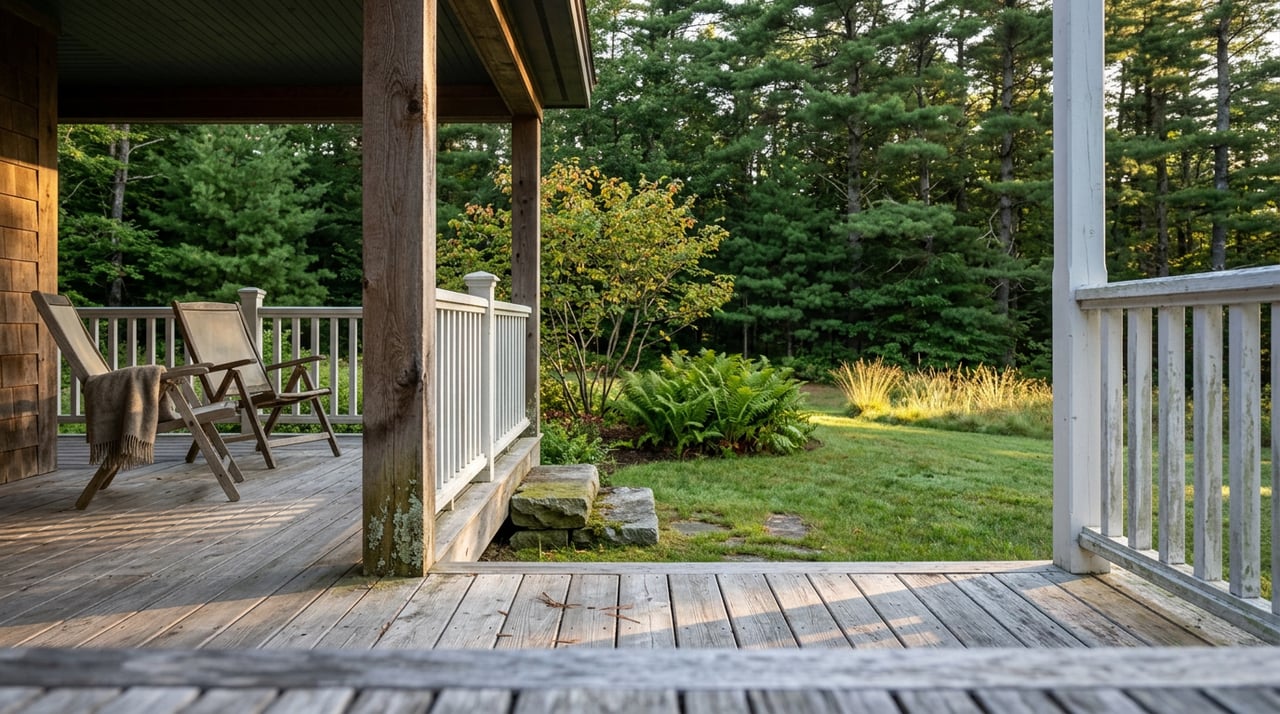
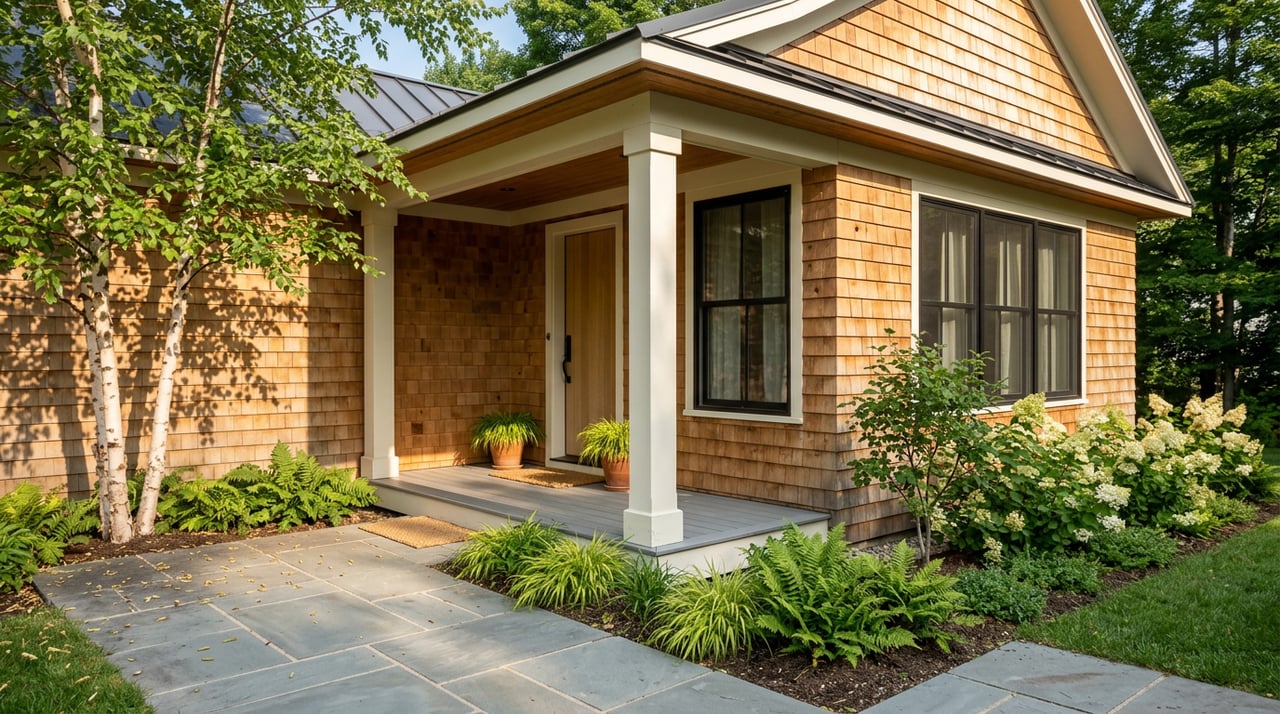
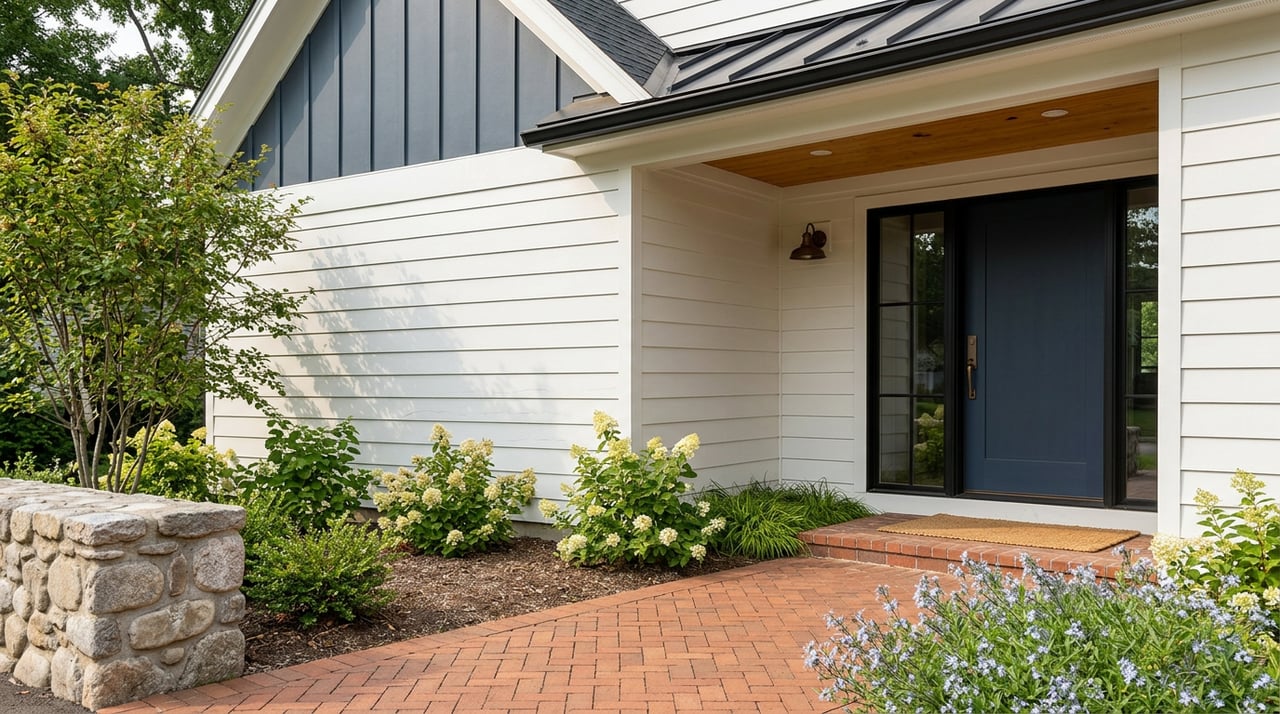
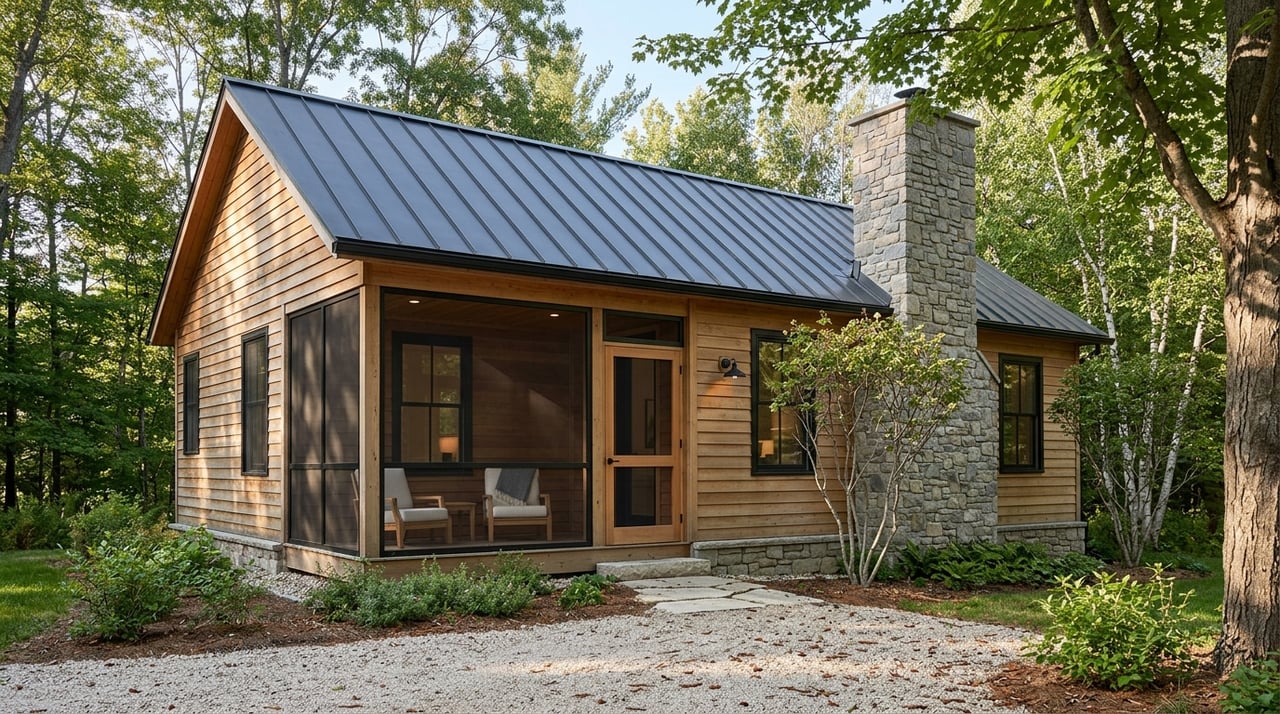
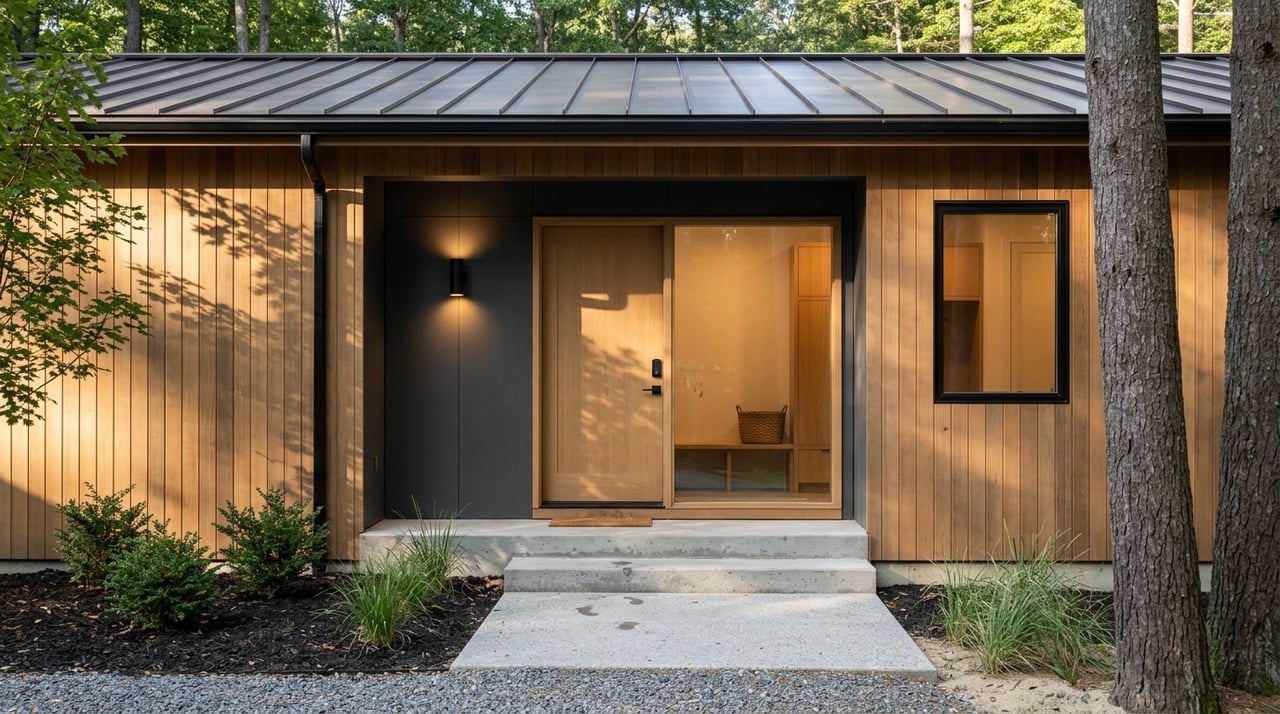
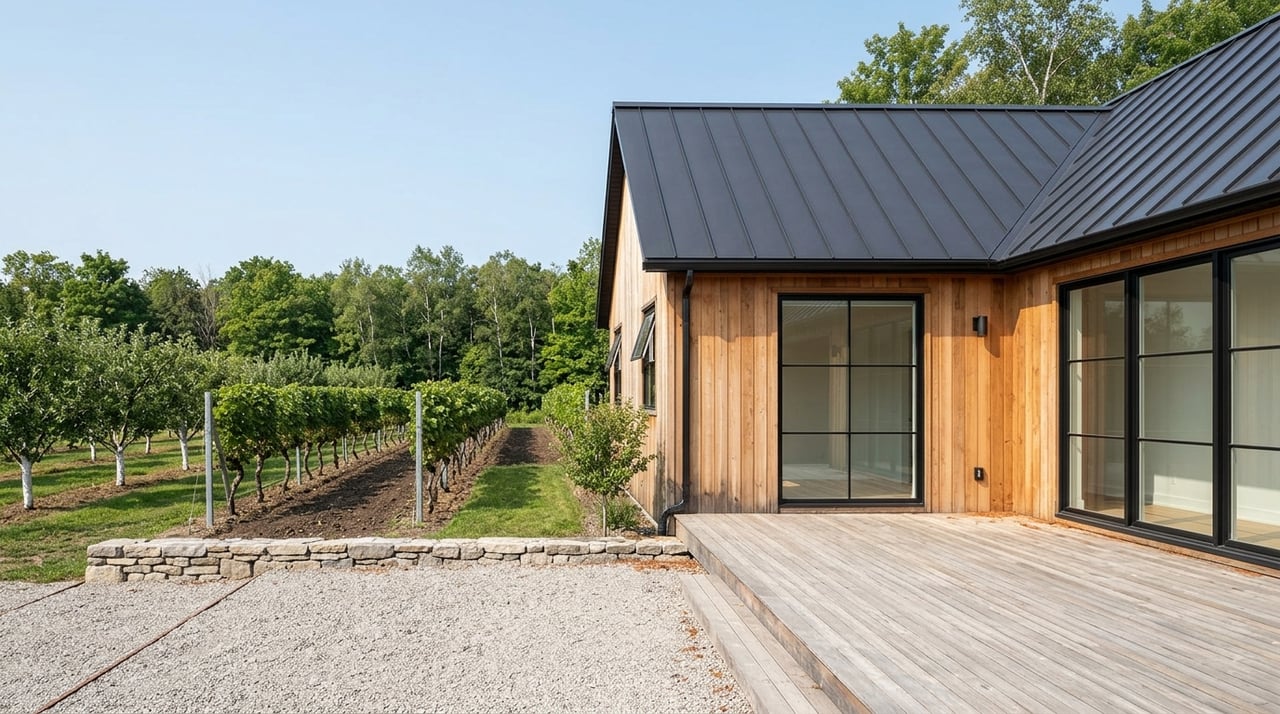
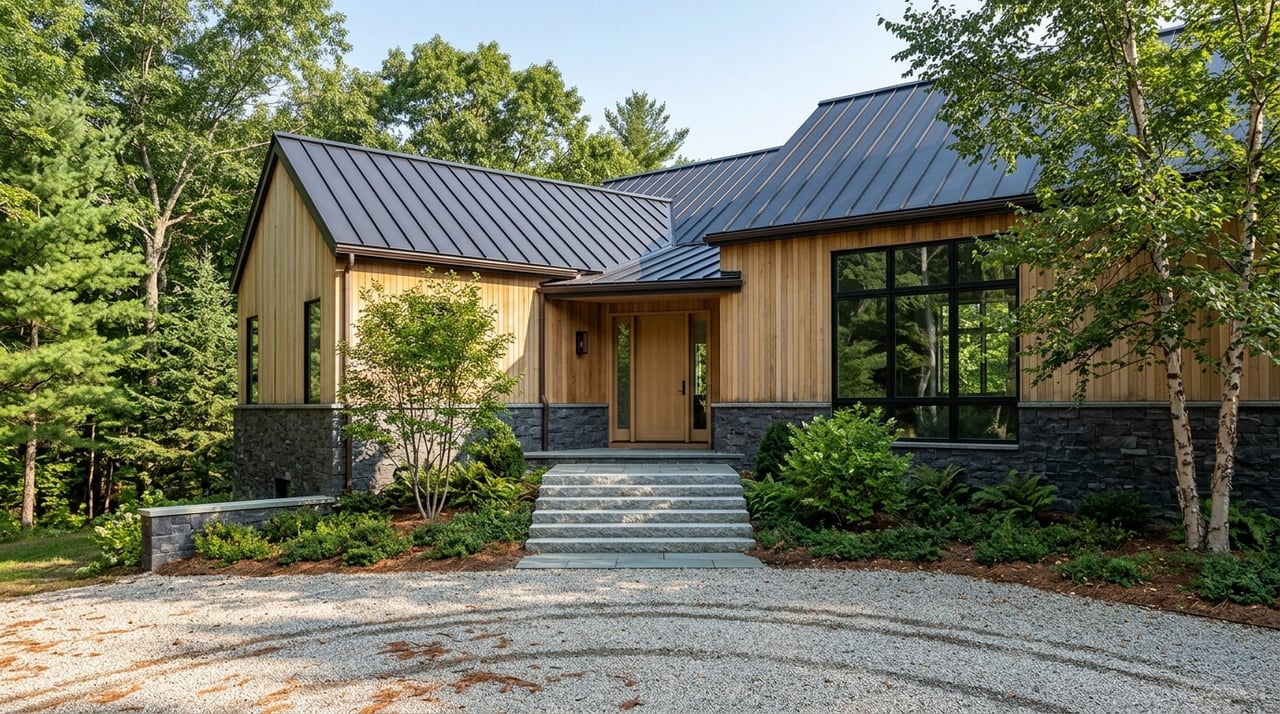
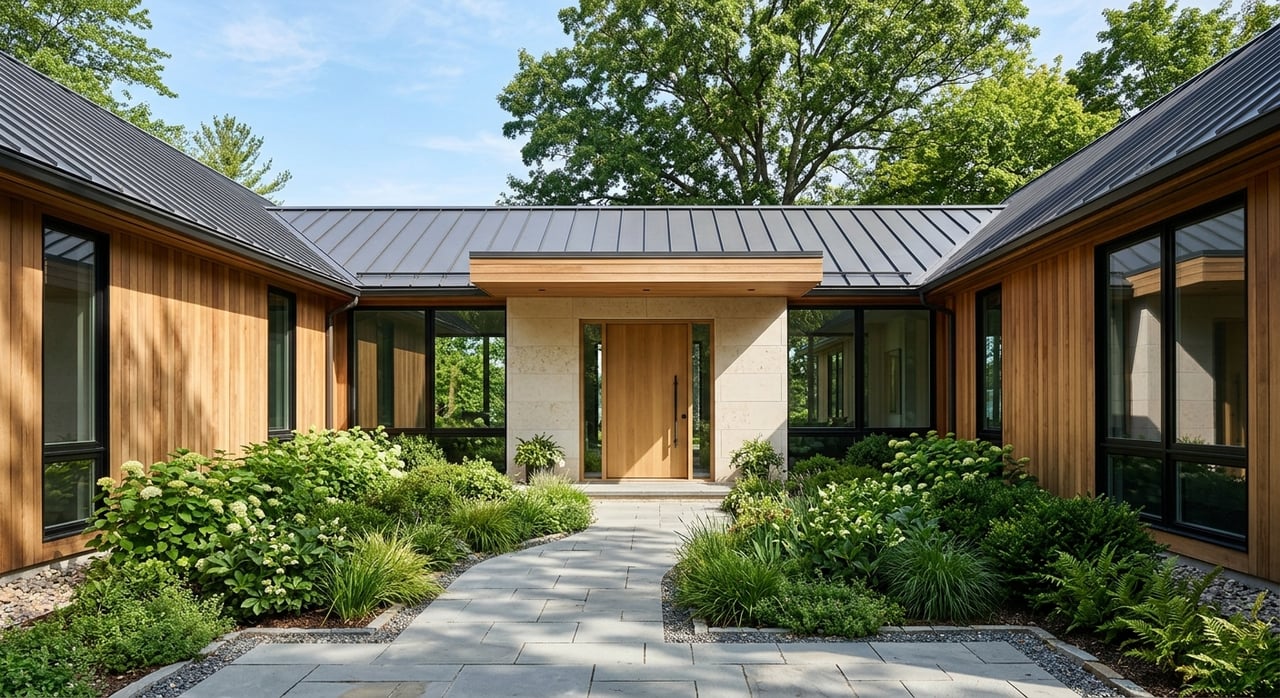
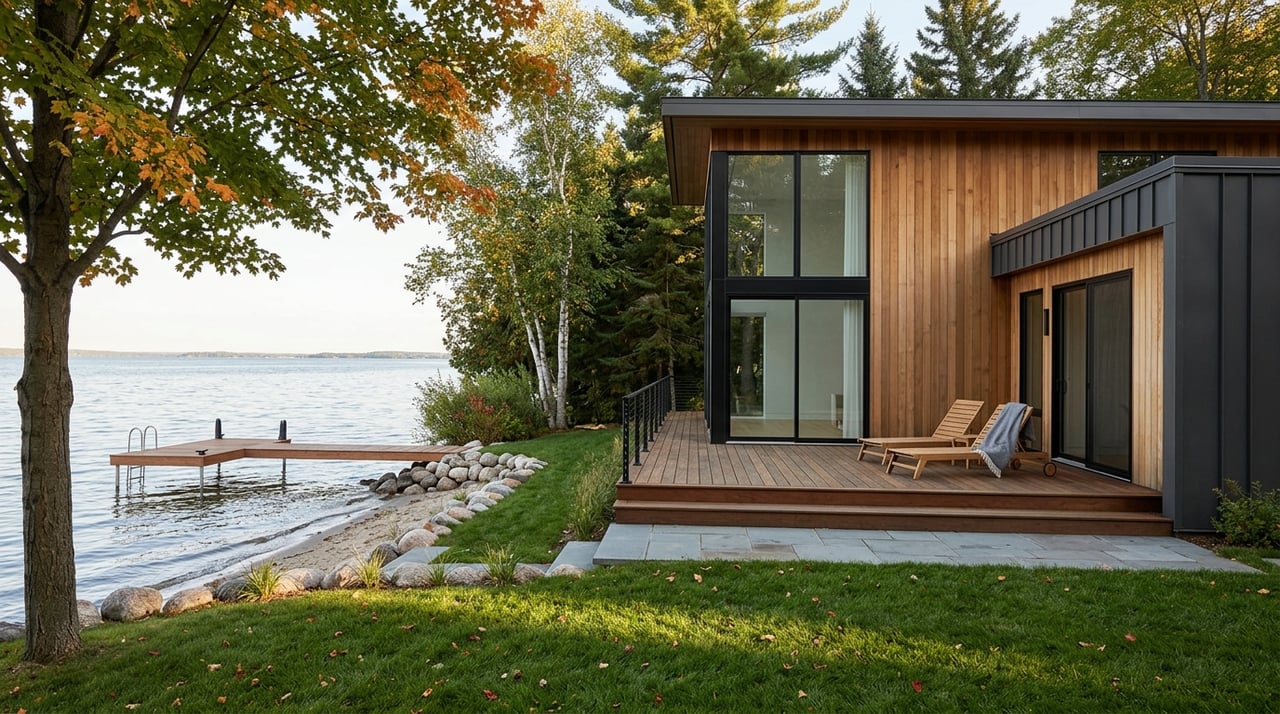
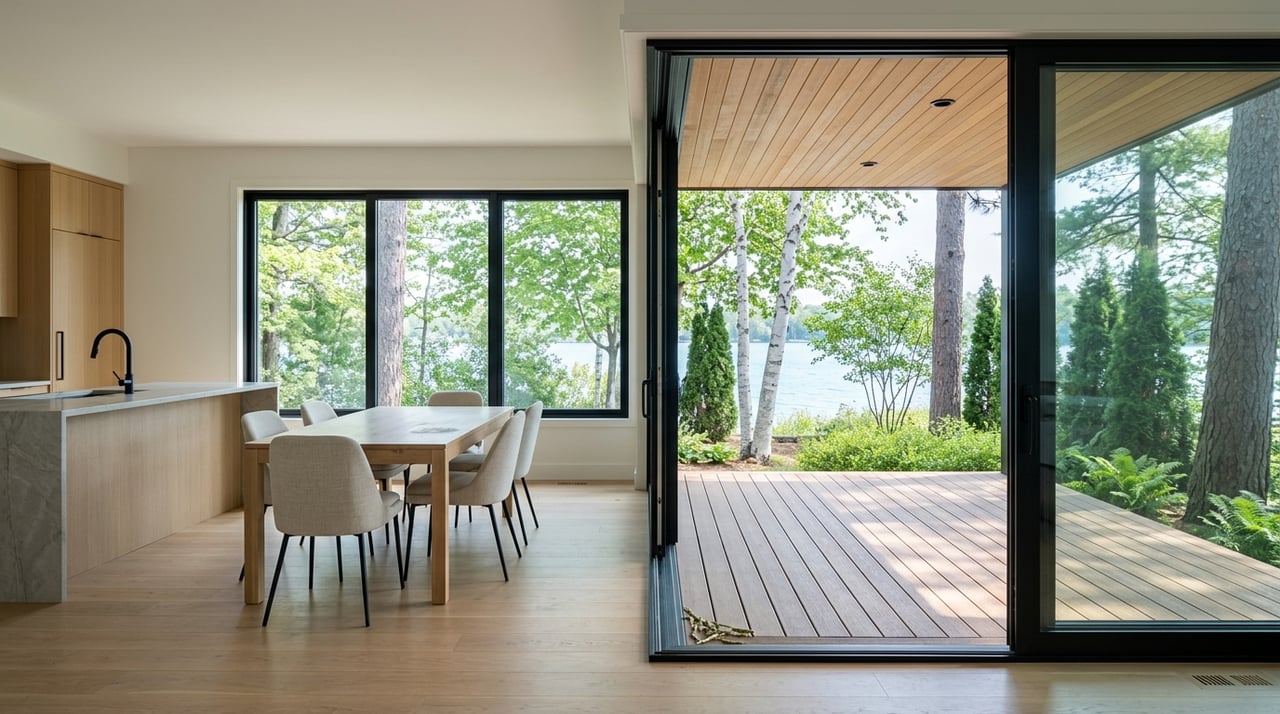
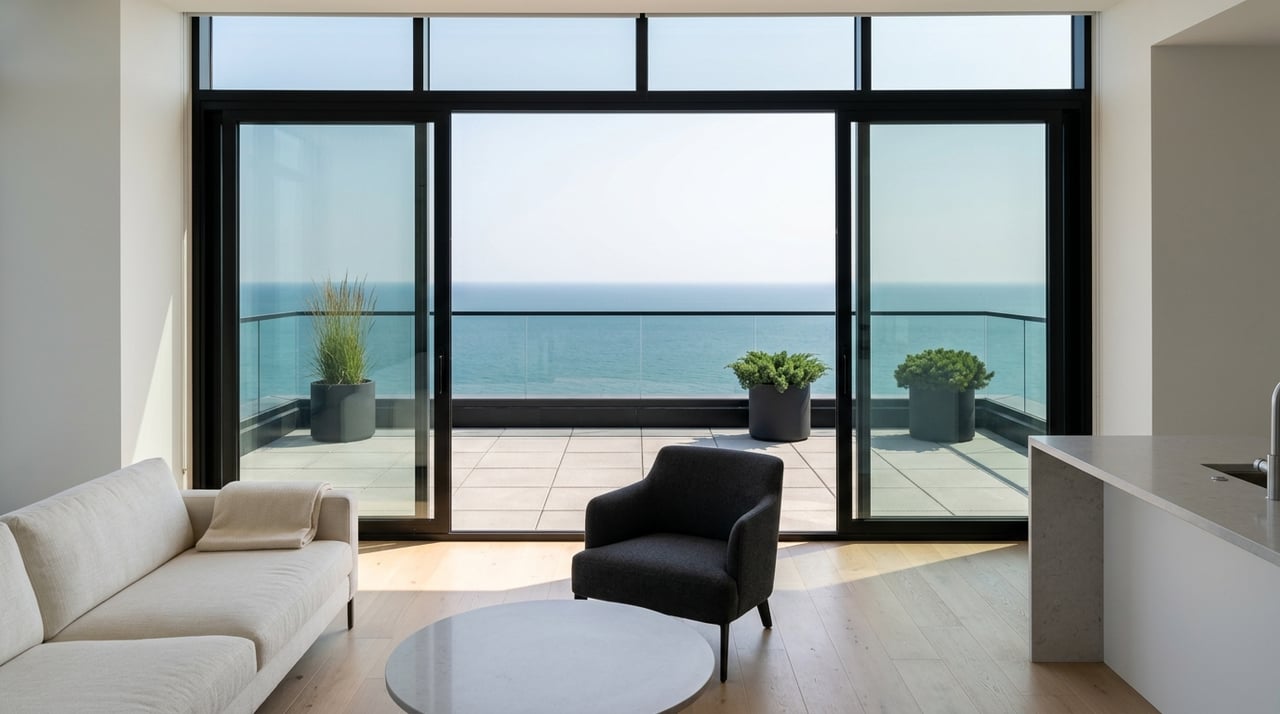
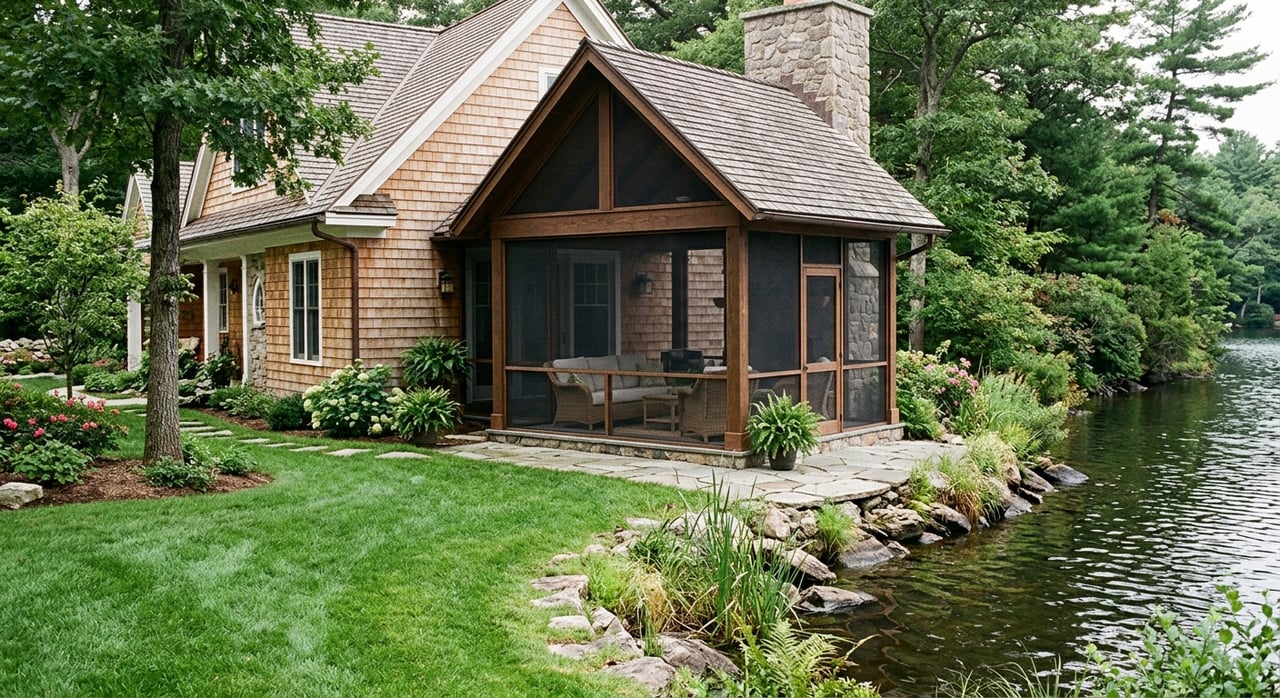
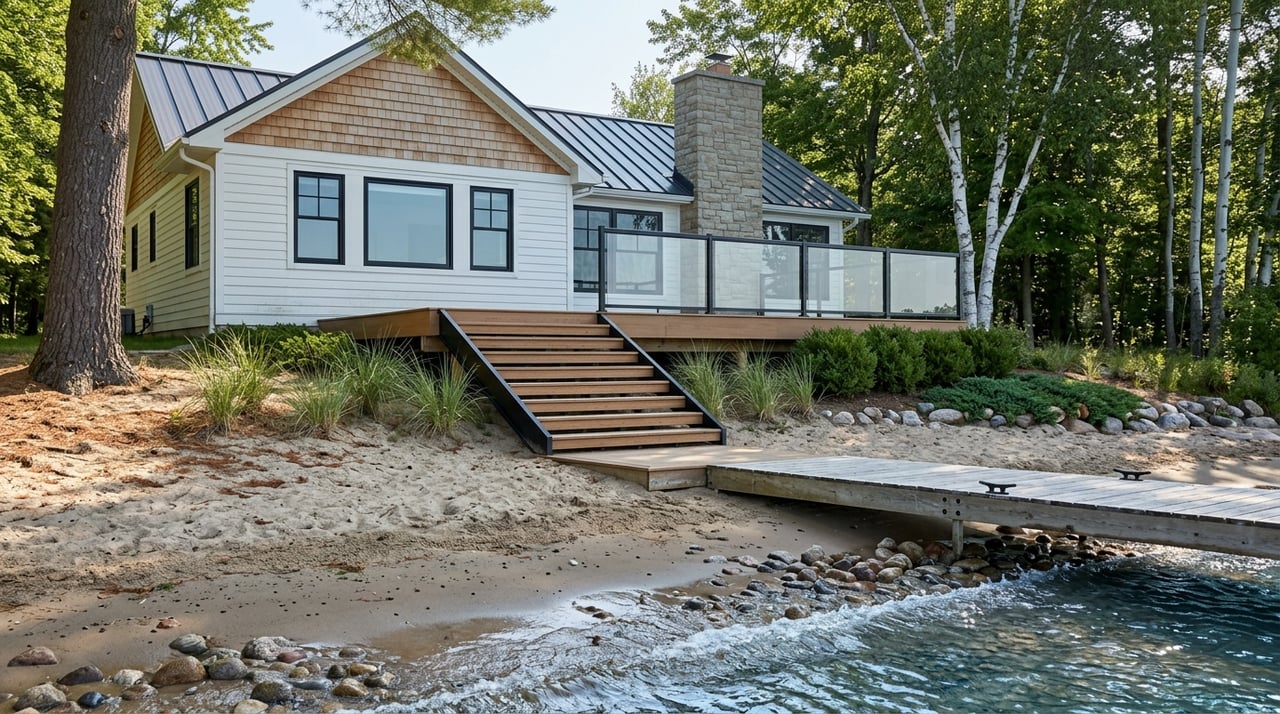
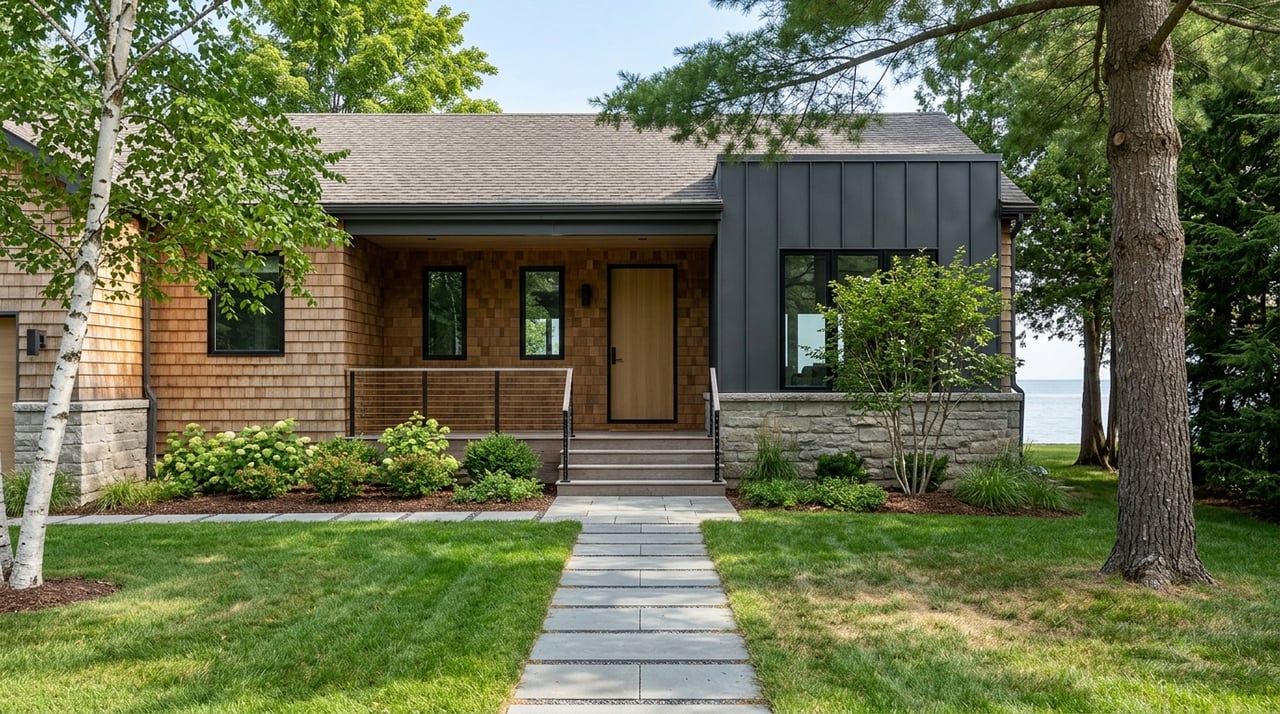
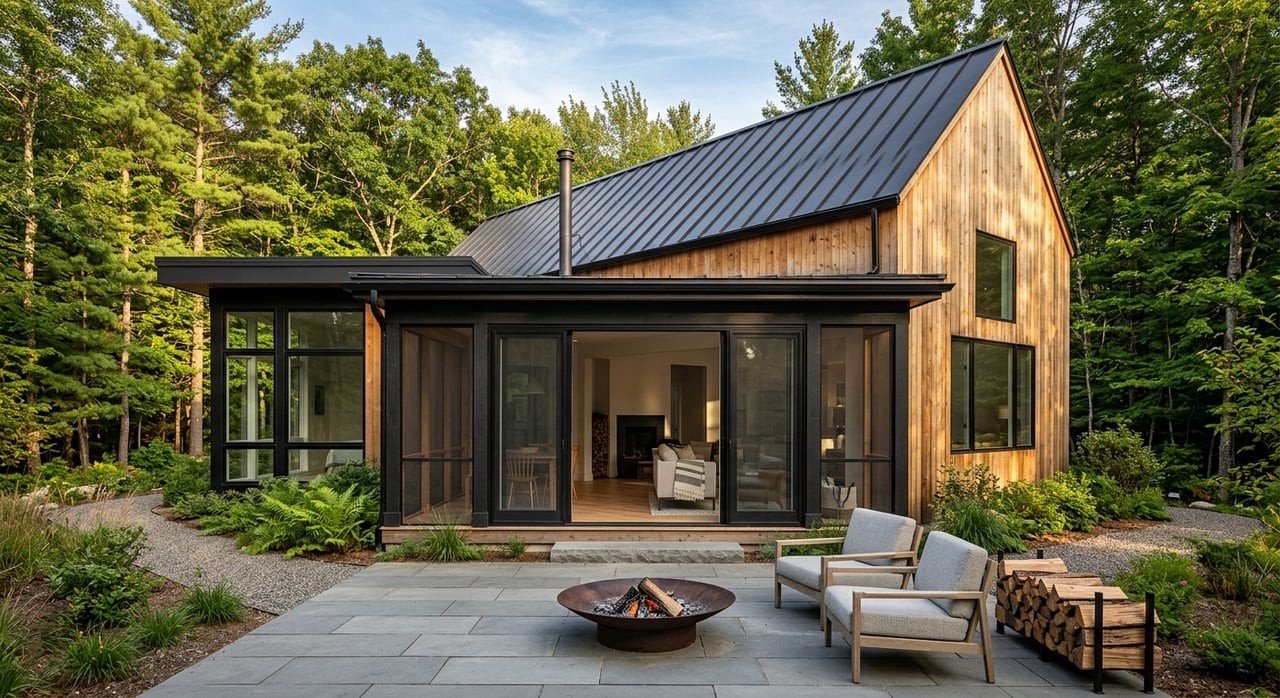
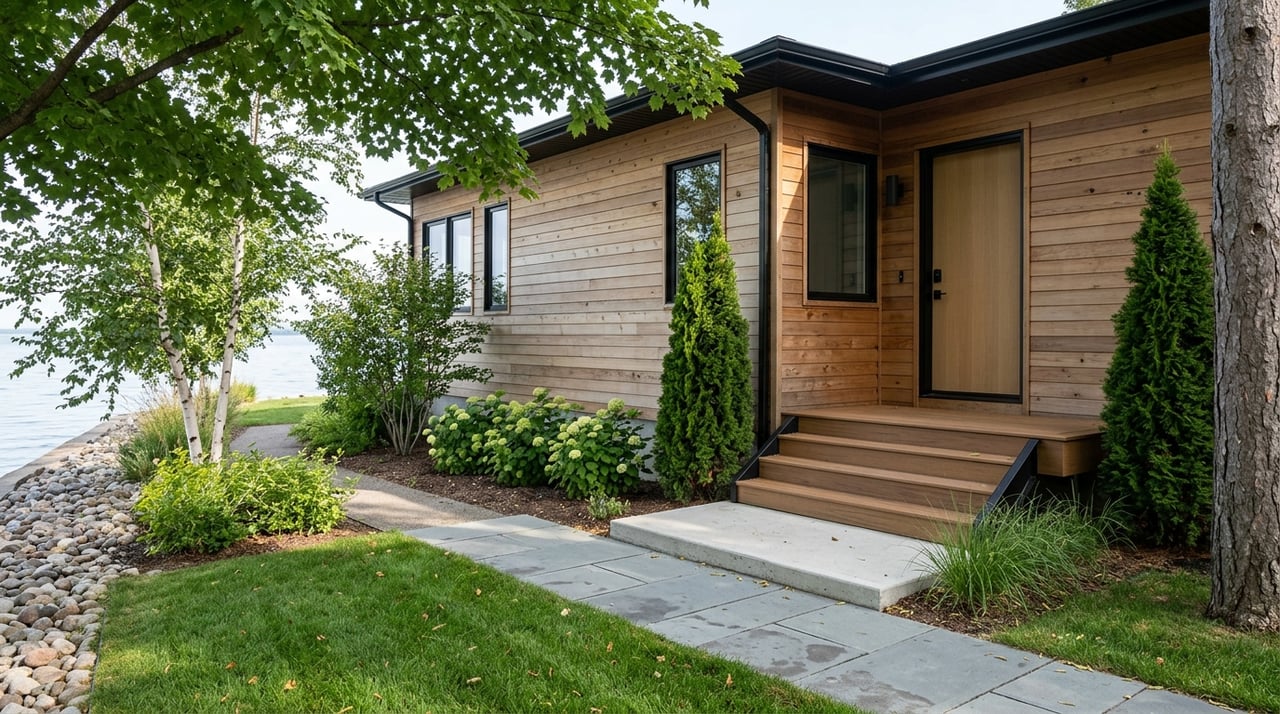
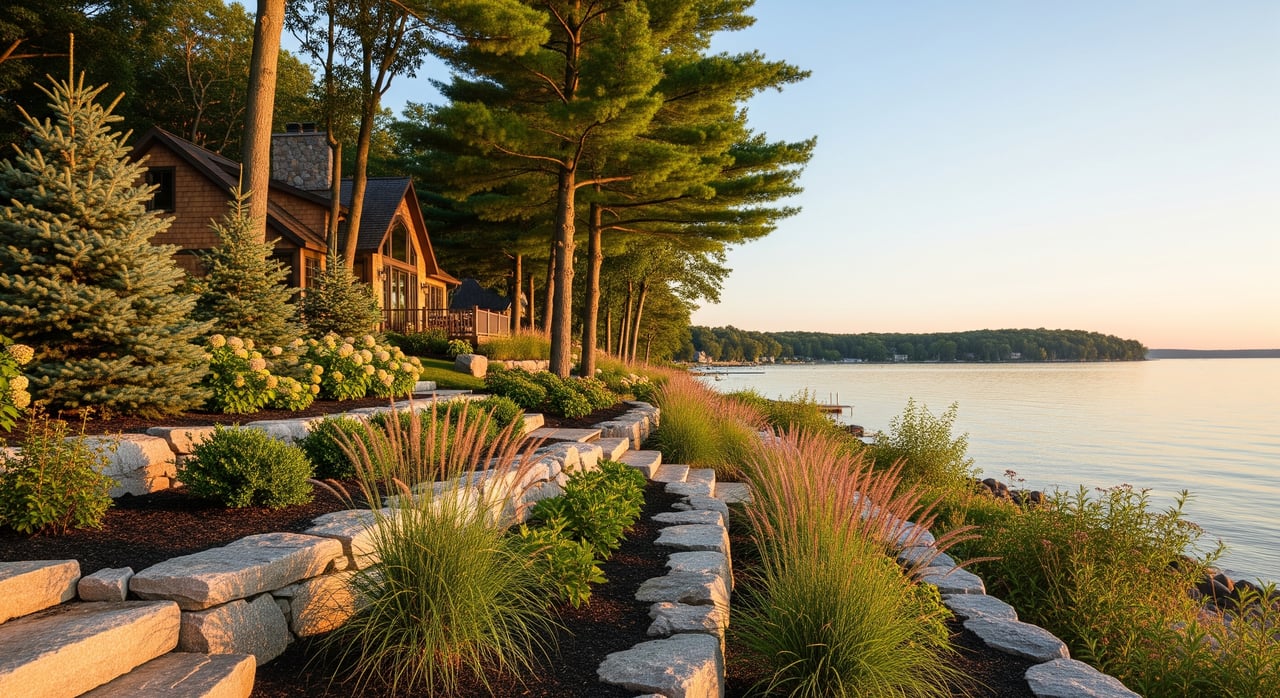
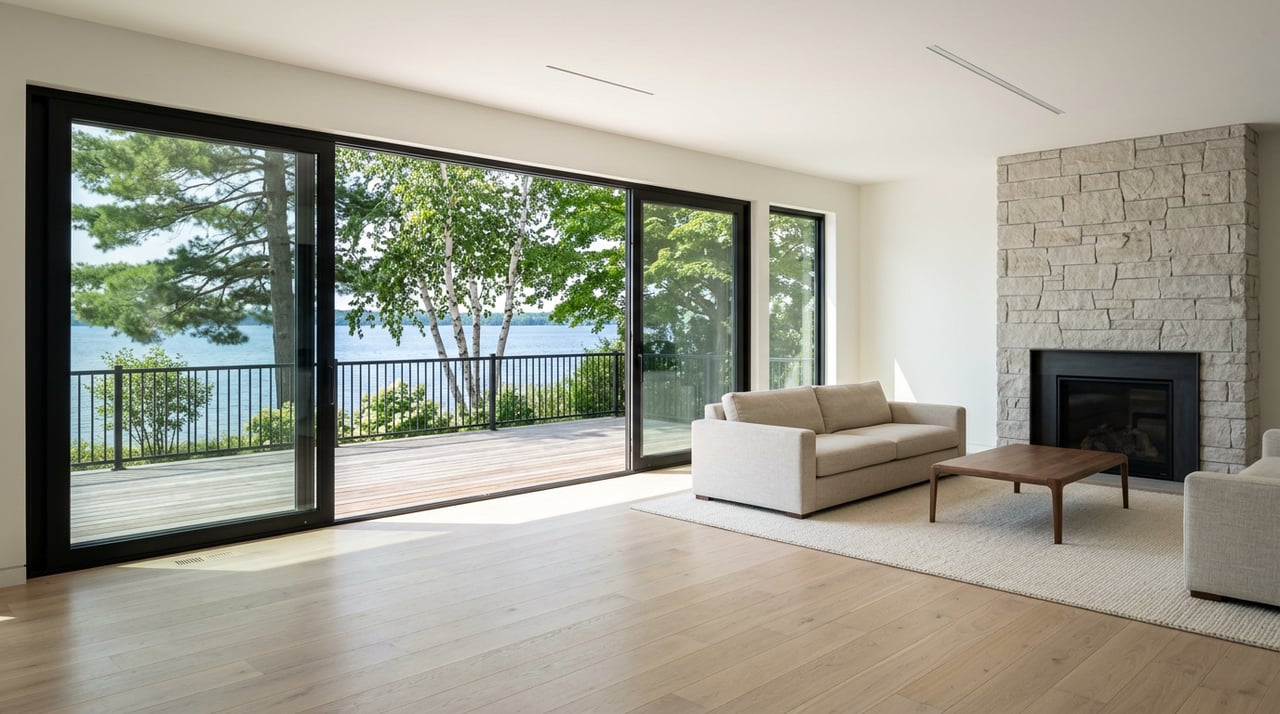
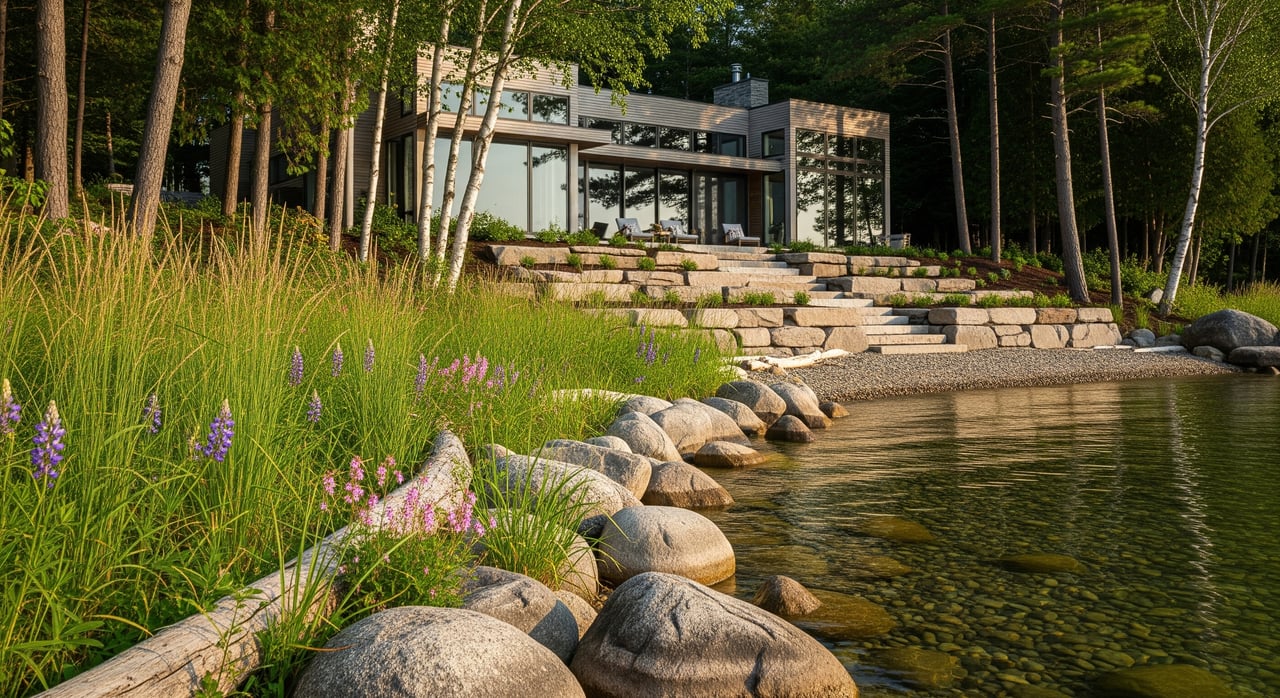
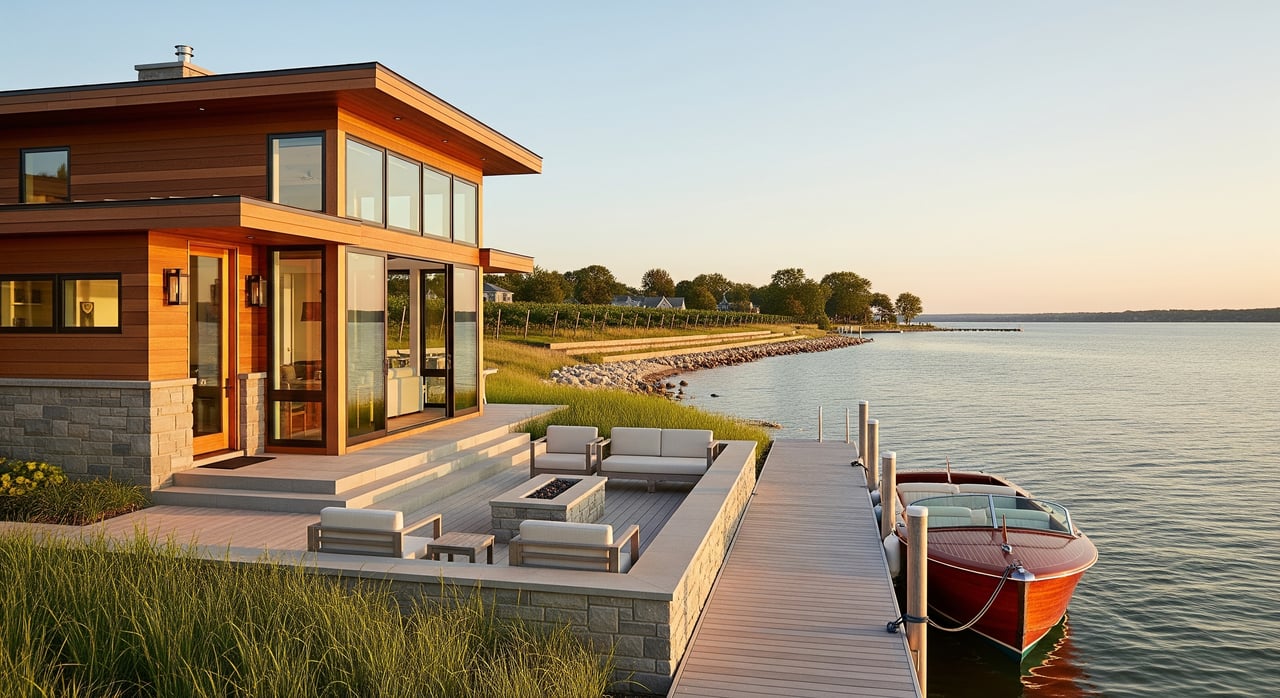
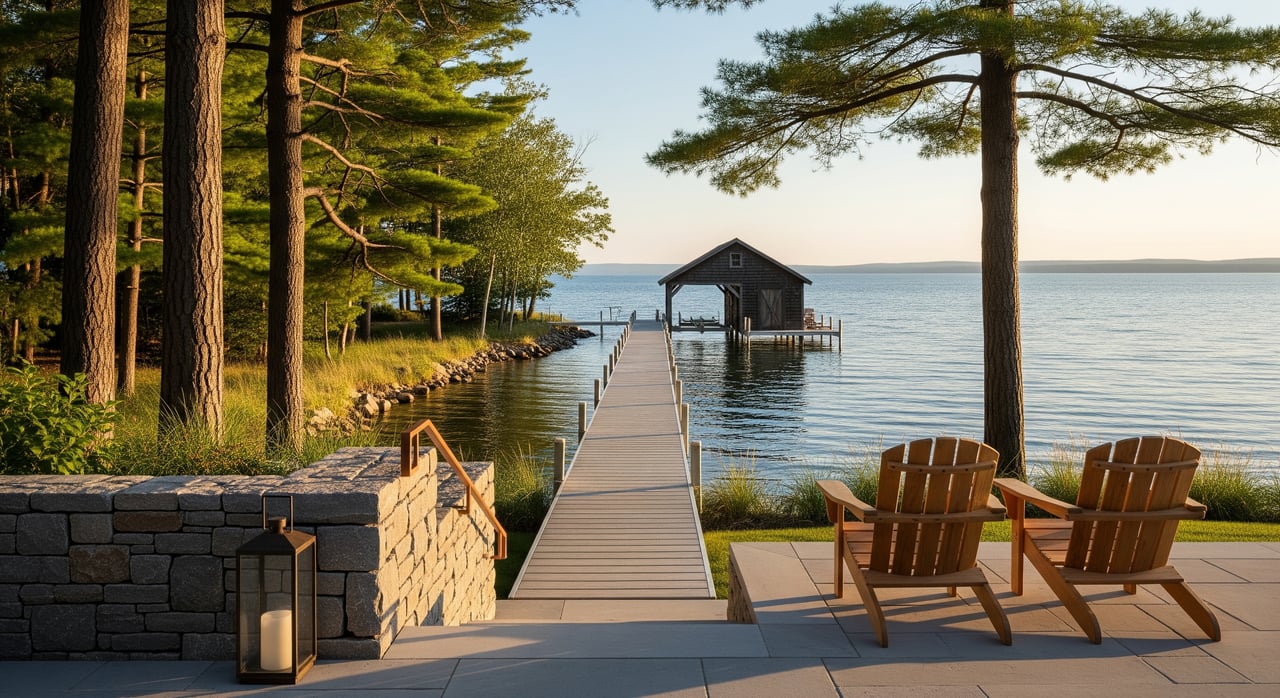
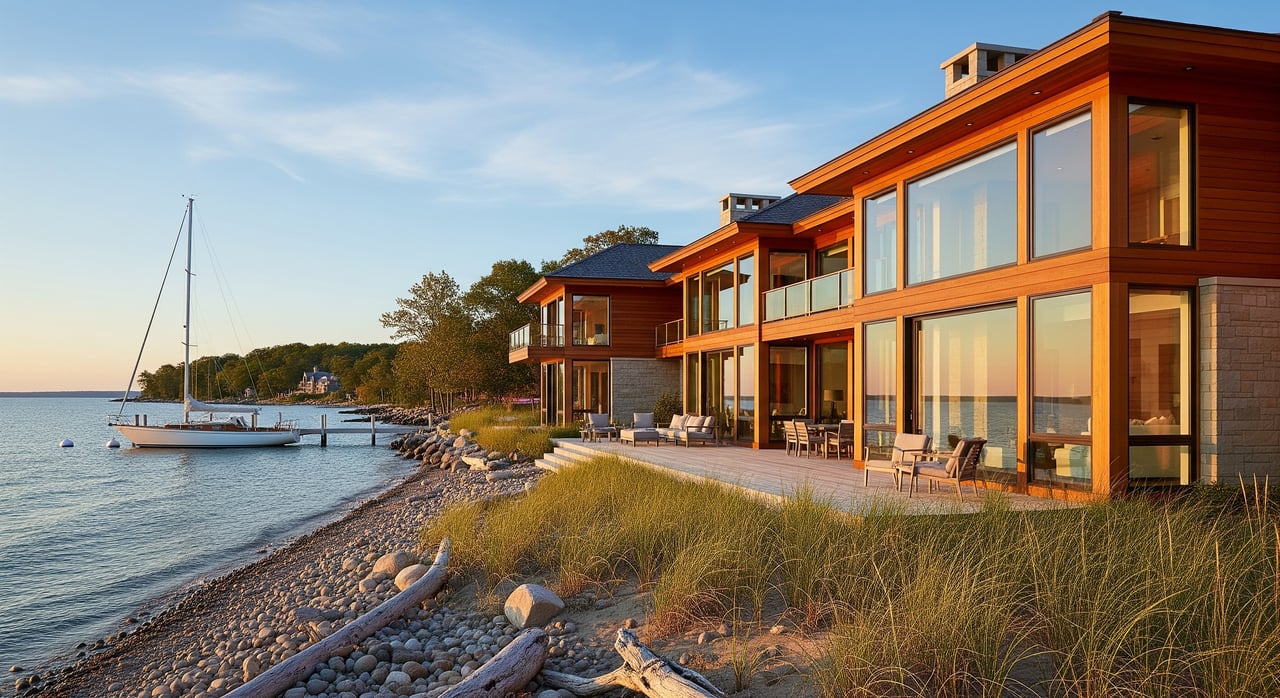
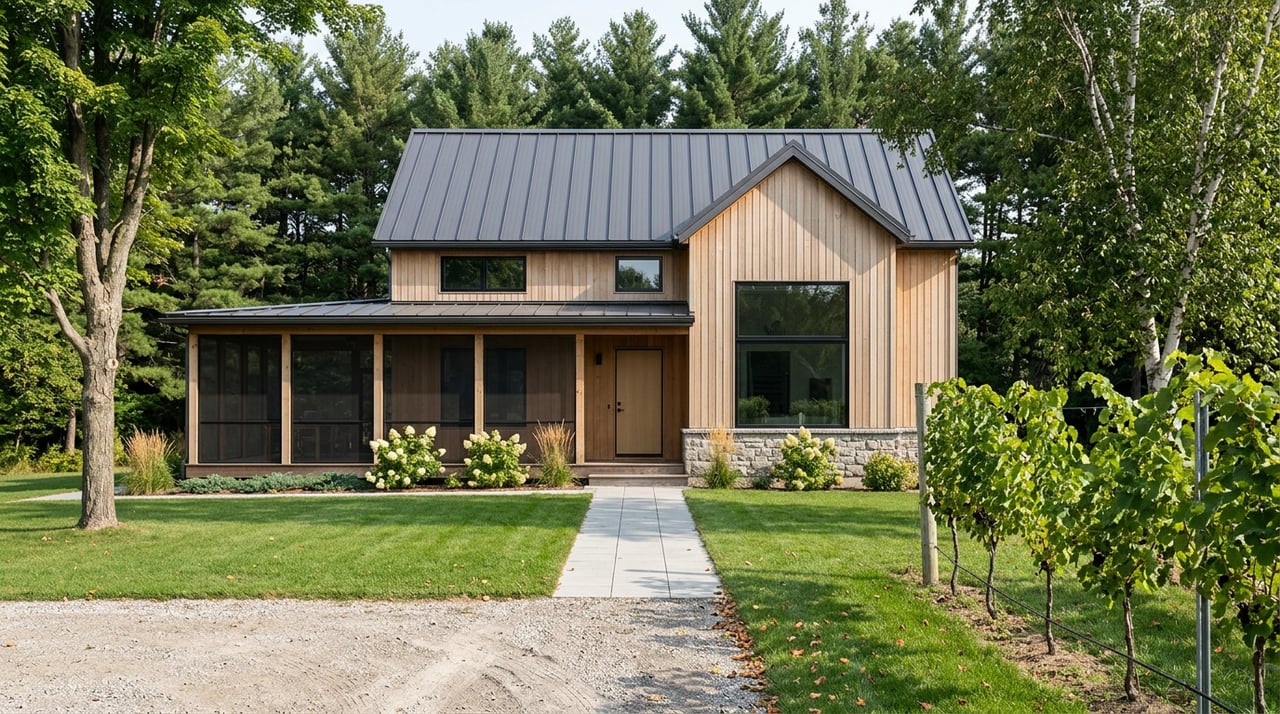
Expect farm stands, winery drives, and seasonal color woven through daily life. You will find modern custom homes, updated farmhouses, classic waterfront cottages, and estate-scale properties on bluffs or bayside lots. Because so much land remains in agriculture or preservation, many parcels are larger than typical suburban lots. It feels quiet and spacious, with working farms as neighbors.
Wine country at your door
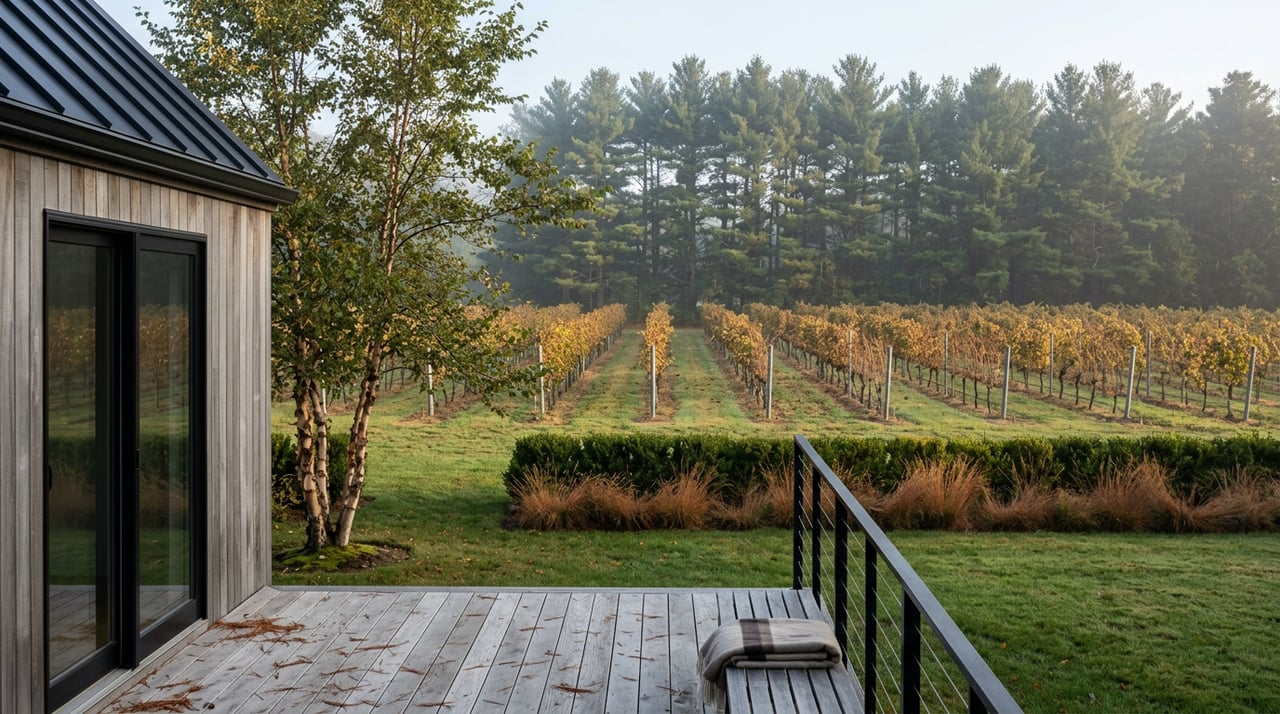
Old Mission Peninsula earned federal American Viticultural Area status in 1987, recognizing a distinct microclimate created by the surrounding bays and glacial, well-drained soils. Cool-climate vinifera thrive here, especially Riesling, Chardonnay, Pinot Gris, and Pinot Noir. If you love bright, aromatic whites and elegant, lighter-bodied reds, you will feel right at home. For AVA history and boundaries, start with the official TTB record.
Climate that makes the wine
Water moderates spring and fall, reducing frost risk and extending a cool growing season compared to inland areas. Winters bring real snow, with historical reporting around Traverse City showing about 87 inches annually on average. This matters for vineyard success, winter access planning, and how you outfit your home and vehicles. You can find climate context and land use detail in the township’s Master Plan.
Wineries and wine trail
The Old Mission Peninsula Wine Trail brings together roughly a dozen wineries, including long-standing names and newer tasting rooms. Expect seasonal tastings, vineyard events, and scenic stops from bay overlooks to hillside patios. If you want specifics on participating wineries and visitor FAQs, review the trail’s official FAQ page.
Balancing tourism and tranquility
Wine events and tasting rooms are a major local draw and a lifestyle perk for many residents. At the same time, event scale, traffic, and noise have been frequent topics in township governance. A related legal dispute between the Wineries of Old Mission Peninsula and Peninsula Township reached a significant point in 2025 when a federal district-court judgment awarded the wineries nearly $49 million. You can read court filings and orders on the federal docket hosted by Justia. If you are evaluating a property near busy tasting rooms or event venues, it is smart to visit at different times of year and talk with your advisor about current rules and any updates.
Micro-areas and property types
Center Road and M-37 corridor
Locals often refer to the main north-south spine as Center Road or M-37. Many wineries, orchards, and farm markets cluster here, which is ideal if you want quick tasting-room access and easy drives to town. Homes range from newer builds with bay views to legacy farm properties.
East vs. West bay sides
The west side faces West Grand Traverse Bay and the Bowers Harbor area, with more classic Michigan waterfront lots and nearby parks. The east side often offers higher bluffs, sheltered East Arm views, and dramatic sunrises. Orientation, slope, and shoreline conditions vary, so exposure and topography should be part of your site evaluation.
Mission Point and northern tip
Mission Point Lighthouse, beaches, and the 45th-parallel marker sit at the tip of the peninsula. This area is primarily parkland with sweeping water and sky, a favorite day trip for residents and visitors. For hours and historic details, explore the township’s Mission Point Lighthouse page.
What homes and lots look like
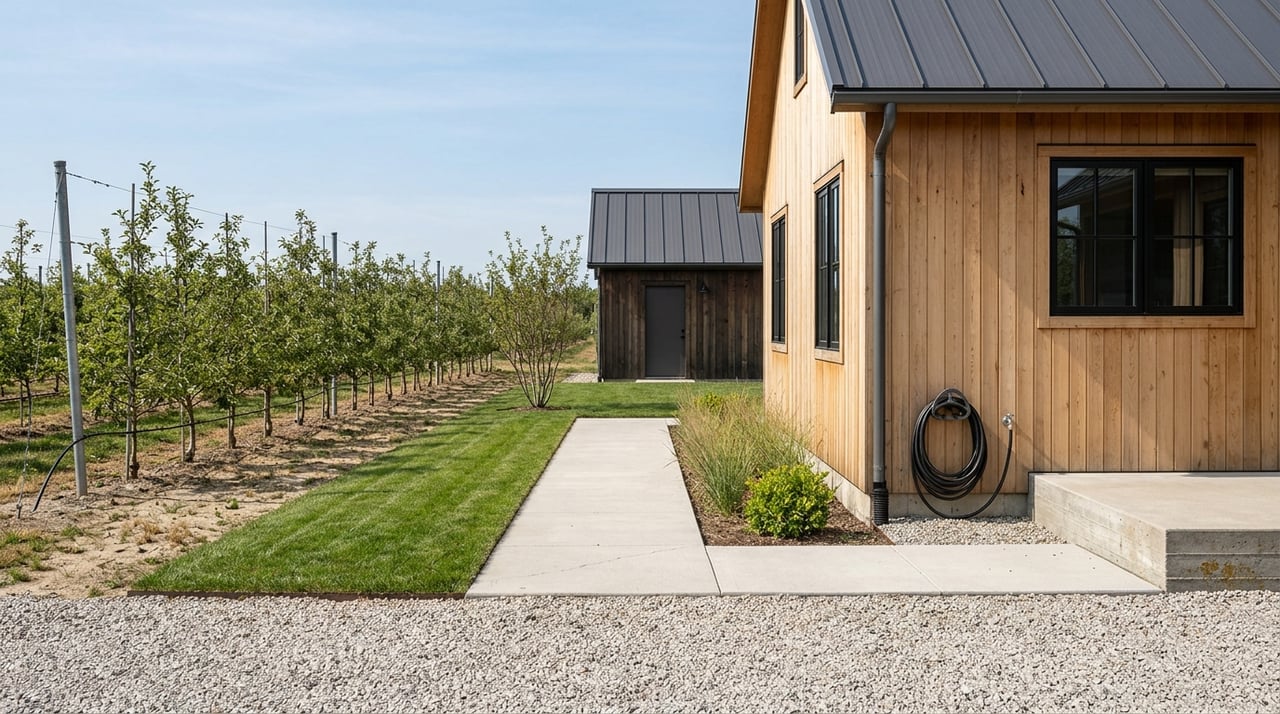
- Farm and vineyard settings with modern or traditional homes on larger-acreage parcels.
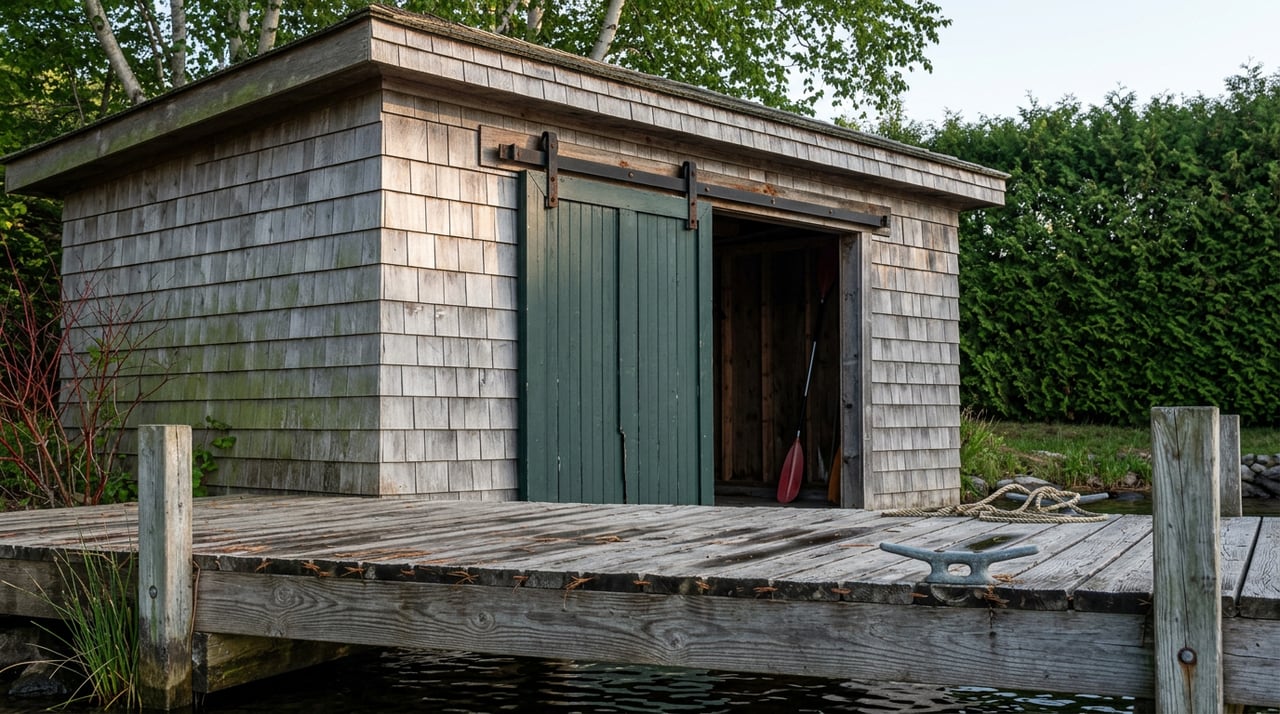
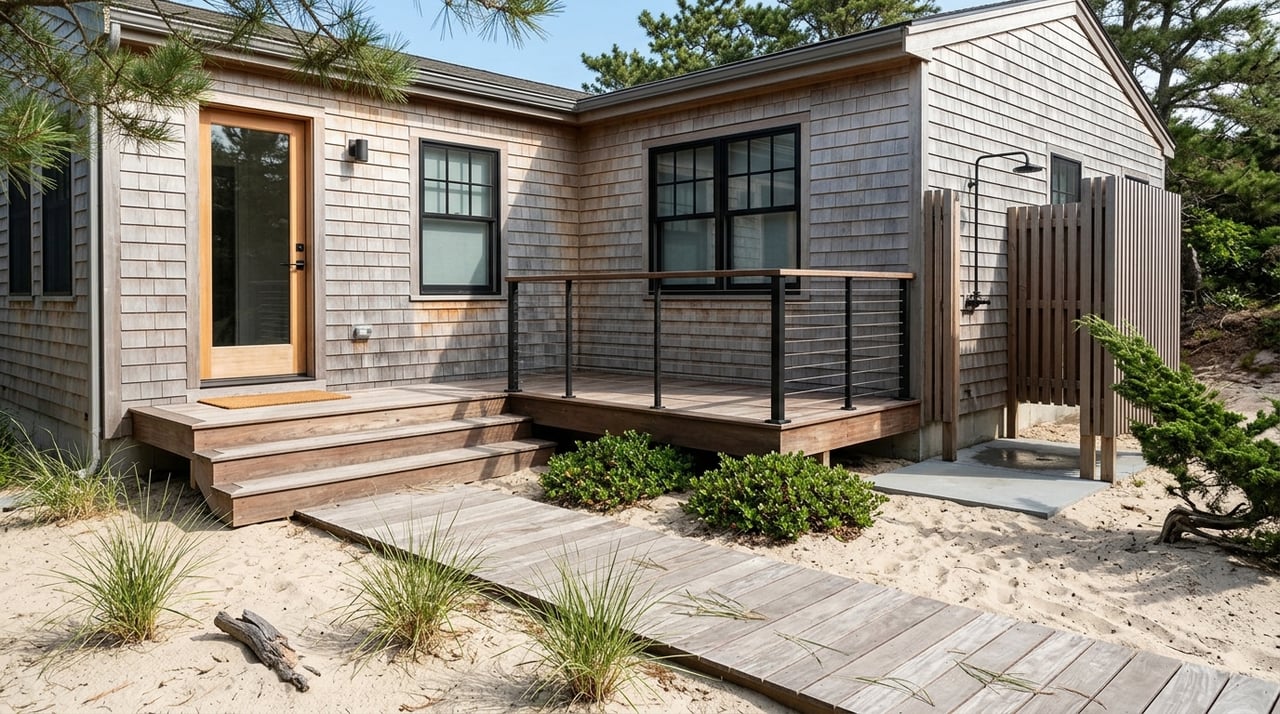
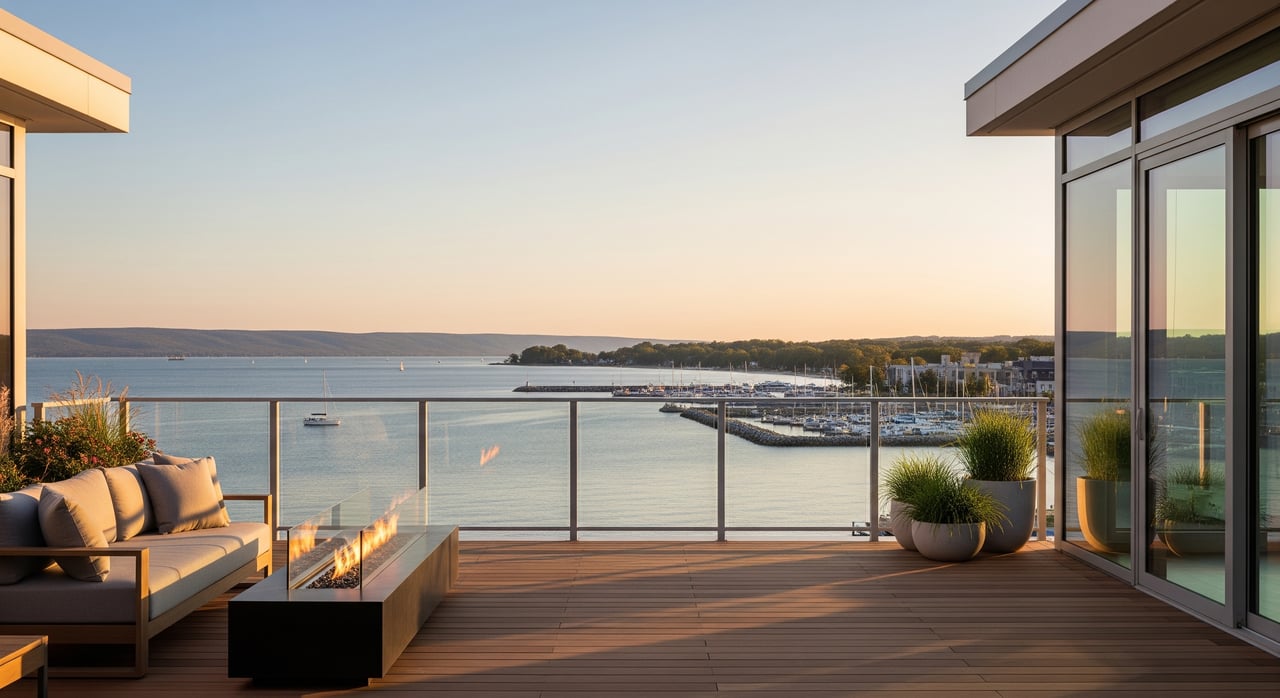
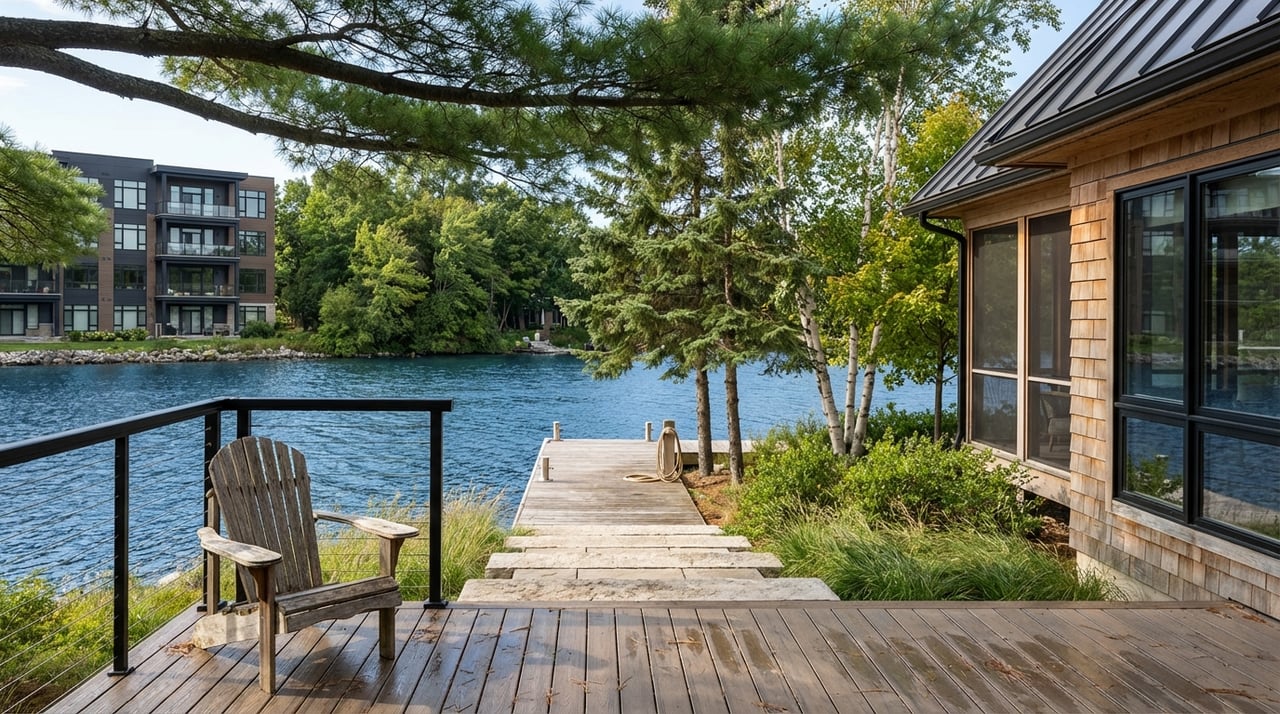
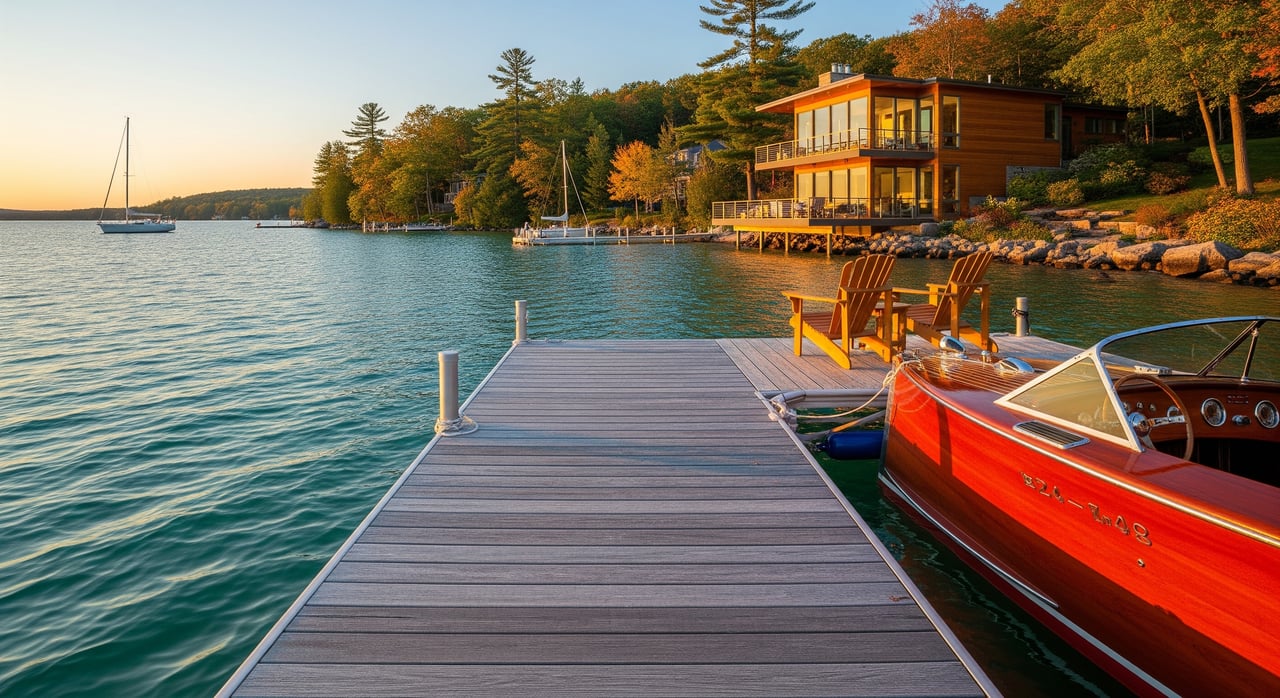
- Waterfront cottages and estates with private frontage or bluff-top views.
- Low-density residential pockets set back from main roads for added privacy.
Because preservation tools restrict subdivision on many parcels, view sheds are protected and development is measured. That makes due diligence on easements and zoning essential before you fall in love with a particular vista.
Market snapshot and pricing
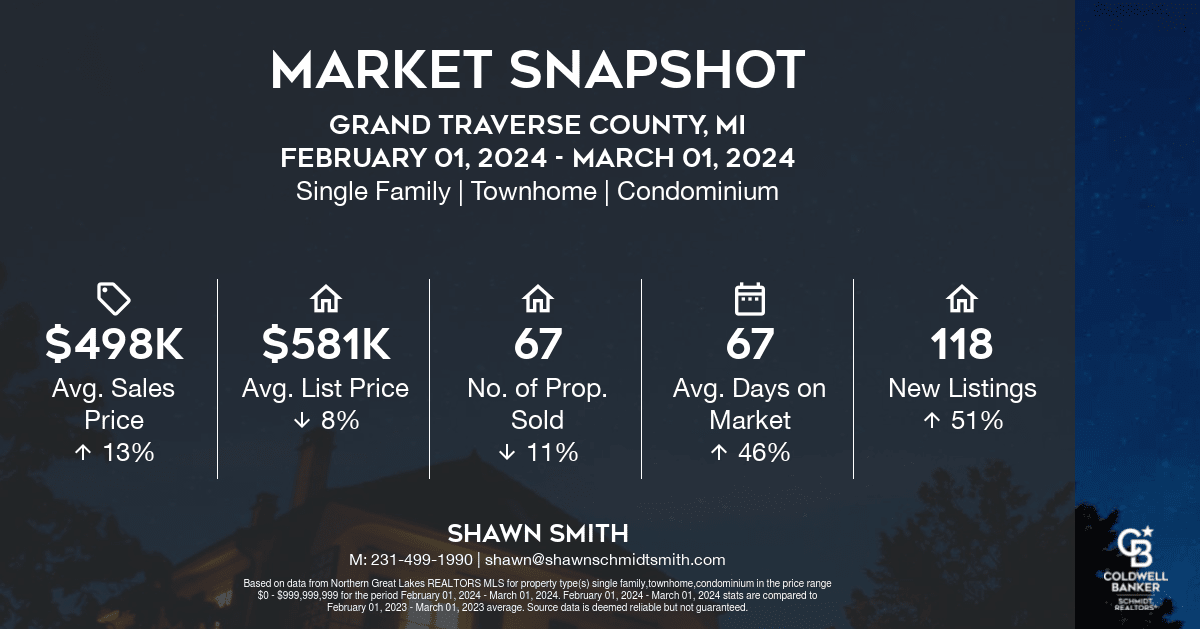
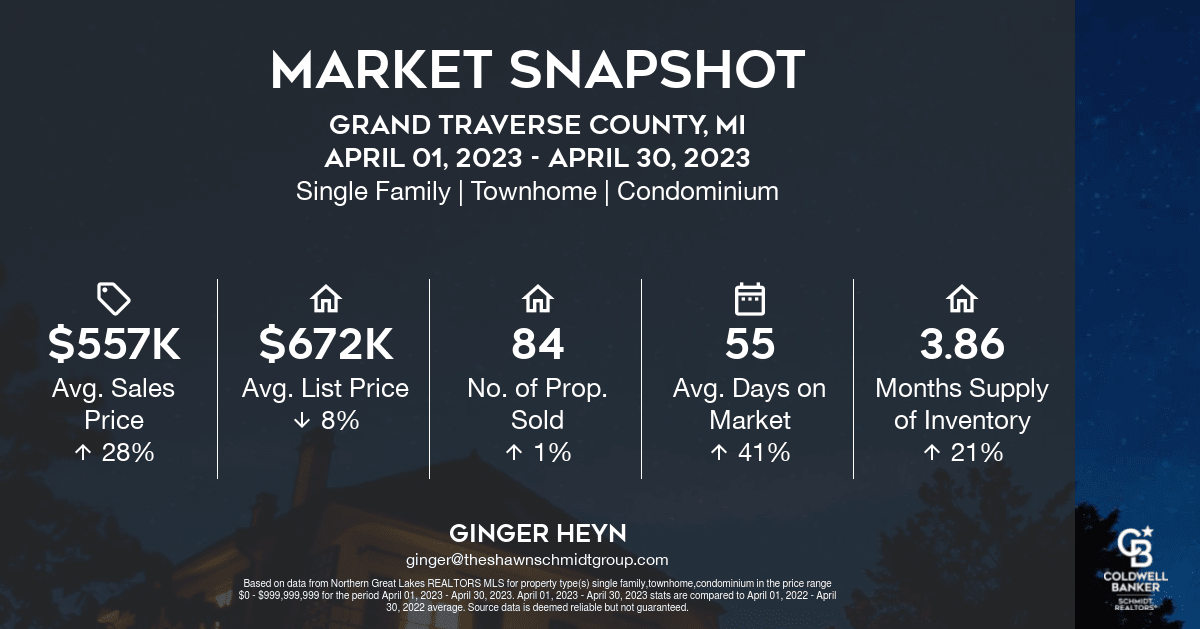
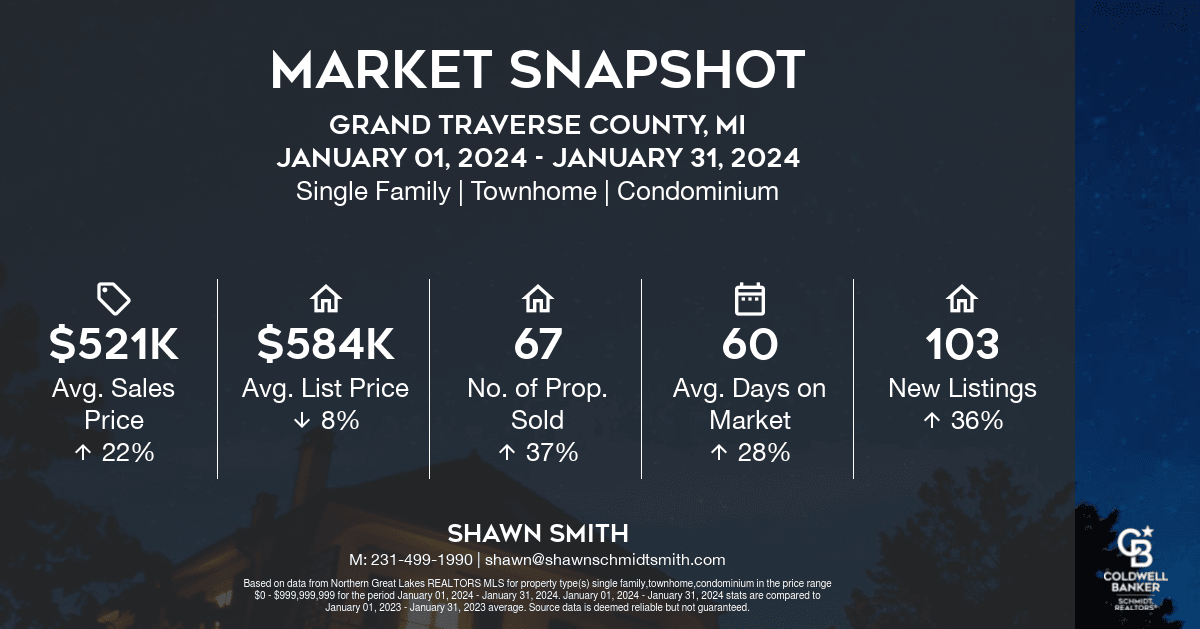
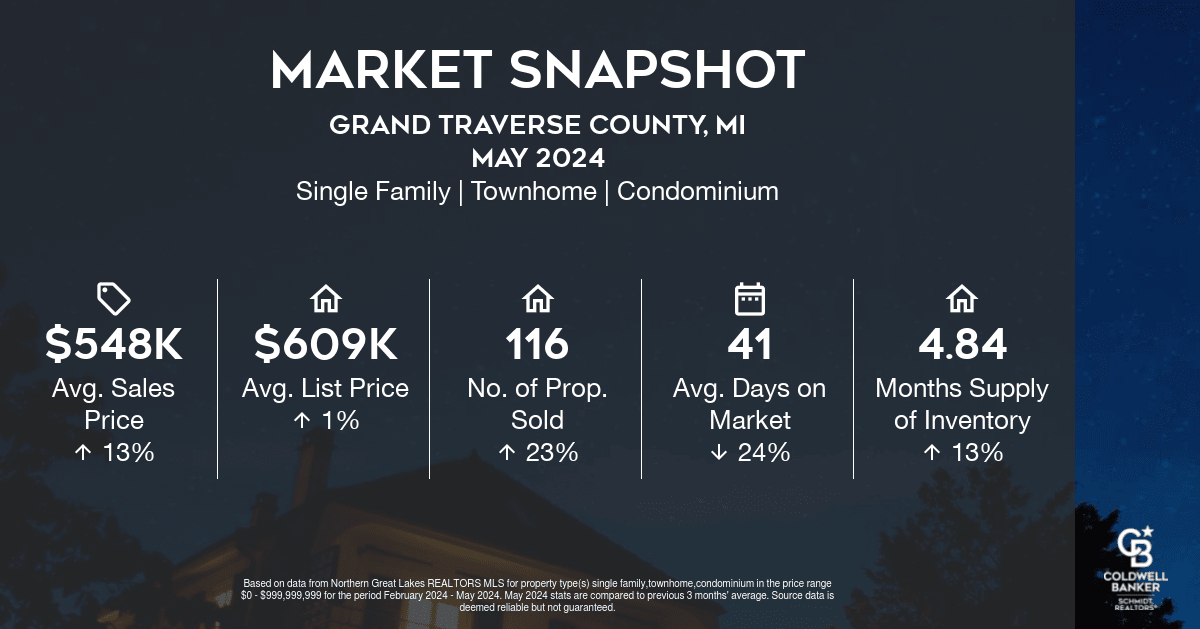
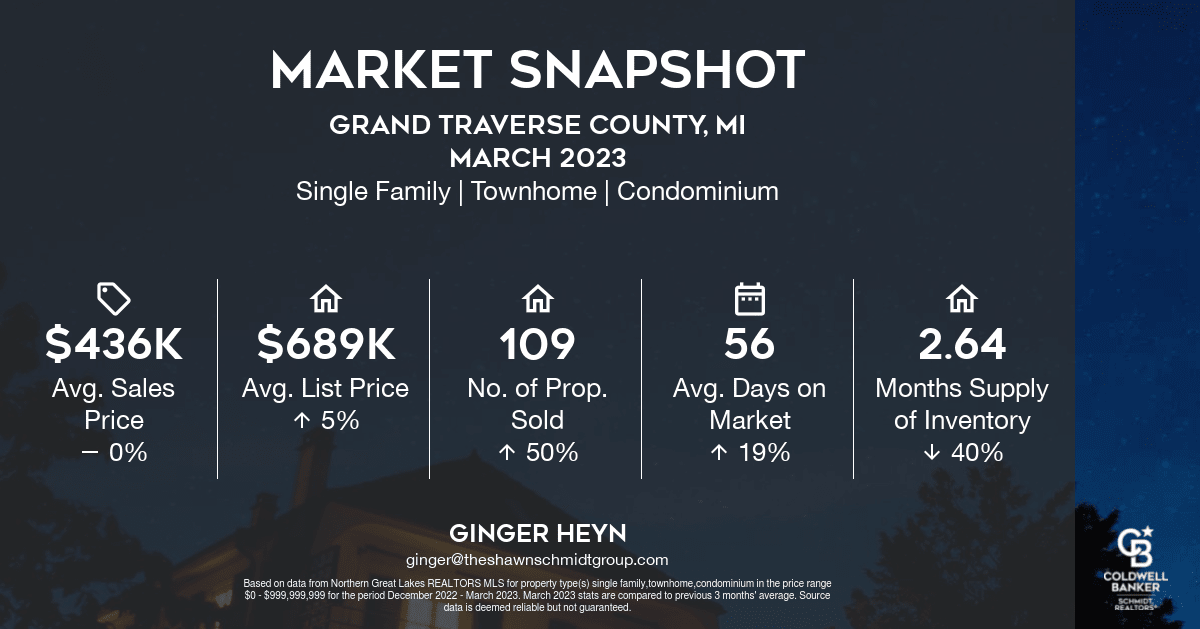
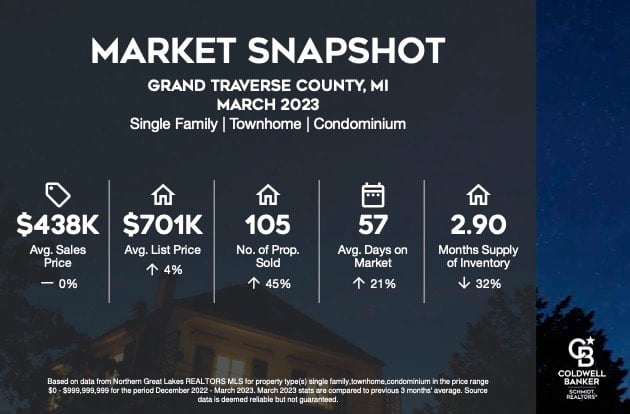
For a quick reference, the broader 49686 zip code that includes parts of Old Mission and Traverse City has shown a median sale or list price in the $380,000 to $390,000 range in late 2025 snapshots. On the peninsula itself, pricing spans widely, with waterfront and vineyard-estate properties trading at multiples of the zip median. Always verify current MLS data for your target segment, and use a recent snapshot like the 49686 market overview as a starting point.
Practical buying checklist
Zoning and development rights
Confirm the property’s zoning district and any Purchase of Development Rights or conservation easements. These may limit subdivision and non-agricultural uses, even if the land looks open. Township planning documents are the best first stop. Review the Peninsula Township Master Plan and contact the planning office with parcel-specific questions.
Wells, septic, and public sewer
About 30 percent of peninsula residents are on public sewer. Many homes rely on private wells and on-site septic systems regulated by the county health department. Ask for well and septic inspection records and confirm any transfer or inspection requirements with township or county officials, as outlined in the Master Plan.
Permits and special uses
If you plan to add an accessory structure, remodel, or explore a farm, tasting room, or events business, talk with the township planning and zoning staff early. Special-use permits and site-specific conditions are common for winery-related operations. Start with the township’s official site and request the most current forms and timelines.
Taxes, assessments, and township updates
Confirm the property’s tax millage, any special assessments, and whether the township is considering new assessments that could affect your parcel. Public notices and meeting agendas are posted on the township website. Your advisor should help you review these items during due diligence.
Insurance, shoreline, and seasonality
Waterfront homes may require specialized insurance. Ask carriers about shoreline risk, winter considerations, and how access is maintained on private or secondary roads. Snowfall, wind, and freeze-thaw cycles are part of life here, so plan for plowing, backup power, and routine winterization.
Services and commute
Downtown Traverse City is your main hub for groceries, dining, and professional services. Munson Medical Center is the region’s primary hospital, located in Traverse City. If timing matters, check maps with your exact address and season in mind, and explore Munson Medical Center’s resources for healthcare planning.
Living the seasons
Spring brings bud break and orchard blooms, followed by a vibrant summer of boating, markets, and winery patios. Fall is harvest season, with crisp air, color, and a busy tasting-room scene. Winter is quiet and beautiful, with lake-effect snow that rewards those who prepare for access and maintenance. If you appreciate distinct seasons and a working agricultural backdrop, you will enjoy the rhythm here.
How we help
Buying on Old Mission Peninsula is about more than square footage. It is about site, exposure, soils, shoreline, and the rules that protect what makes this place special. You deserve senior-level guidance, refined listing intel, and a team that understands waterfront and vineyard dynamics in detail. If you are considering a move, reach out to Carly Petrucci to Request a Private Consultation.
FAQs
What makes Old Mission Peninsula an AVA?
- The federal government recognized the peninsula in 1987 for its lake-moderated climate and glacial soils that suit cool-climate vinifera; see the TTB AVA record for history and boundaries.
How do PDR and conservation easements affect building rights?
- They can restrict subdivision and some non-agricultural uses even when land appears developable; confirm parcel specifics with township planners and the Master Plan.
Are most homes on public sewer and water on Old Mission?
- No; only about 30 percent use public sewer, while many rely on private wells and septic systems; verify well and septic records and any transfer requirements with township or county staff per the Master Plan.
What should I know about winery events and local rules before buying?
- Winery events are central to the local economy, and related zoning has been contested; review current township rules and the recent federal court judgment documented on Justia.
How close are healthcare and daily services to Old Mission homes?
- Most residents rely on Traverse City for everyday needs, with Munson Medical Center as the primary hospital; check drive times for your address and season when evaluating a property.