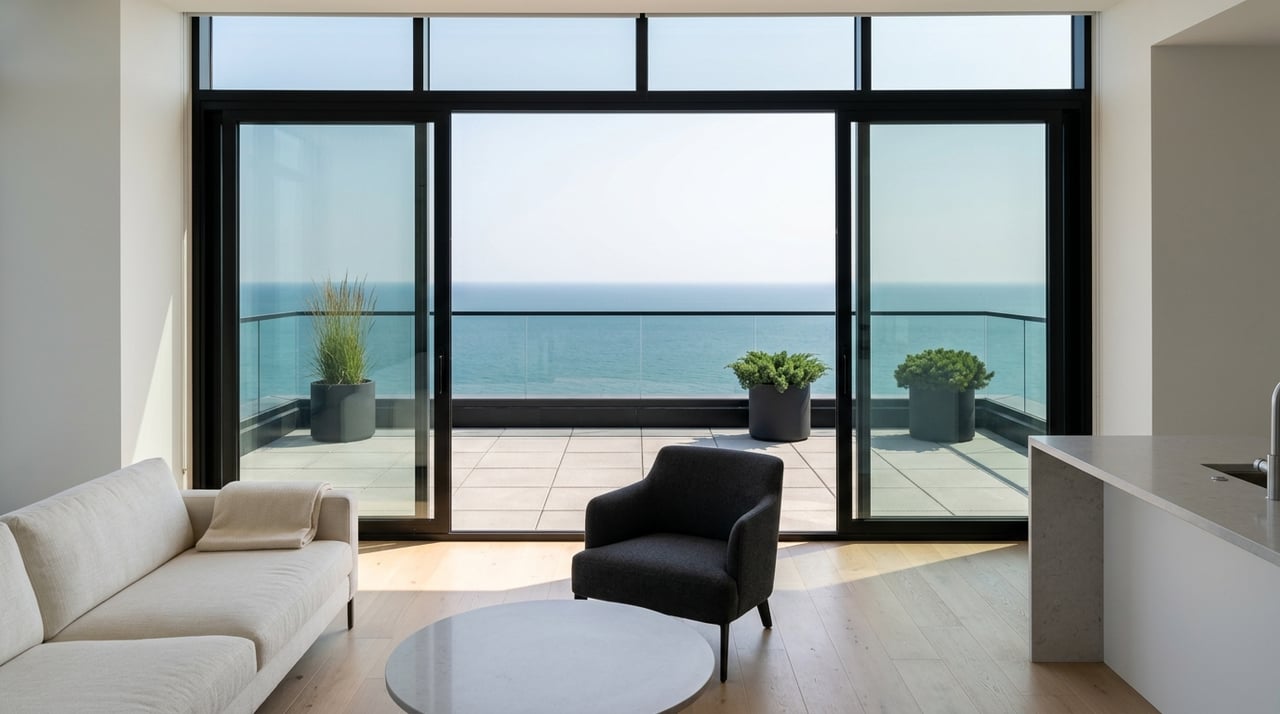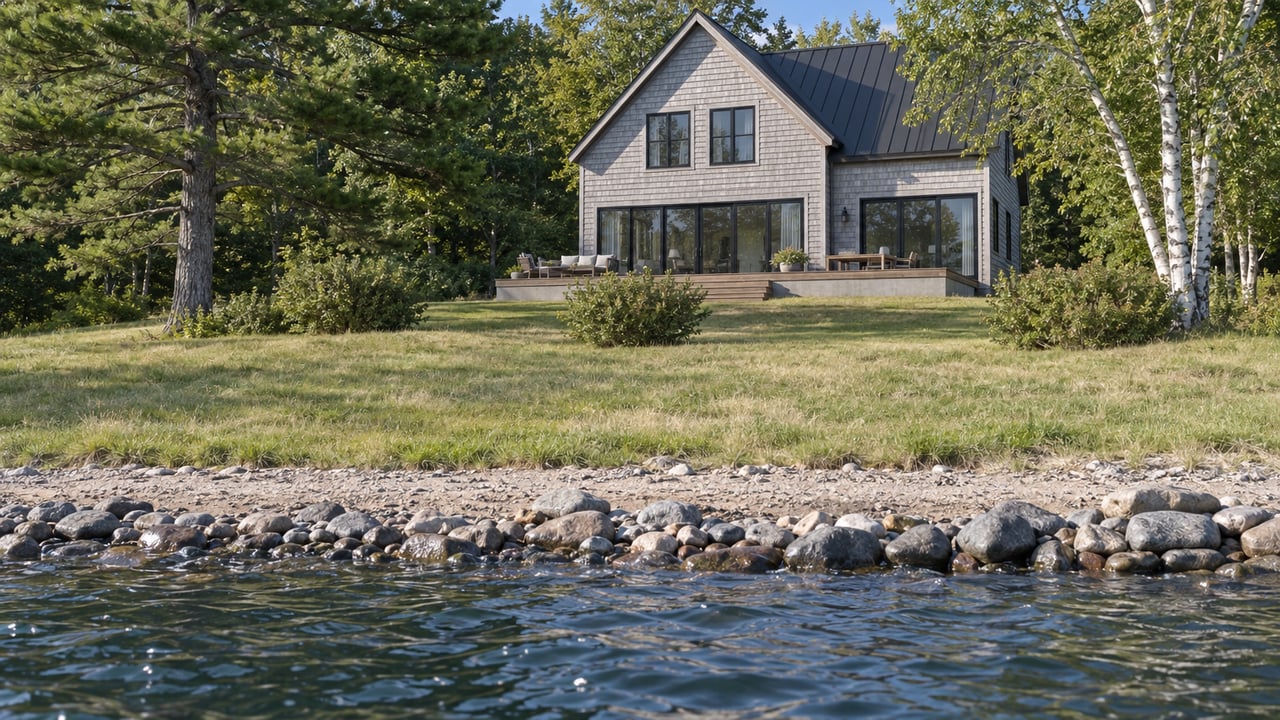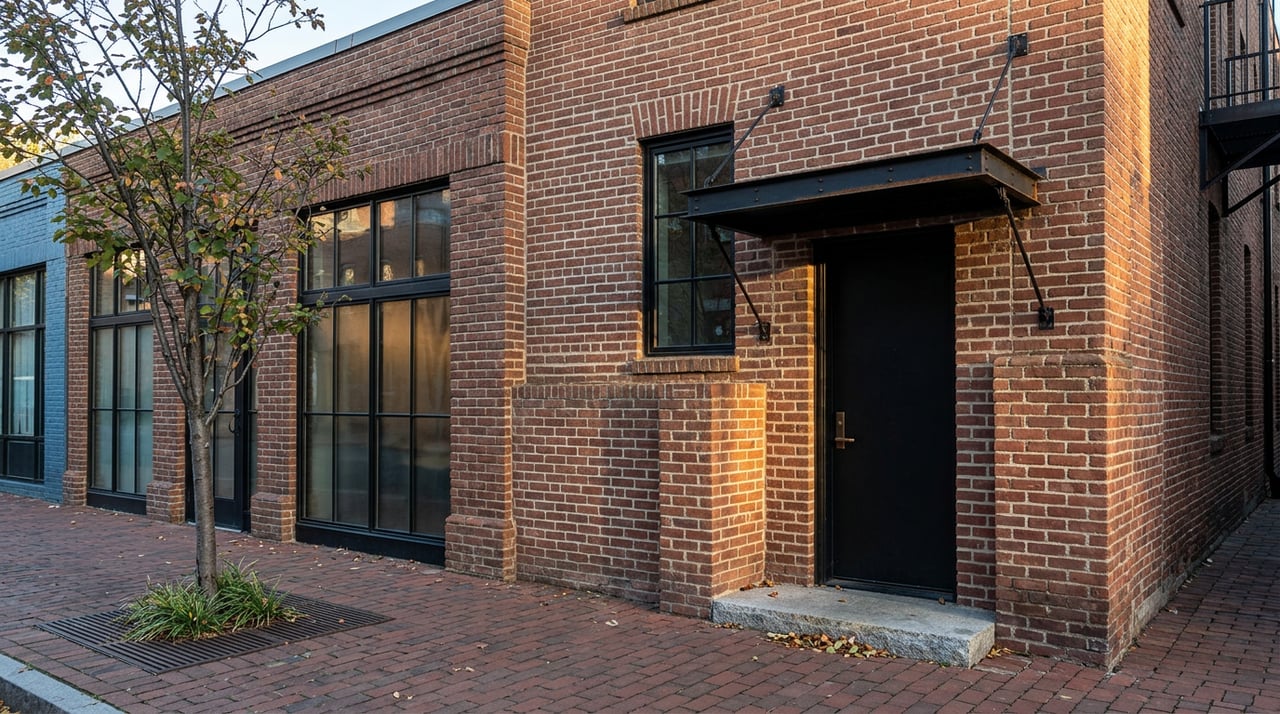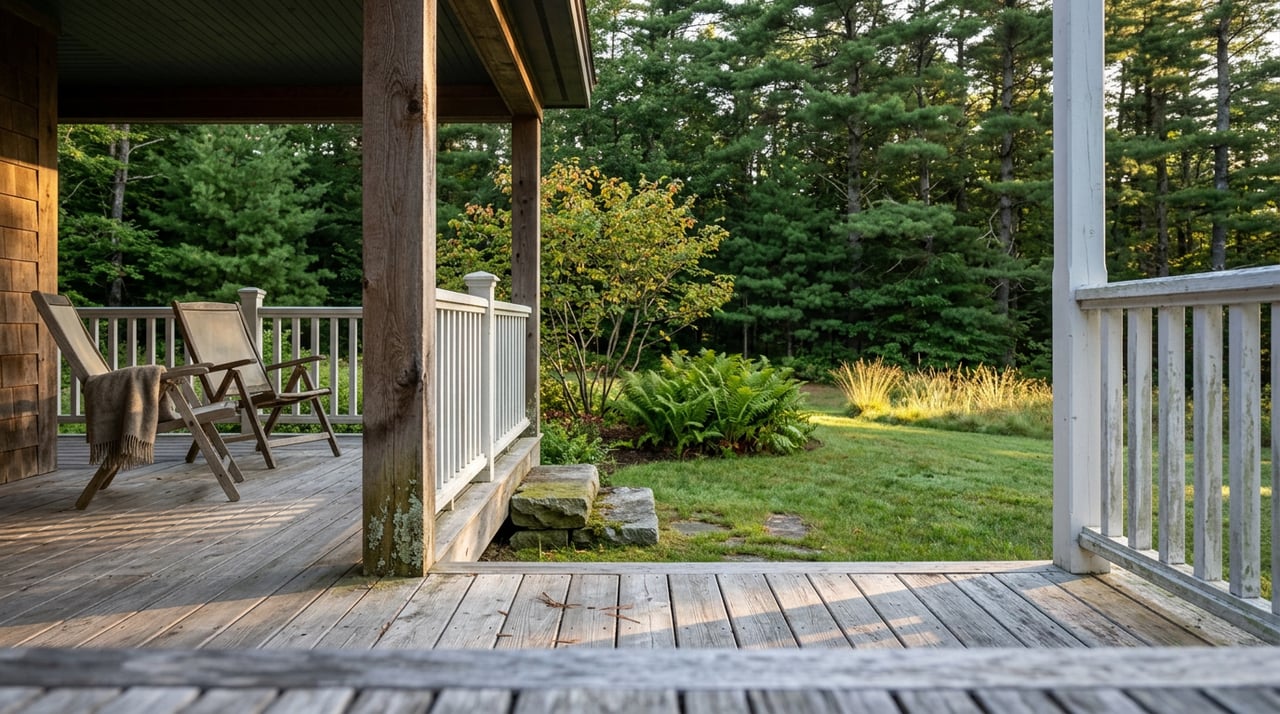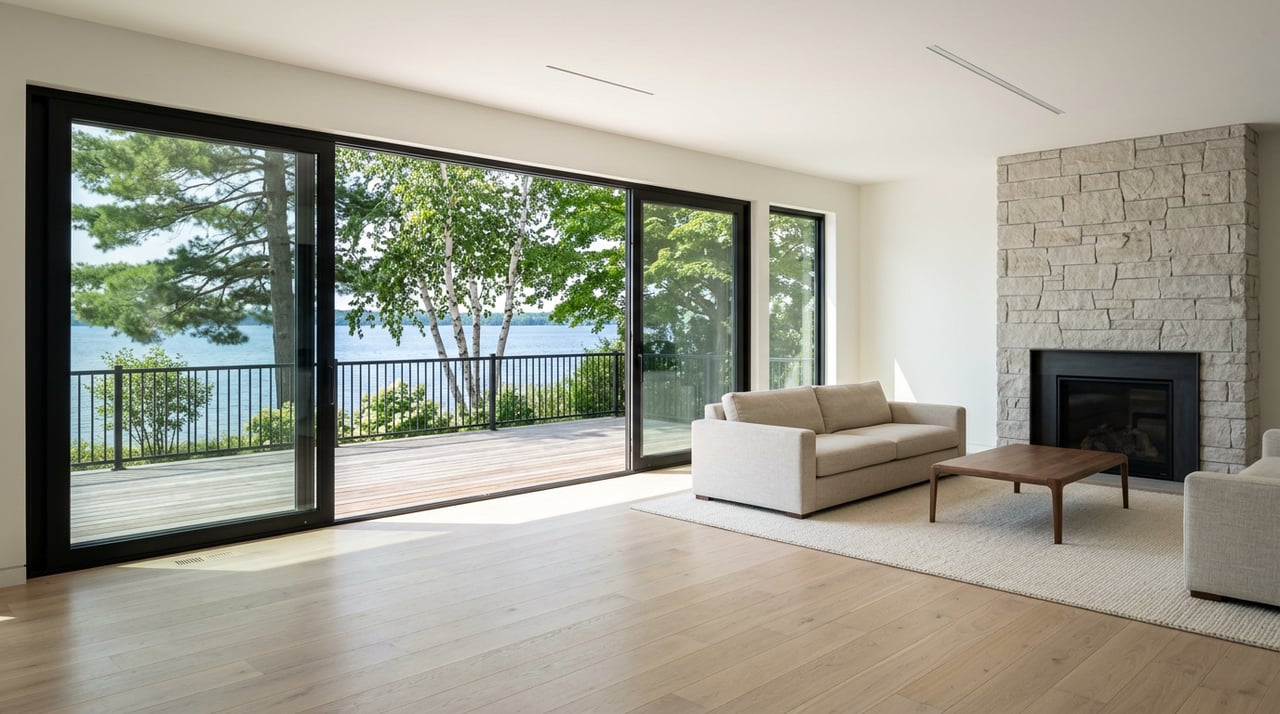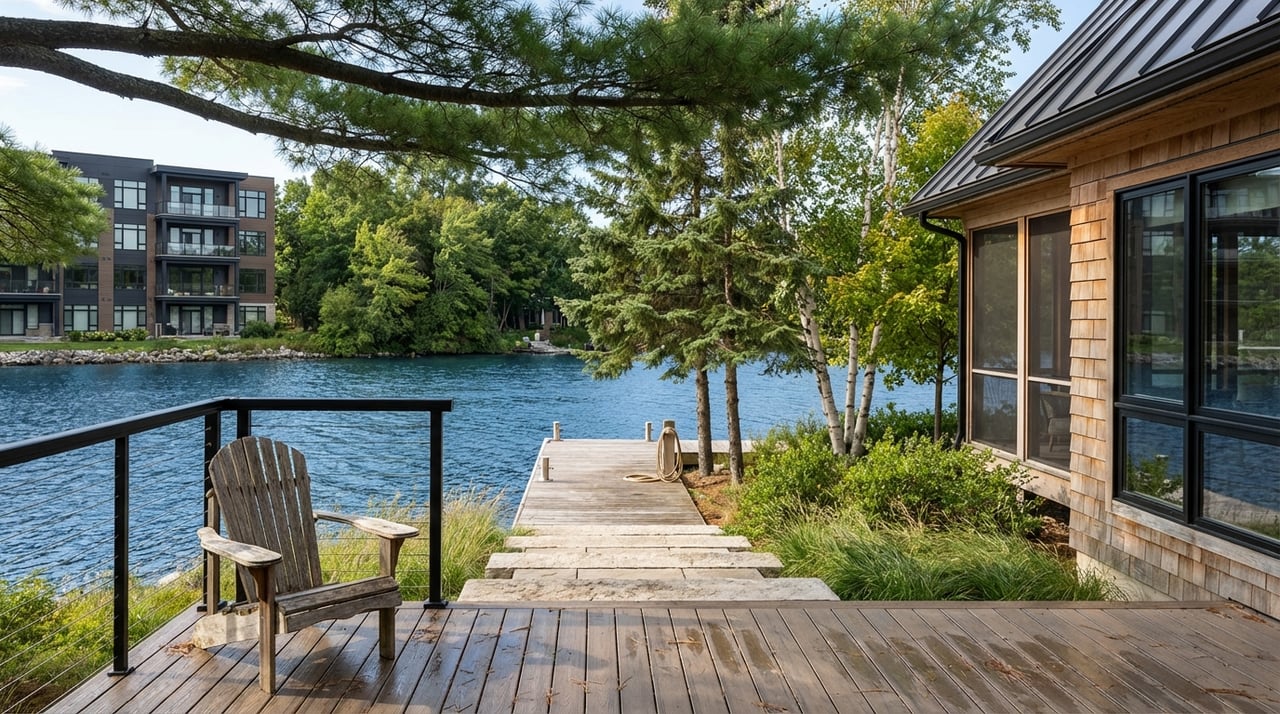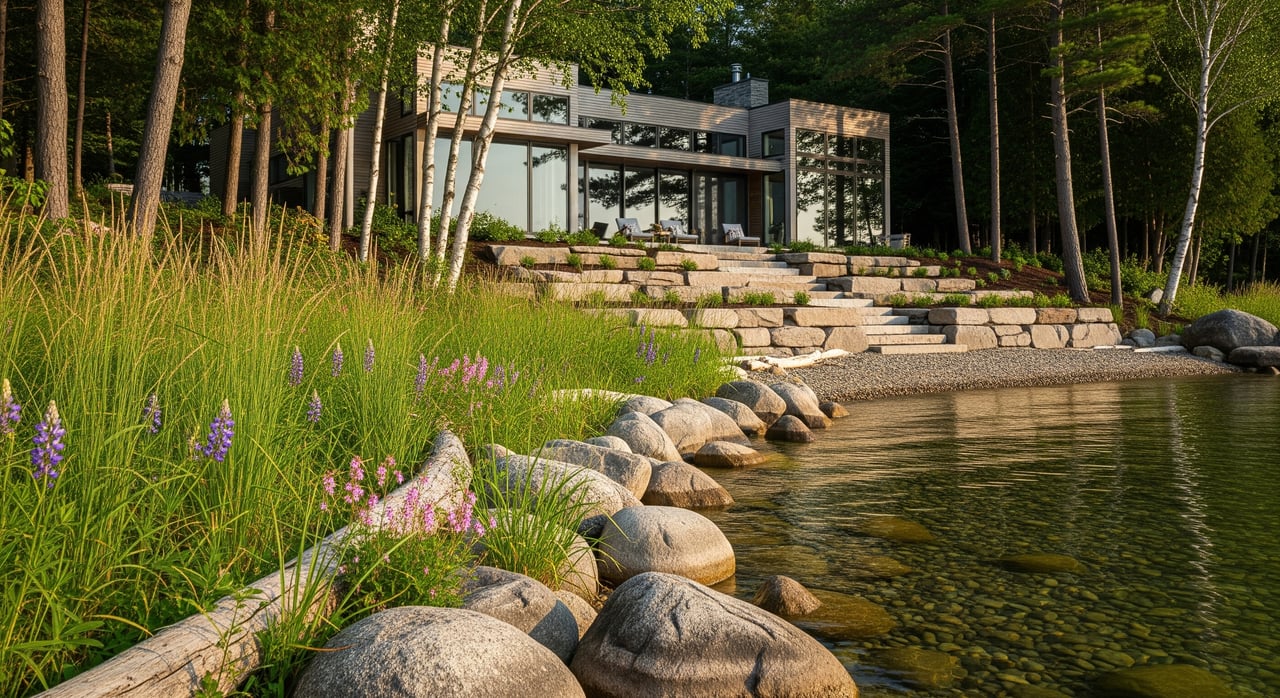
If your ideal day starts with a trail run, ends with a beach sunset, and includes more time outside than in the car, Leelanau County likely has your attention. But lifestyle fit matters just as much as scenery, especially when you are choosing where to live or buy a second home. This guide will help you weigh what Leelanau County offers for outdoor living, daily routines, and housing so you can decide whether it matches the way you want to spend your time. Let’s dive in.
What Outdoor Living Looks Like Here
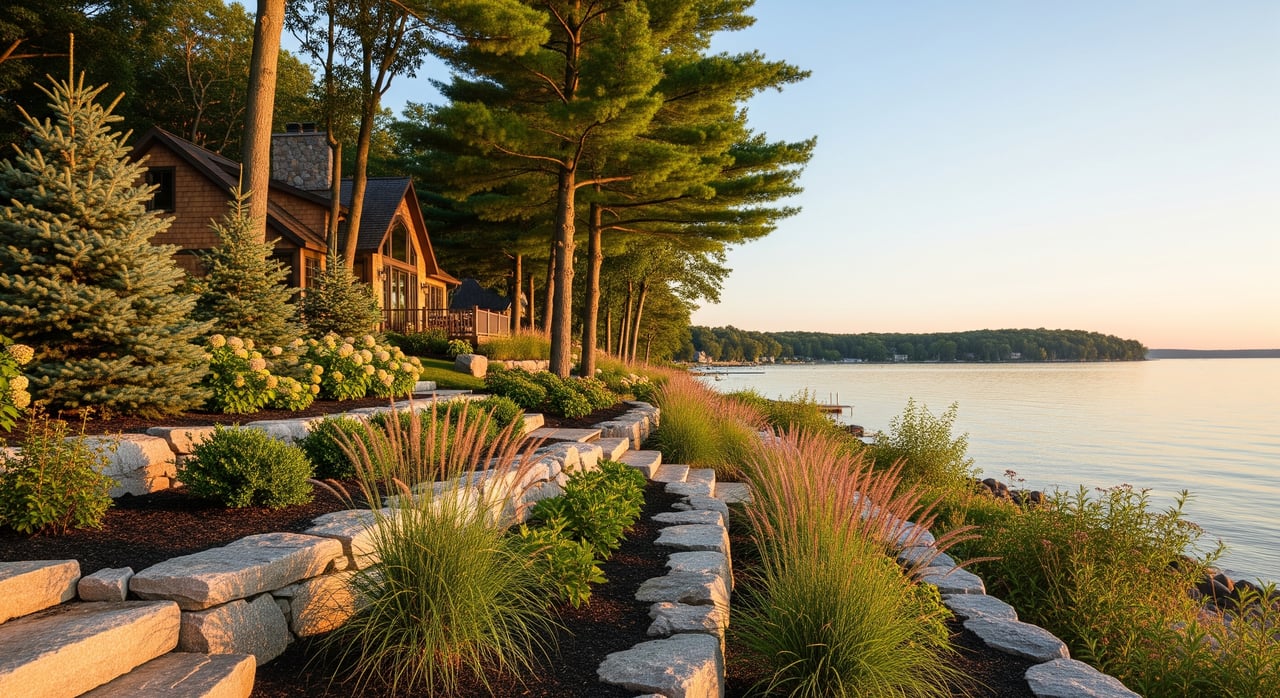
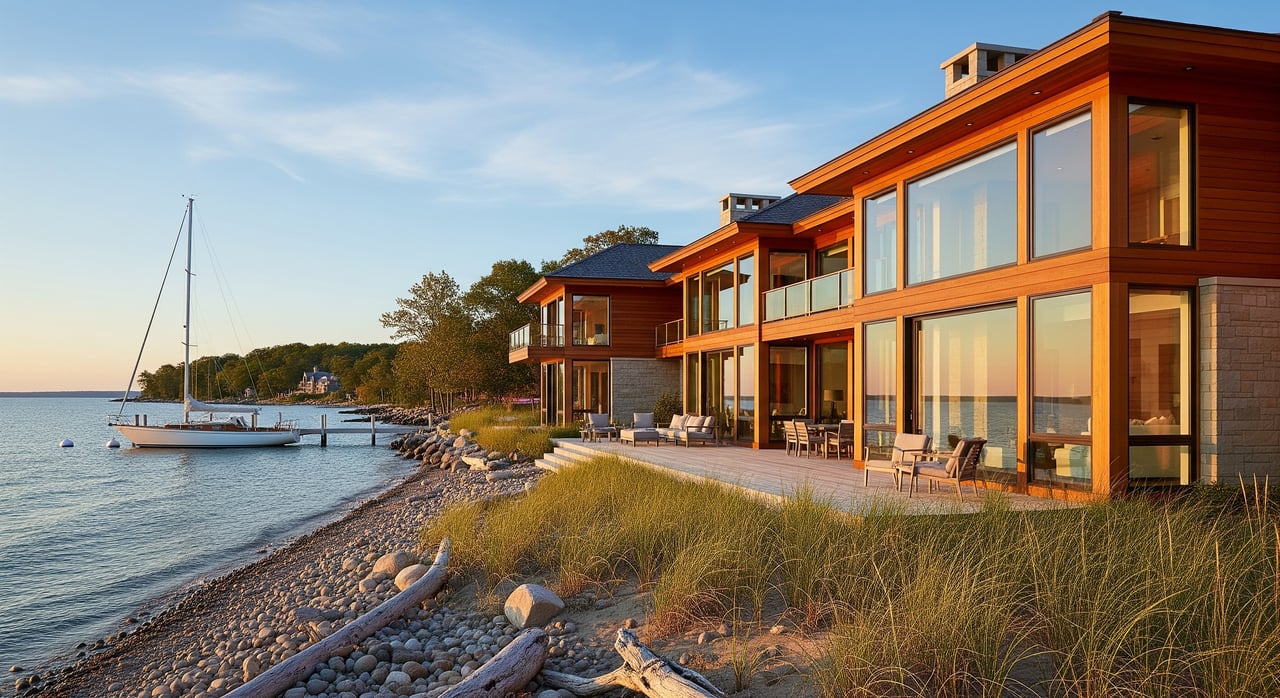
Leelanau County is built around land, water, and open space. According to a county planning document, it is bordered by Lake Michigan and Grand Traverse Bay, with about three-fourths of the county made up of open land or woodland, and more than 10% occupied by Sleeping Bear Dunes National Lakeshore. That setting shapes daily life in a very real way.
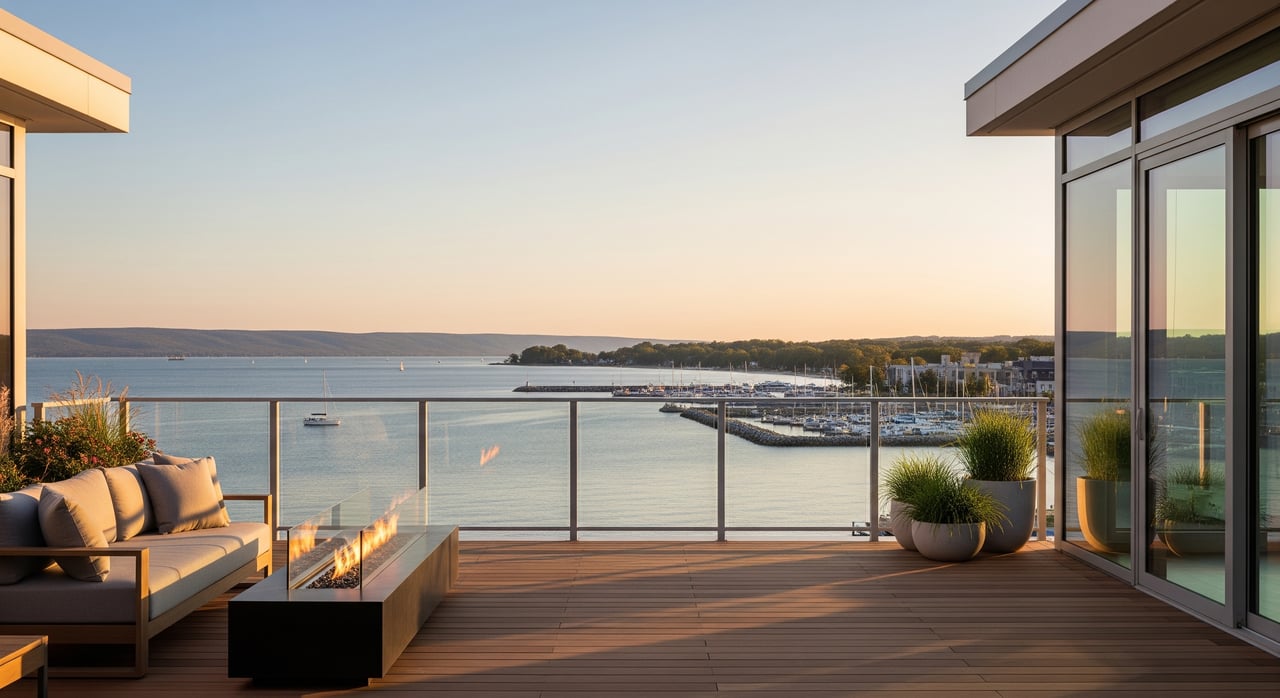
If you want quick access to beaches, trails, scenic drives, and big-water views, this county checks many of the right boxes. It feels less like a place where outdoor recreation is an occasional weekend activity and more like a place where it can become part of your regular routine.
Sleeping Bear Dunes Leads the Lifestyle
For many buyers, Sleeping Bear Dunes National Lakeshore is the main reason Leelanau County stays on the shortlist. The National Park Service highlights 35 miles of mainland Lake Michigan beaches, the 22-mile Sleeping Bear Heritage Trail, and the 7.4-mile Pierce Stocking Scenic Drive.
That adds up to a wide range of ways to be outside across the seasons. The park promotes year-round hiking, biking, skiing, and beach use, along with dark-sky viewing that can include the northern lights. If your version of luxury includes natural beauty and room to roam, this is a major draw.
Four-season recreation matters
Some outdoor destinations shine only in summer. Leelanau County has stronger year-round appeal because many of its most recognizable assets support different activities as conditions change.
You can think of the area this way:
- Summer brings beach days, biking, and scenic shoreline access
- Fall supports hiking and long drives through open and wooded landscapes
- Winter adds skiing, snowshoeing, and cold-weather trail use
- Spring offers a quieter shoulder season with easier access to public spaces
For buyers considering a full-time move or a second home, that four-season utility can make ownership feel more worthwhile.
Trails and Parks Expand Your Options
Sleeping Bear Dunes is not the county’s only outdoor anchor. At the tip of the peninsula, Leelanau State Park offers more than 1,550 acres with a rustic campground, mini cabins, a lighthouse, trails, and sandy beach access.
This matters because it gives you another major public-land option beyond the lakeshore. It also helps reinforce how much of Leelanau County’s appeal comes from easy access to protected landscapes rather than from one single destination.
For residents who like to stay active close to home, the 17-mile Leelanau Trail connects Traverse City and Suttons Bay on a paved off-road corridor. TART Trails notes that it is also groomed in winter for classic and skate skiing, fatbiking, and snowshoeing as conditions allow.
Best fit for active routines
If you enjoy structured, repeatable outdoor habits, Leelanau County may feel especially appealing. It supports the kind of lifestyle where you can bike, walk, ski, or head to the water without needing a packed itinerary.
That can be a strong match if you are looking for:
- Regular trail access
- Public beach time close to home
- Scenic drives and waterfront stops
- Seasonal variety in outdoor recreation
- A slower pace centered on nature
Village Life Shapes the Experience
Outdoor appeal is only part of the story. Leelanau County also has a distinct village-based rhythm that shapes how day-to-day life feels.
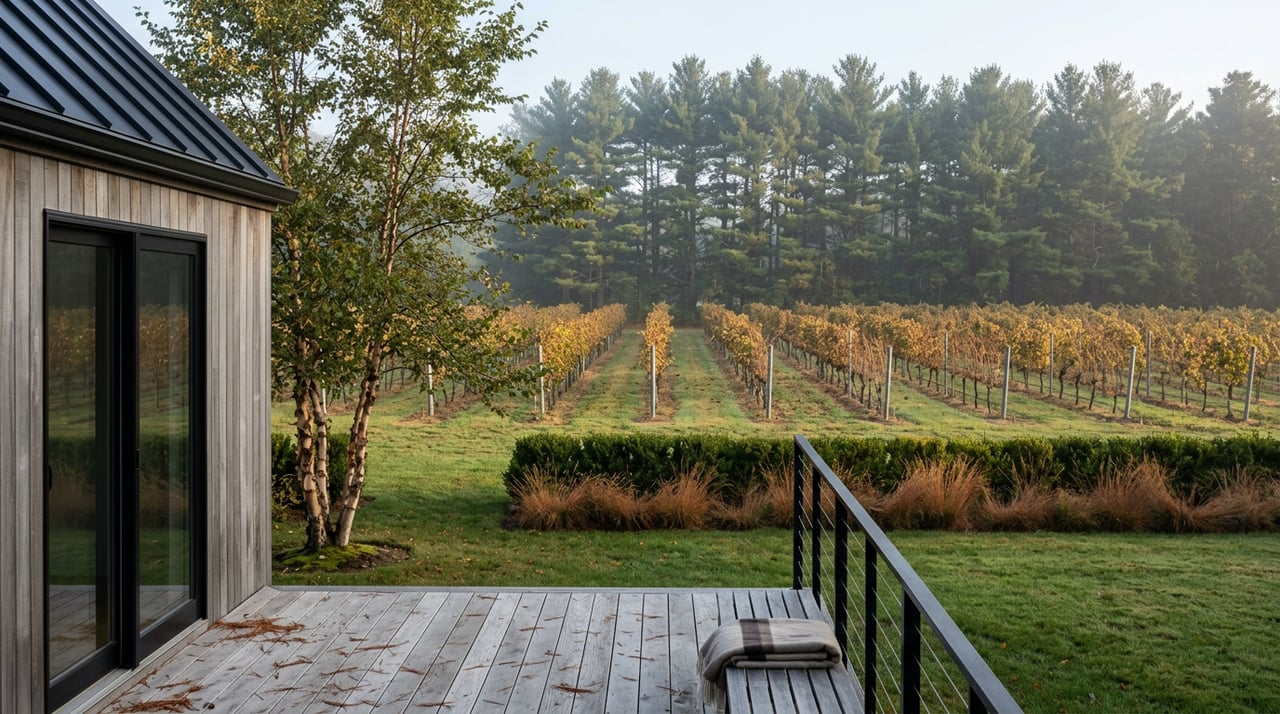
County and township planning documents point to communities like Leland and Lake Leelanau as places with restaurants, retail shops, marinas, professional offices, rental homes, cottages, charter fishing, and Manitou Island transit service. The county also has a vineyard-forward identity, with the Leelanau Peninsula Wine Trail including more than 20 wineries.
That combination creates a lifestyle many buyers find compelling. You get access to small commercial centers and local gathering spots, but the county still feels low-density and landscape-driven.
Expect lively summers and quieter off-seasons
Leelanau County has a 2024 population estimate of 22,871, according to Census QuickFacts. Planning documents also note that tourism and seasonal residents help shape the local economy.
In practical terms, that often means villages can feel energetic in summer and more subdued in shoulder seasons. For some people, that is part of the appeal. For others, it is an important lifestyle tradeoff to consider before buying.
Daily Logistics Are More Car-Based
It is easy to fall in love with the scenery. It is just as important to think about how your daily routine will work.
Leelanau County is not a place where most households can expect a fully walkable or transit-based lifestyle. Census QuickFacts reports a mean travel time to work of 23.6 minutes, while county planning documents say about 46% of the labor force commutes outside the county, mainly to Grand Traverse County. A township plan also notes that Traverse City is about 25 miles from Leland Township and that the private automobile is the primary means of transportation.
That does not make the area inconvenient. It simply means your fit will depend on how often you need quick city access and how comfortable you are with driving as part of normal life.
Remote and flexible work may be easier here
For buyers who work from home at least part of the time, Leelanau County may be easier to picture. Census QuickFacts lists broadband subscription at 93.1% of households and a household computer rate of 97.2%.
That does not turn the county into an urban convenience market, but it does support the idea that remote or flexible work can pair well with the area’s slower, outdoor-oriented routine.
Housing Comes With Tradeoffs
If Leelanau County feels like the right lifestyle fit, the next question is usually housing. The short version is that the market appears ownership-heavy, lifestyle-driven, and relatively constrained.
Census QuickFacts reports a median value of owner-occupied housing units of $458,400, a median household income of $99,422, and a median gross rent of $1,228 in the county. The owner-occupied housing rate is 91.6%, which reflects how strongly the area leans toward ownership.
County housing materials summarizing the 2023 Housing North assessment estimate a 2,335-unit housing gap through 2027, including 382 rental units and 1,953 for-sale units. Even with 201 building permits reported in 2024, supply appears tight relative to demand.
What kinds of homes you may find
Based on county and township planning materials, the housing mix appears to include:
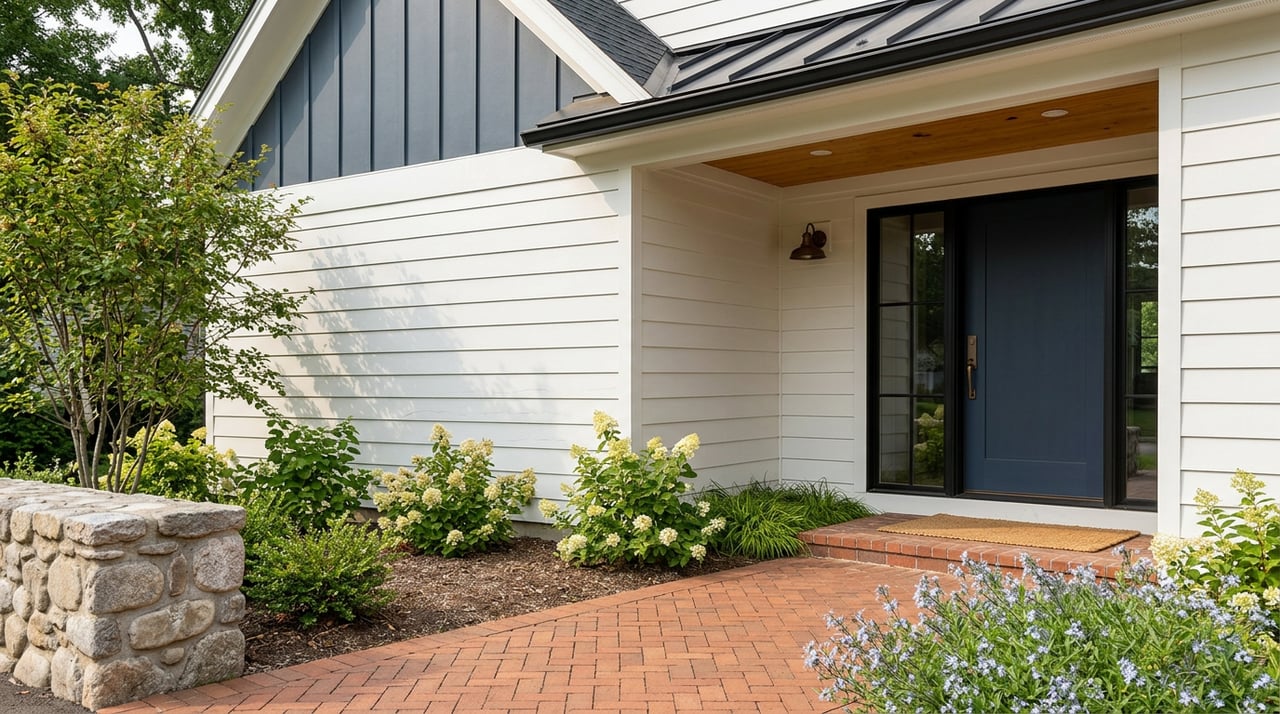
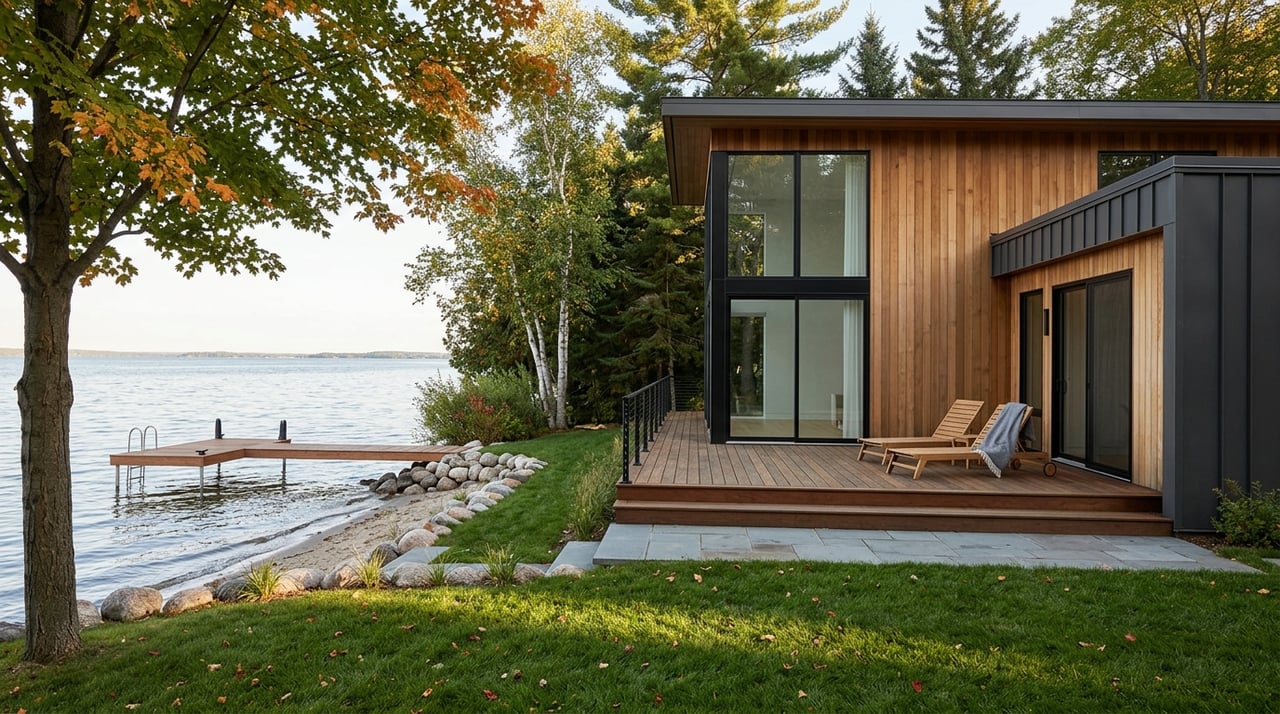
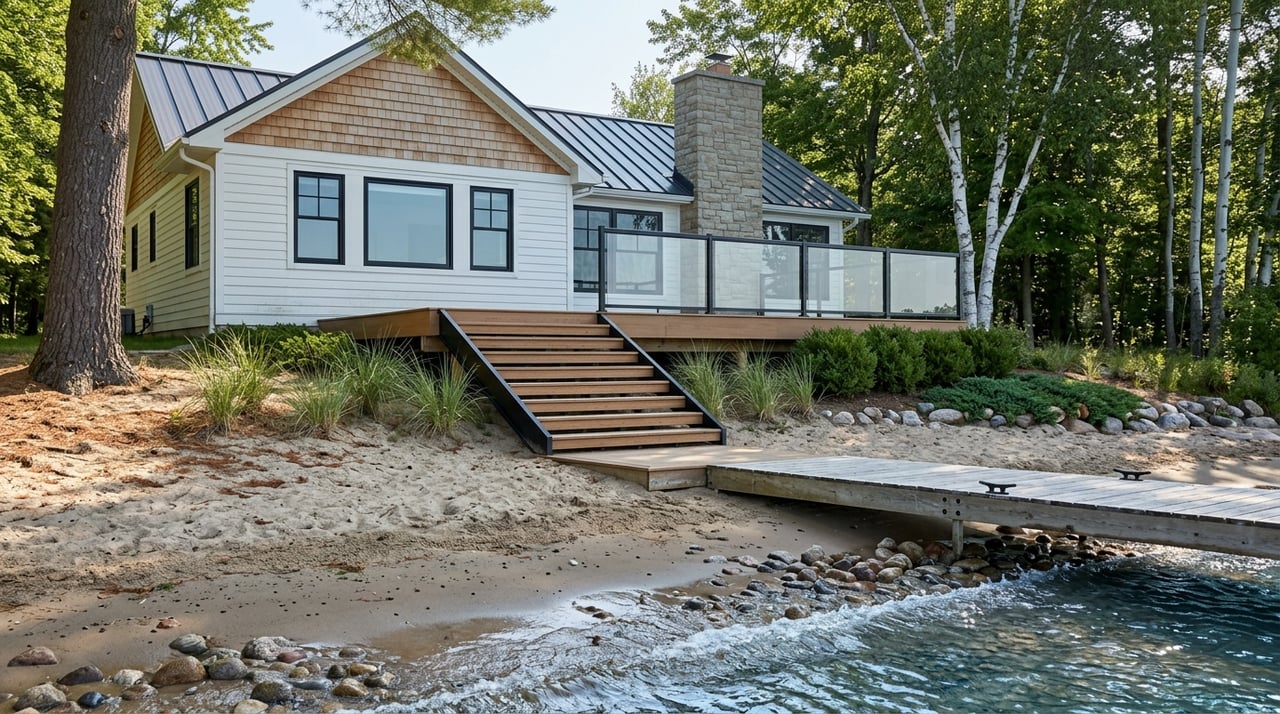
- Shoreline properties
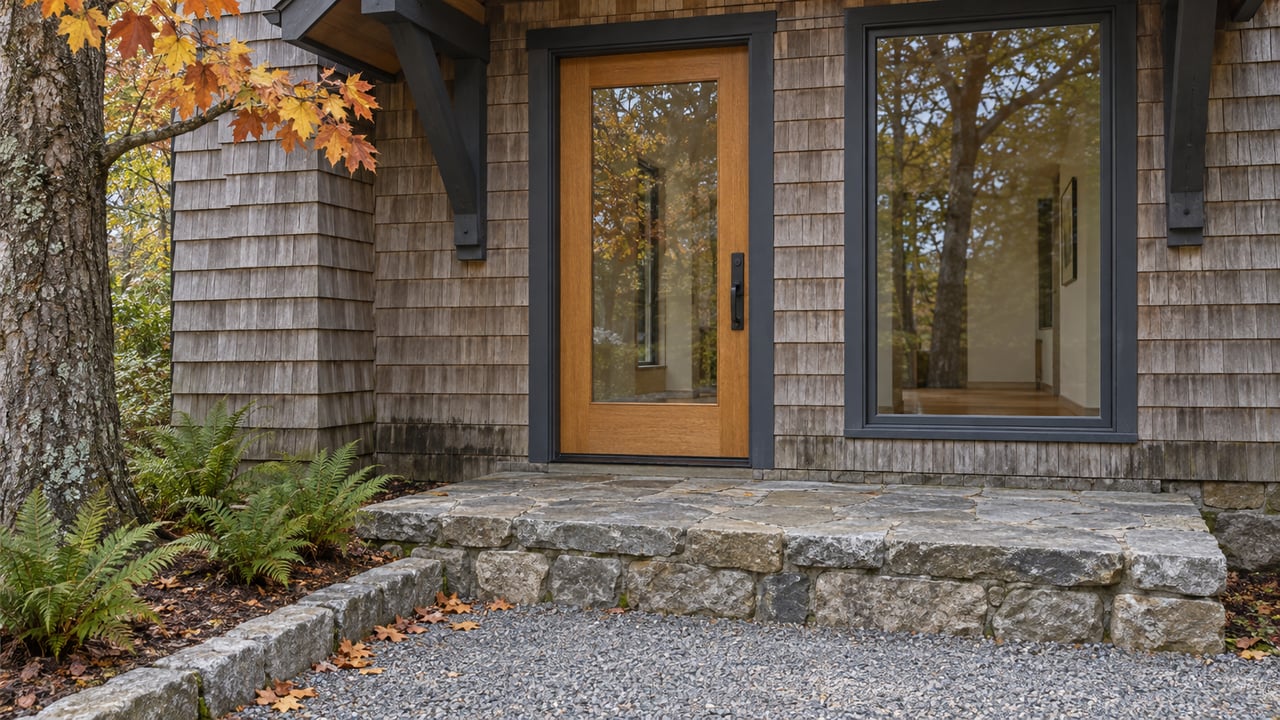
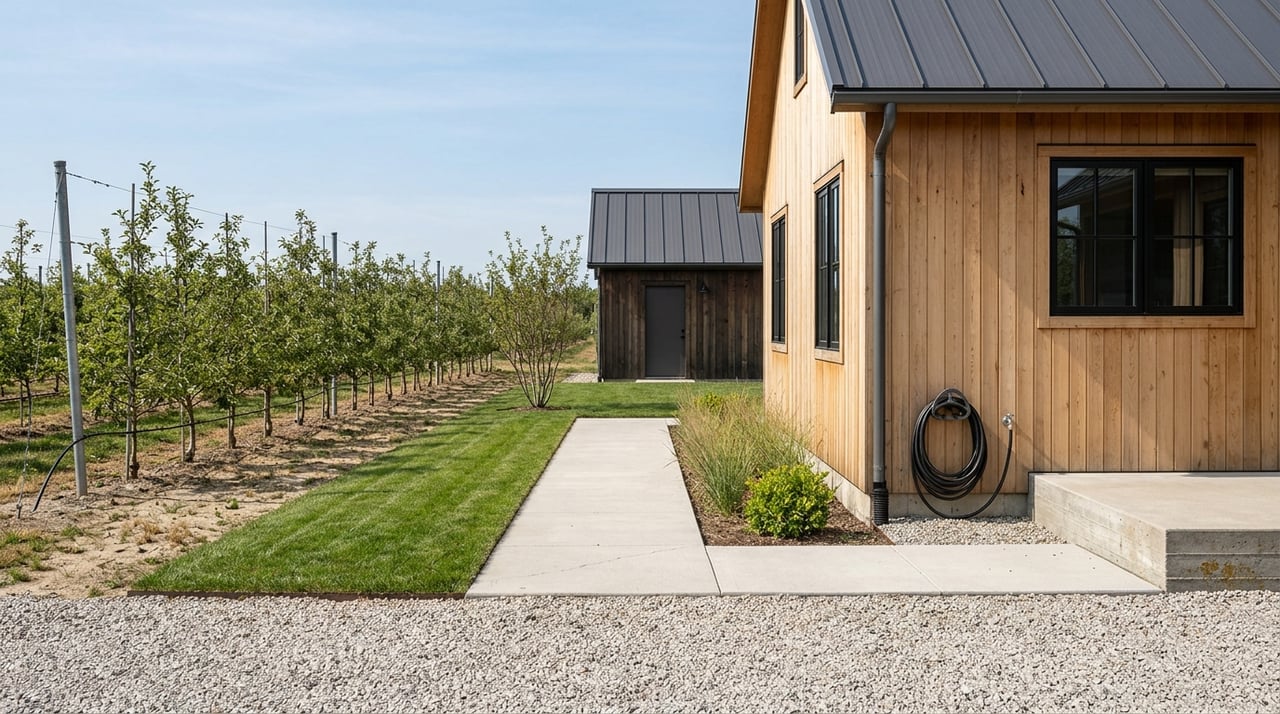
- Rural residential parcels
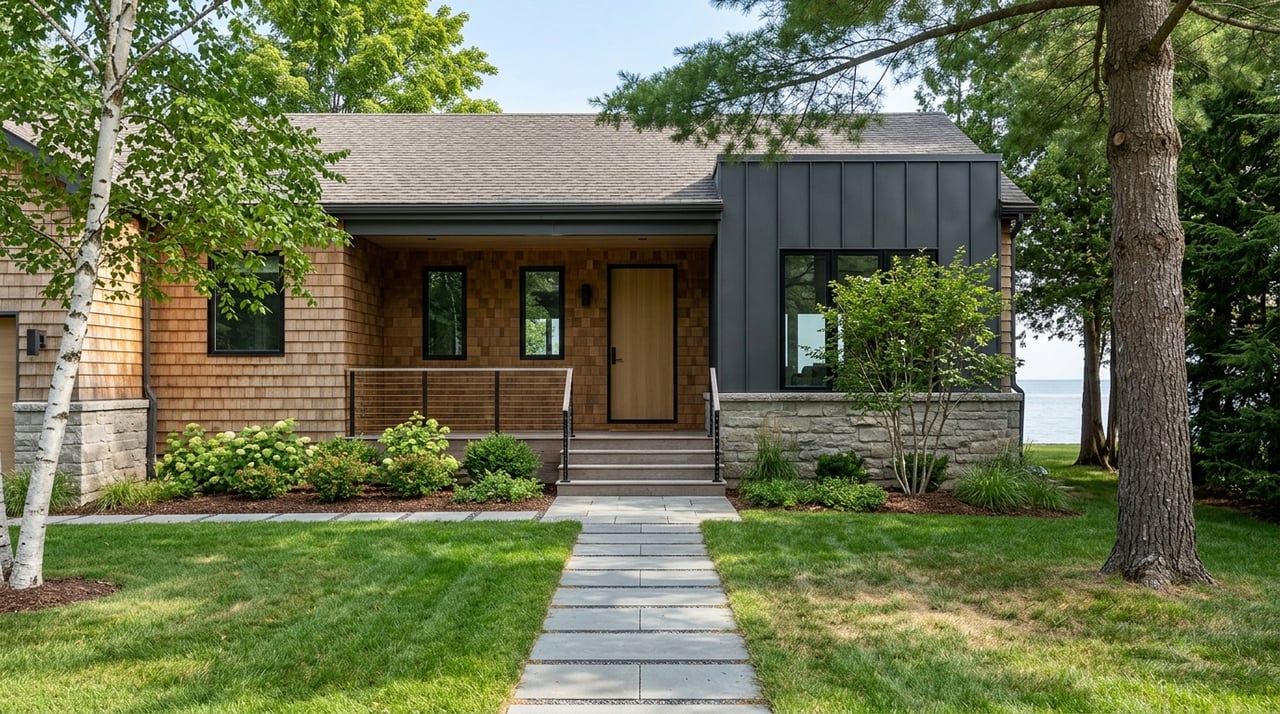
- Village homes
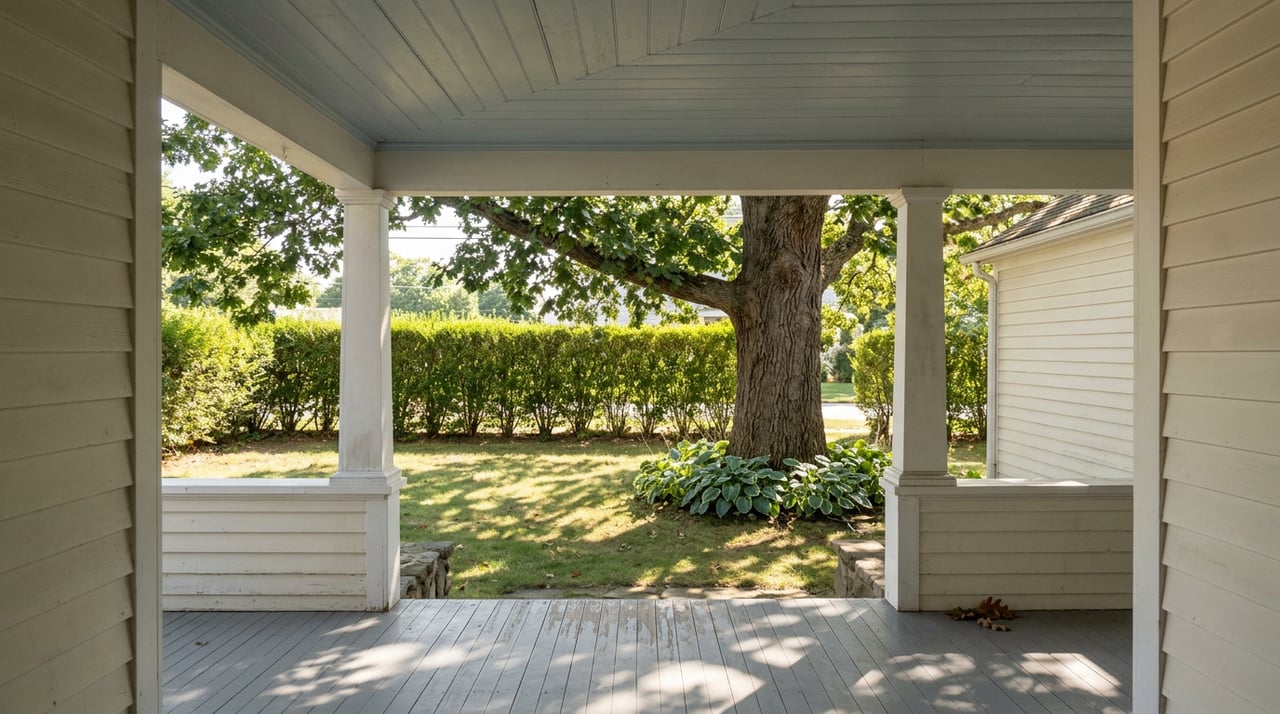
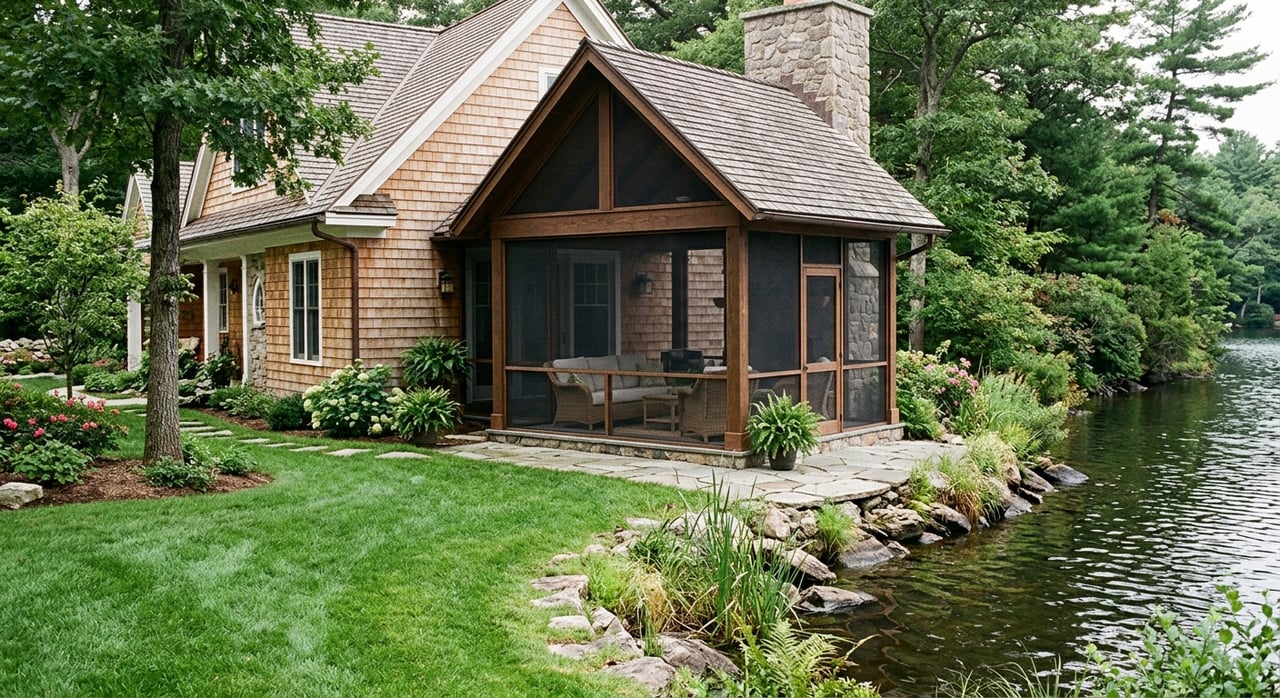
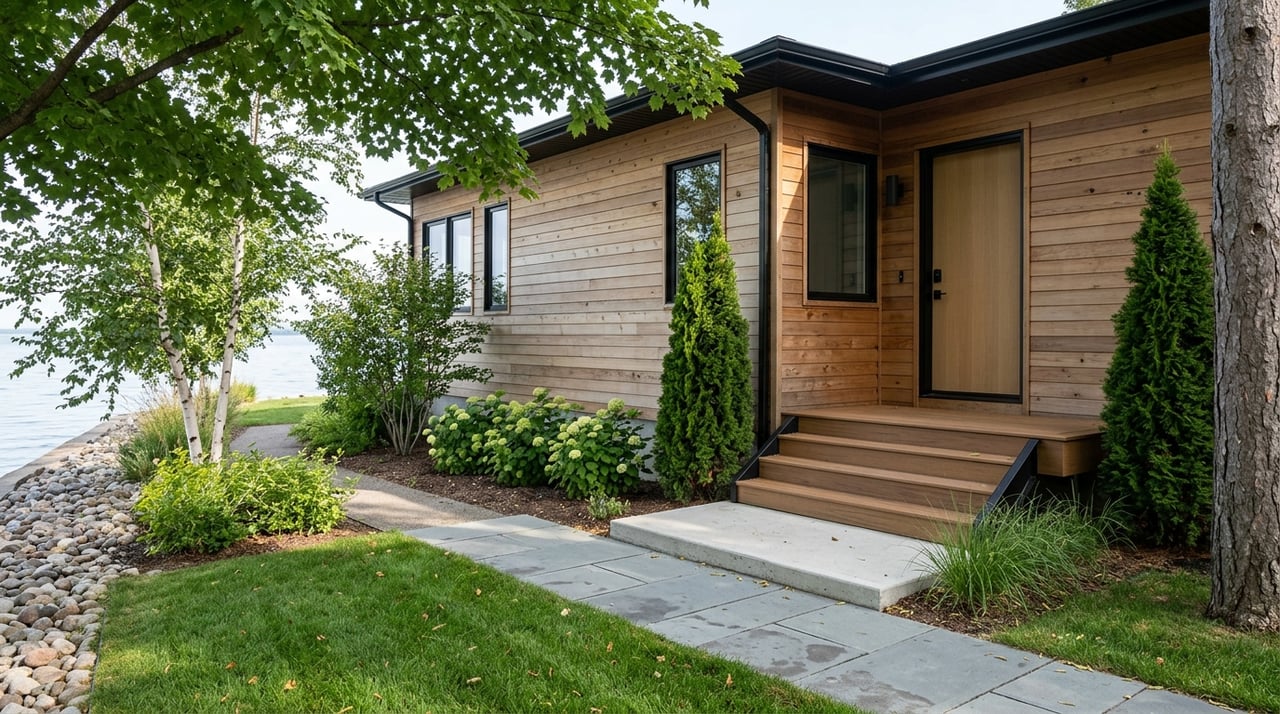
- Cottages
- Seasonal homes
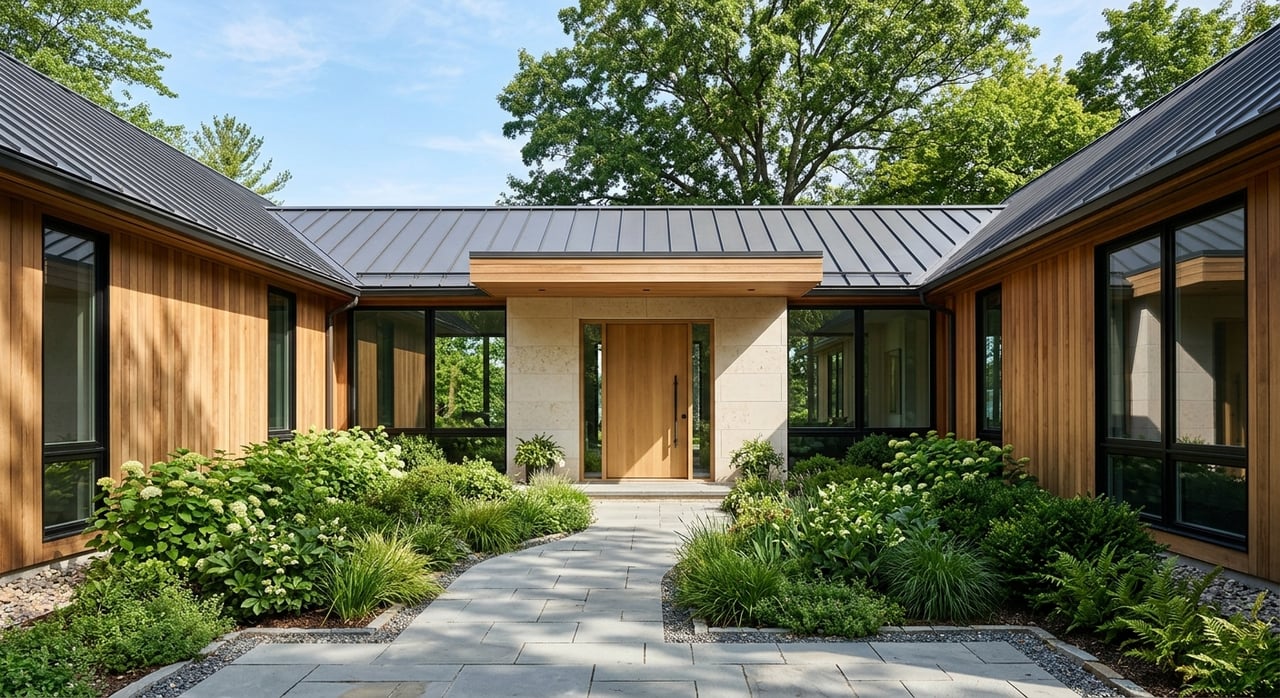
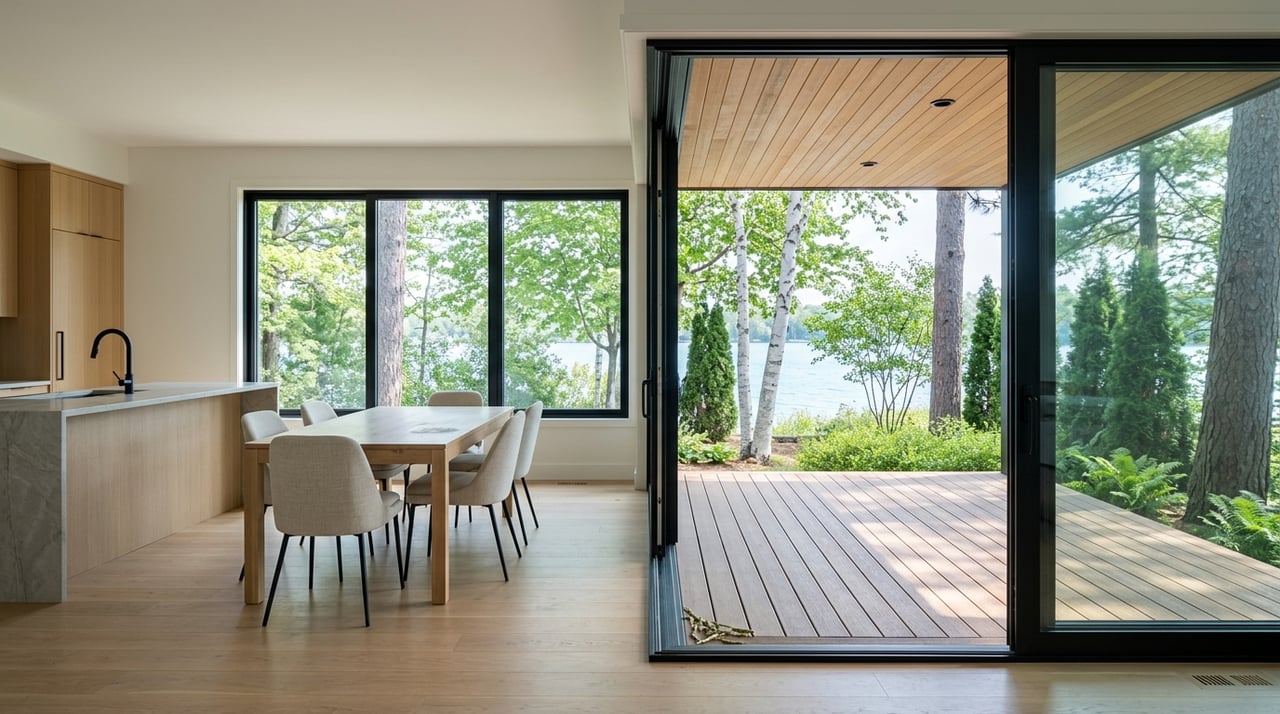
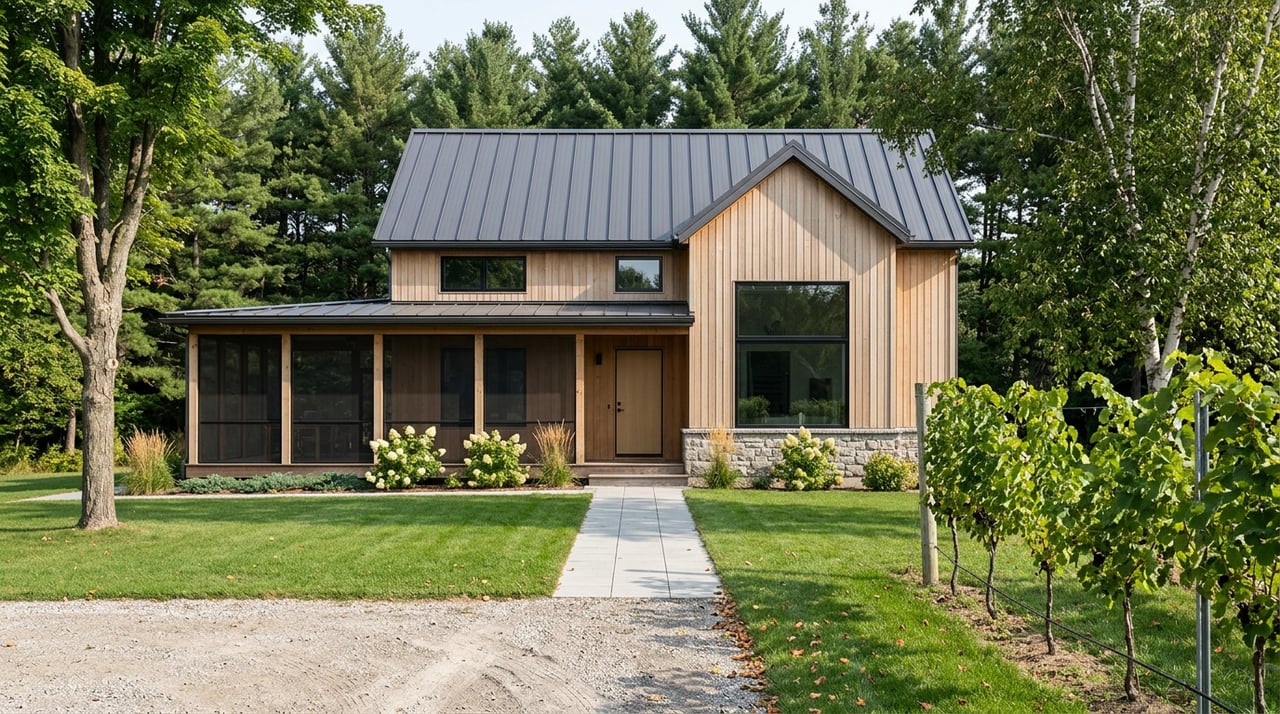
For buyers, that means there is meaningful variety in lifestyle type, but not always abundant inventory. If you are hoping to find a home that combines water access, privacy, trail proximity, or village convenience, it helps to approach the search with realistic timing and clear priorities.
Who Leelanau County Fits Best
Leelanau County tends to make the most sense for buyers who are intentionally choosing a lifestyle, not just a house. If you value public beaches, dune hikes, trail access, village destinations, and a more relaxed pace, the area offers a strong case.
It may be especially appealing if you are looking for a second home, planning for retirement, or relocating from a larger metro area in search of more nature and less daily noise. County planning documents note that many incoming residents are retirees or people purchasing property for retirement or seasonal use, often from urban areas.
It may be a strong match if you want:
- Frequent access to beaches and trails
- A four-season outdoor routine
- Small villages instead of dense urban centers
- A second-home or seasonal ownership lifestyle
- More privacy and open space
It may be less ideal if you want:
- Dense city amenities close at hand
- Minimal driving for daily errands
- A broad rental market
- Fast, frequent access to a larger employment center
Final Take on Lifestyle Fit
So, is Leelanau County right for your outdoor lifestyle? If your priorities center on nature, water, trails, and a slower rhythm of life, the answer may be yes. The county offers standout public-land access, strong four-season recreation, and village settings that support a distinctly Northern Michigan way of living.
At the same time, it asks for some tradeoffs. You should expect a more car-oriented routine, seasonal shifts in activity, and a housing market that can be competitive and limited in supply.
If you are weighing whether Leelanau County fits the way you actually want to live, local insight can make all the difference. Carly Petrucci can help you compare property types, village settings, and lifestyle priorities across Northern Michigan with the kind of guidance that makes a complex search feel much more clear.
FAQs
Is Leelanau County good for year-round outdoor recreation?
- Yes. The county’s outdoor assets support hiking, biking, skiing, snowshoeing, beach use, and scenic exploration across all four seasons, with major draws including Sleeping Bear Dunes, Leelanau State Park, and the Leelanau Trail.
Is Leelanau County a good fit for remote workers?
- It can be. The county is still largely car-based, but broadband access is high, which may make it a practical option for buyers with remote or flexible work arrangements.
Is Leelanau County easy for commuting to Traverse City?
- For some households, yes, but commuting often depends on driving. County and Census data suggest many residents commute outside the county, mainly toward Grand Traverse County, and private vehicles remain the primary transportation method.
Is Leelanau County mostly full-time housing or seasonal housing?
- The county appears to have a mix, but planning documents note that seasonal residents and retirement-focused buyers play a major role in the local housing pattern and economy.
Is Leelanau County expensive compared with other Michigan markets?
- Housing costs are relatively high by Michigan standards. Census QuickFacts reports a median value of owner-occupied housing units of $458,400, and county housing materials indicate a meaningful supply gap through 2027.