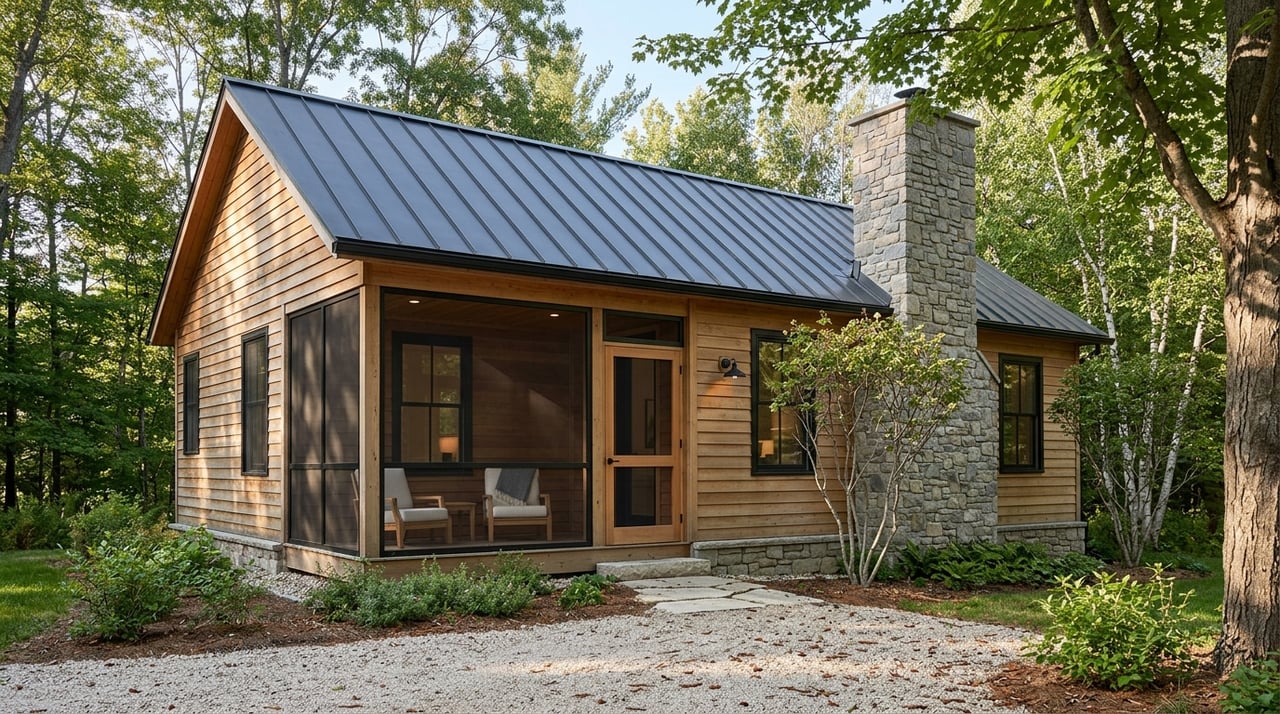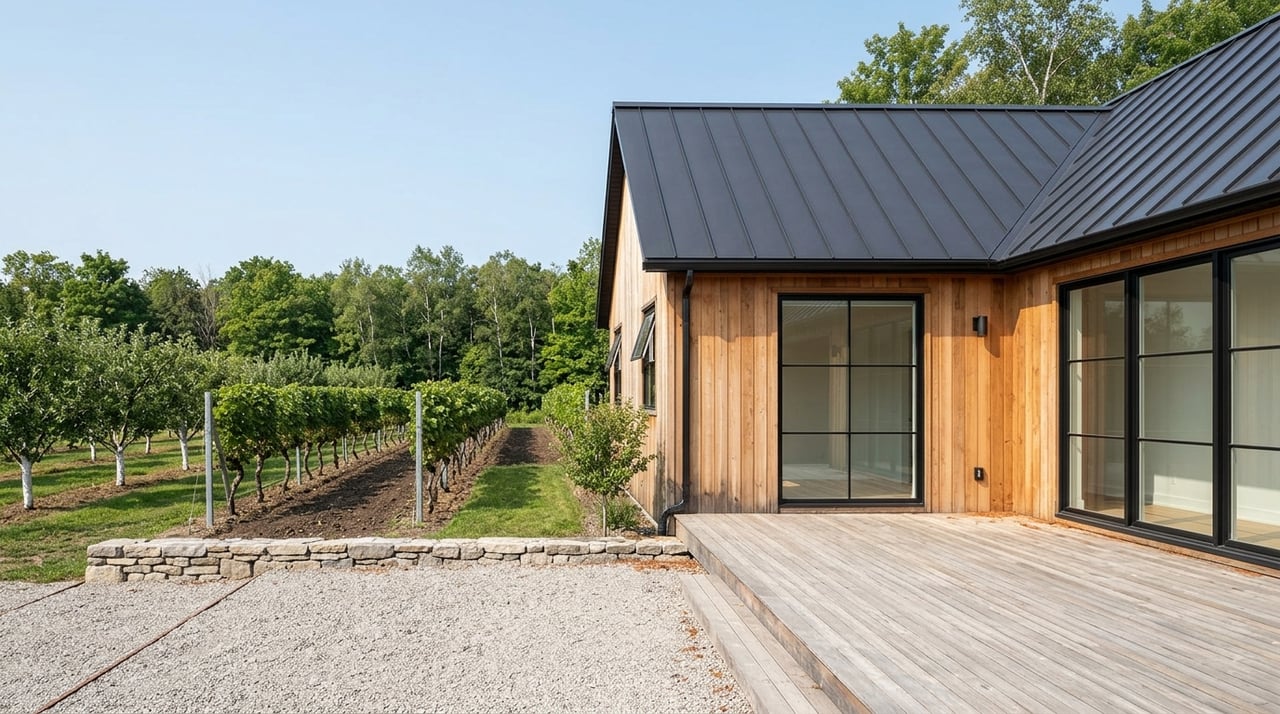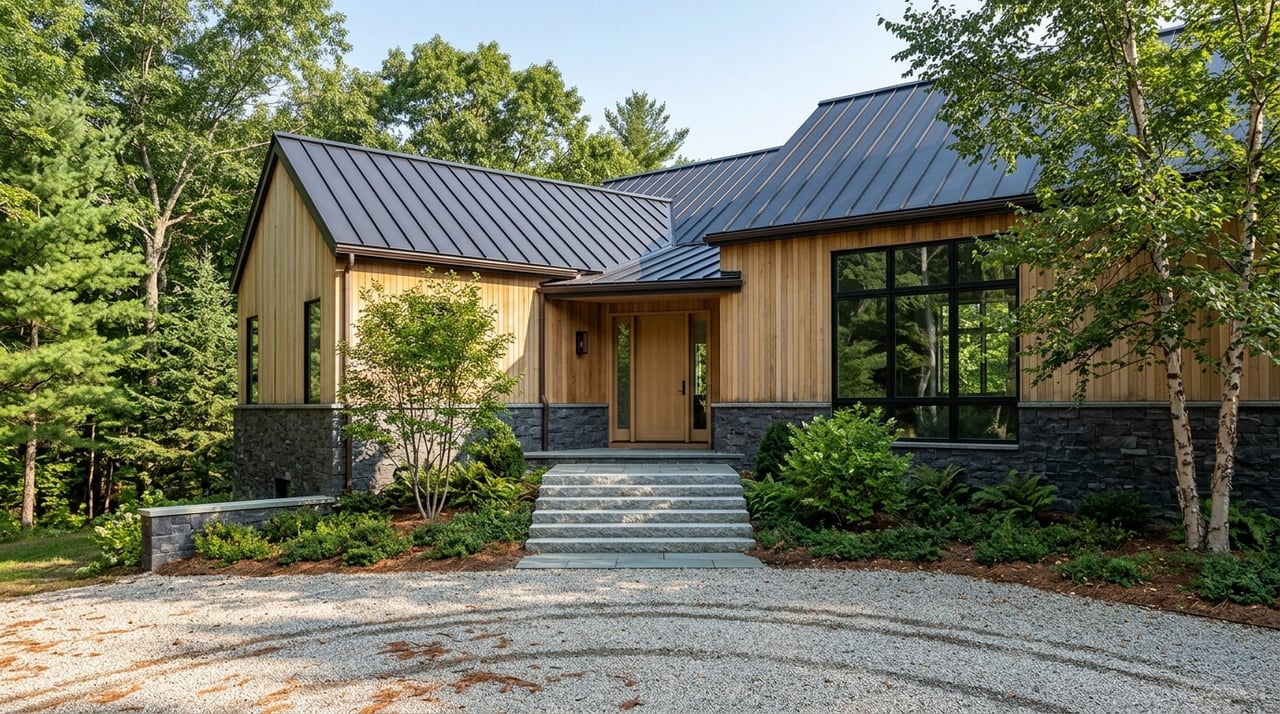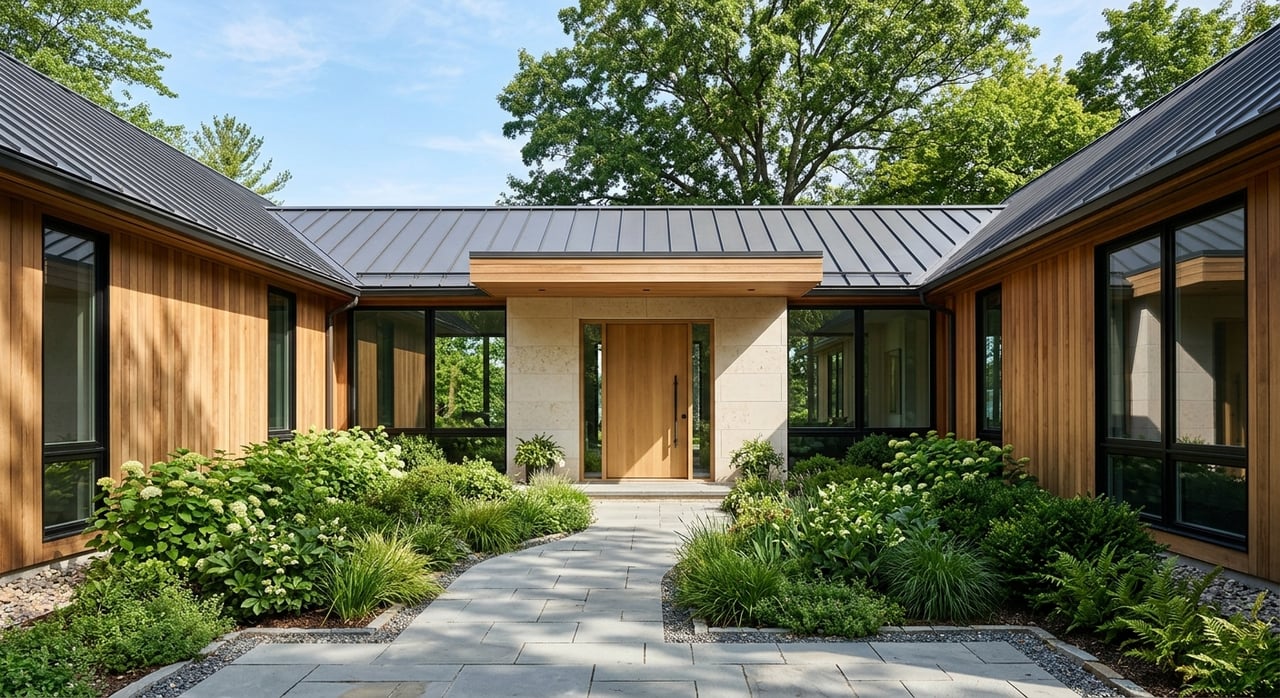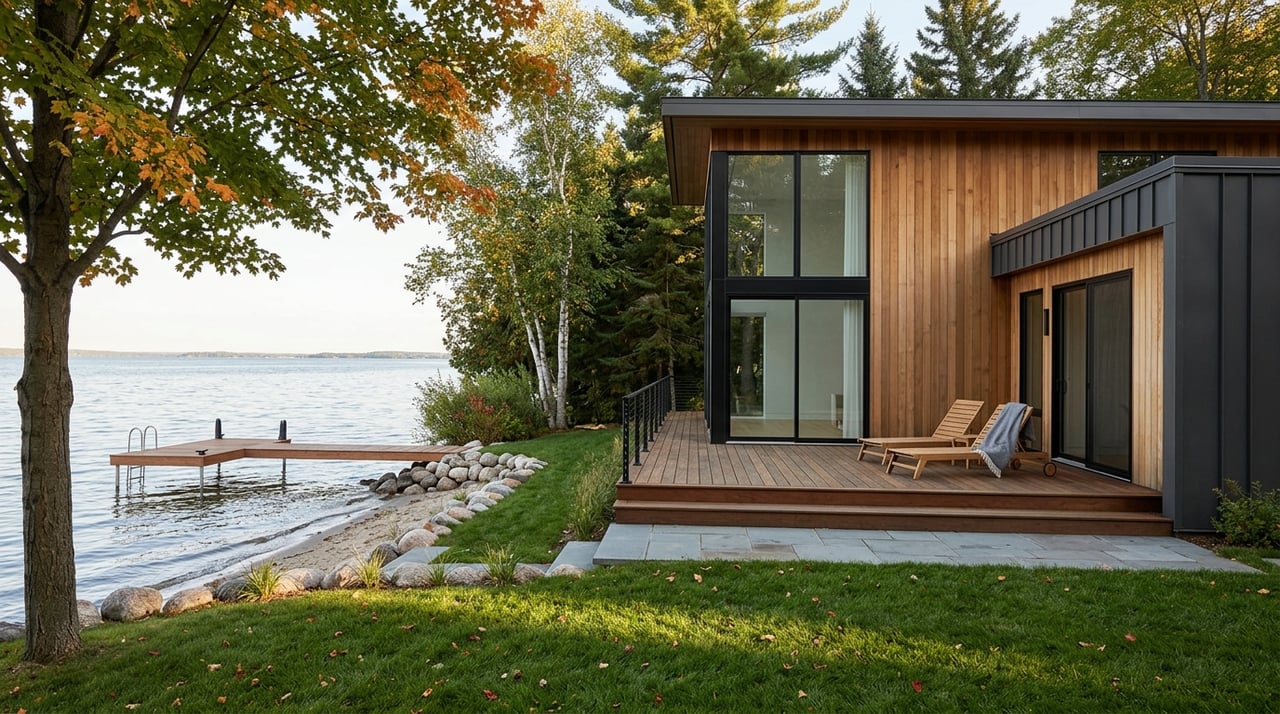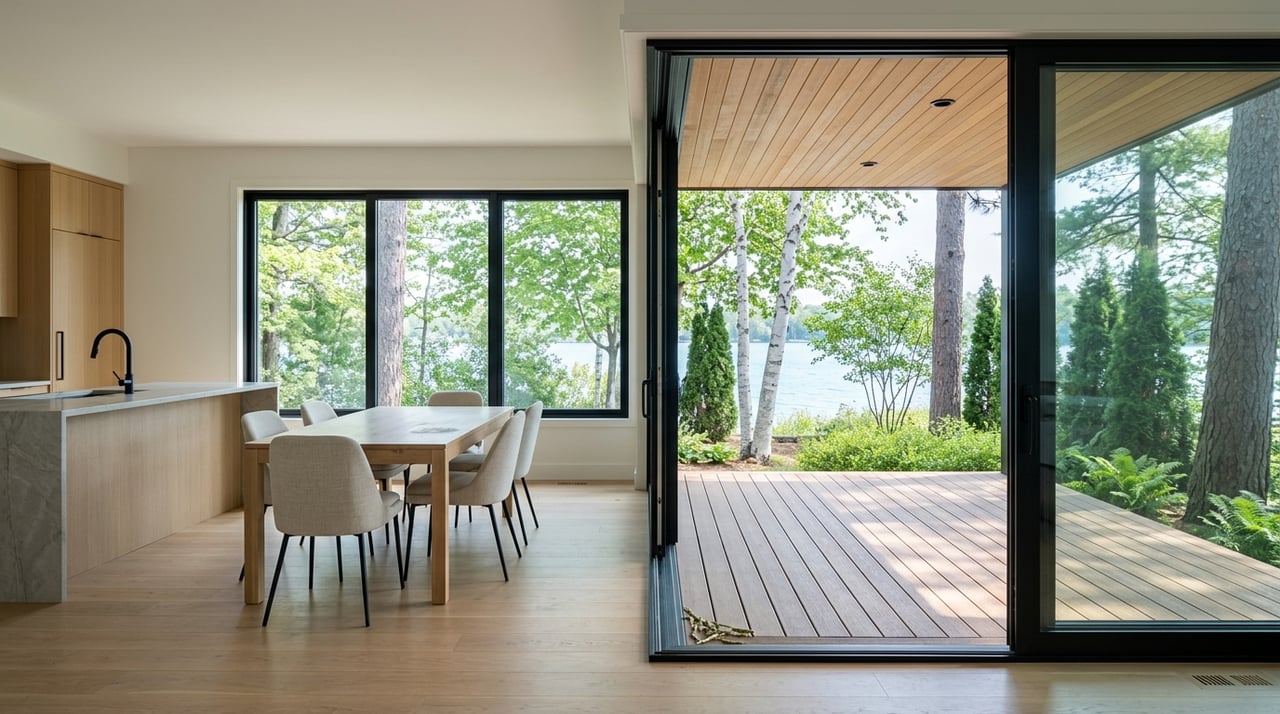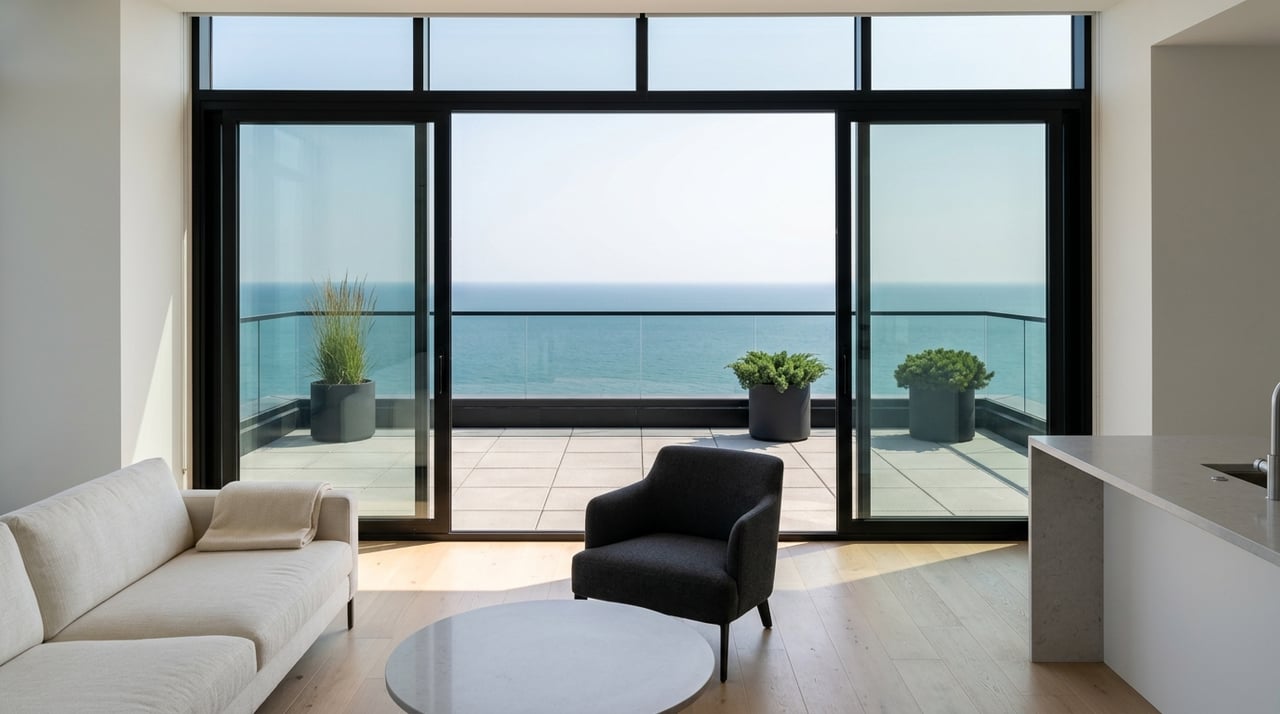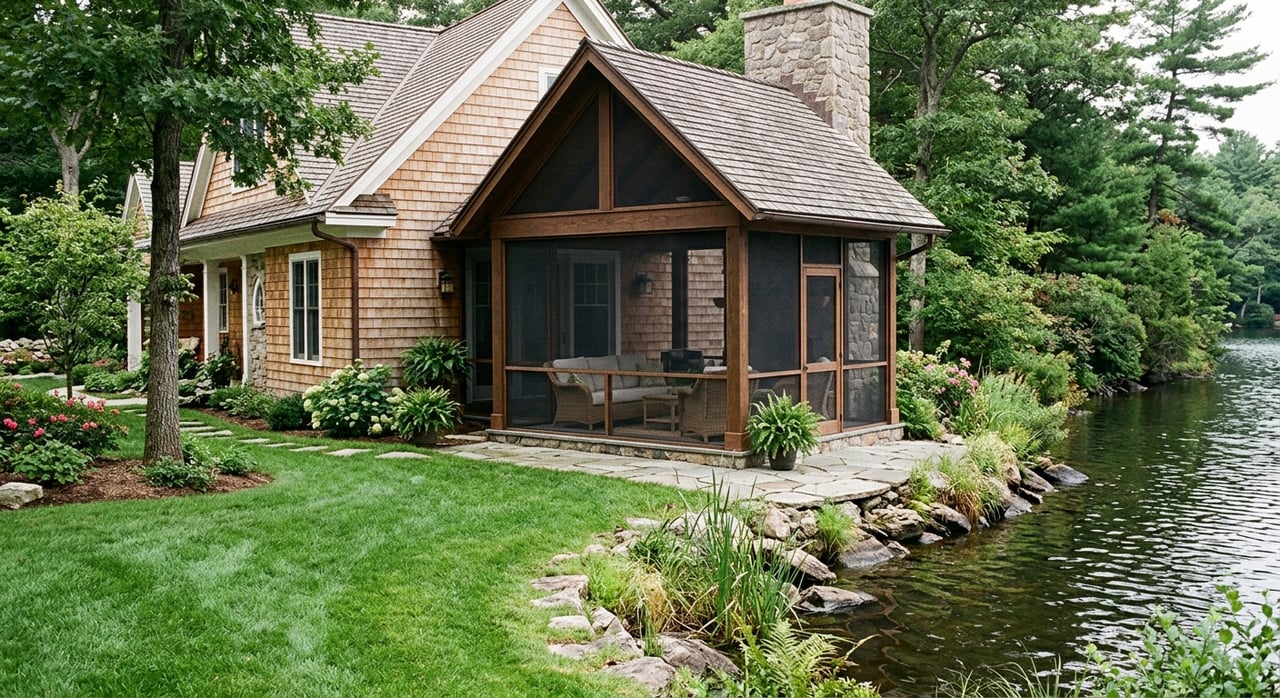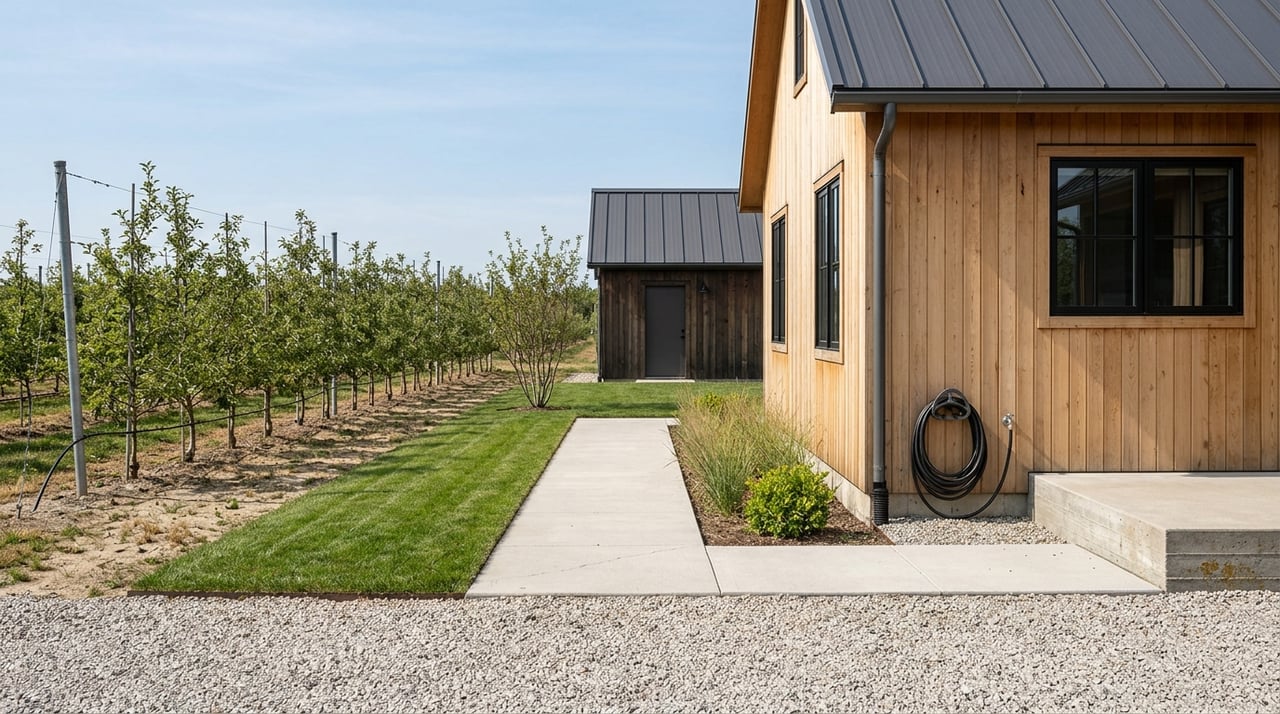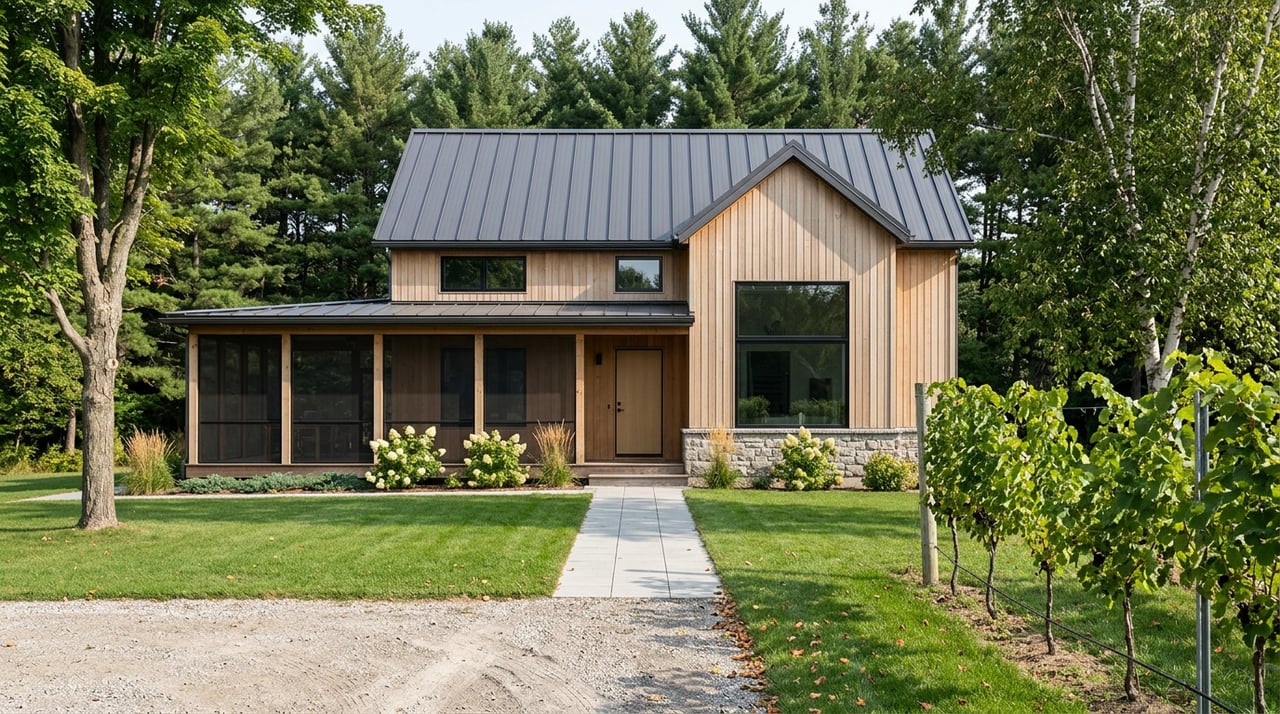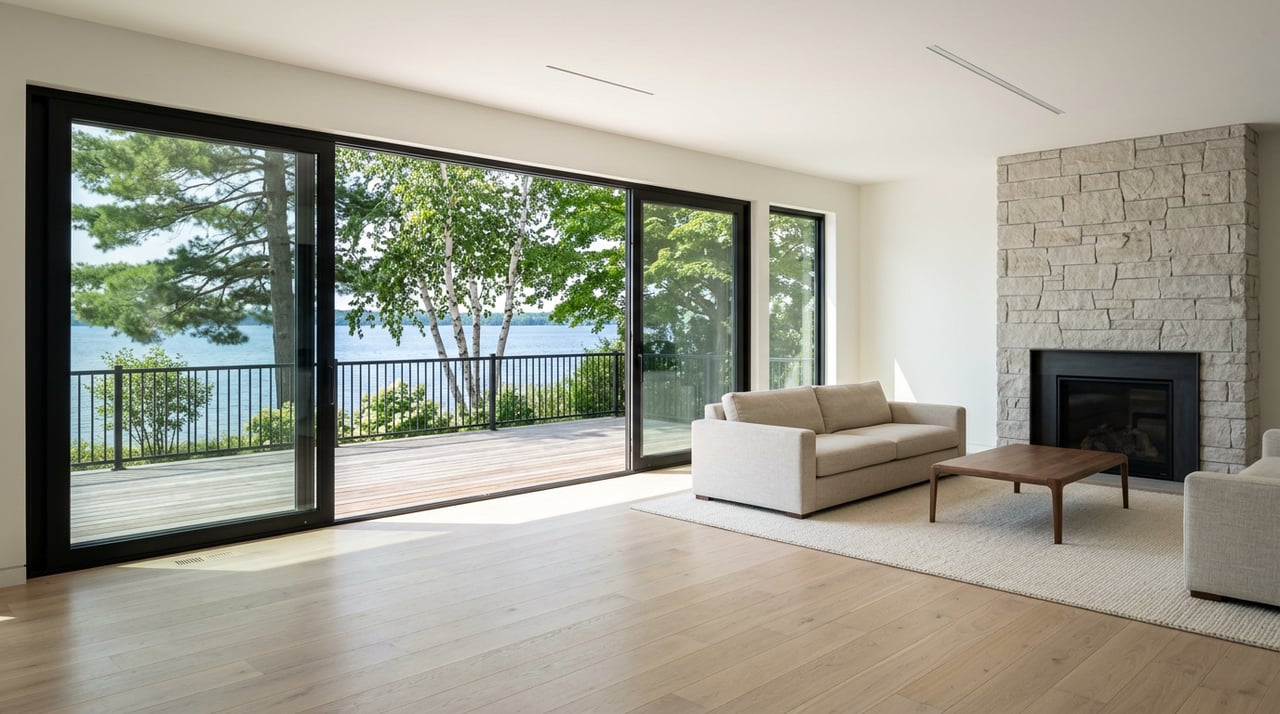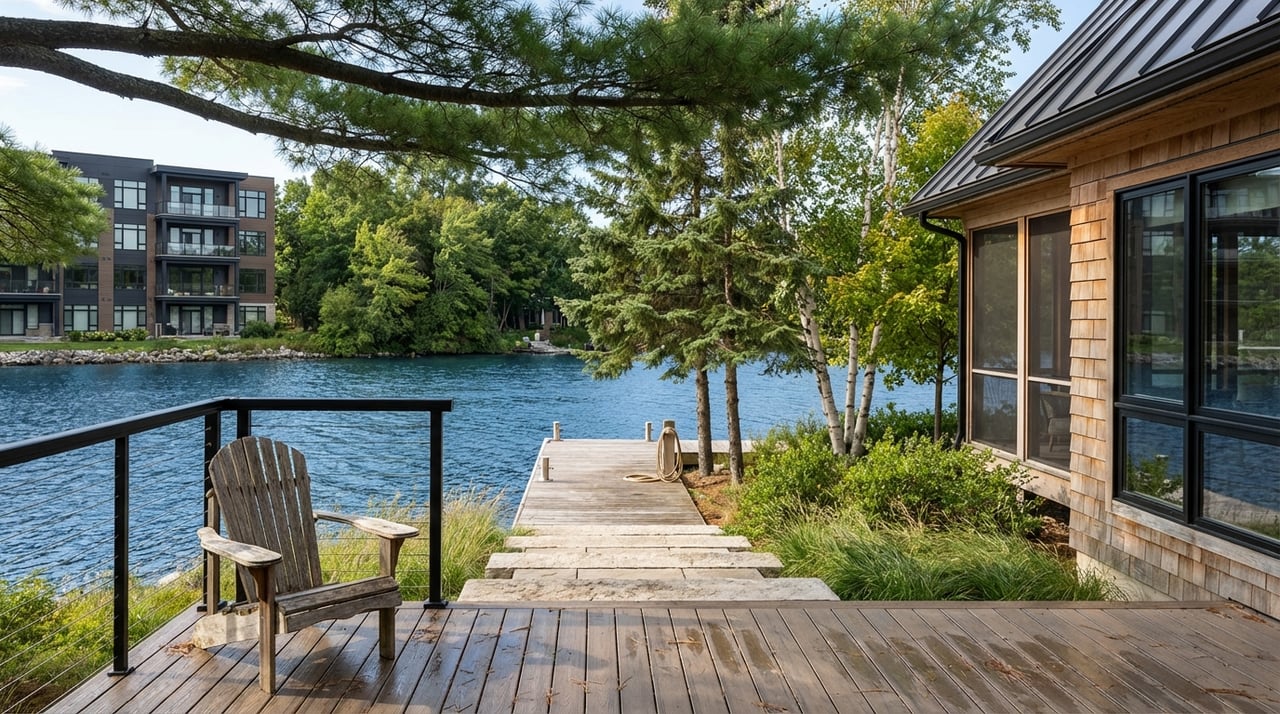
Picture this: you find a beautiful Leelanau County home for your own long weekends and summer escapes, then realize the rental rules may change from one village or township to the next. If you are hoping to enjoy the home yourself and also offset costs with guest stays, that balance can work, but only when the property, location, and local regulations line up. This guide will help you think through where to buy, what rules to verify, and which property details can make a dual-use home easier to own. Let’s dive in.
Why location drives dual-use value
In Leelanau County, the homes that often fit both personal getaway use and guest appeal are usually close to the area’s main visitor draws. Sleeping Bear Dunes National Lakeshore spans more than 71,000 acres along Lake Michigan and includes beaches, dunes, coastal villages, and historic farmsteads. Leelanau State Park adds more than 1,550 acres with a lighthouse, trails, a rustic campground, and a sandy beach.
That matters because buyers and guests are often drawn to the same lifestyle features. In places like Northport, Suttons Bay, and Leland, official community information highlights harbor access, marinas, parks, beaches, and nearby village amenities. For many buyers, that means walkability, water access, and outdoor recreation may matter more than simply buying the biggest house available.
What to prioritize in Leelanau County
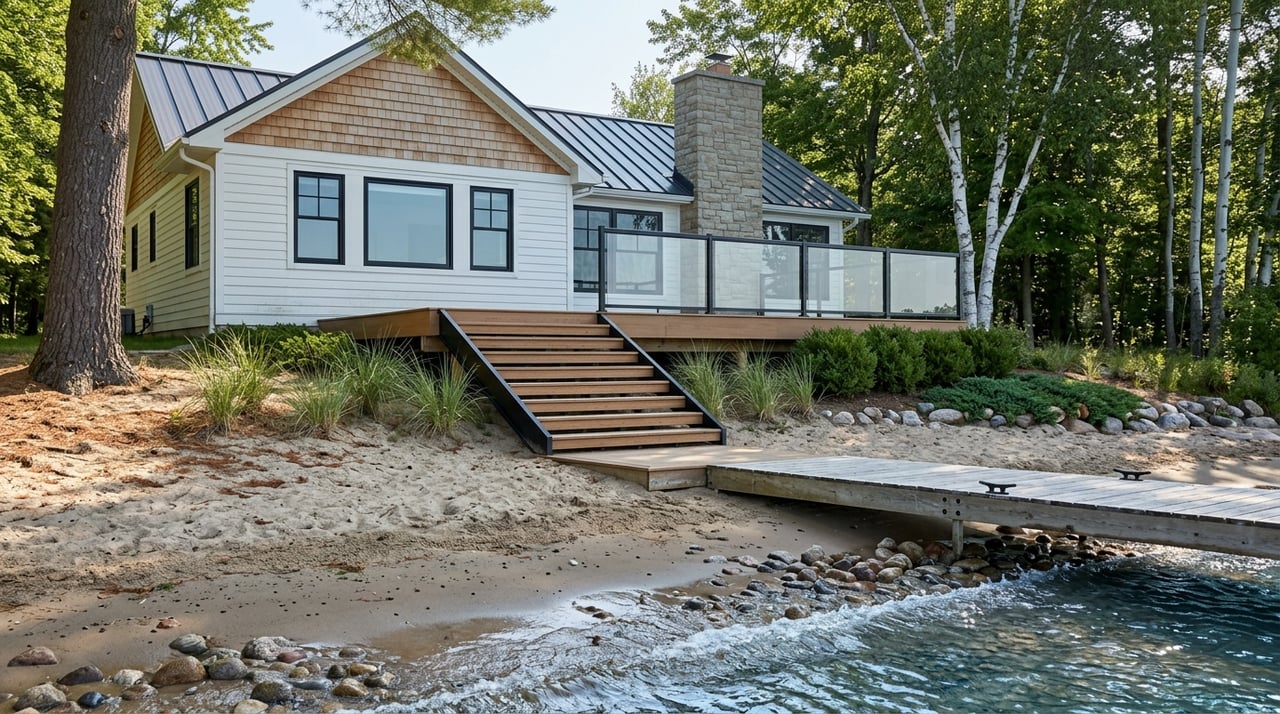
If you want a home that serves you well and may also support occasional rental use, focus on features that match how people actually spend time here. A strong dual-use property often gives you easy access to the lake, trails, a marina or harbor, and a village center. Those elements support your own lifestyle while also making the property easier to position for guest interest.
This does not mean every successful property must be waterfront. It means the home should connect clearly to the Leelanau experience people come for, whether that is beach access, a short trip into town, or proximity to parks and shoreline recreation. In many cases, location efficiency beats extra square footage.
Why short-term rental rules need a closer look
One of the biggest mistakes buyers can make is assuming short-term rental rules are countywide. In Leelanau County, they are not. The definition of a short-term rental and the permit or registration process can change based on the exact township or village where the property sits.
That makes parcel-level due diligence essential before you build a purchase plan around rental income. A home that seems ideal on paper may face a different set of rules depending on whether it is in Leelanau Township, Northport Village, Suttons Bay Village, or Leland Township. The jurisdiction matters just as much as the property itself.
How local rules vary by community
Leelanau Township rules
Leelanau Township treats rentals of less than 30 consecutive days as short-term rentals and requires a permit to operate or advertise. The township allows only one dwelling unit per parcel for this use and requires lodging to stay within the dwelling unit. Occupancy is limited to three people per bedroom, up to a maximum of 15.
The township also requires on-site parking, posted permit and contact information, quiet hours from 10:00 PM to 8:00 AM, and a 24-hour contact person who can respond within 45 minutes. If the property is served by septic, the rental must have septic pumping at least once every three years. These are practical rules, but they can shape whether a property is easy or hard to operate.
Northport Village rules
Northport requires annual registration before renting a dwelling unit for less than 21 days. Its ordinance defines a short-term rental as a dwelling unit where the owner does not reside during the rental period. That distinction is important if you are considering a setup where you might stay on site while renting part of the property.
Northport also enforces its registration requirement with financial penalties. The village can assess a $200 fine for failure to register, add a $200-per-day fine after notice if the owner still does not comply, and revoke a permit after repeated violations. For buyers, this reinforces the need to understand the rules before marketing the home for guest stays.
Suttons Bay Village rules
Suttons Bay Village defines short-term rentals as daily or weekly occupancy of less than 30 days. The village says these permits are non-transferable, and operating without a permit is a violation. It also notes that room rentals or portion-rentals while the owner remains on site may fall under bed-and-breakfast rules instead of the short-term rental ordinance.
The village currently caps permits at 45, and its public information says no new permits are being issued until that cap is reached. That single fact can have a major impact on your buying strategy. If rental use is central to your plan, permit availability needs to be checked early.
Leland Township rules
Leland Township requires annual registration for properties used for less than 60 days in a calendar year, with a carve-out for rentals of two weeks or less. The township also requires a $100 annual fee, a local contact person within 45 minutes, separate forms for each property, and registration numbers on advertisements and contracts.
Its ordinance excludes some property types and uses, including hotels, motels, lodges, bed and breakfasts, farm housing rentals, commercial-zone units, and rentals of two weeks or less in a calendar year. For a buyer, the takeaway is simple: a property’s use category can affect whether the ordinance applies at all.
How taxes can affect your real costs
Rental income is only part of the equation. Your personal use of the home, how the property is classified, and whether it qualifies as your principal residence can all affect the economics.
Michigan’s Principal Residence Exemption can remove an owner’s true principal residence from local school operating millage, up to 18 mills. Michigan Treasury also states that a second home or vacation home does not qualify as a principal residence. If you are buying a Leelanau County getaway, that point deserves close attention when you estimate ownership costs.
Michigan Treasury also says use tax is 6% and applies to certain rooms or lodging furnished on a commercial or business basis. Treasury guidance on sharing-economy rentals says homeowners who rent homes or rooms to the public for temporary lodging must remit use tax on those accommodations, keep proper records, and register if they owe tax. If you are counting on rental income to offset carrying costs, you will want to model the after-tax picture, not just the gross revenue.
Property features that make ownership easier
The most useful dual-use features are often the least flashy. Local ordinances repeatedly point back to basics such as documented bedroom count, septic capacity, enough off-street parking, and a clear way to post house rules and emergency contacts. Those details can shape whether a home fits local requirements with less friction.
A reliable local contact or manager can also make a real difference. Several local rules require a contact person who can respond within a set time frame, often within 45 minutes. If you live out of market, that operational piece should be part of your plan from the start.
Why use category matters
The way you plan to use the home can place it in a different regulatory lane. In Northport, a short-term rental is defined as a dwelling unit where the owner does not reside during the rental period. In Suttons Bay, renting a room or portion of the home while you remain on site may fall under bed-and-breakfast rules instead of the short-term rental ordinance.
That means your intended ownership pattern matters. If you plan to alternate between private use and whole-home guest stays, your checklist may look different than if you hope to live on site and rent part of the property. A smart purchase starts with matching the property to the correct use category.
What to review before closing
Before you close on a Leelanau County home with rental potential, review more than the listing details. Recorded deed restrictions, homeowner association documents, and permit transferability can all affect your plans. Suttons Bay’s application materials specifically ask for deed restrictions or HOA documents where applicable, and both Suttons Bay and Leelanau Township note that short-term rental permits do not transfer in the same way as a normal property feature.
That can be a surprise for buyers who assume an existing rental setup will simply carry over after closing. In many cases, the strongest purchase is the one where the location, parking, septic, and legal status already support your intended mix of personal use and guest stays. Clear alignment at the start can help you avoid expensive course corrections later.
A practical approach for buyers
If you are weighing a Leelanau County getaway that may also serve as a rental, keep your decision process simple and disciplined. Start with the lifestyle you want first, then test whether the property can support rental use under the local rules. A beautiful home in the wrong jurisdiction or with the wrong setup may create more work than value.
A helpful buying checklist includes:
- Confirm the exact township or village jurisdiction
- Verify how that jurisdiction defines short-term rental use
- Check permit or registration requirements before closing
- Review occupancy, parking, and septic-related rules
- Ask whether permits transfer to a new owner
- Review deed restrictions and HOA documents, if applicable
- Estimate ownership costs with Michigan tax treatment in mind
- Plan for a local contact or manager if required
When all of those parts fit together, a Leelanau County home can give you the best of both worlds. You get a place to enjoy Northern Michigan on your own schedule, with a clearer understanding of whether occasional guest use truly supports your ownership goals.
If you are exploring a second home or waterfront purchase in Leelanau County, the right guidance can help you sort through location, use rules, and long-term value with more confidence. The Shawn Schmidt Group offers a high-touch, locally informed approach for buyers seeking exceptional Northern Michigan properties.
FAQs
What makes a Leelanau County home appealing for both personal use and rentals?
- Homes near Lake Michigan, village centers, trails, beaches, marinas, and harbors often align well with both owner enjoyment and guest interest.
Do short-term rental rules stay the same across Leelanau County?
- No. Rules vary by township and village, including how short-term rentals are defined, whether permits are required, and what operating standards apply.
What are key short-term rental rules in Leelanau Township?
- Leelanau Township requires a permit for rentals under 30 consecutive days and has rules covering occupancy, parking, quiet hours, septic pumping, posted information, and a local contact within 45 minutes.
What should buyers know about Northport Village rental registration?
- Northport requires annual registration before renting a dwelling unit for less than 21 days and can impose fines or permit revocation for noncompliance.
How does Suttons Bay Village handle short-term rental permits?
- Suttons Bay Village defines short-term rentals as daily or weekly stays under 30 days, treats permits as non-transferable, and currently caps permits at 45.
What does Leland Township require for rental properties?
- Leland Township requires annual registration, a $100 fee, a local contact within 45 minutes, registration numbers on ads and contracts, and separate forms for each property.
How can Michigan taxes affect a Leelanau County second home rental?
- A second home or vacation home does not qualify for Michigan’s Principal Residence Exemption, and temporary lodging rentals may trigger a 6% use tax depending on how the property is rented.
What property features help support dual-use ownership in Leelanau County?
- Documented bedroom count, adequate septic capacity, enough off-street parking, posted house rules, and a dependable local contact can make dual-use ownership more manageable.