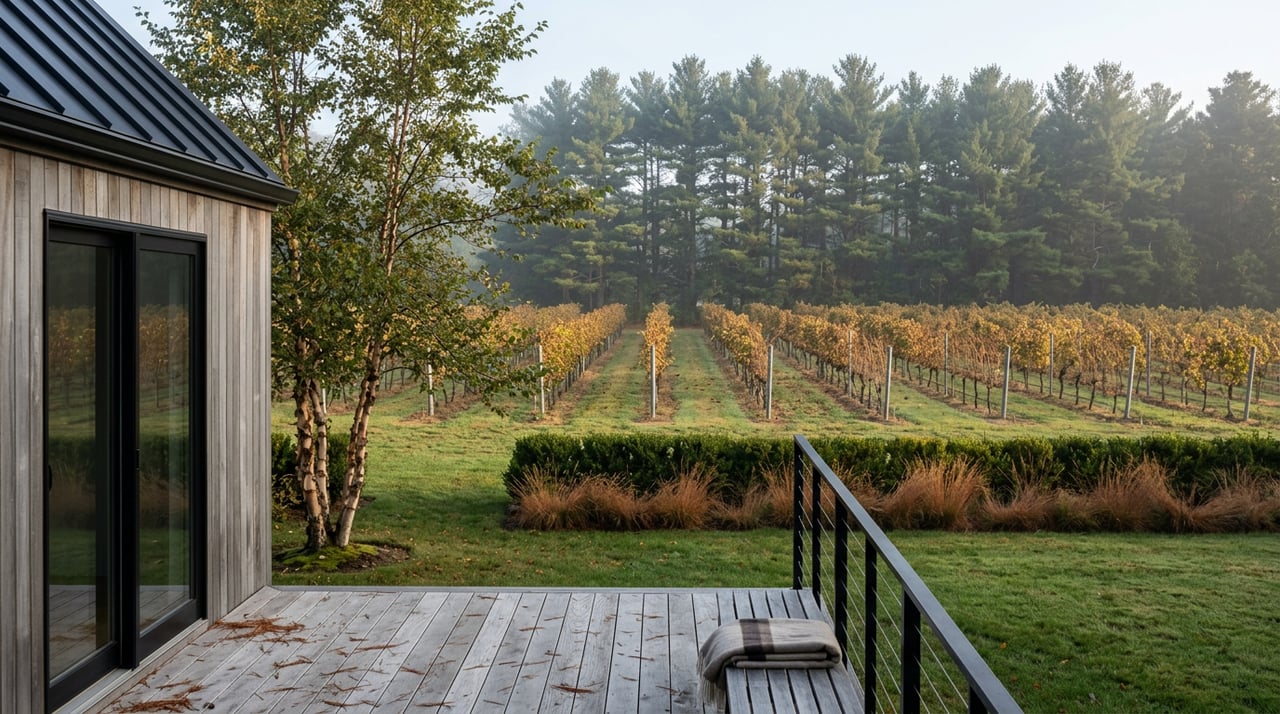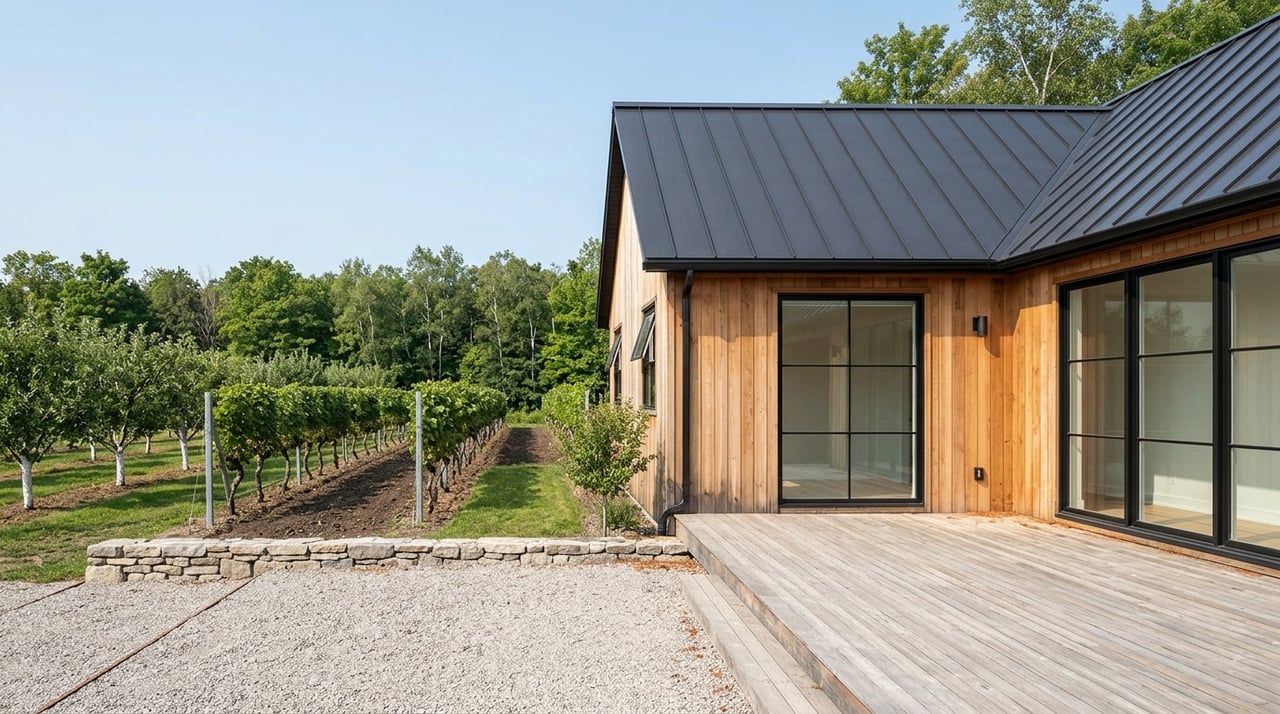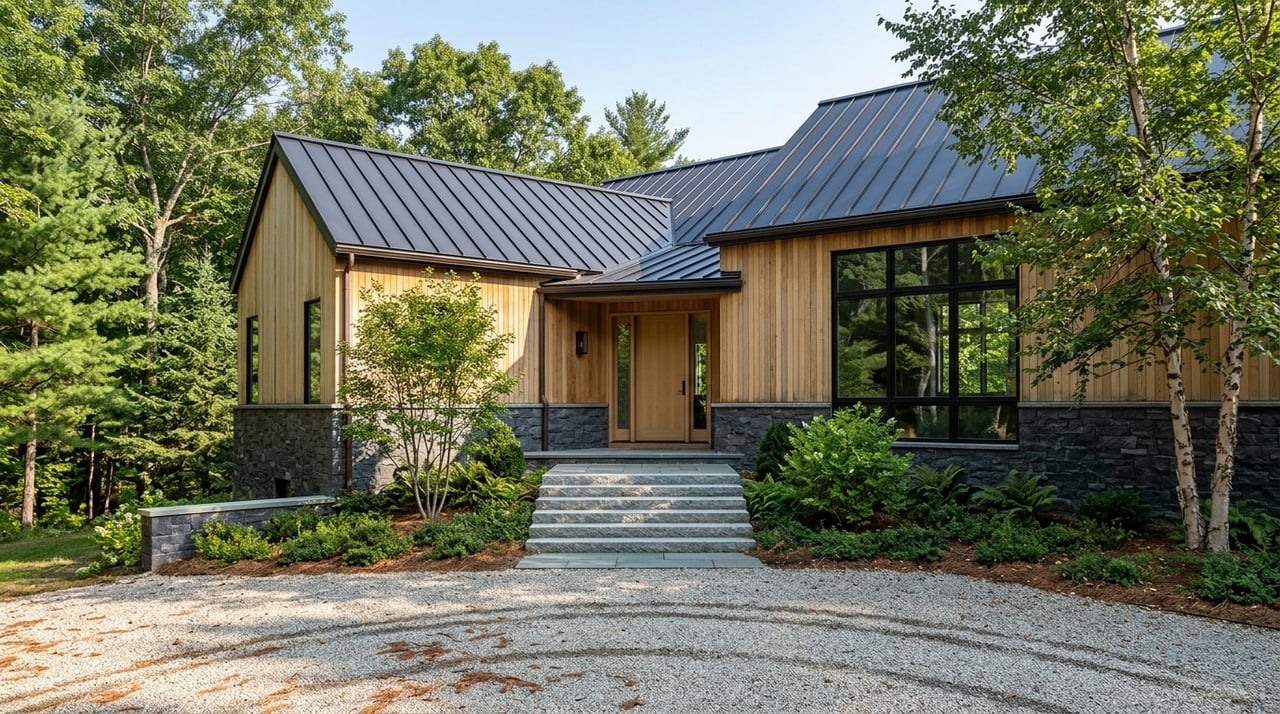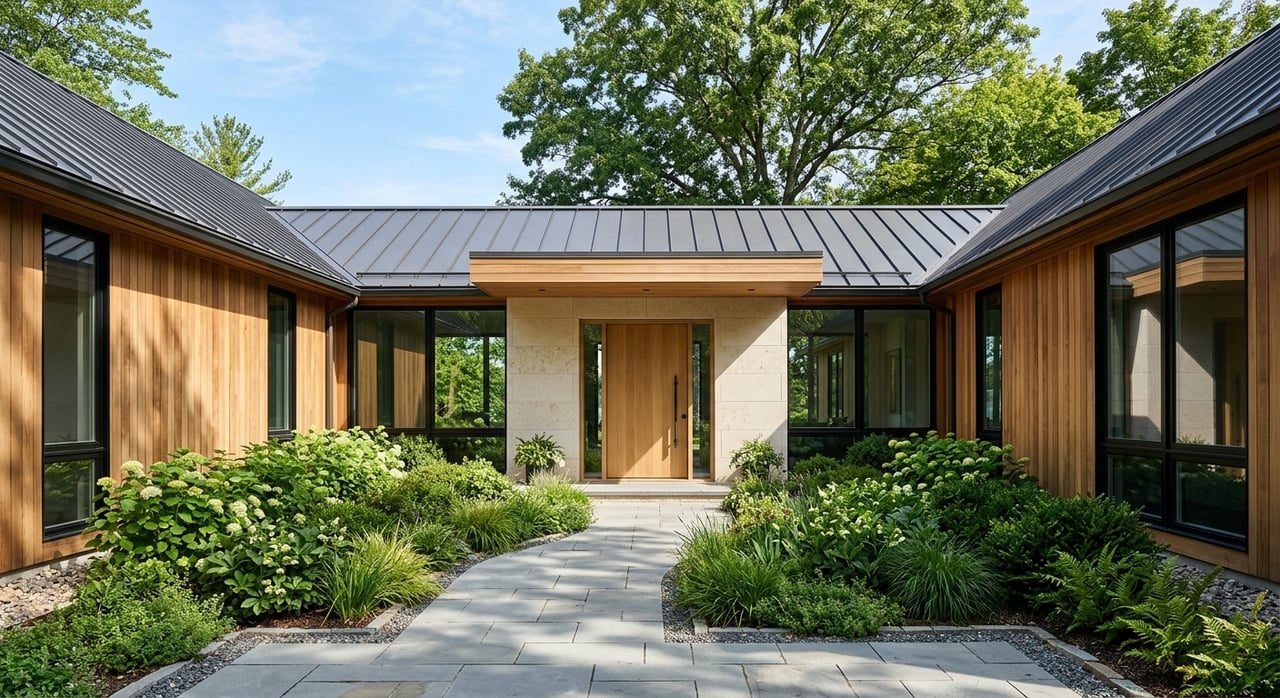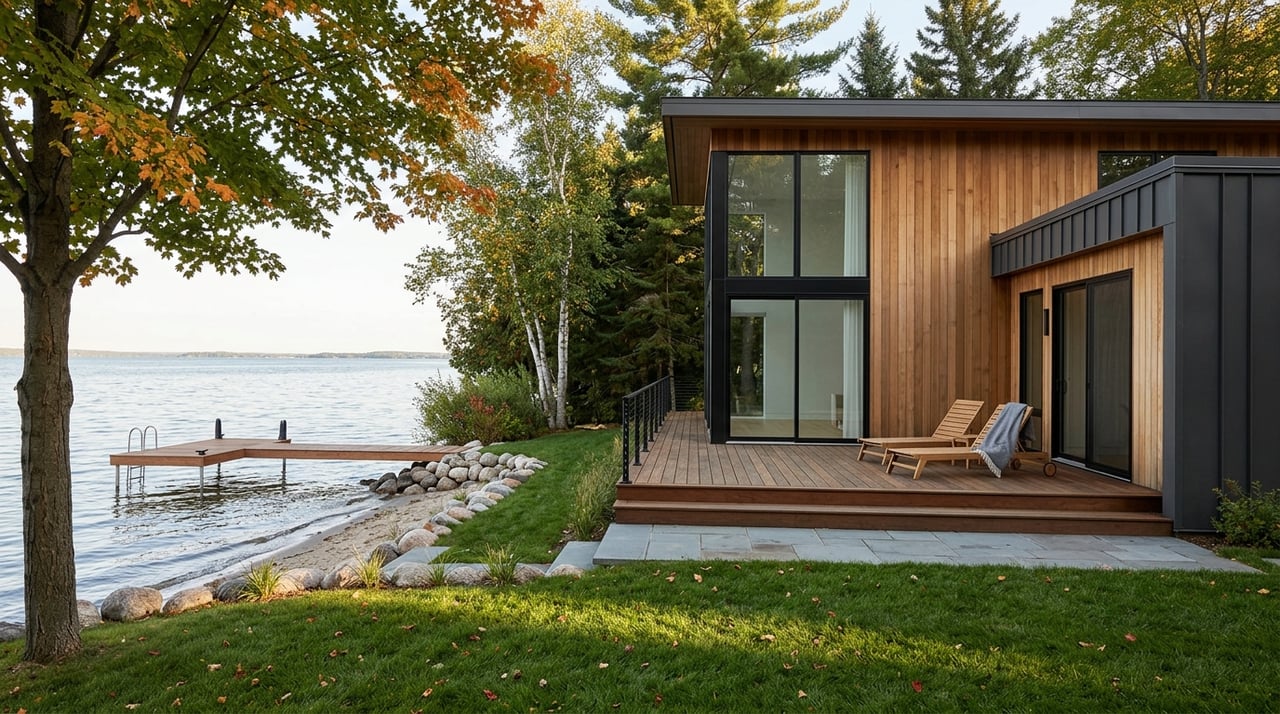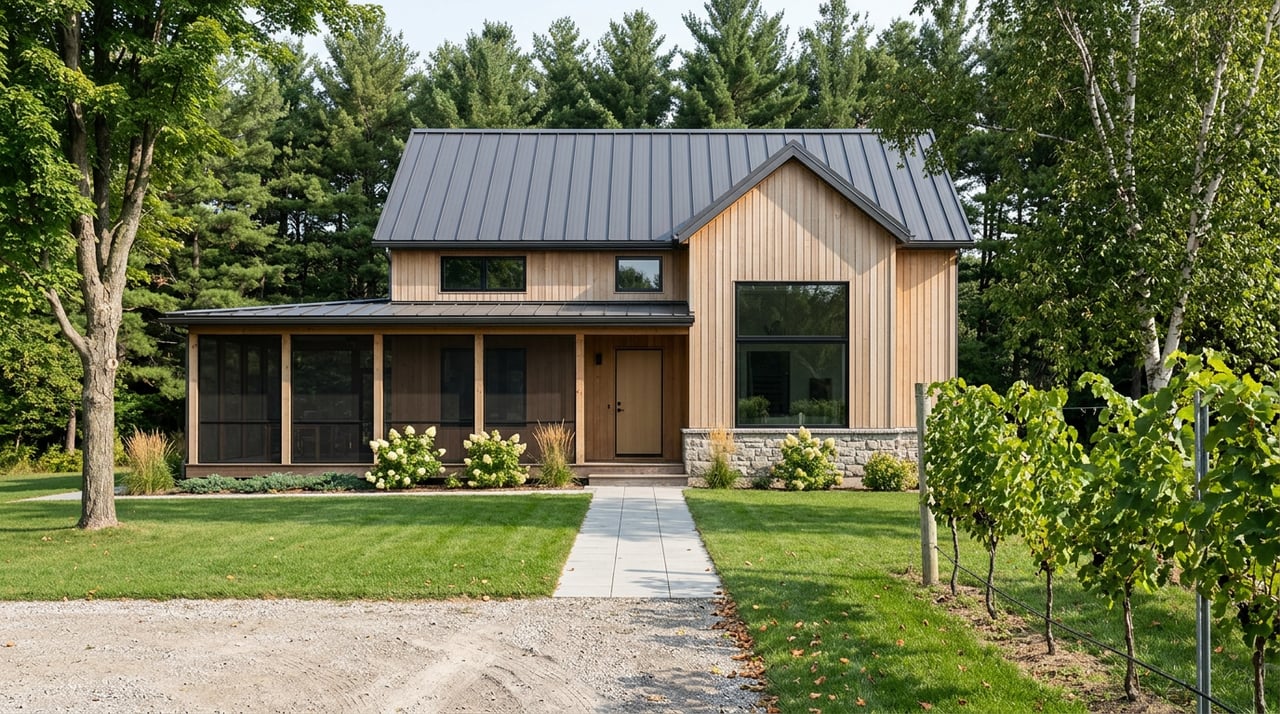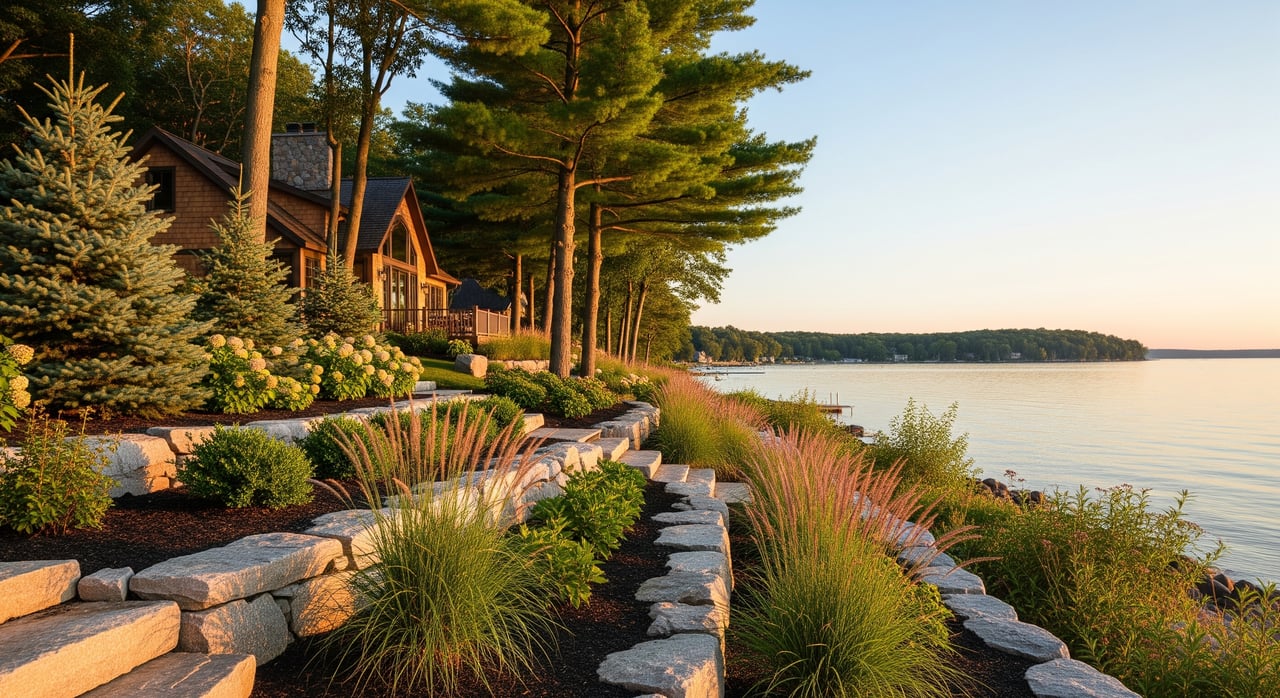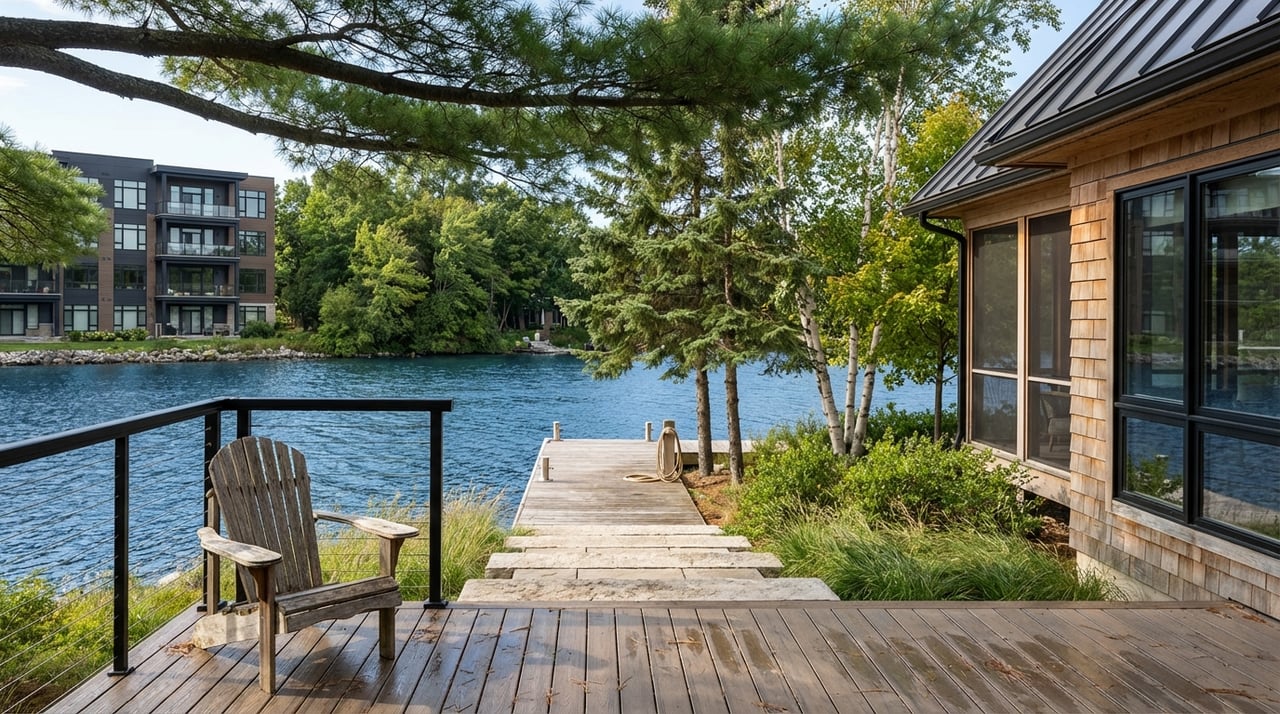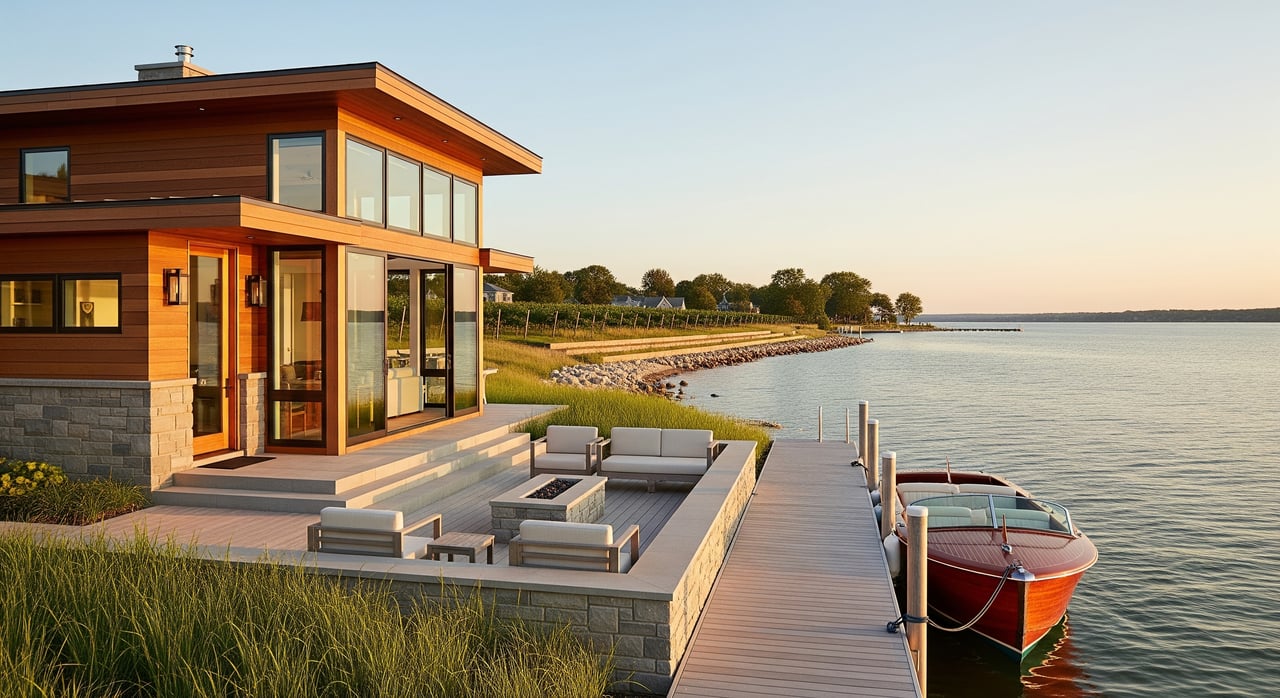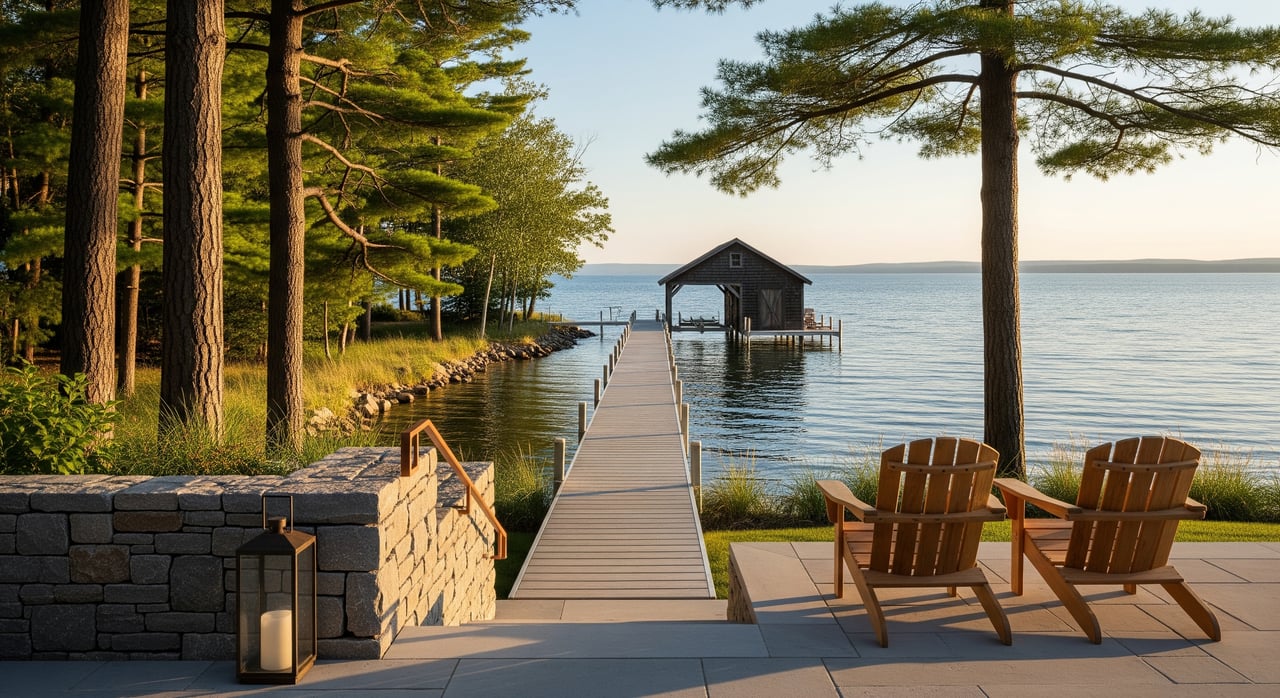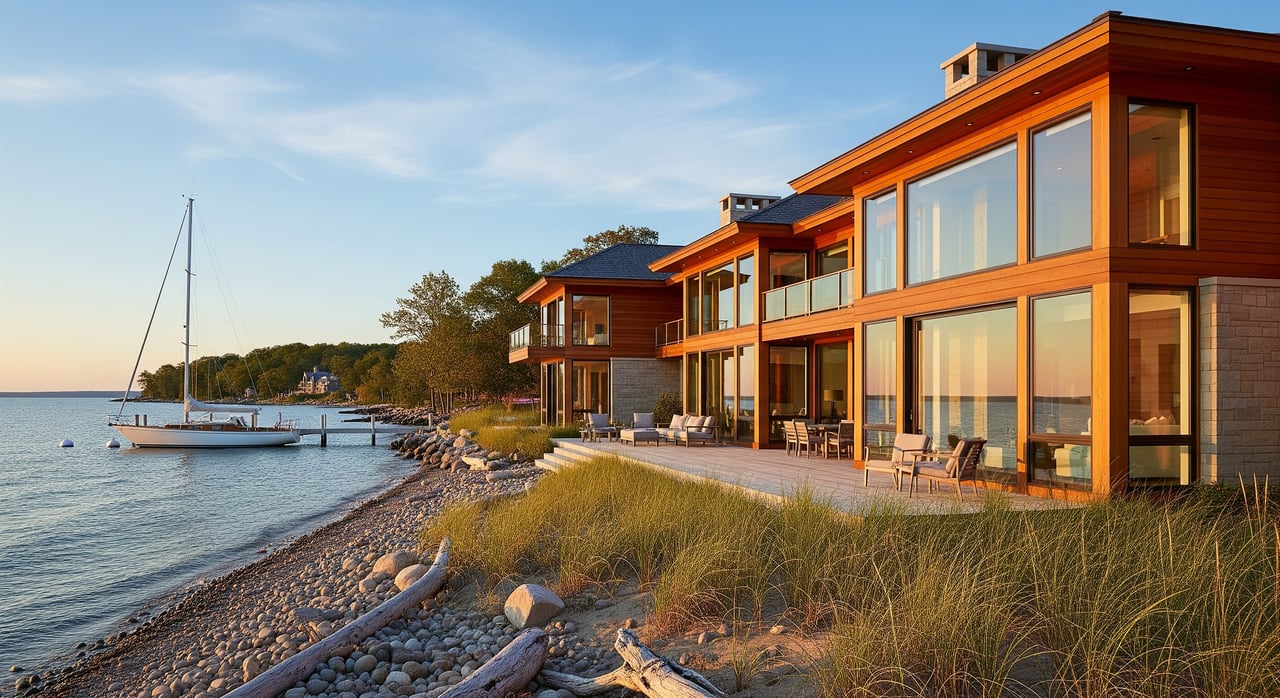
A buyer who closes on Old Mission Peninsula shoreline this winter gets a new dock ordinance with the deed. Peninsula Township's board unanimously adopted Amendment 206, the shoreline ordinance, on July 14, 2026, and enforcement begins January 1, 2027. A buyer looking at a vineyard or orchard parcel a few miles inland has the opposite situation. The township has decided that its agricultural zoning will stay "deferred pending guidance from ongoing litigation."
Rules for docks, lights, signs, guest units and backyard coops are moving through public hearings now, one numbered amendment at a time. Rules for what a farm can process, serve and host are tied to a federal appeal that is still pending before the Sixth Circuit. For anyone comparing the peninsula with other markets around Grand Traverse Bay, the kind of property you buy decides how much of its rulebook you can read before closing.
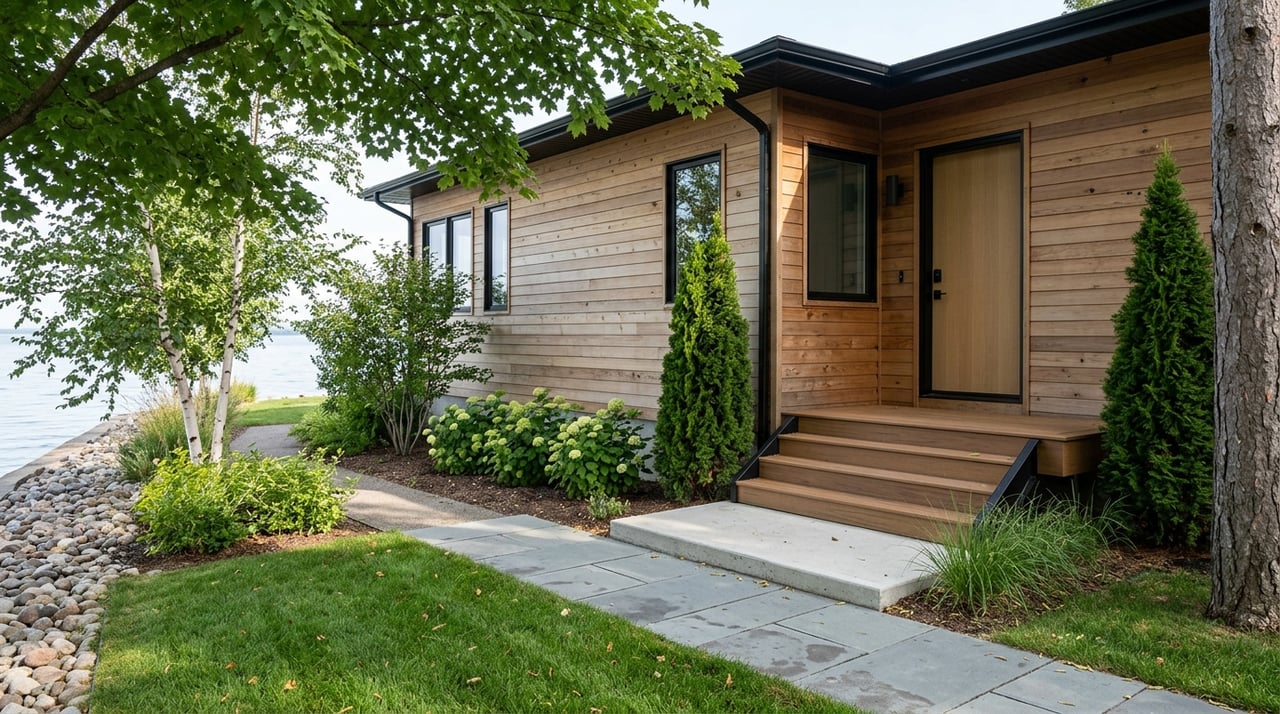
The Shoreline Rules Are Settled, With a Start Date
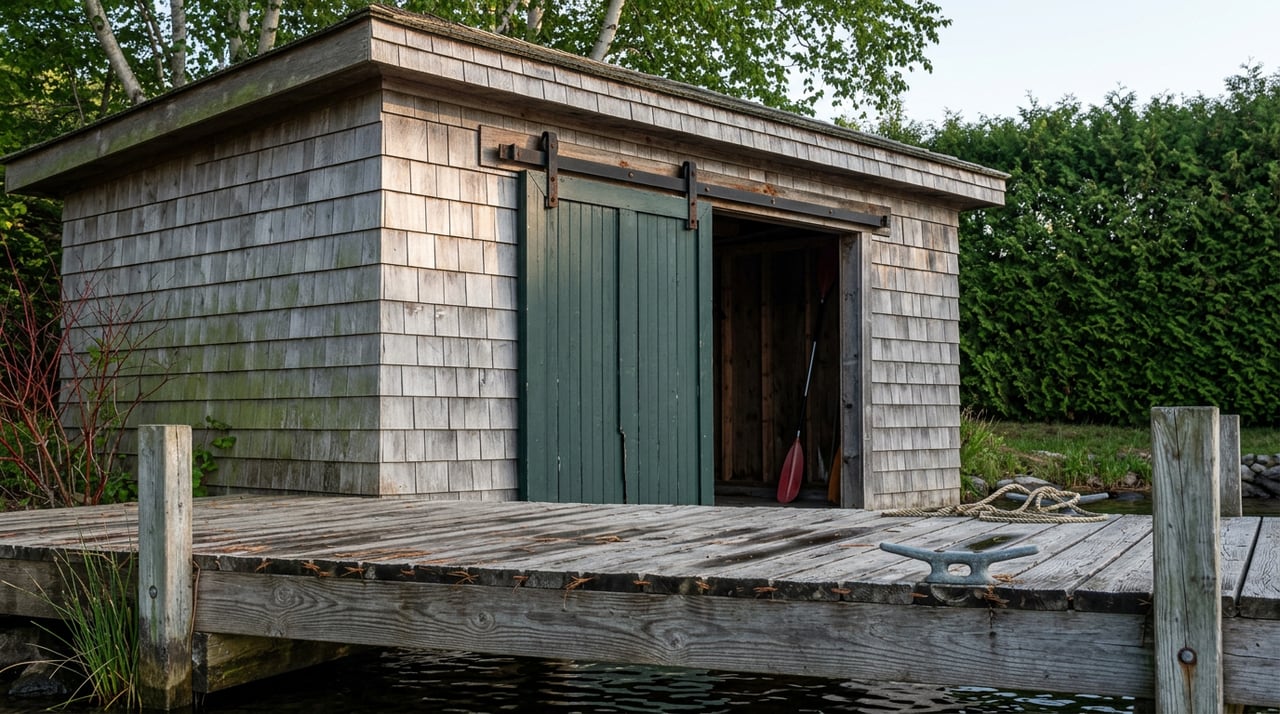
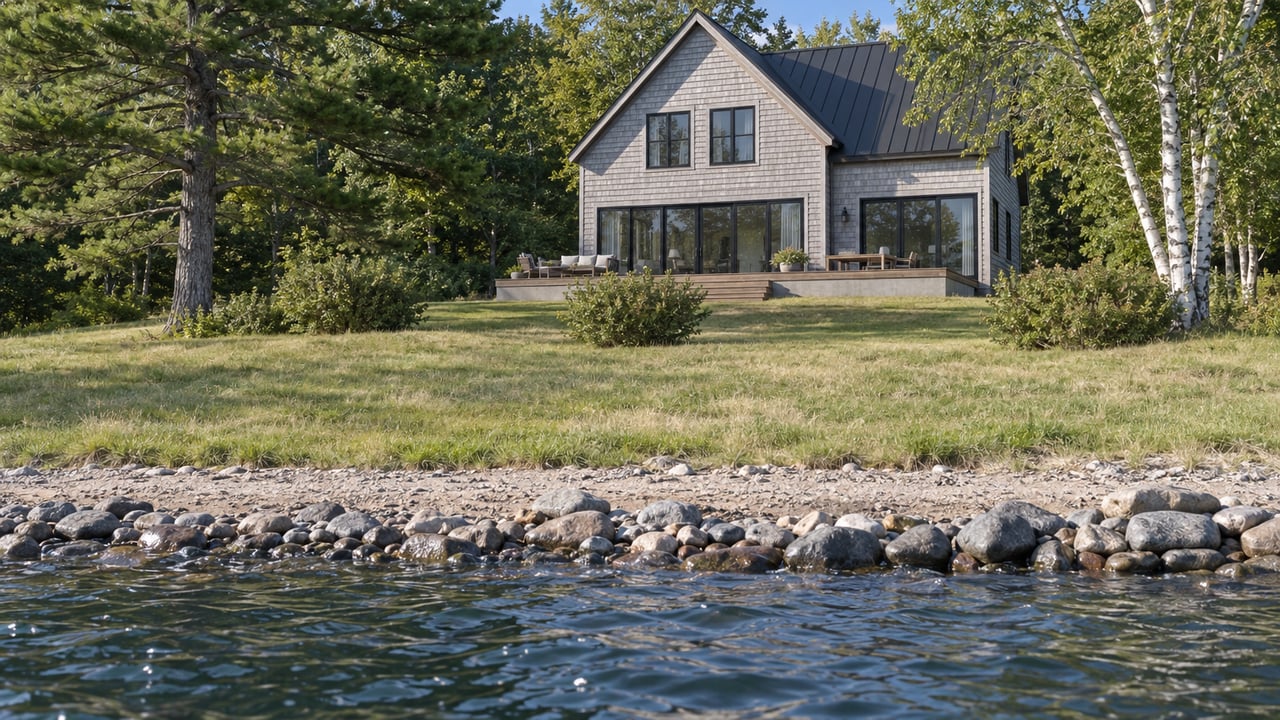
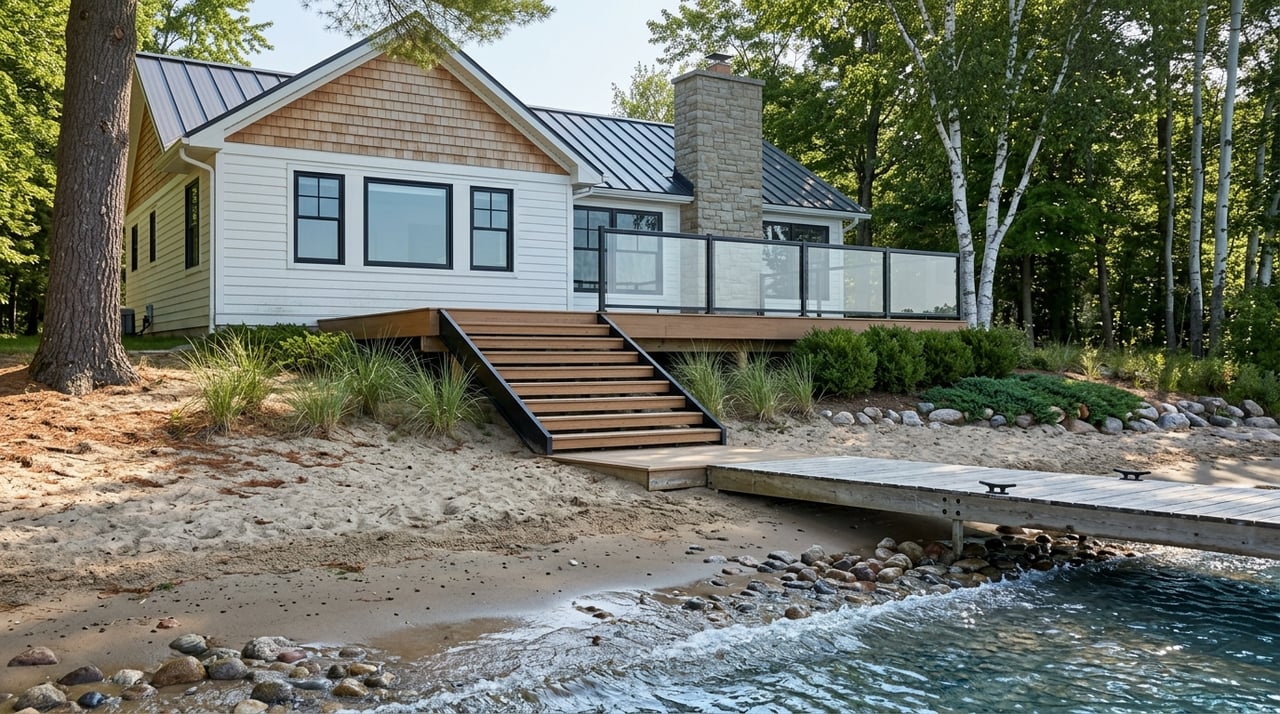
Amendment 206 went through several drafts. The March 6, 2026 draft proposed one dock per lot, an additional dock for lots with more than 300 feet of shoreline, 15-foot side setbacks for ordinary docks, and 30-foot setbacks where several owners share waterfront. The board changed it before adopting it. The July 14 minutes record three adjustments: no commercial uses, guests and family allowed as users, and the phrase "per 50 feet of shoreline width" added to the shared-ownership hoist provision. The ordinance takes effect seven days after it is published in the Record-Eagle.
During that debate, Trustee Milliken raised a concern about limiting a single owner when the same frontage under shared ownership allows more boats. The minutes say board members also discussed density, setbacks and variance requests. For a waterfront buyer, that means shared frontage and single-owner frontage are now treated differently, and the rule that separates them has an enforcement date.
Rules for the land above the waterline are less settled. A rewrite draft dated July 20, 2026 describes a 60-foot regulated area from the ordinary high-water mark, upland regulatory areas of 200 and 500 feet, and site-plan review for work that reduces a vegetated buffer or tree canopy. That is still draft text. On September 28, the Planning Commission stated that the township had set no slope-regulation threshold of its own. The dock is regulated now. The bluff behind it is still under discussion.
Five Amendments in Motion This Fall
Since the December 2025 decision to set farm zoning aside, the township has moved several smaller amendments through its process. Their status as of the board's October meeting:
| Amendment | What it addresses | Where it stood after Oct. 13 |
|---|---|---|
| #211 Chickens | Up to six chickens, no roosters, not free range in residential zoning | Adopted Oct. 13 |
| #210 Special use permits | A faster "minor amendment" path, capped at 1,000 sq ft of change | Public hearing set for the Nov. 10 board meeting |
| #208 Signage | Total sign area caps, plus off-premises agricultural signs | Tabled to Nov. 10, with a hearing to follow later |
| #213 Lighting | LED light trespass under the dark-sky rules | Public hearing held Oct. 13, then tabled |
| #212 Accessory dwelling units | Flat 800 sq ft maximum, owner-occupancy requirement | On the Planning Commission's Oct. 26 agenda |
The special use permit change matters most to owners who already hold a permit and want to expand. Township planner Sara Schroeder told the board in September that the goal is to streamline minor amendments to existing permits. The Planning Commission's July minutes say a minor amendment would still need commission review and board approval but would skip the public hearing. In October, Supervisor Maura Sanders recommended adding language stating there is no inherent right to receive a special use permit amendment.
The signage amendment shows the same farm question at a small scale. The Planning Commission's version caps on-premises signs at 60 square feet in total in agricultural and commercial districts and 30 square feet in residential districts. It also allows one temporary and one seasonal off-premises agricultural sign per lot, each up to six square feet and four feet tall. A moratorium on signage enforcement has been in place while the Agricultural Advisory Committee worked on language for farms. At the October 13 meeting, a farm operator asked the board to allow a historic farm truck to serve as a seasonal sign, and board members weighed farmers' needs against concerns about feather flags and off-premises signs along Center Road.
Short-term rentals are not in the table because Amendment 209 has left the queue for now. On July 14, the board voted to send it back to the Planning Commission to consider pertinent committee minutes. The amendment was meant to clarify existing rules, not create new ones. The Planning Commission's July minutes state that short-term rentals "are already prohibited by the zoning ordinance."
Farm Zoning Is on Hold Until the Appeal Is Decided
The decision to set agricultural zoning aside traces back to a lawsuit. As the Old Mission Gazette summarized in September, the Wineries of Old Mission Peninsula sued Peninsula Township in federal court in 2020 over zoning limits on paid private events, full restaurant service, extended hours and grape imports for winemaking. In July 2025, the court entered a judgment of about $50 million for the wineries but did not give them the right to host weddings or operate as event centers. The township, the wineries and the intervening group Protect the Peninsula have all appealed to the Sixth Circuit.
A second case, filed in November 2025 by Bonobo, Bowers Harbor Vineyard and other wineries, is also underway. In an April 28, 2026 order, Judge Paul Maloney denied the wineries a preliminary injunction. He noted that the township's limits on "full-service meals" were not clearly defined. The township's court filings page shows that case in discovery as of October 19.
The farm uses being litigated, such as food service, events and processing, are the same ones the rewrite would have to define. The township's January 2026 project plan put review of farm-processing rules, including small-scale processing and agritourism, in a later phase that runs through December 2027. The Agricultural Advisory Committee has discussed what that phase could include. In February, members supported small-scale processing as a use by right subject to standards, suggested operating hours of 5 a.m. to 10 p.m., and discussed a farm-stay model for agricultural parcels of at least five acres. At the same meeting, the committee reported that agritourism, small-acreage and processing topics remained on hold. Those ideas are committee discussion. None of them is township law.
On timing, the September 22 board minutes record that the township was still waiting for the Sixth Circuit to set an oral argument date in the original case. The Old Mission Gazette reported that "the parties expect to present oral arguments in Cincinnati before the end of this year."
The Size of the Judgment Compared With the Township's Budget
The judgment is large compared with the government that would have to pay it. In a March 2, 2026 order, Judge Maloney wrote that Peninsula Township's yearly revenues "are in the $10 million range" and that it has about $2 million in its general fund. He stayed enforcement of the roughly $49 million judgment without requiring a bond until the appeal is resolved. He found that bond premiums alone posed "a substantial risk to the Township's finances and ability to provide services to its citizens." The order also pointed to the township's "status as a sovereign entity with taxing authority" as a reason the wineries' uncertainty was manageable.
Insurance coverage is still being contested. On May 5, 2026, a court order sent the township's dispute with U.S. Specialty Insurance Company to arbitration, and a separate coverage case with Employers Mutual remains open.
Preservation Money Is Kept Separate
The township is still buying conservation easements. On September 22, the board approved the Warren Farm purchase-of-development-rights agreement, presented with the Grand Traverse Regional Land Conservancy. The easement covers 82 contiguous acres, allows four home sites at one per 20 acres, and creates a 15-acre no-build area to protect views along Center Road and Grey Road. It was appraised at $1,306,000, and the minutes put the PDR fund at more than $8 million.
The PDR fund and the lawsuit are funded separately. In July 2025, Traverse Ticker reported that Sanders said restricted funds, including PDR money, could not be used to pay the judgment. The program that limits how many homes can be built on large farm parcels keeps buying easements while the farm-use rules wait on the appeal.
Short Answers
Can I rent an Old Mission home short term? The Planning Commission's July 9, 2026 minutes note that short-term rentals are already prohibited by the township's zoning ordinance, and Amendment 209 was written to clarify that rule. How it applies to a particular property is a question for the township.
Could I add a guest cottage? The ADU proposal discussed in those same July 9 minutes sets a flat 800-square-foot maximum and requires the owner to live in either the main house or the ADU. Now numbered Amendment 212, it was on the Planning Commission's October 26 agenda.
When will the farm rules be rewritten? The township's project plan places farm processing in a later phase of a rewrite that runs through December 2027, and the committee has tied agricultural zoning to guidance from the litigation.
This post is general information about public township actions, not legal, tax or financial advice. Please confirm how any ordinance applies to a specific parcel with an attorney or the township before you act.
If a vineyard, orchard or shoreline parcel on the peninsula is on your list, Shawn Schmidt Group can help you work out which of these rules apply to that property and which are still pending, so you have a clear picture before you make an offer. Request a Private Consultation.